

A reporter arrives in the village to investigate what happened there in 1956. Why did Anti Balogh (János Görbe) shoot his best friend? And why did the carpenter Sándor Varga (László György) kill his childhood friend? He visits the houses, talks to people, the tragedies pile up. We find out how friendships were ruined by politics, and what the villagers have become crippled by.
Zoltán Fábri was one of the first to talk about topics that were previously taboo: '56, the excesses of the Rákosi era. This was a revolutionary innovation after the dogmatic filmmaking of the 1950s, which had to voice homogeneous political views. In the small village in the film, ideological battles seem particularly pointless, but common sense is dwarfed by political slogans. In this setting, tragedies cast an even greater shadow as childhood playmates are turned against people who have drifted to opposite sides.
▶️ Register to receive your unique access code until June 30, THU.
▶️ With the link provided, you can stream the movie on July 1, FRI between 12 AM - 11:45 PM.
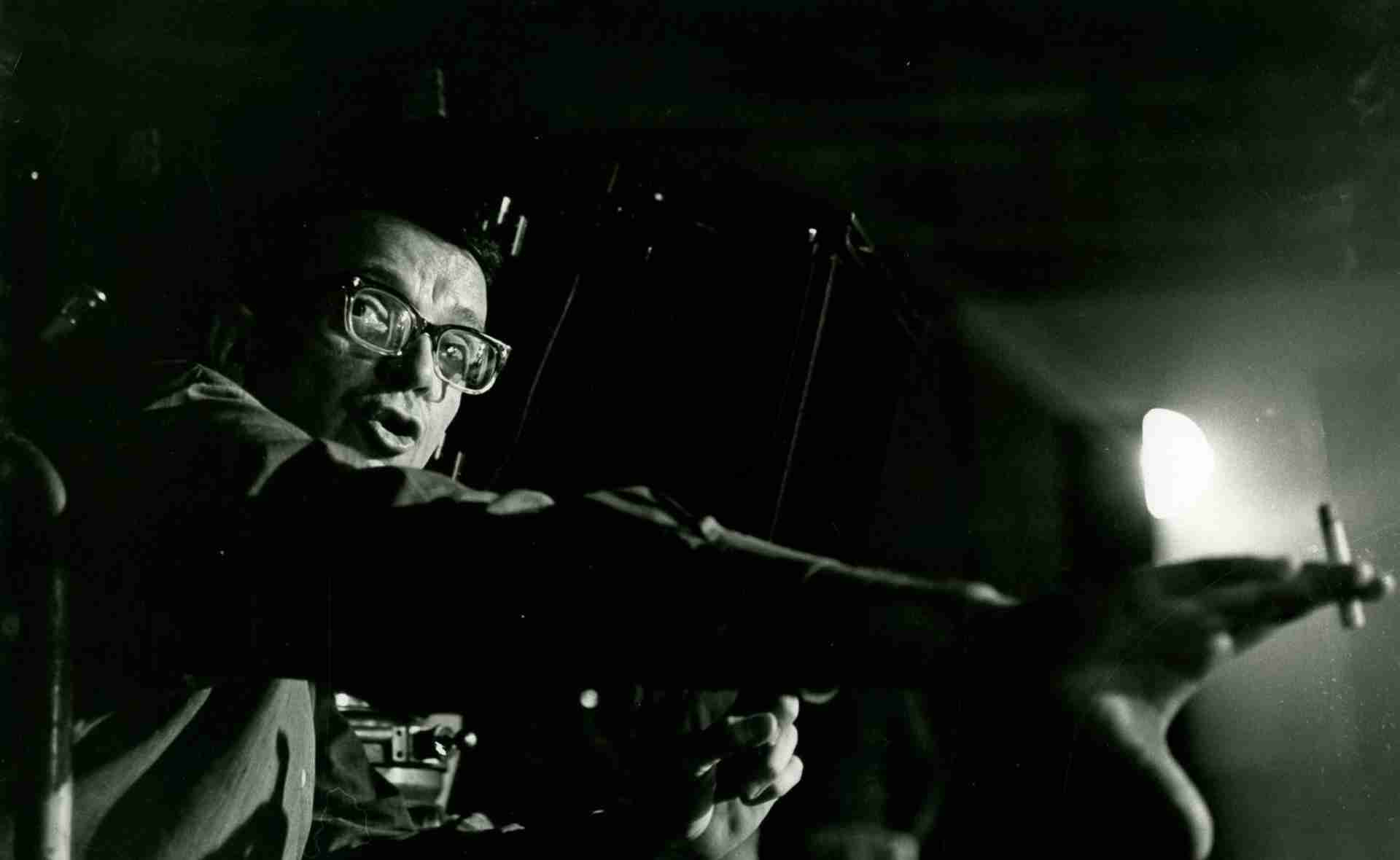
Zoltán Fábri, werk. Source: Filmarchive
About the director
Zoltán Fábri (1917-1994) is a three-time Kossuth Prize-winning Hungarian film and theatre director, actor, set designer, screenwriter, college teacher, painter, and graphic artist. He belonged to the generation of directors who devoted most of their careers to the filming of literary works (only four of his 21 films were not based on literary works).
Twenty Hours is Zoltán Fábri's tenth and one of his most enduring films. His style is sublime and poetic, his dramatic power is still with us today. It has won major prizes at international film festivals (Rome, Moscow) and was a hit at the Hungarian Film Festival.