Three-Day Introduction of the HUNOR Hungarian Astronaut Program in Belgium
The Liszt Institute Brussels hosted the HUNOR delegation from Hungary between March 10-12, 2026. Members of the delegation included research astronauts Tibor Kapu and Gyula Cserényi, as well as representatives from the Ministry of Foreign Affairs and Trade and leaders of the HUNOR program. During the visit, they gained insight into the state of Belgium’s space sector. The three-day program featured a full-capacity professional conference, visits to Belgian space industry companies, a meeting with the Hungarian diaspora, an international scientific symposium, a closed-door working dinner for the five Hungarian ambassadors in Brussels and the delegation, a visit to a Walloon space research center, and additional professional meetings. The Hungarian community welcomed the astronauts with great enthusiasm. In a joint presentation, they shared their experiences, which was a tremendous success and a memorable, lifelong experience for attendees. At the same time, the high quality of the professional programs ensured that the delegation gained valuable expertise and expanded its network of professional connections.
As a continuation of the “Hungarian to Orbit Symposium,” organized on March 27, 2025, as part of the Cosmic Buzz event series launched by the Liszt Institute Brussels, the institute once again hosted the Hungarian delegation from March 10-12, 2026. The delegation included research astronaut Tibor Kapu; trained research astronaut Gyula Cserényi; Norbert Aradi, Head of Department (Department Responsible for the HUNOR Hungarian Astronaut Program); László Benkucs, space policy expert (Department Responsible for the HUNOR Hungarian Astronaut Program); Bálint Borsos, Director of International Relations (HUNOR – Hungarian Astronaut Program); and Dávid Hornok, communications officer (HUNOR – Hungarian Astronaut Program).
During the three-day visit to Belgium, the delegation participated in several high-level professional programs and institutional meetings aimed at presenting the achievements of Hungarian space research and strengthening international professional partnerships.
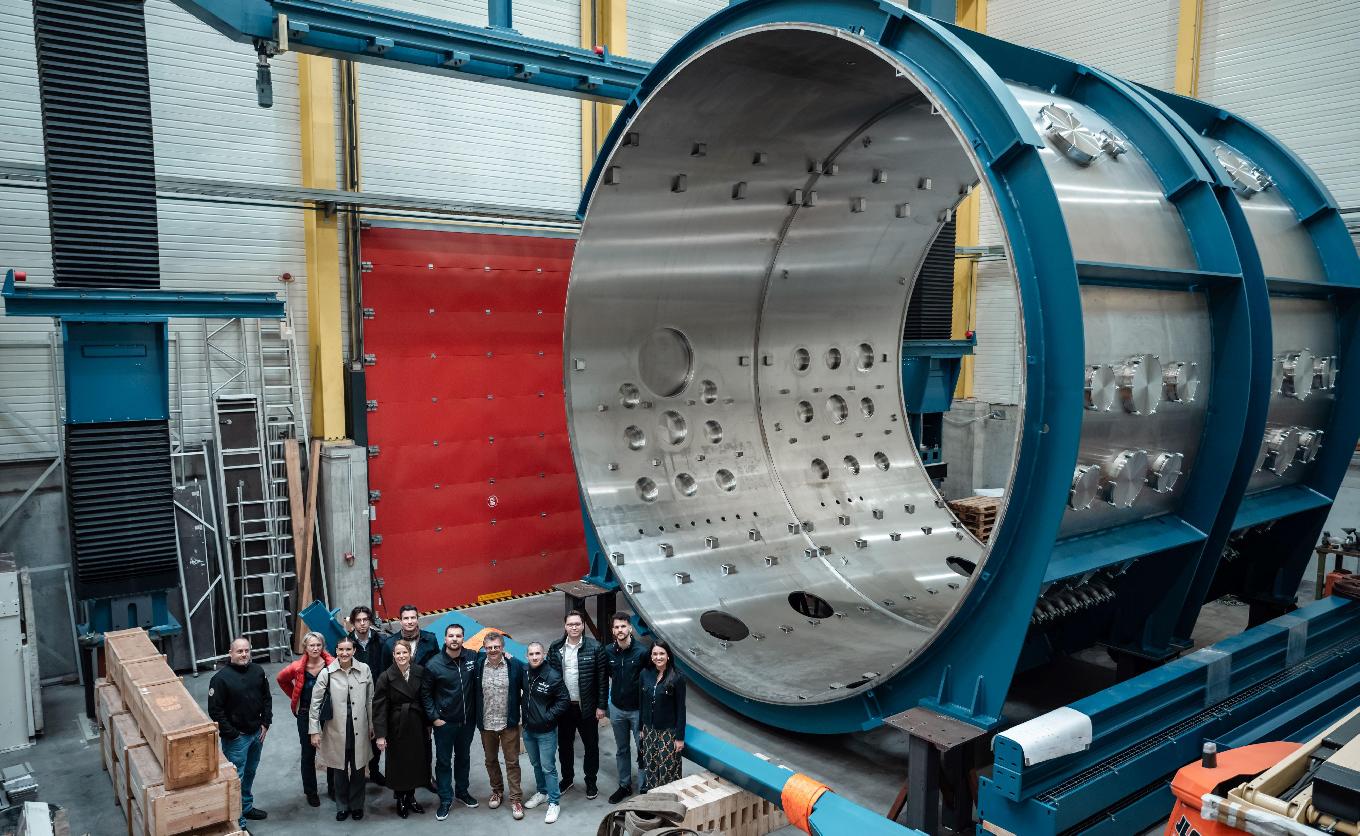
On March 10, 2026, the delegation visited the Belgian space industry company Aerospacelab in Louvain-la-Neuve, organized by Dorottya Bősze, foreign economic attaché. Aerospacelab is one of Belgium’s most significant private New Space companies, operating in satellite manufacturing and space technology. During the visit, participants reviewed the company’s manufacturing and operational activities, received information about its Earth observation strategies, and learned about its newest large-scale Megafactory under construction in Charleroi, which will be capable of producing up to 500 satellites per year. The facility is scheduled for completion by the end of 2026.
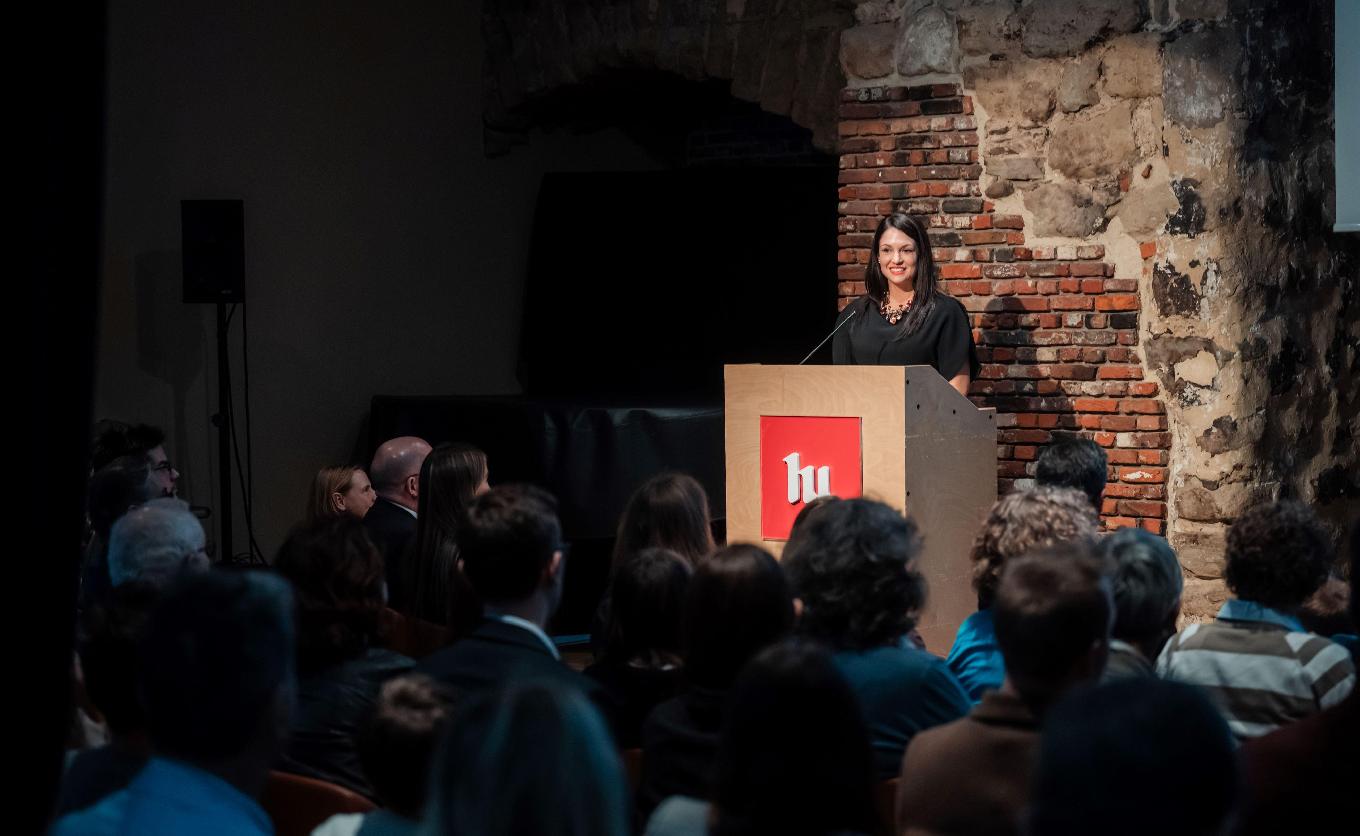
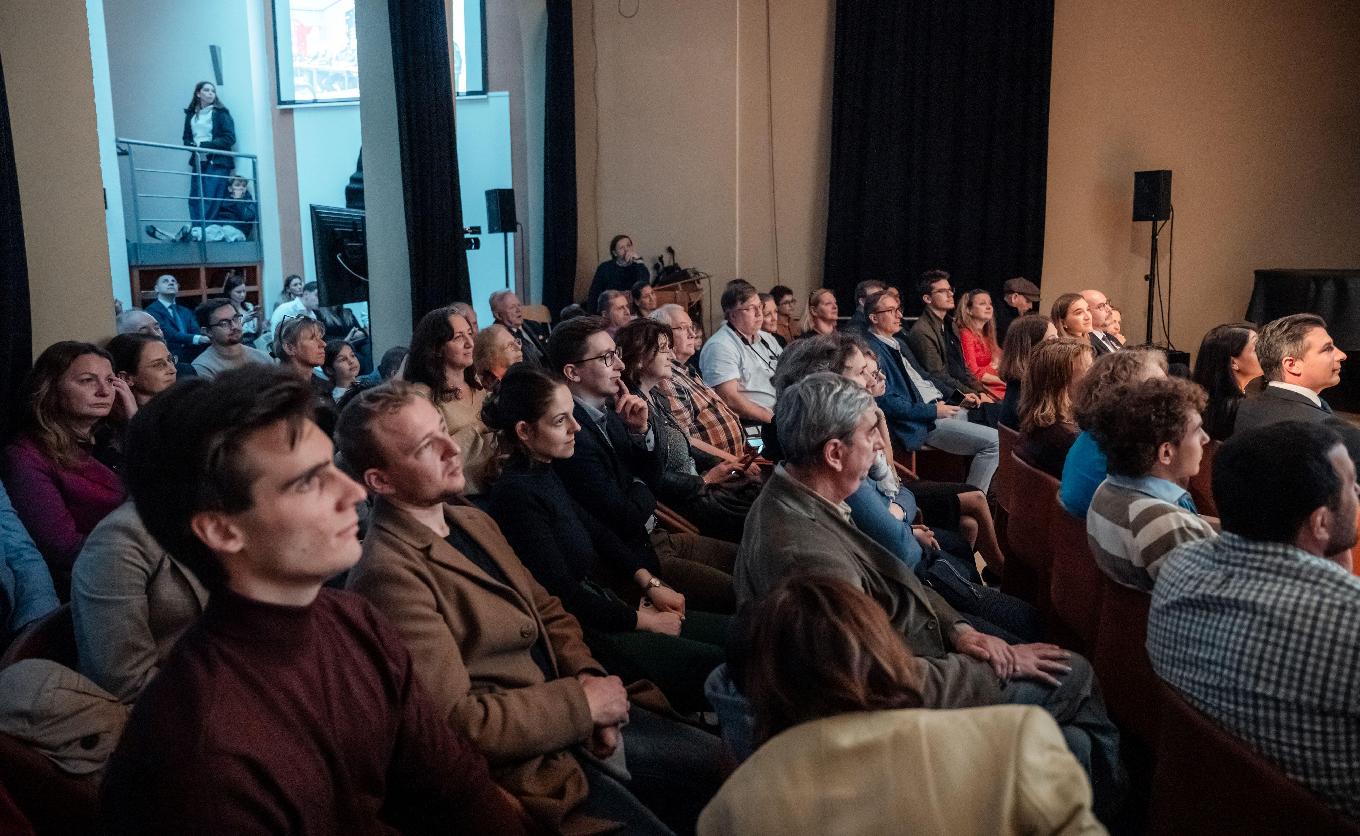
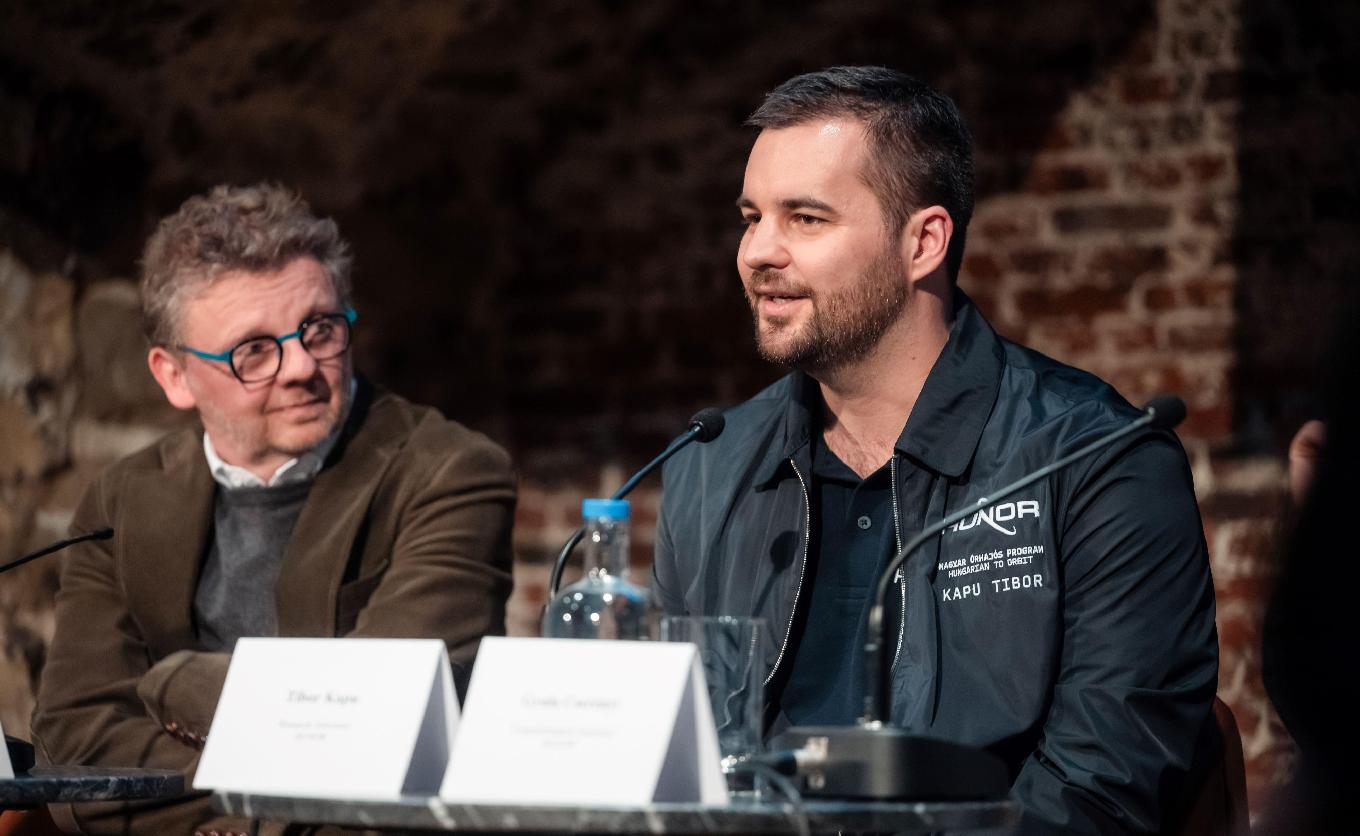
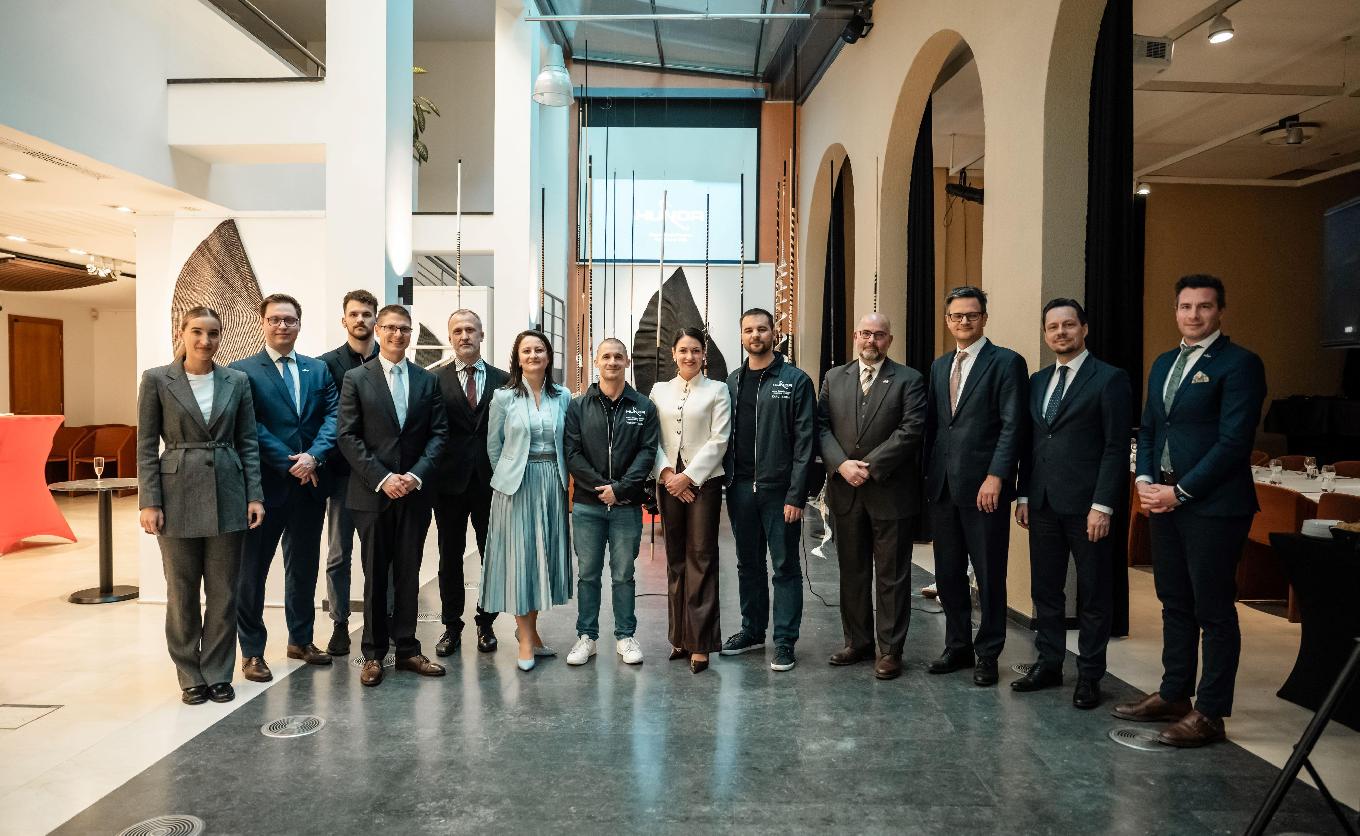
During the afternoon, a background press briefing was held at the Liszt Institute Brussels with the participation of Kossuth Rádió and MTI. This was followed by the professional conference titled “Hungarian to Orbit Symposium 2.0,” also hosted at the institute. The event was organized in cooperation with the Ministry of Foreign Affairs and Trade, the HUNOR Hungarian Astronaut Program, and the Liszt Institute Brussels. The program focused on the experiences of research astronaut Tibor Kapu during his spaceflight, as well as their social and technological impacts and the future of the HUNOR program. The conference aimed to present the HUNOR Hungarian Astronaut Program, showcase the achievements of Hungarian space research, and make them accessible to both professional and general audiences already engaged through the Cosmic Buzz initiative. The event also provided an opportunity for professional dialogue and the strengthening of international cooperation. Opening remarks were delivered by Director Zsófia Kovács and Ambassador Dr. Tamás Iván Kovács, while the keynote opening address was given by space policy expert László Benkucs.
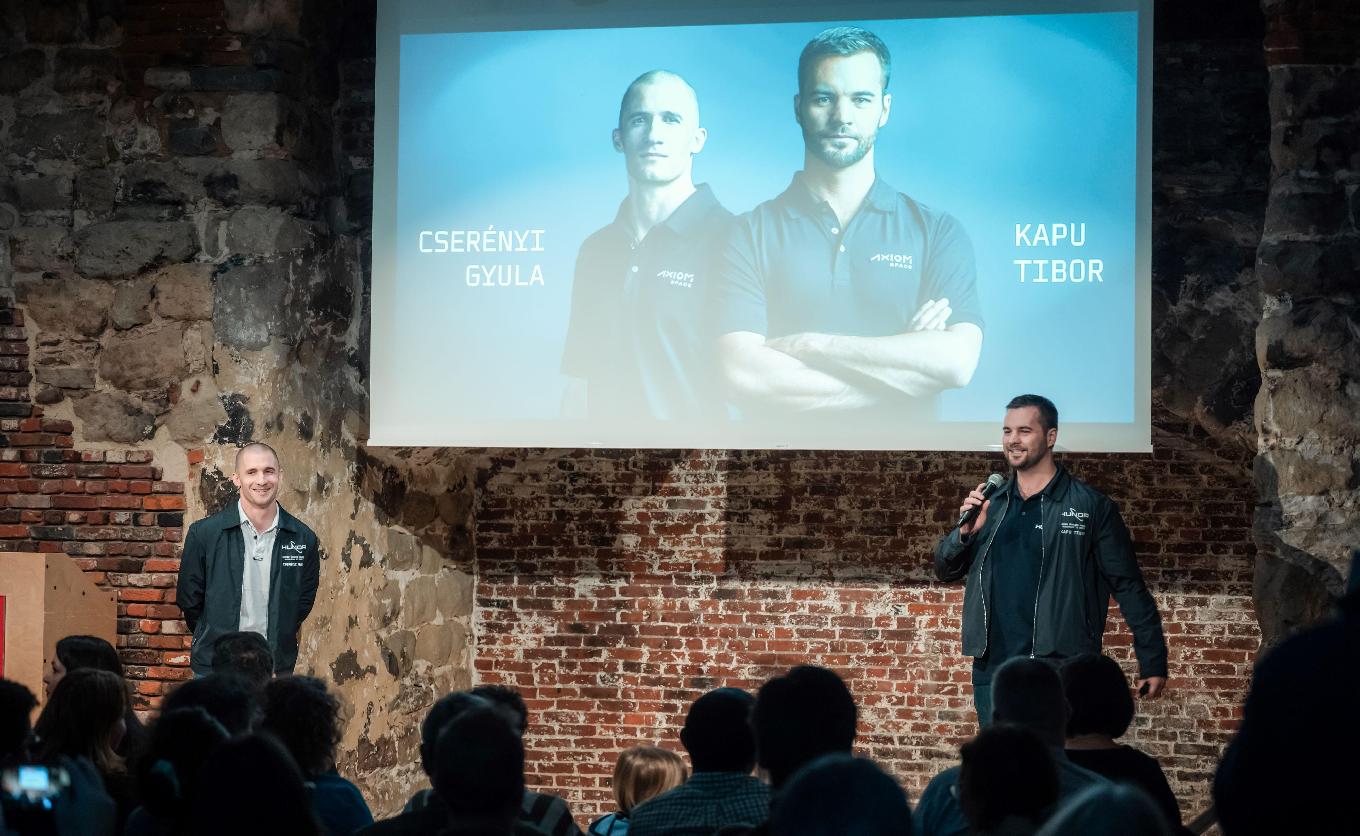
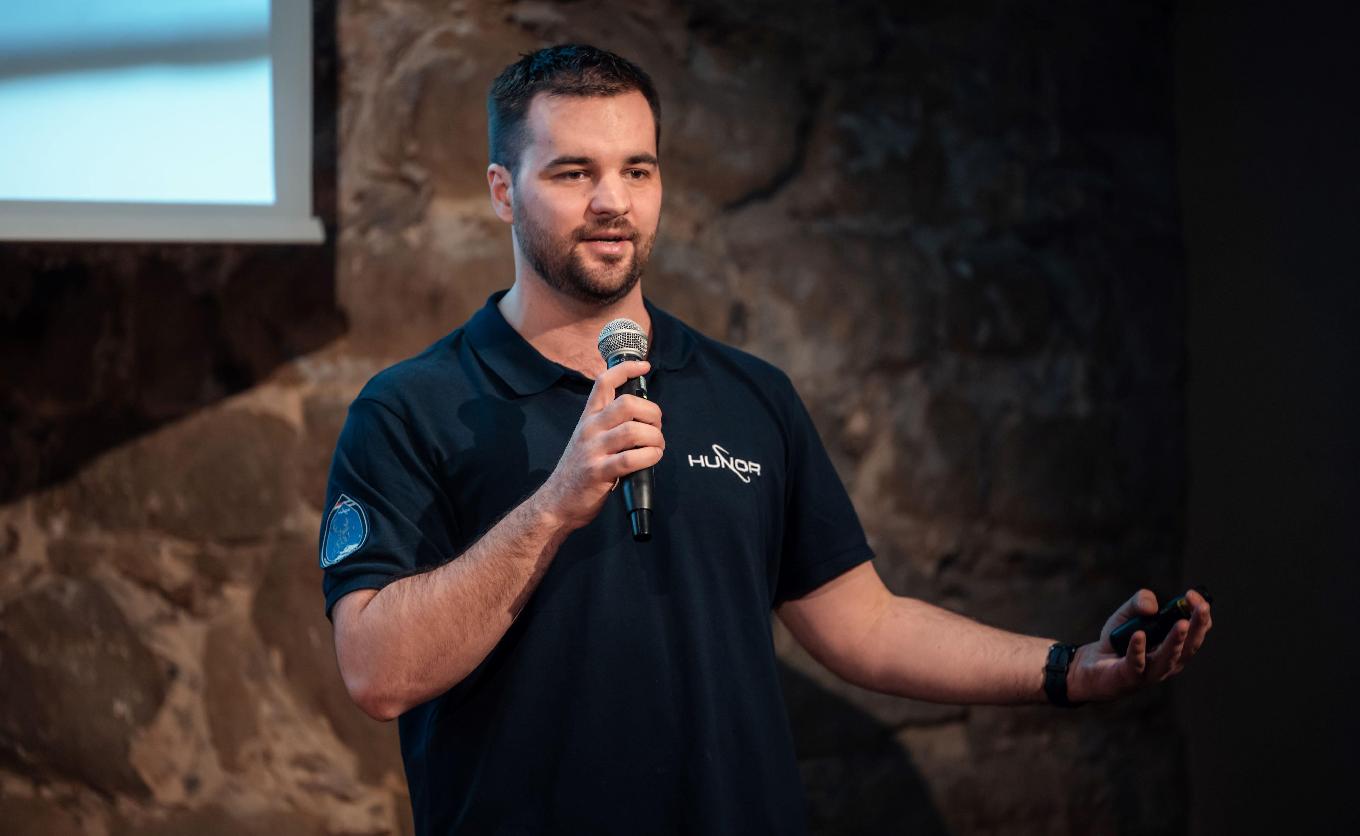
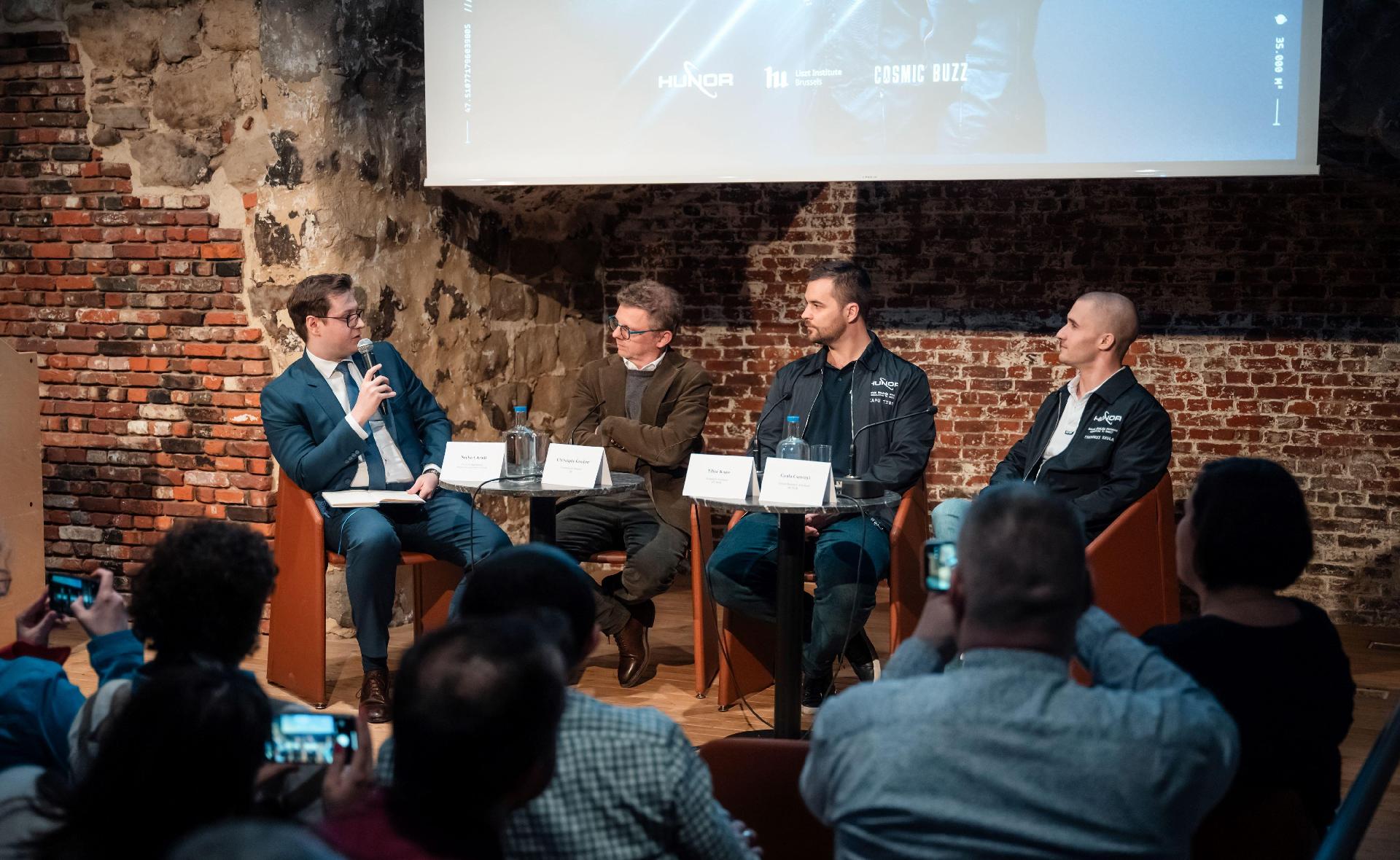
As part of the conference’s professional program, research astronaut Tibor Kapu and trained research astronaut Gyula Cserényi gave presentations on their training process and their mission aboard the International Space Station. The conference continued with a panel discussion titled “What on Earth do Hungary and Belgium do in Space?”, moderated by Norbert Aradi. The invited panel guest was Christophe Grodent, Commercial Director of the Liège Space Center. The discussion addressed the current state and challenges of the European space sector, as well as the role that mid-sized countries such as Hungary and Belgium can play in the global space race. The event received positive feedback from Belgian and international professional audiences, as well as from the Hungarian diaspora in Belgium, and contributed to strengthening Hungarian-Belgian research and technology relations.
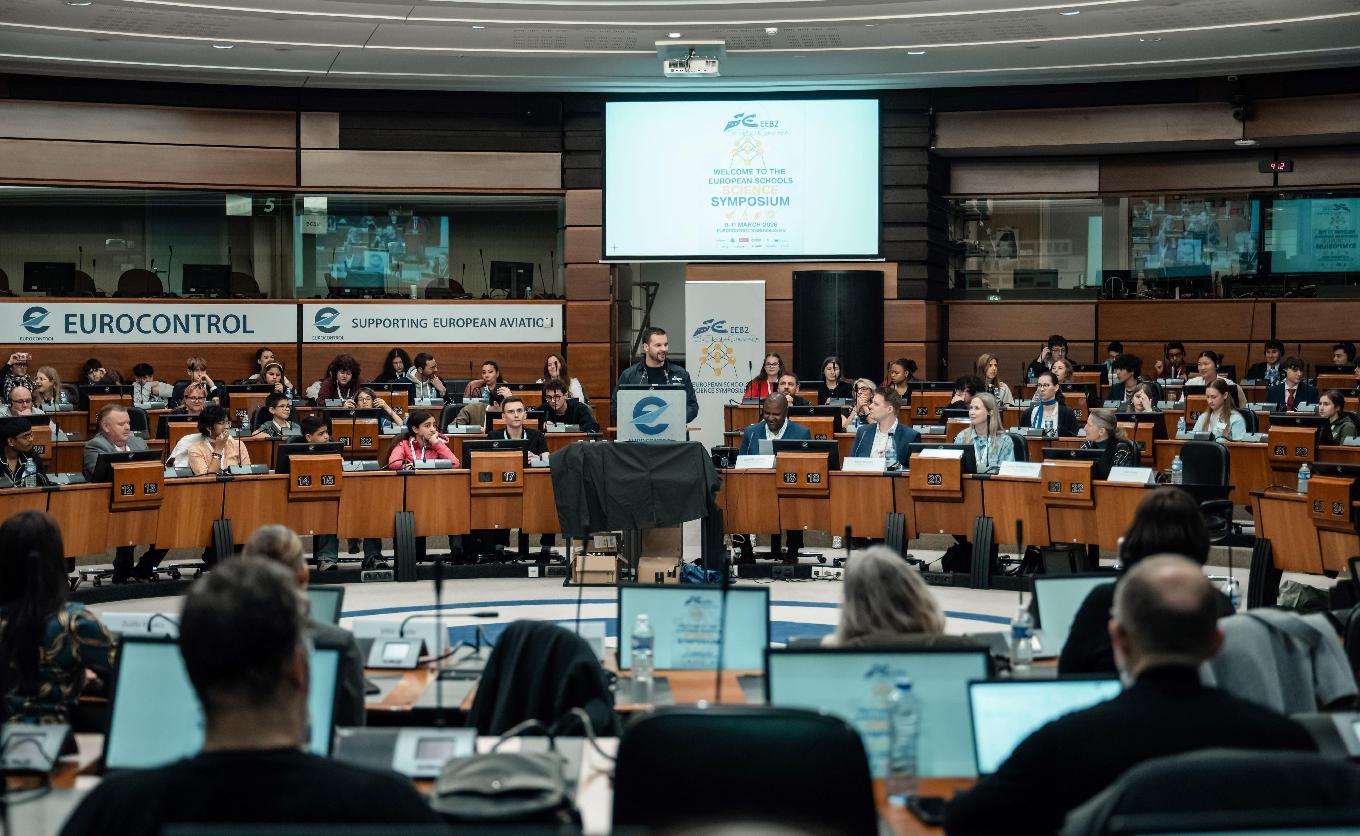
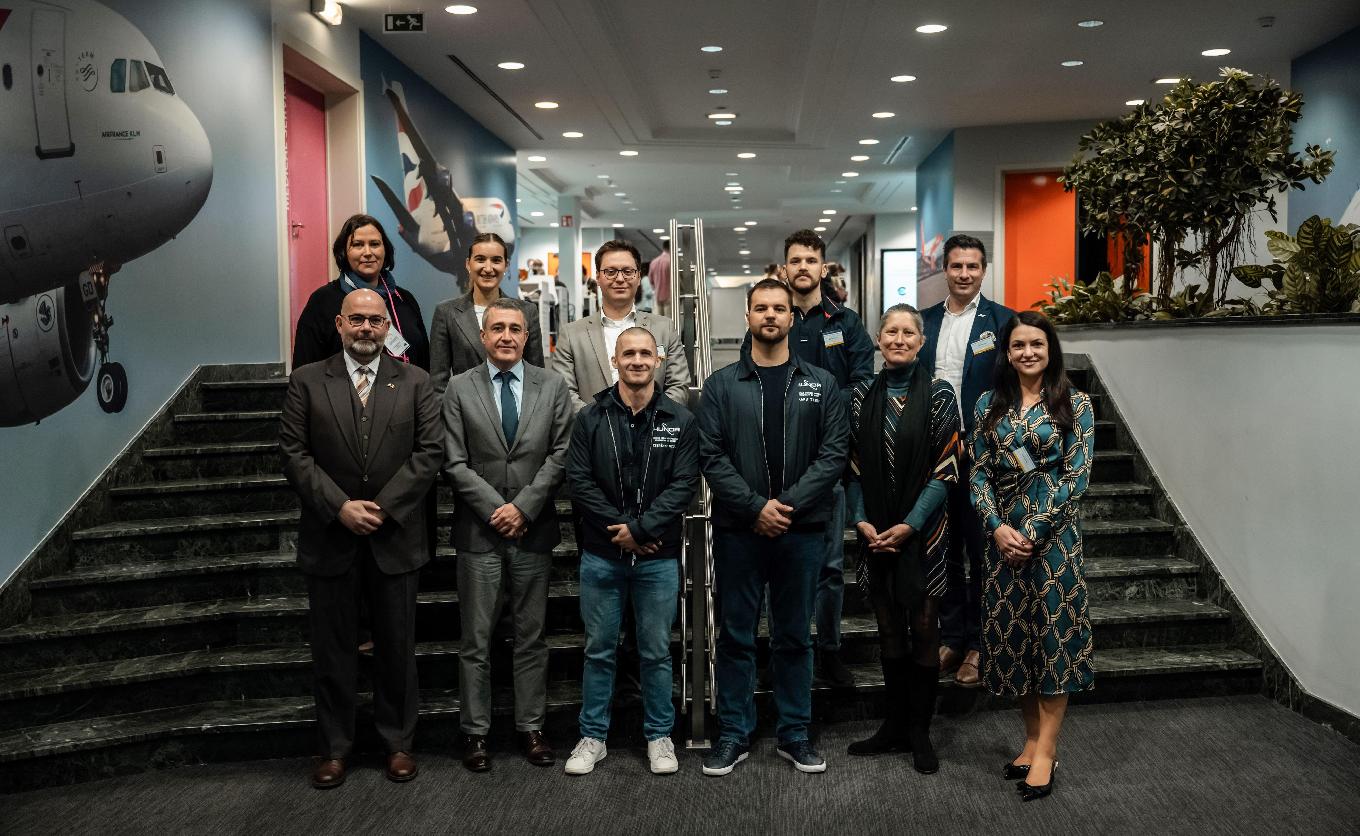
On the second day of the visit, March 11, 2026, Tibor Kapu was the guest of honor at the closing event of the European Schools’ Science Symposium (ESSS), hosted by EUROCONTROL. He delivered the opening speech and presented awards to the winning students. As part of the symposium, a podcast recording was also made with him by students from European School Brussels II. Following this, the delegation participated in a professional meeting with EUROCONTROL leadership. The delegation was welcomed by Chief of Cabinet Enrique Fraile-Fresco and Director of Human Resources Céline Shakouri-Dias.
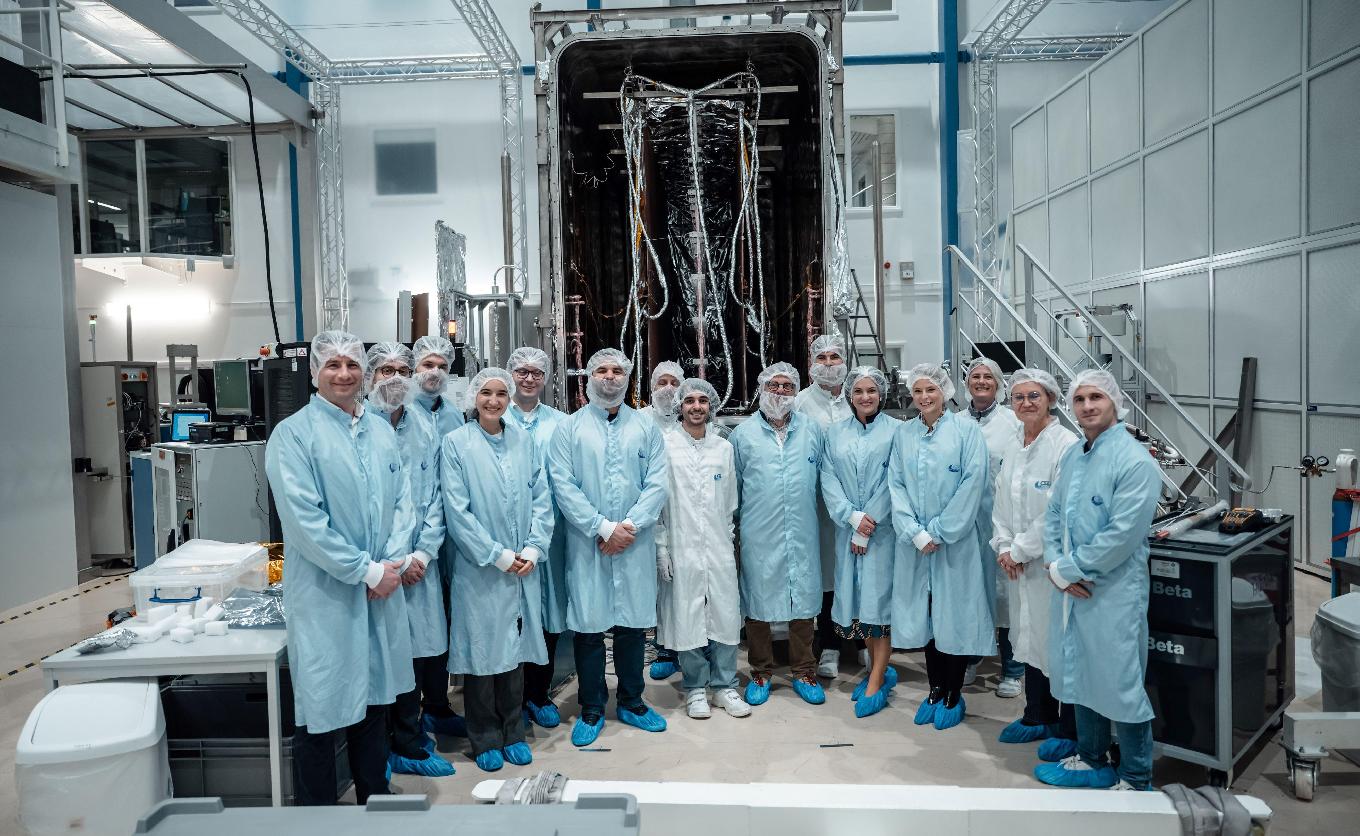
In the afternoon, the Hungarian delegation visited the Centre Spatial de Liège (CSL), a space industry research and testing center, where Christophe Grodent gave a presentation on the center’s activities, followed by a guided tour. The CSL is one of Belgium’s most important space research and technology centers and serves as an applied research institute of the University of Liège. Its main activities include the development, design, integration, qualification, and technological research of space instruments. CSL functions primarily as an academic-applied research center specializing in high-level scientific instruments, optical systems, and testing under extreme environmental conditions. It plays a key role in many European Space Agency missions, particularly in the development and testing of optical payloads. Rather than manufacturing its own satellites, the center develops instruments for space missions.
In the evening, a formal seated dinner was held at the Liszt Institute Brussels with the participation of leaders of Hungarian diplomatic representations in Brussels, including Permanent Representative (Coreper II), Ambassador Bálint Ódor; Deputy Permanent Representative (Coreper I), Ambassador Katalin Molnár; Political and Security Committee (PSC) Representative Levente Bánfalvi; and Ambassador István Balogh, Hungary’s Permanent Representative to NATO. The program concluded with a reception, providing an opportunity for staff of Hungarian representations in Brussels to meet the delegation informally.
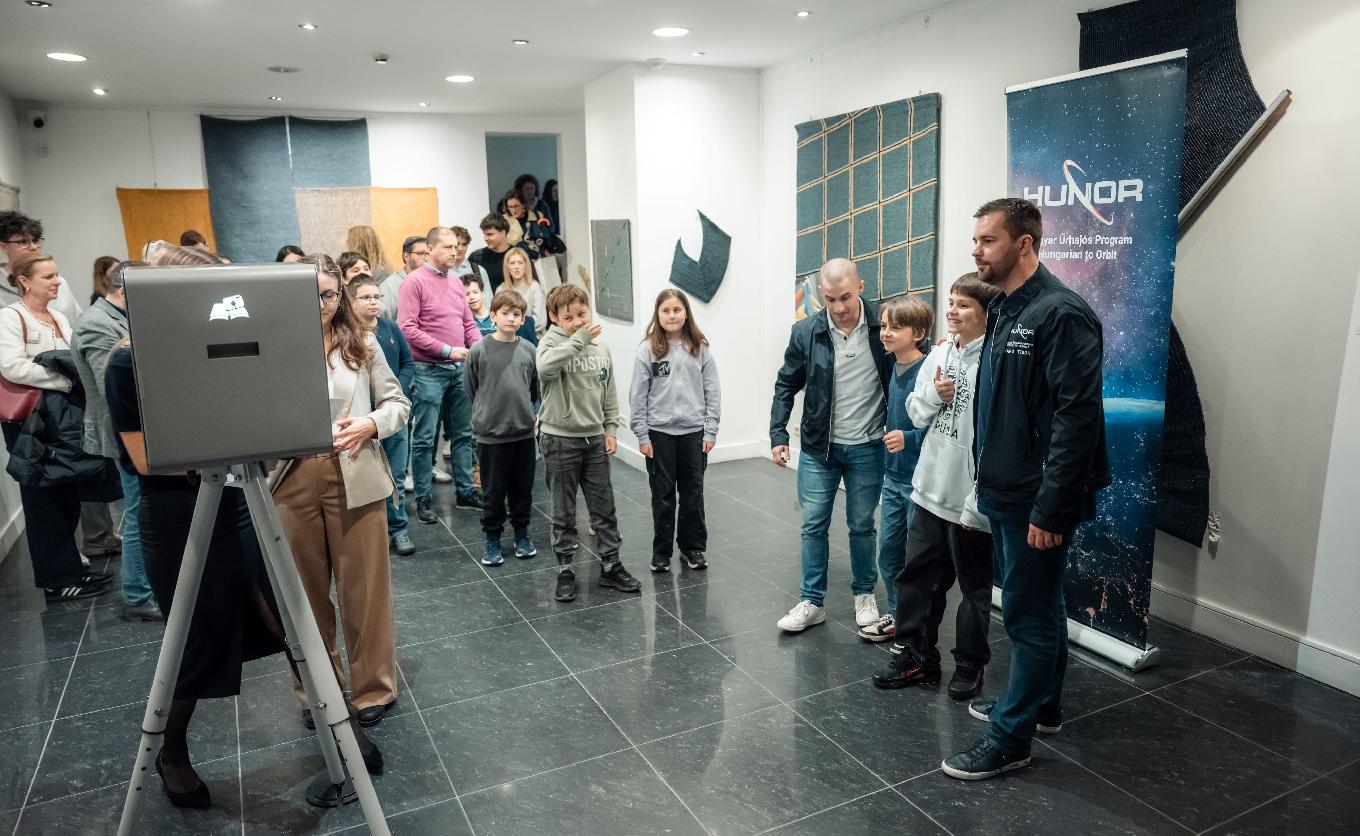
On the third day of the visit, March 12, 2026, participants visited the House of Hungary Brussels, where they were welcomed by Ambassador Dr. Tamás Iván Kovács and Professional Director Ágnes Magyar. In addition to a presentation of the House, the delegation spent time in the Neumann Salon, which showcases Hungarian scientific excellence, where Tibor and Gyula left handwritten messages.
Later that morning, Tibor Kapu and Gyula Cserényi gave a presentation at European School Brussels I. As part of the program, students from the Hungarian section, as well as advanced-level physics groups from the Spanish and Italian sections, attended their presentation and had the opportunity to ask questions. Following this, the delegation was received for a working lunch by Director David Tran and Deputy Director Emilia Makarska.
Source of the images: HUNOR