The Spring Successes of Hungarian Culture in Moscow
Following the first months of the Moscow Liszt Institute’s 2026 season, the intensive presence of Hungarian culture continued, bringing together classical music, contemporary art, and community-building initiatives in a harmonious unity. The programme series of the first quarter of the year reflected the Institute’s commitment not only to preserving Hungarian heritage, but also to elevating it into international cultural discourse.
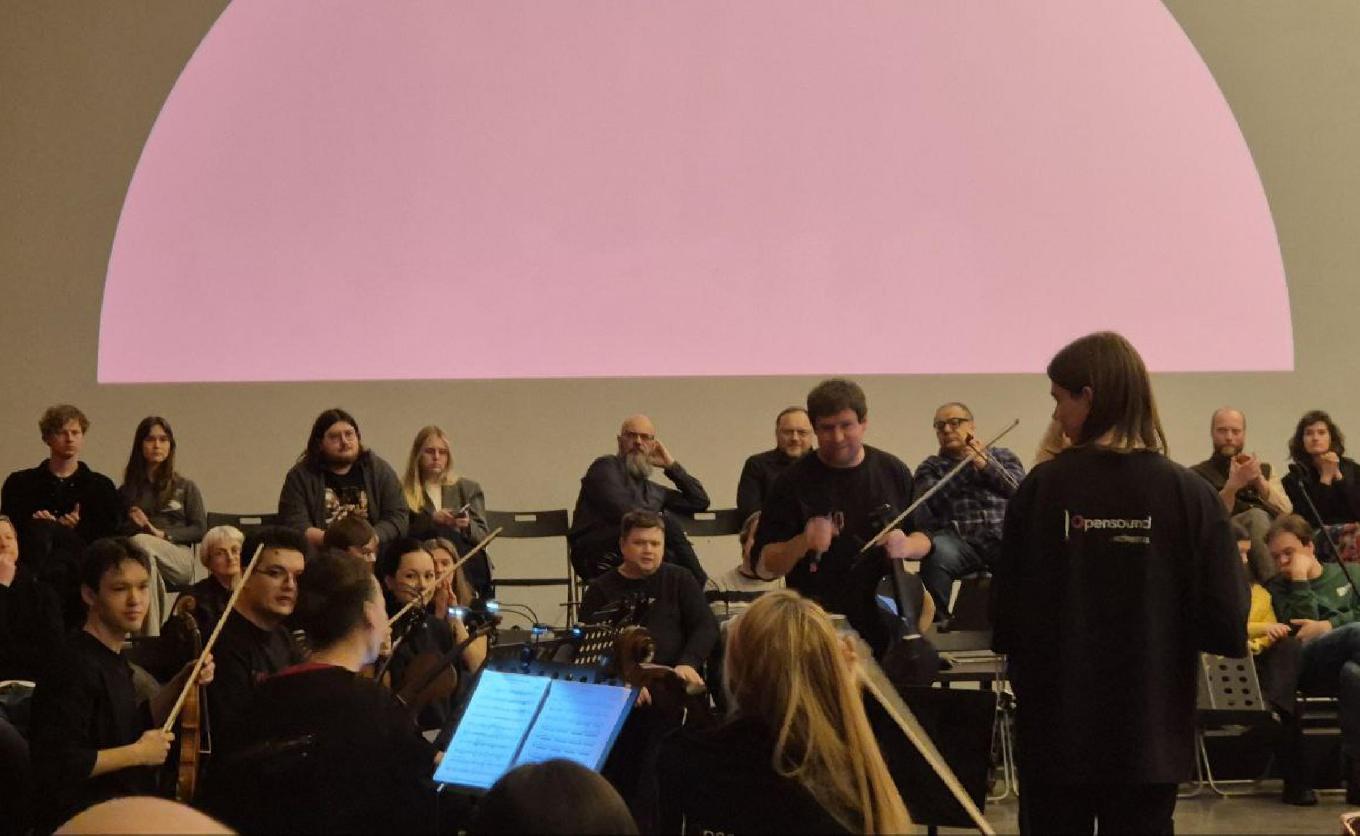
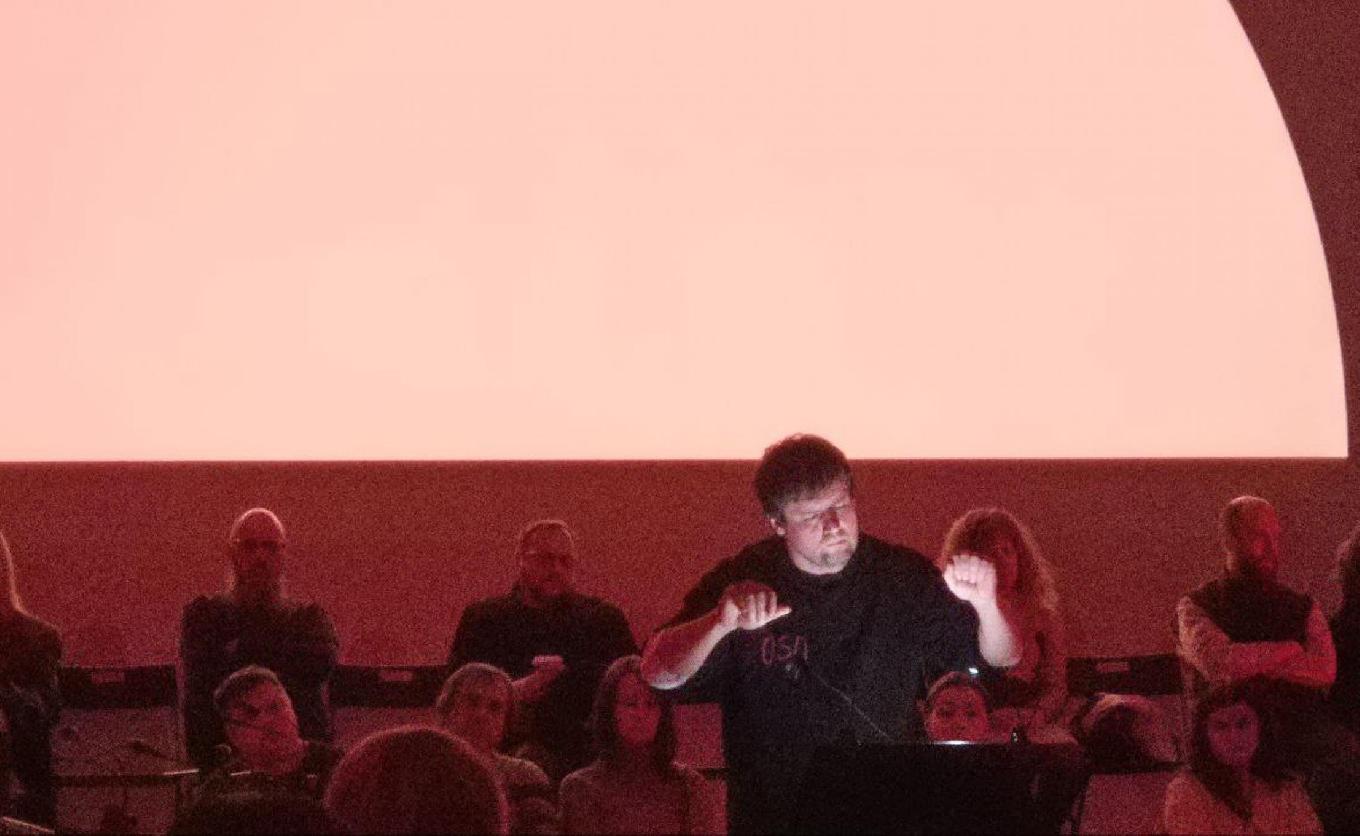
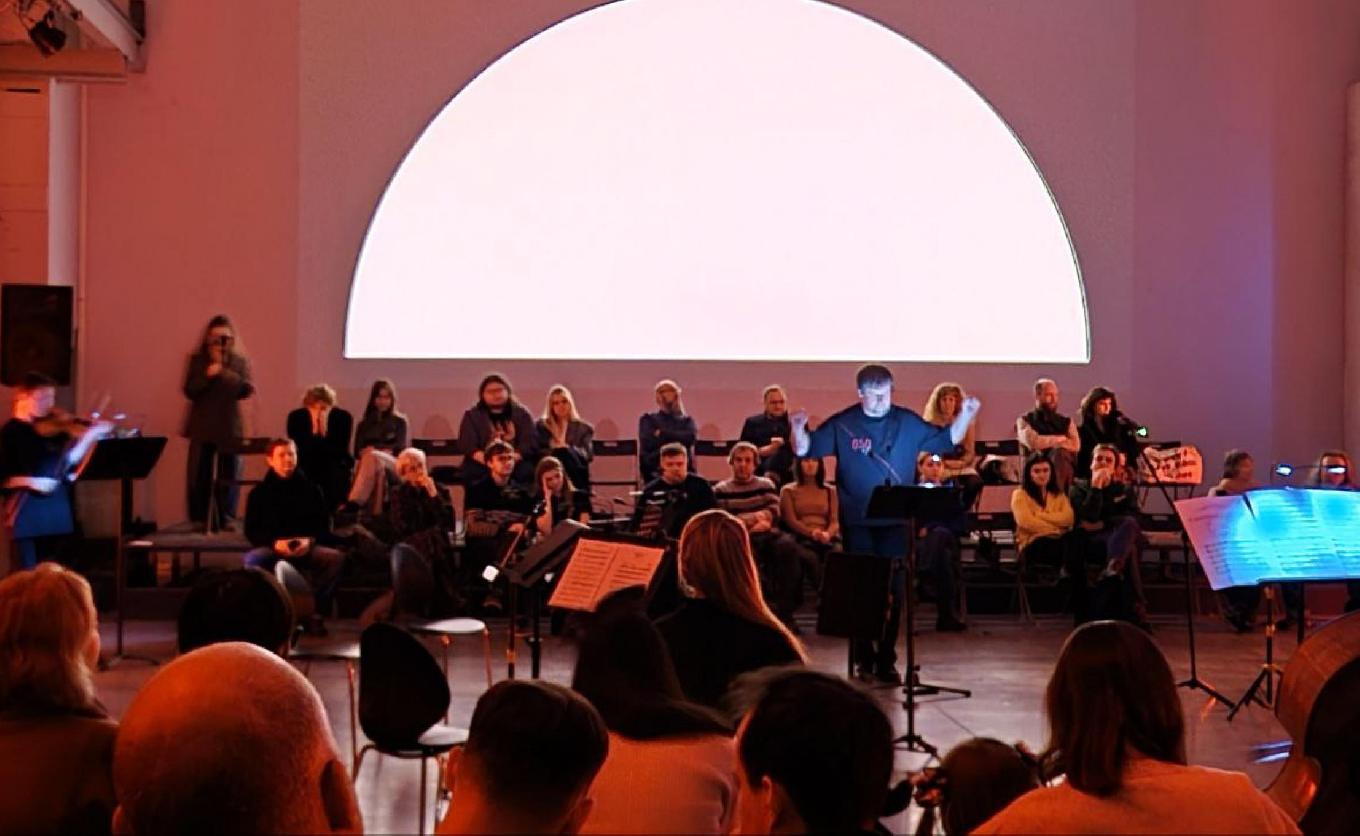
The impact of the Kurtág centenary remained a defining element of the Institute’s activities in March, with the launch of the concert series From György Kurtág to György Ligeti. Organised in cooperation with students of the Gnessin Academy of Music and the Scriabin Museum, the project presented distinguished representatives of 20th-century Hungarian music alongside the two composers named in the title, including Péter Eötvös, László Vidovszky, and László Sáry. At the opening event on 2 March, attended by 112 guests, audiences experienced how Hungarian contemporary music can convey drama and emotional intensity.
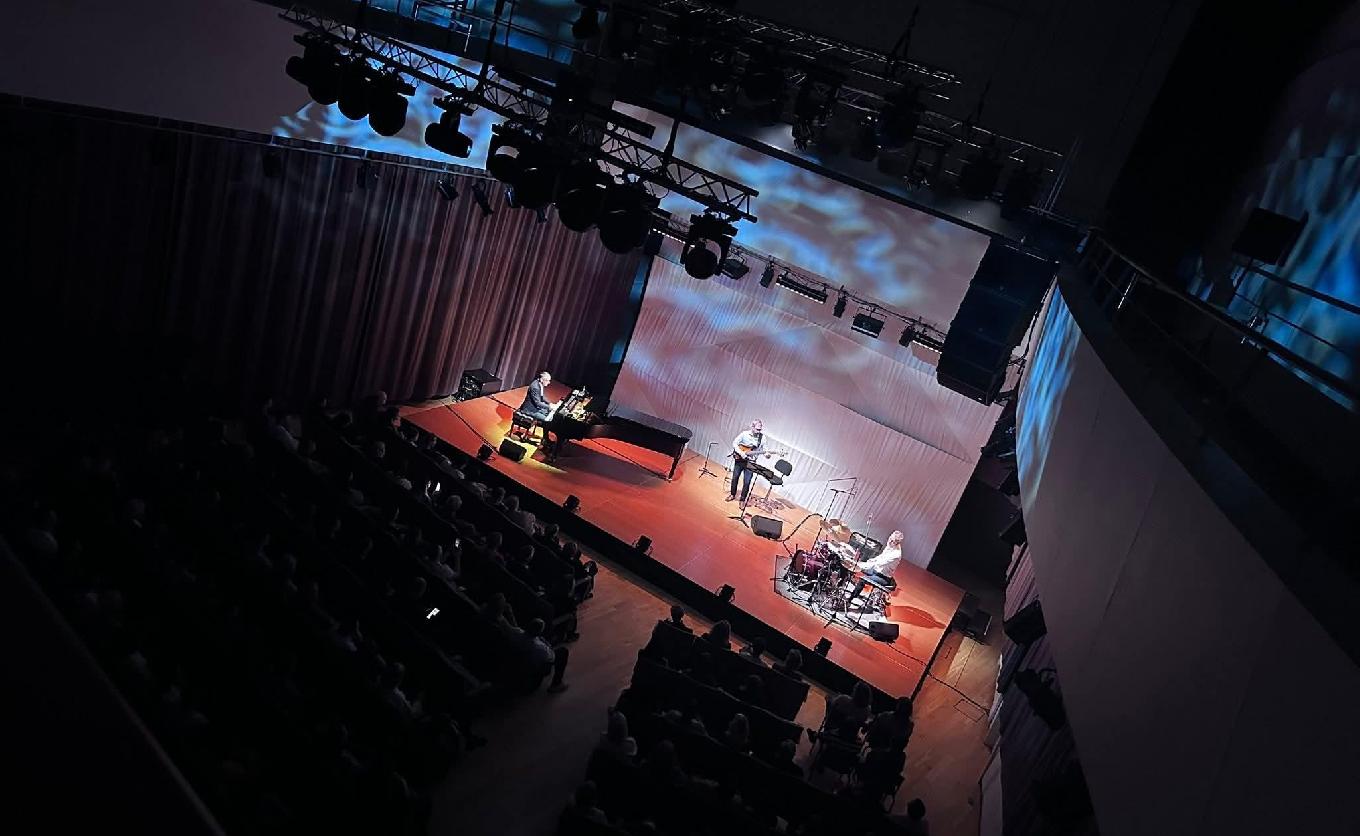
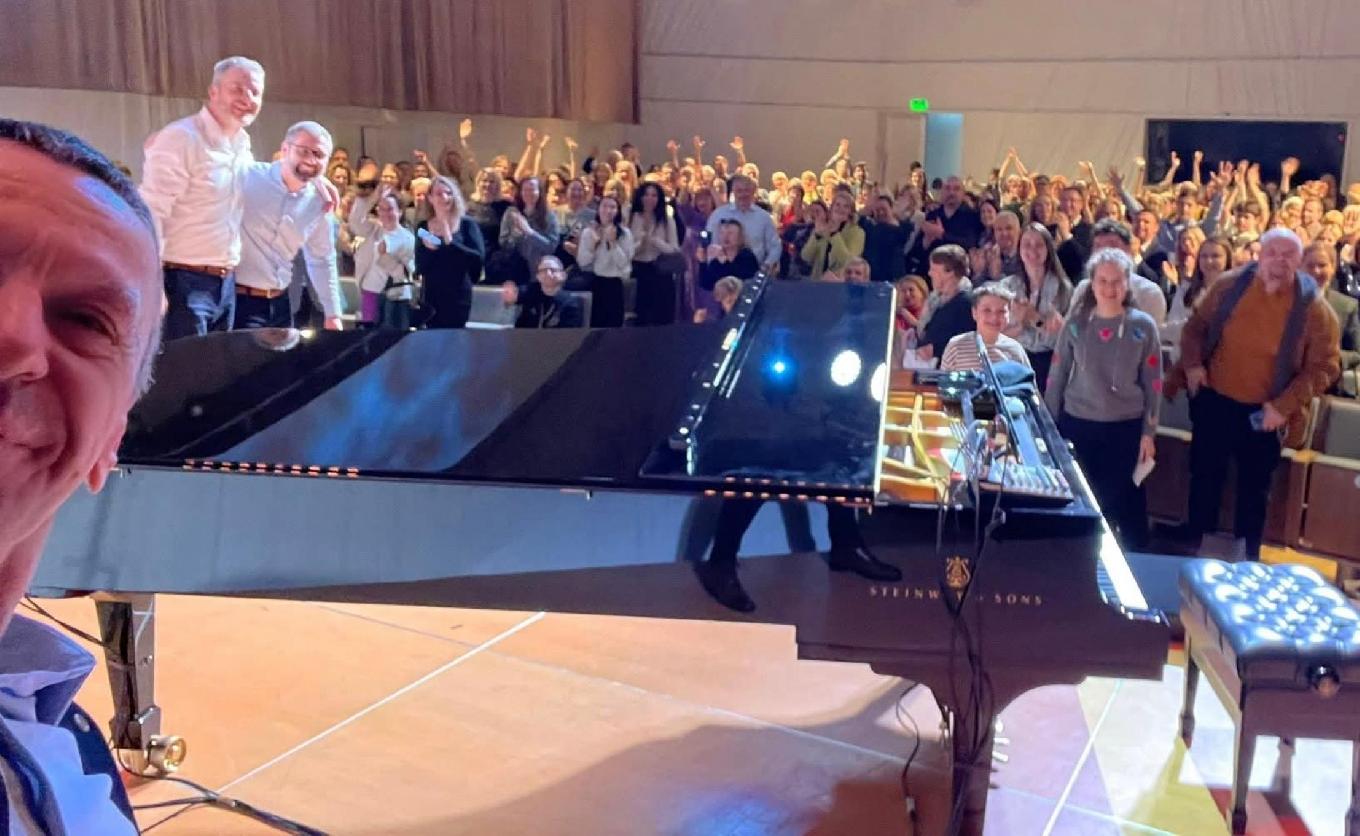
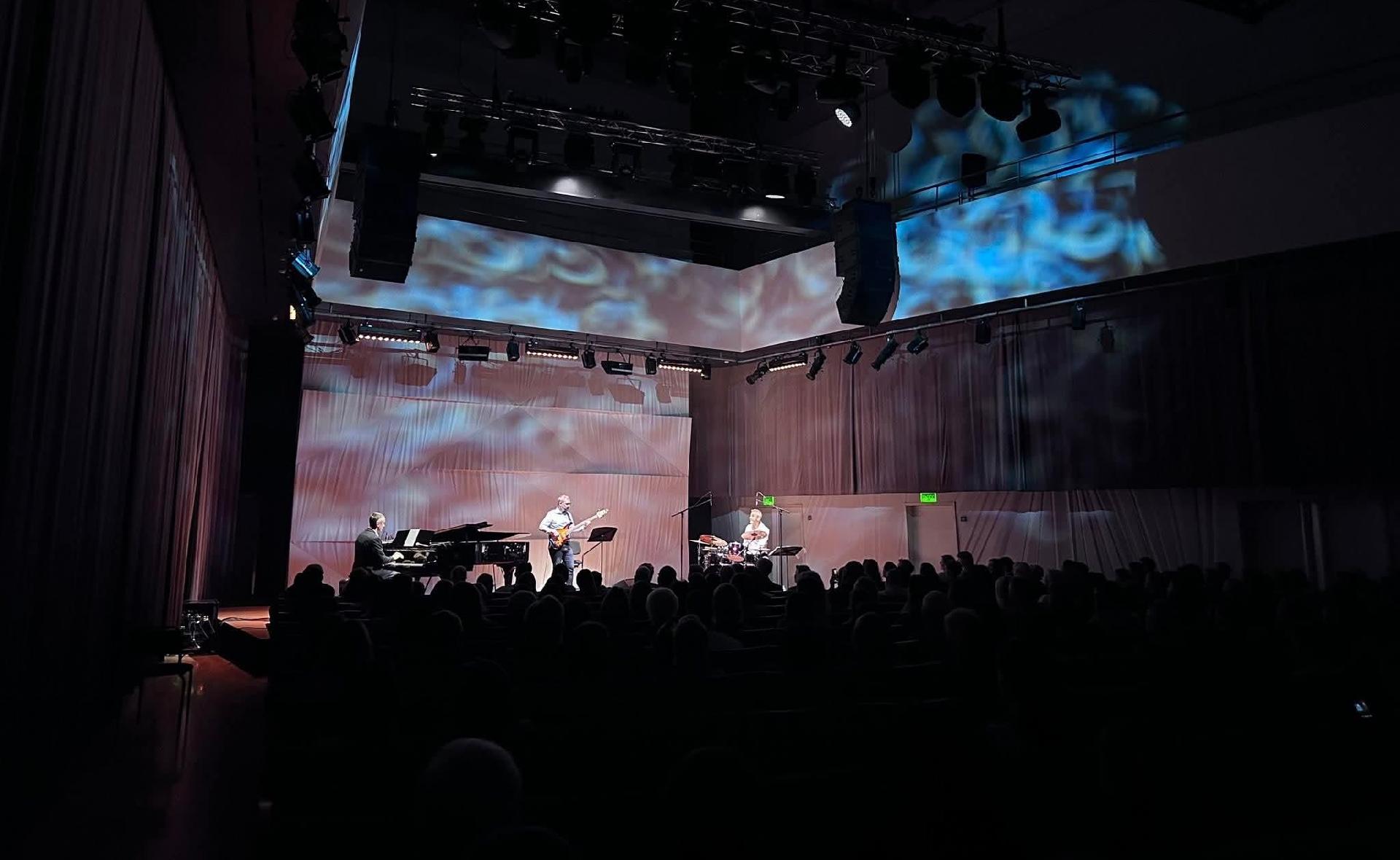
The spring musical focus then shifted toward jazz thanks to the Russian tour of the Péter Sárik Trio, one of Hungary’s most popular jazz ensembles, which embarked on a twelve-stop tour between 12 and 30 March. During the tour, sold-out concerts were held in cities including Lipetsk, Kostroma, and Yaroslavl, attracting nearly 900 attendees in total. This marked the third Russian tour of the Péter Sárik Trio, where the group enjoys remarkable popularity. Their success is due in part to the fact that their performances often resemble pop or rock concerts, even when they perform at the Liszt Academy or in the most prestigious concert halls. Among the highlighted venues were the Saint Petersburg Jazz Philharmonic, while the tour concluded on 30 March at Moscow’s Zaryadye Concert Hall.
Alongside musical productions, the cultivation of national identity also received special attention. On 12 March, to mark the anniversary of the 1848–49 Revolution and War of Independence, the Embassy of Hungary in Moscow and the Liszt Institute jointly commemorated the heroes of the revolution at the embassy building. In his festive address, Ambassador Norbert Konkoly emphasised the importance of the ideals of freedom, self-determination, and solidarity. Students of the Ferenc Liszt Music School enhanced the evening with excerpts from works by Brahms, Liszt, and Bartók. The organisers also considered younger guests by setting up a children’s corner, where Hungarian-speaking children were entertained with creative activities and popular Hungarian board games. Guests were welcomed with traditional Hungarian food and drinks, further strengthening the sense of belonging and the intimacy of the celebration. The event created an opportunity for the Hungarian community living in Moscow and Russian guests interested in Hungarian culture to meet and celebrate together.
Providing opportunities for learning the Hungarian language also remained in focus in recent months. The online conversation club Zsákbamacska, organised to develop speaking skills and spontaneous communication, attracted significant interest in March. The sessions covered a wide range of topics, including archaic expressions, proverbs, terminology, Hungarian slang, fashion, gastronomy, and economics. On 10 March, the topic of the club, in connection with International Women’s Day and the Day of Women’s Human Rights, was famous Hungarian women around the world. In recent months, language-learning and educational programmes were also organised for students of Hungarian studies at Saint Petersburg State University.
One of the most outstanding events of April was the performance of the award-winning Inversedance – Zoltán Fodor Company at the Saint Petersburg Dance Open Festival. At the festival, they presented their production Ten Little Clues, inspired by Agatha Christie’s famous novel Ten Little Indians (also known internationally under later revised titles). The performance centres on the interpretation of crime as a moral dilemma, built around ten symbolic clues. In the original story, a perfectly planned and executed series of crimes unfolds, with protagonists—and victims—who are ordinary people that have, knowingly or unknowingly, committed some form of wrongdoing that has not received appropriate punishment or absolution. In Inversedance’s surreal new production, individual destinies emerge, prompting the audience to ask themselves: are we victims or guilty parties, and can we act against either once we recognise it—or once it is revealed to us? The performance achieved great success, drawing nearly four hundred spectators to see the contemporary Hungarian dance production.
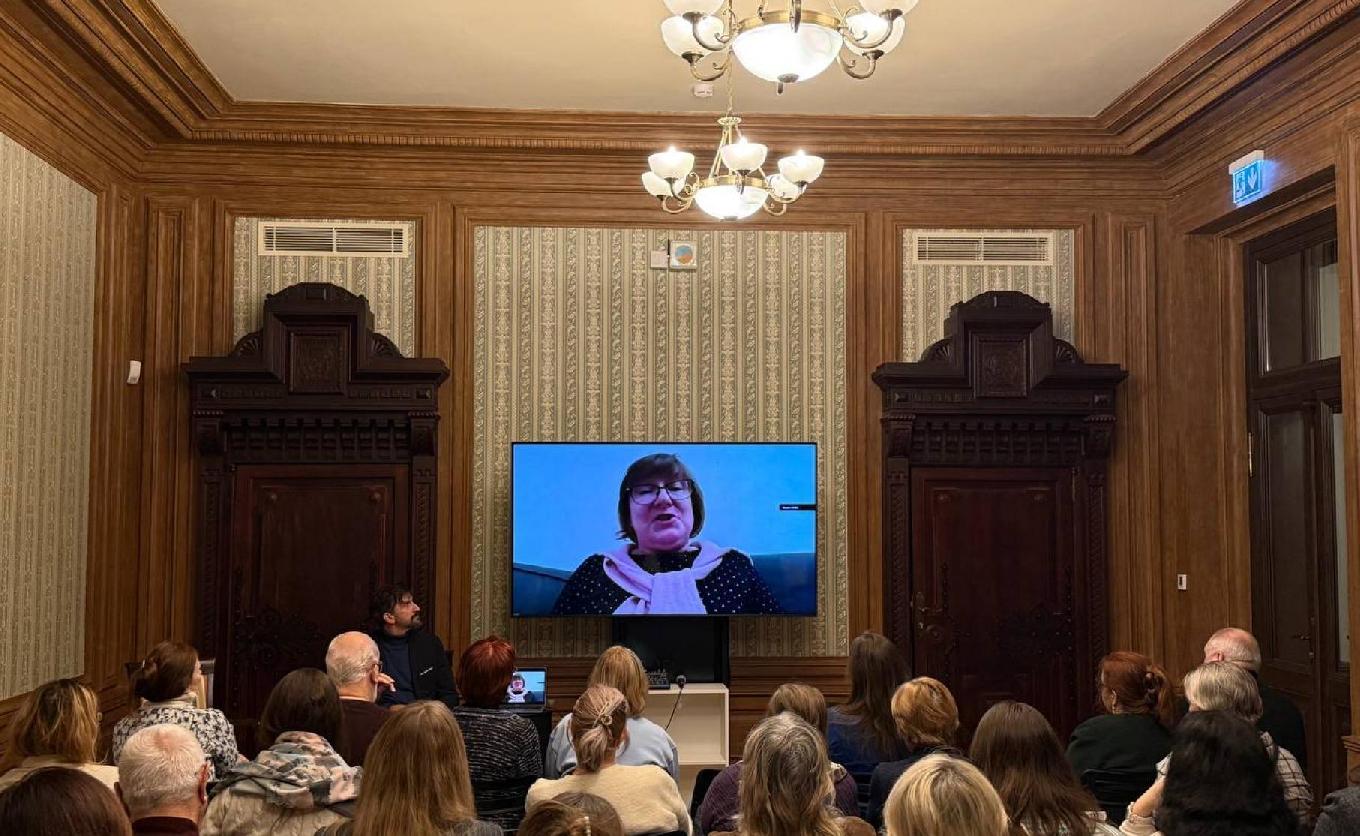
March also saw the launch in Moscow of the series The History of Hungarian Film. The aim of Russian film scholar Anton Mazurov’s lecture series is to present the history of Hungarian cinema. The programme began with an introduction to the work of György Pálfi and was attended by 120 participants, clearly demonstrating the broad interest Hungarian film generates.
The programmes realised in March and April once again proved that the Moscow Liszt Institute is a key actor in the international presentation of Hungarian culture. The success of the musical, cinematic, linguistic, and community events all contributed to strengthening interest in Hungarian values in Russia.