The Liszt Institute Zagreb became a cultural hub of Zagreb this spring
Over the past few months, the Liszt Institute Zagreb has strengthened Hungarian–Croatian cultural relations through a number of large-scale cultural events. Organized by the institute, the film “Magyar Menyegző” (Hungarian Wedding) was screened in Zagreb with great success, while the Hungarian Radio Children’s Choir embarked on a concert tour across Croatia. In addition, the institute also engaged Croatian audiences through a fashion event and a contemporary art exhibition. The common aim of these events was to showcase the diversity of Hungarian culture, art, and traditions, while also strengthening dialogue between the two countries.
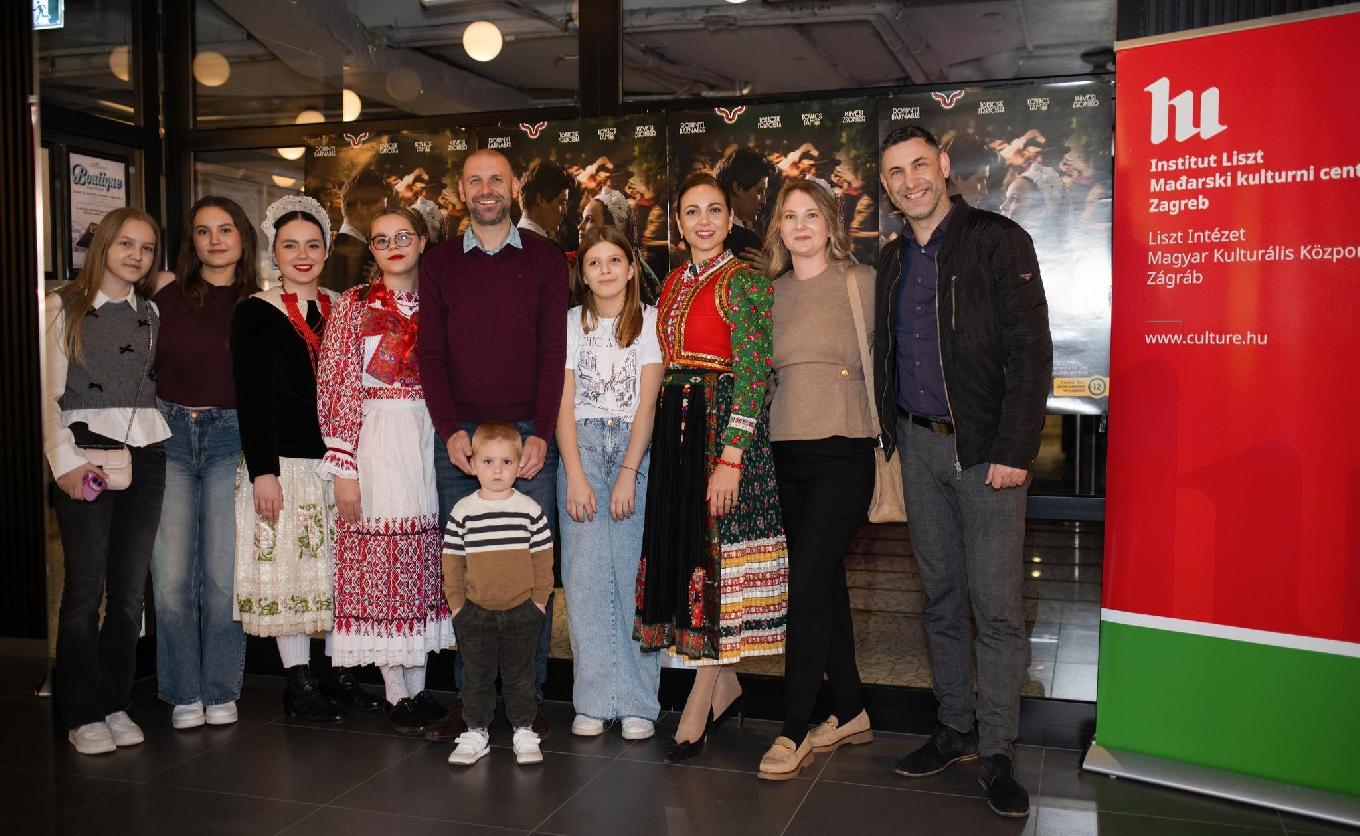
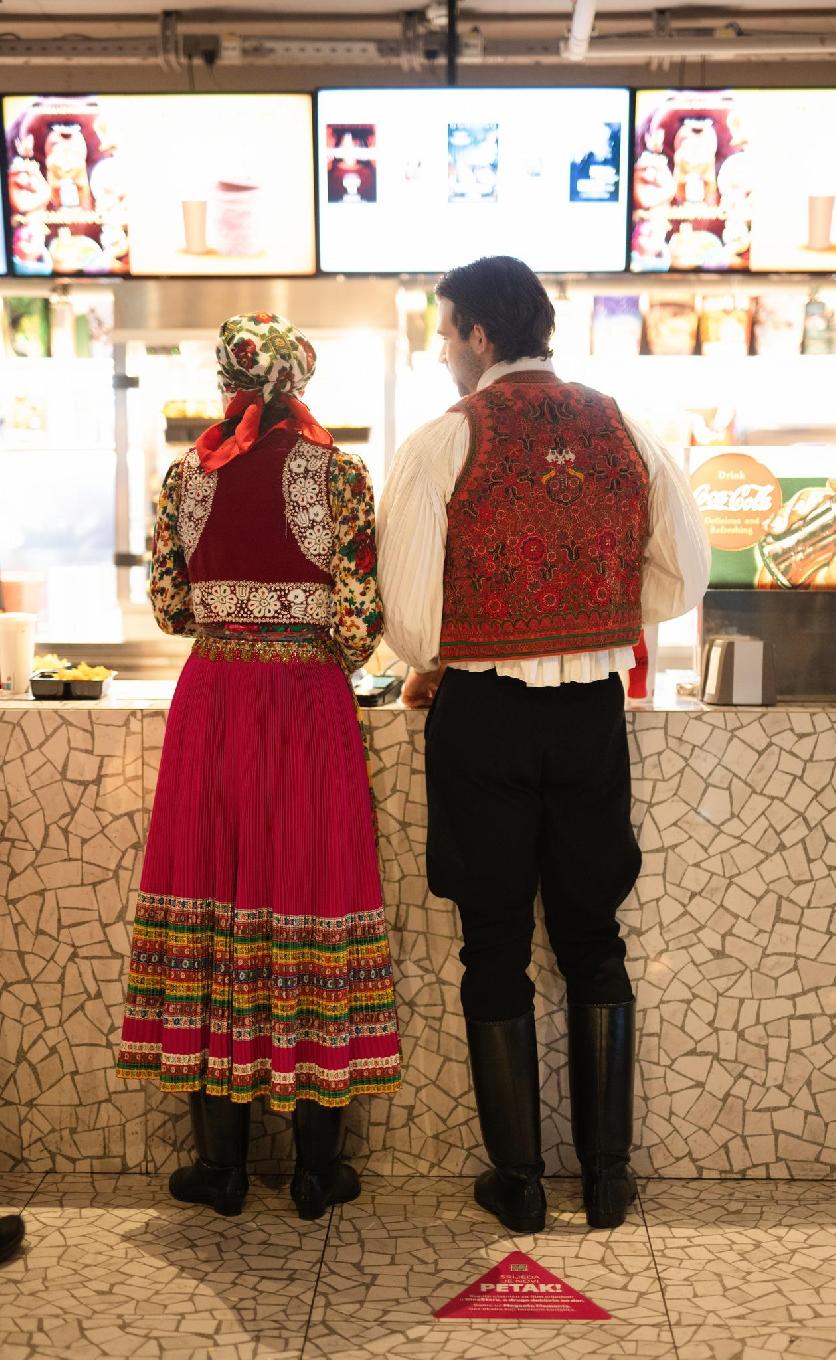
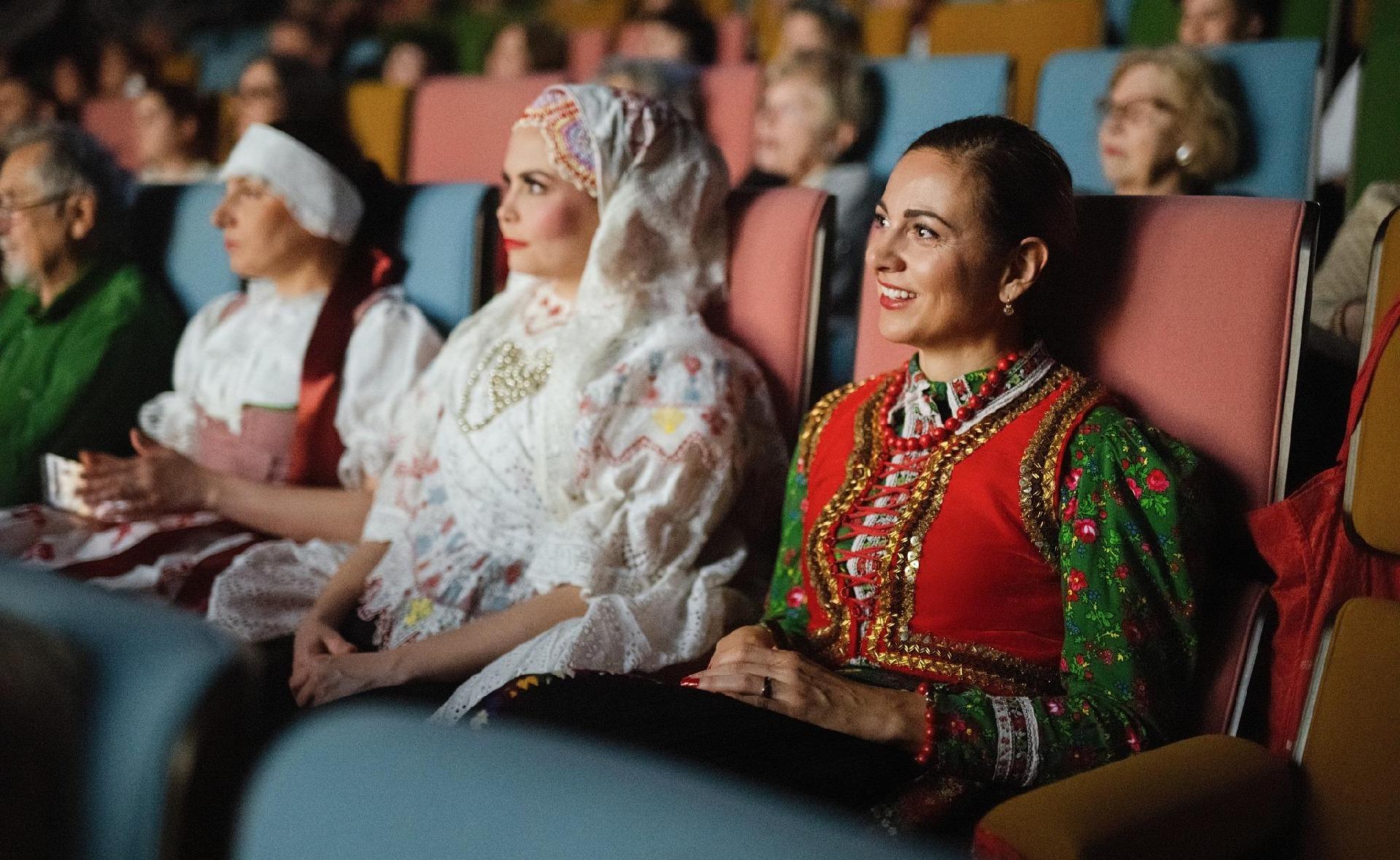
One of the outstanding events of March was the grand premiere of the film “Magyar Menyegző” (Hungarian Wedding) in Zagreb, which attracted considerable public interest. The institute chose the capital’s most beautiful cinema, Kaptol Boutique Cinema, as the venue for the screening. On behalf of the organizers, the audience was welcomed by institute director Dr. Anna Mladenovics, dressed in traditional folk costume from Kalotaszeg. The evening’s special guests included renowned folk artists: Anita Huđek, solo dancer and singer of the LADO Croatian National Folk Dance Ensemble; Balázs Ertl, dancer of the Recirquel Company, who also appeared in the film; and Anna Zsófia Tókos, dancer of the Hungarian National Dance Ensemble. Their presence gave the evening exceptional artistic credibility, and after the screening, the invited guests also took part in a discussion with the audience. An especially unique feature of the event was that, at the institute’s initiative, many guests themselves arrived wearing folk costumes. Among them were members of the Bosiljak Croatian Cultural and Educational Association from the Zagreb suburb of Čučerje, dressed in traditional Prigorje costumes and accompanied by association president Davor Gabud, as well as Martina Tóth Vidačić, who wore a Czech folk costume she had created together with her mother over the course of twenty years. Audience members spoke emotionally and appreciatively about the film. Encouraged by the success of the screening, attended by several hundred people, there are already plans to present the film at additional venues throughout Croatia in the future.
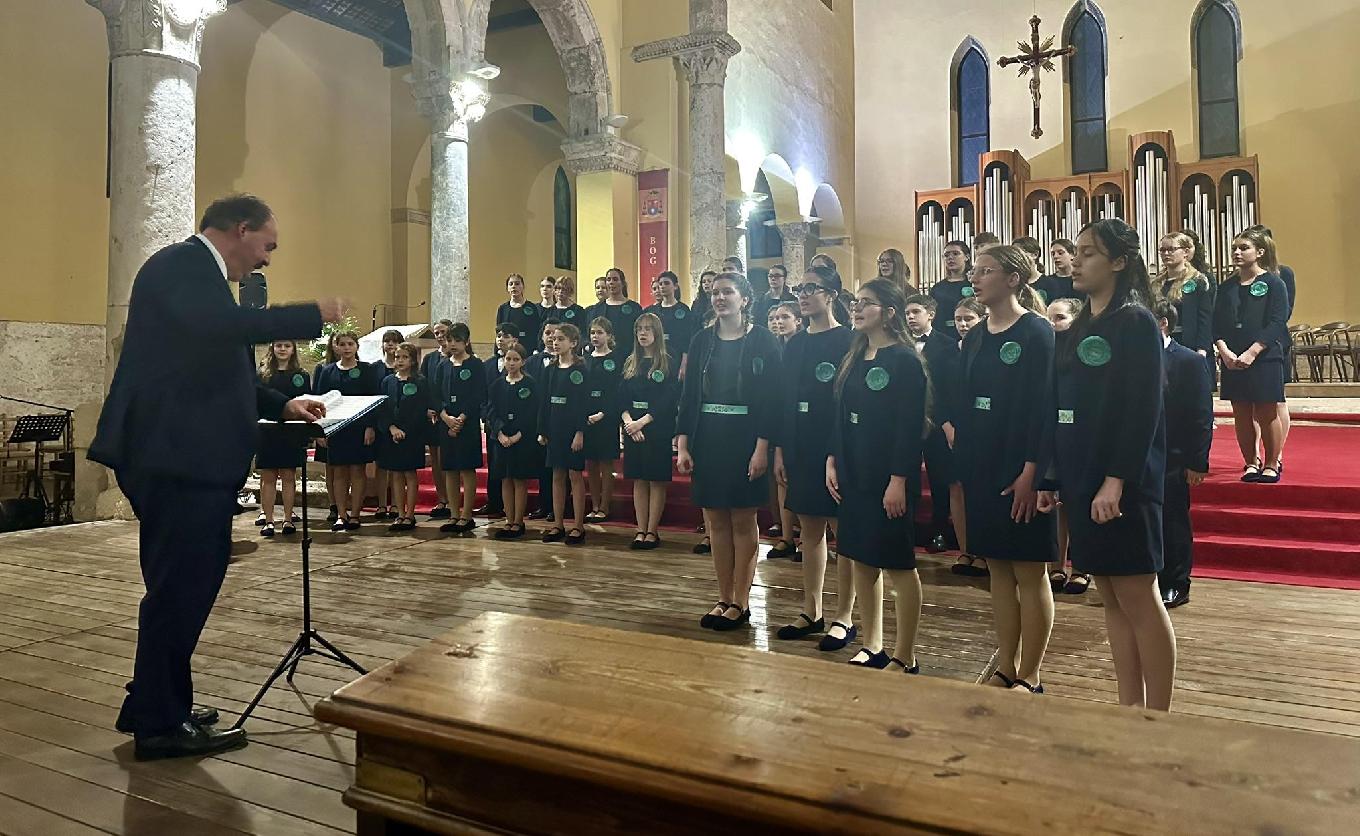
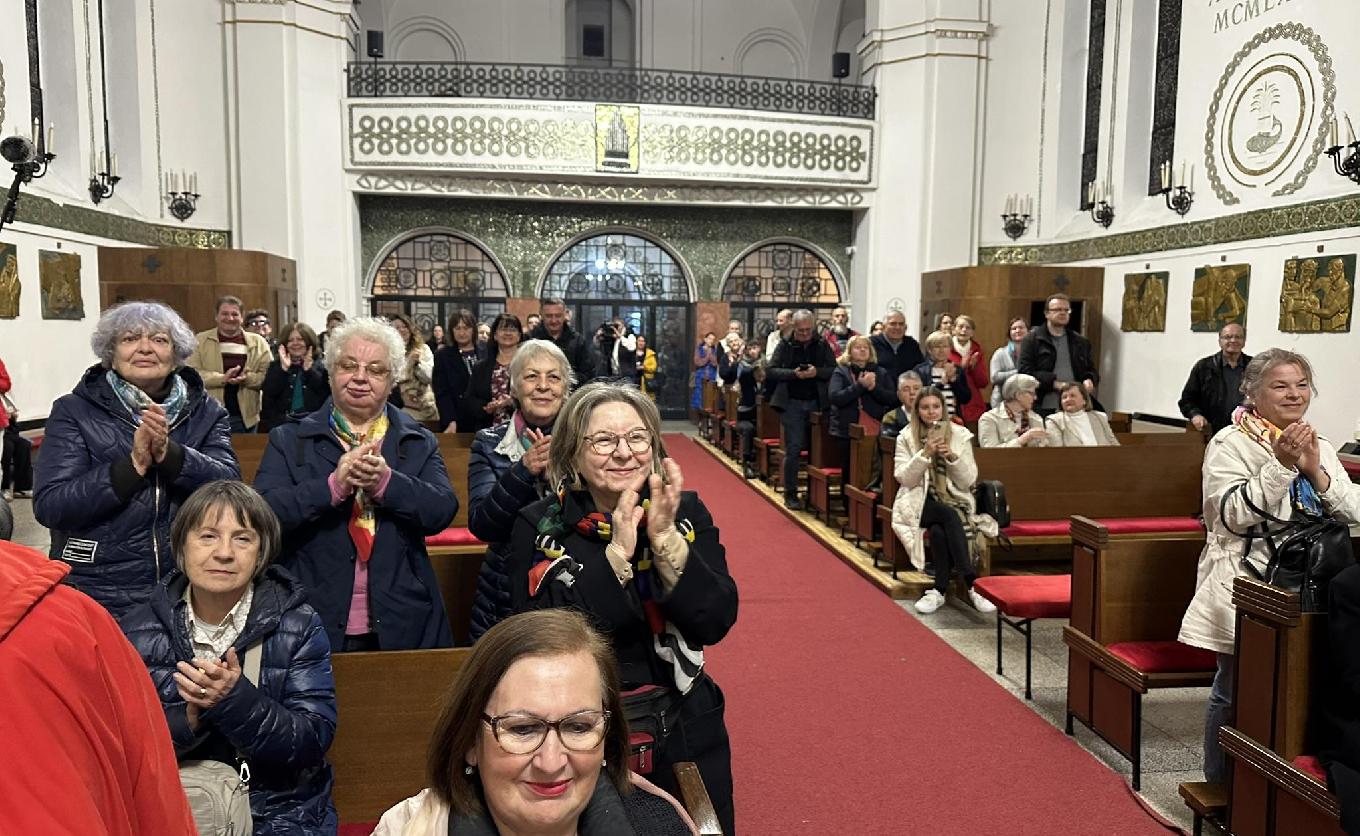
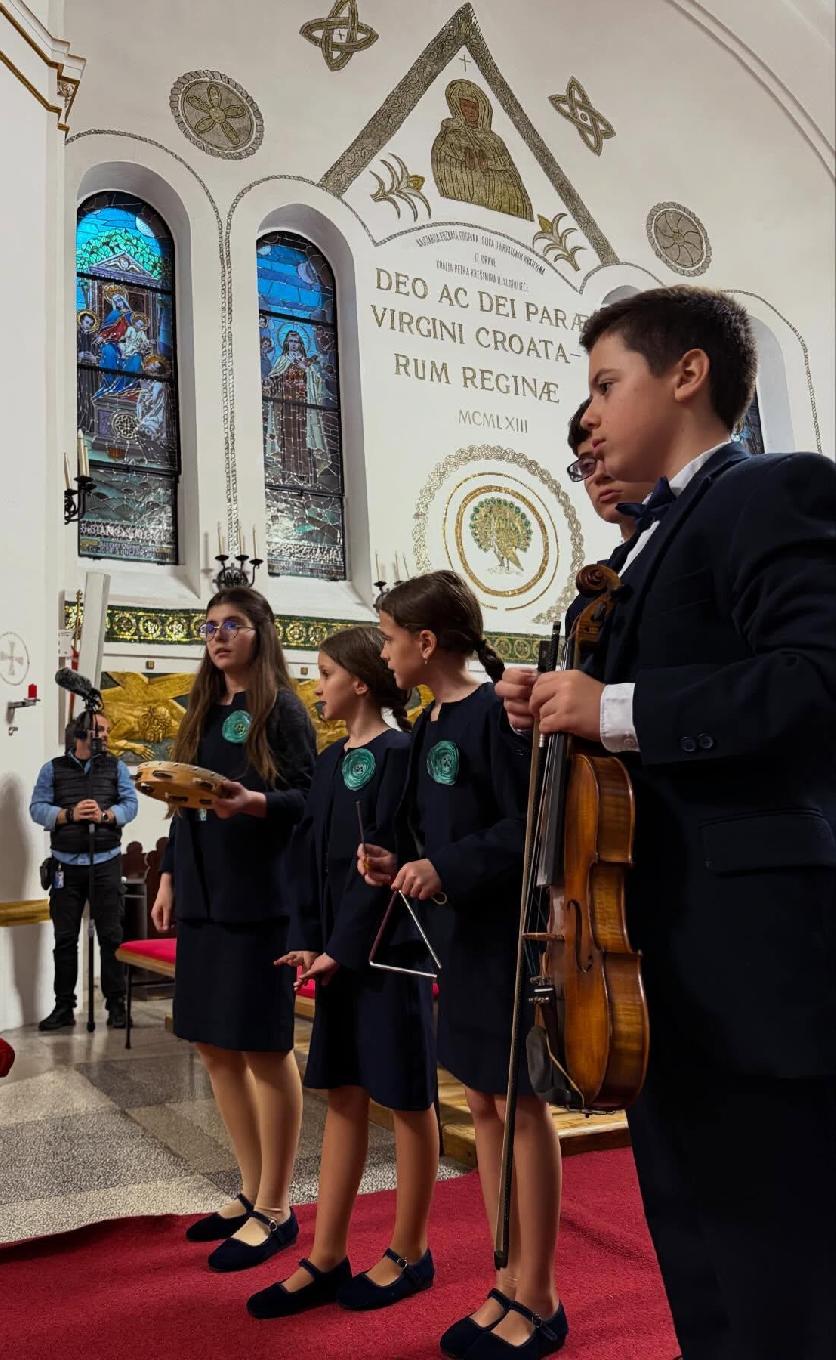
In April, the Hungarian Radio Children’s Choir completed a successful concert tour in Croatia organized by the institute. The first stop of the tour was Zagreb, where the choir performed at St. Peter’s Church in the city center (Petrova Church), allowing audiences to hear sacred works alongside Hungarian folk songs. The choir was conducted by Soma Dinyés, assisted by associate conductor Magdolna Szűcs. The concert was exceptionally successful, attracting more than 100 attendees. After Zagreb, the next stop was Rovinj, where mainly secular pieces were performed. At the beginning of each concert during the tour, institute director Dr. Anna Mladenovics delivered welcoming remarks introducing the internationally acclaimed children’s choir, which has a history spanning more than 70 years. The next stop was Pula, where the concert took place in the Cathedral of the Assumption of the Blessed Virgin Mary. During their stay in Pula, the children also participated in a guided sightseeing tour organized with the support of the local Hungarian community. Audiences at every venue received the performances with great appreciation.
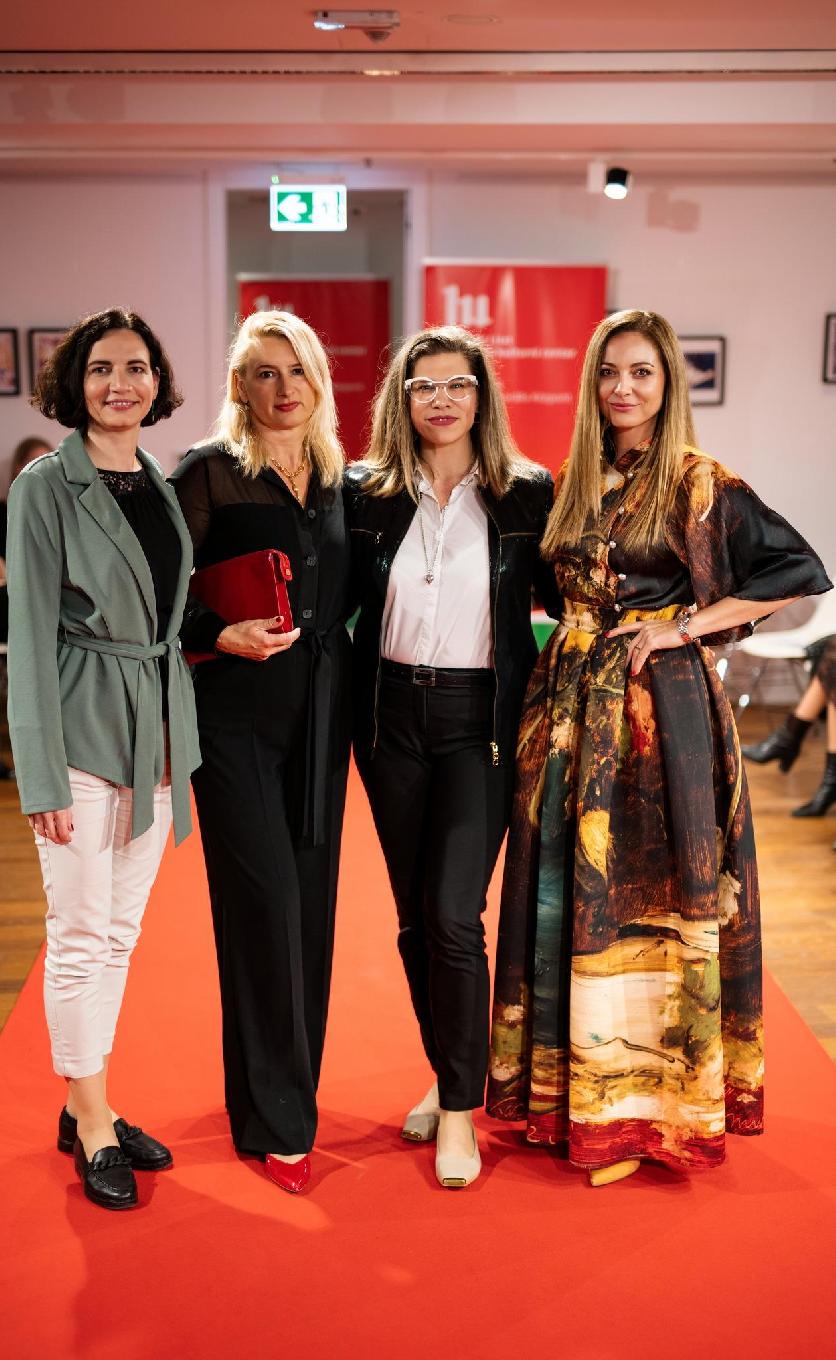
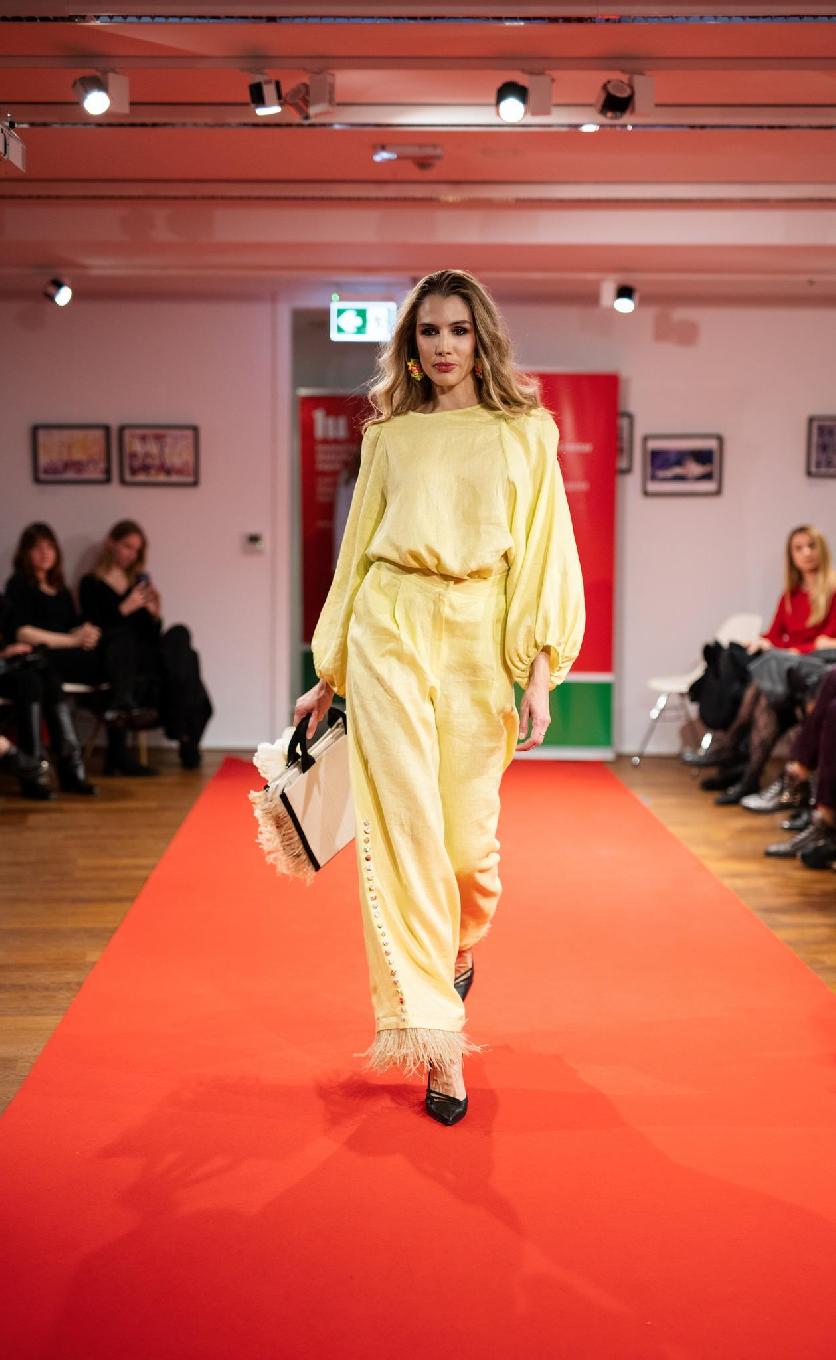
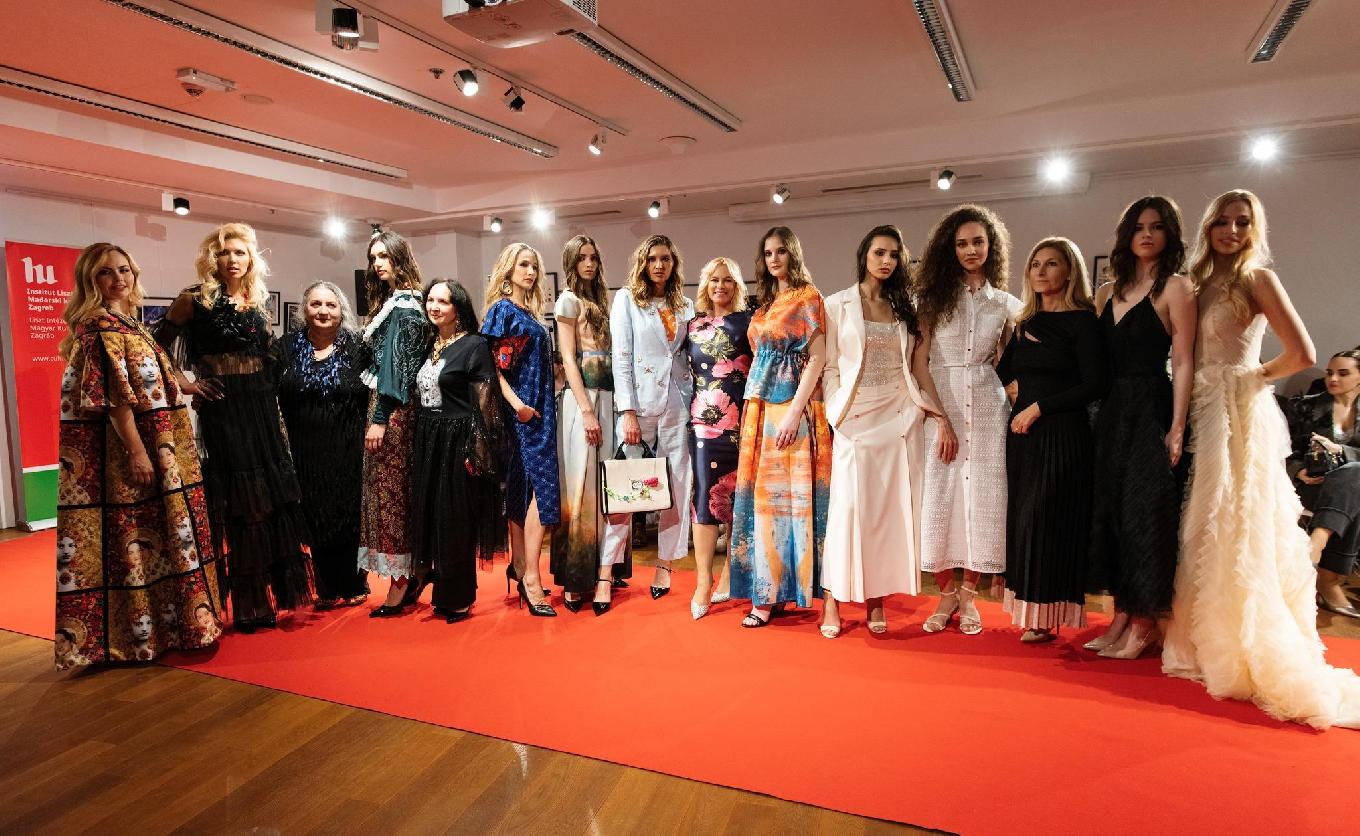
The next major event in the institute’s life was the Meet The Designer event, aimed at introducing Hungarian fashion designers to Croatian audiences. Three Hungarian designers were featured at the event: Croatian audiences were able to encounter the creations of Boglárka Bódis, founder of Elysian Atelier, for the first time; Erika Kovács (KE Fashion) presented her collection titled TERrA in Croatia; while Romani Design showcased its garments as the third participant. The evening was conceived and organized by the institute’s director, Dr. Anna Mladenovics, while the moderator was Robert Sever, designer and a well-known figure in Zagreb’s creative scene. In her opening speech, Anna Mladenovics spoke candidly: presenting Hungarian designers in Croatia is not merely about fashion, but about identity and the dialogue that strengthens relations between the two countries. Fashion, just like art or sport, creates connections that transcend language and politics. The event was held to a full house, and among the guests the institute welcomed numerous models, diplomats, designers, and influencers.
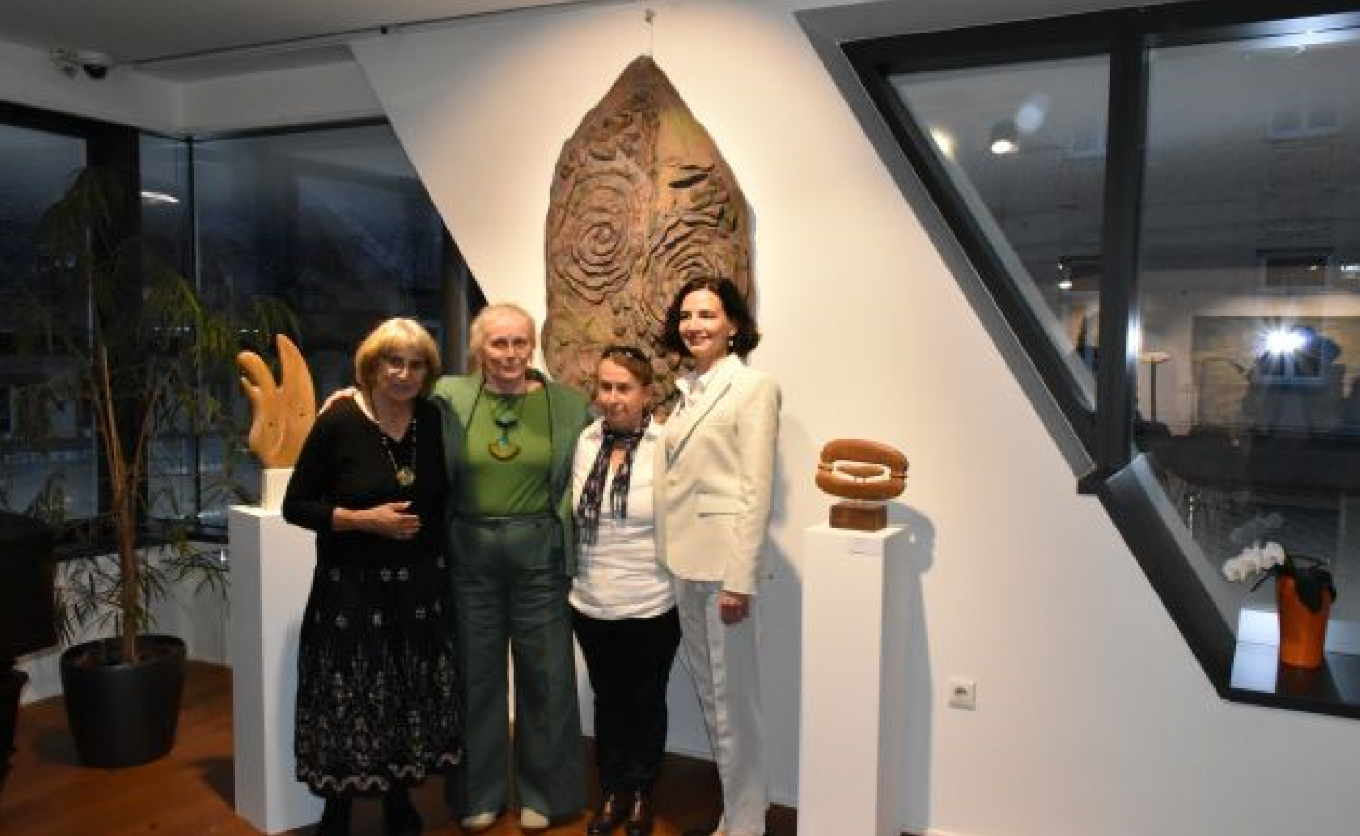
Last week, the institute opened the multimedia exhibition Mester Hármas (Master Trio), presenting the works of three distinguished artists — Éva Kun, Lívia Tóth, and Enéh Erzsébet Veress. In this exhibition, ceramics, textile art, and sculpture come together in a shared artistic and human dialogue. The exhibition was opened by art critic Sanda Stanačev Bajzek, president of the Croatian Association of Fine Artists and Art Critics, and art historian Péter Módy. The opening ceremony was made even more festive by violin performances from Enéh Kinga Konkoly. The event was attended by the deputy mayor of Veresegyház, as well as an entire delegation from Szentpéterfa, including the principal of the local school, the president of the Croatian local government, and several interested residents.