The exhibition Hungarian Bride from the National Museum can also be seen in Zagreb
Source: kultura.hu
The Hungarian National Museum’s highly successful temporary exhibition has opened its first foreign pop-up edition, which can be seen from September 17 to October 14 at the Liszt Institute Zagreb. The large-scale exhibition was on display for eight months at the Hungarian National Museum.
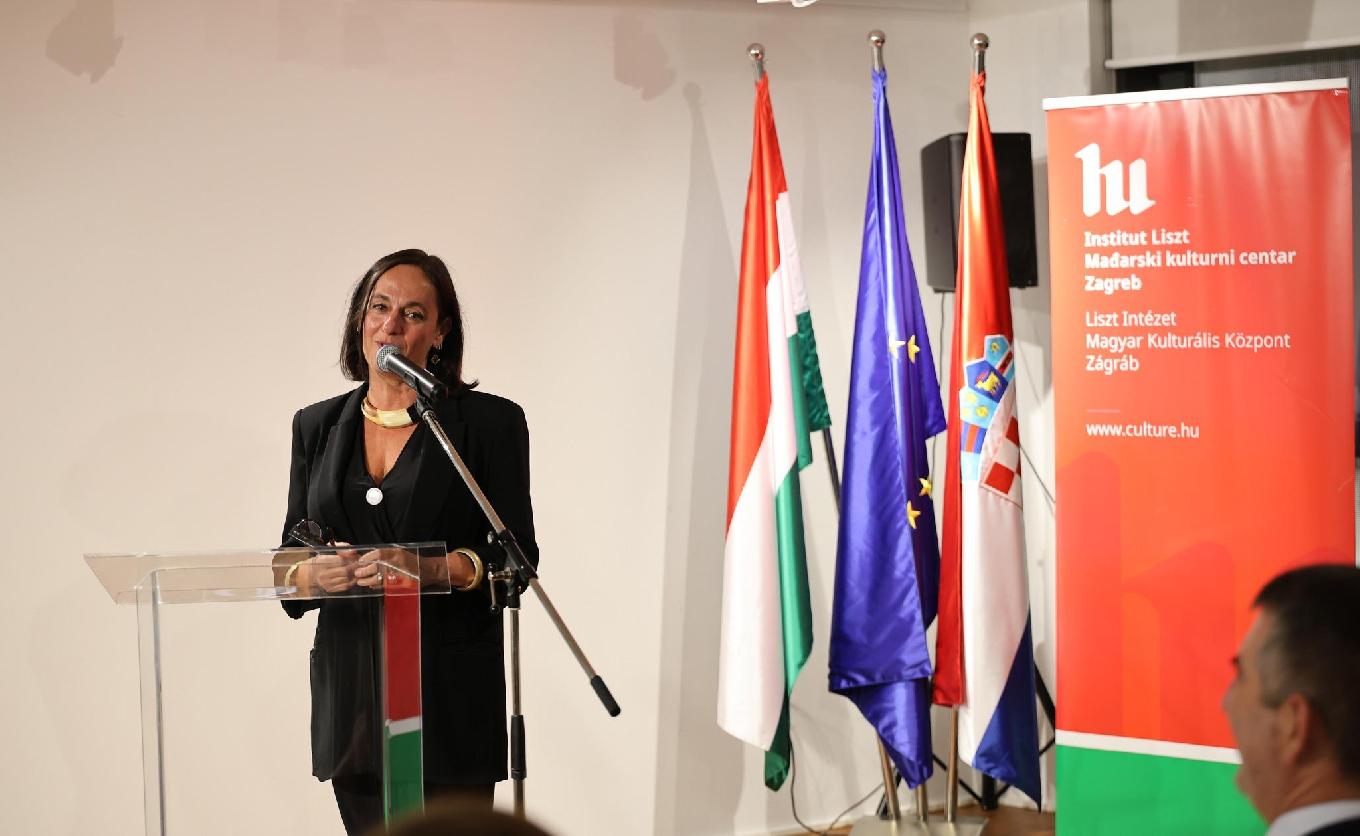
The opening ceremony began with a welcoming speech by Dr. Anna Erzsébet Mladenovics, Director of the Liszt Institute. As she stated, the Hungarian Bride is not just an exhibition, but a living collection, and the organizers are still welcoming contributions.
Dr. Csaba Demcsák, Ambassador Extraordinary and Plenipotentiary to Croatia, emphasized in his speech that the task of the Liszt Institutes is to showcase Hungary, the country’s diversity, and the richness of Hungarian culture through unique initiatives. He noted that this is a truly special exhibition. In addition to the famous brides who historically connected the Croatian and Hungarian peoples – Ilona Árpád-házi, Ilona Szép, and Ilona Zrínyi – the unsung heroes of everyday life are those brides in mixed marriages who continue to connect the two countries today.
The exhibition was presented by the exhibition’ s curator, Dr. Ildikó Simonovics. In her speech, she highlighted:"On December 13, 2023, on St. Lucy’s Day, we opened the Hungarian Bride exhibition at the Museum of the Hungarian Nation, fulfilling a dream I had 13 years ago. Thirteen years ago, while working on another community project, I wondered what topic could reach the most people and, through its organization, community-building, and collection, turn the future audience into a large crowd. That topic turned out to be none other than love."
Following the opening, Croatian MP Róbert Jankovics emphasized the importance of the Liszt Institutes system, noting that such high-quality events, programs, and exhibitions would not be possible without the dedication of the staff.
Mixed handshakes
The opening was made even more special with presentations of four Croatian-Hungarian marriages, and attendees received first-hand advice from the couples themselves.
The organizers and curator Dr. Ildikó Simonovics wanted to present the National Museum’s most successful exhibition of recent decades – which also won the Exhibition of the Year 2024 award in its category – beyond Hungary, reaching a wider audience and building a larger community around the project. The curator’s mission and the project’s goal are to create the largest collection of images and stories of Hungarian marriages ever – from within and beyond the Carpathian Basin – accessible online to everyone. During the Zagreb exhibition, the organizers encourage visitors to share their special, heartfelt stories of Croatian-Hungarian marriages, which will be uploaded to the online gallery of the Hungarian Bride: https://magyarmenyasszony.hu/feltolt.
Princesses and Commoners
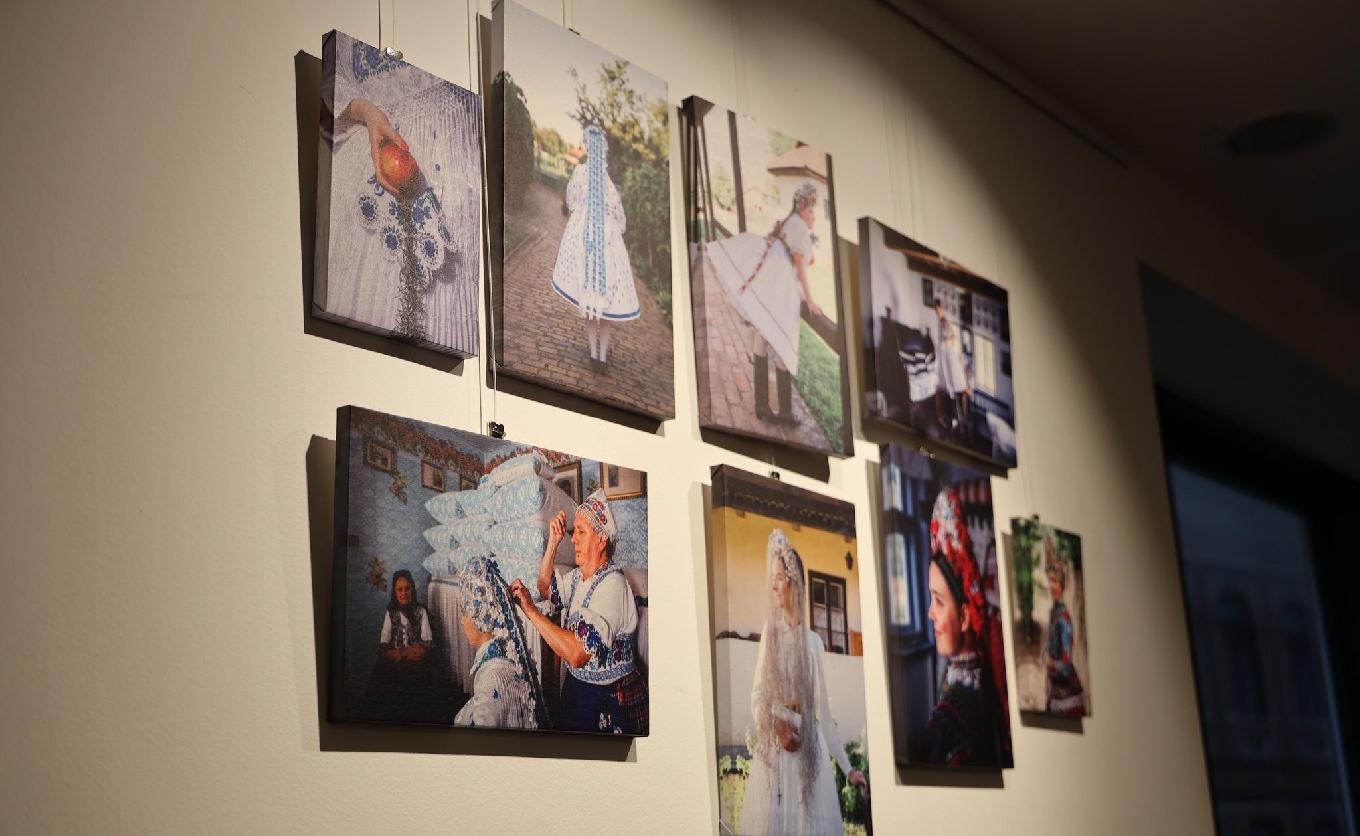
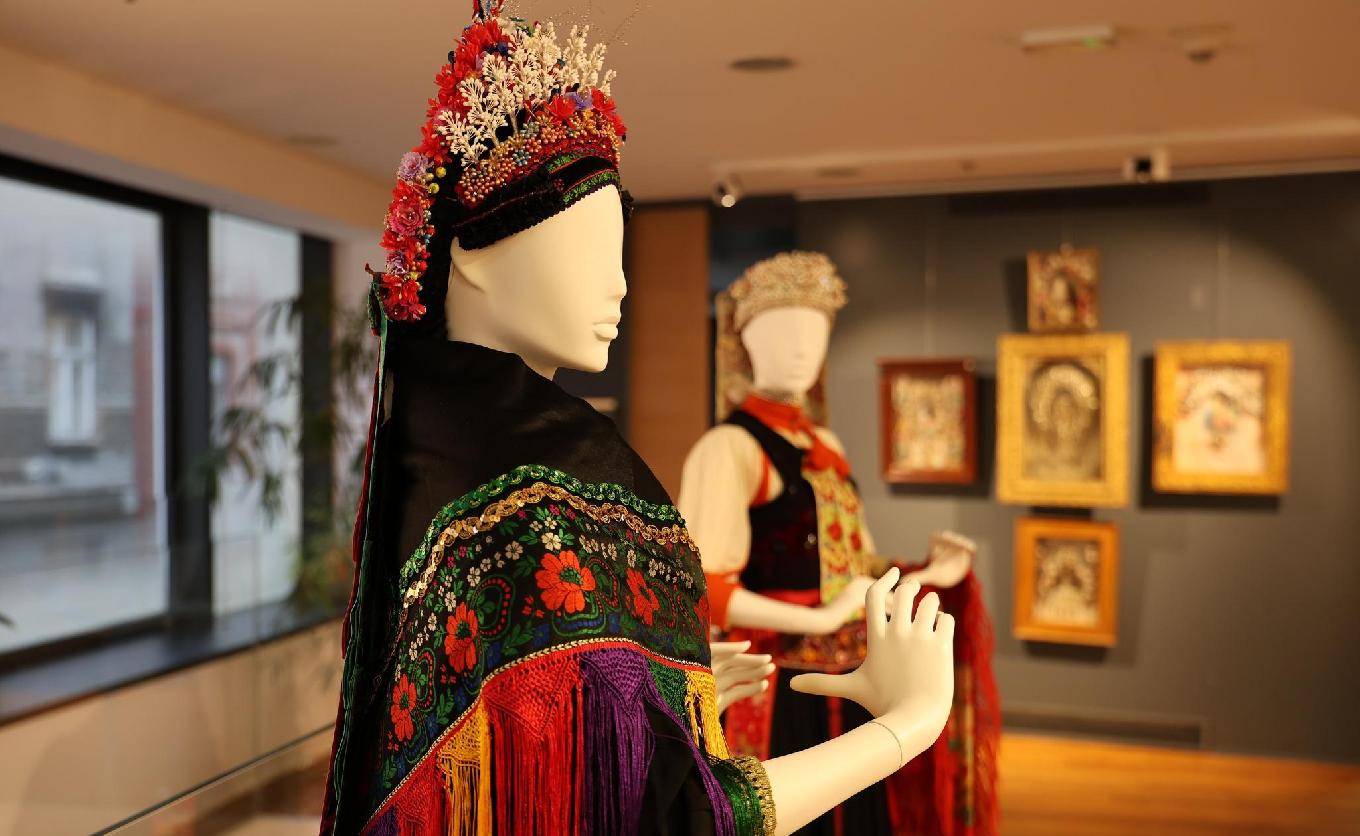
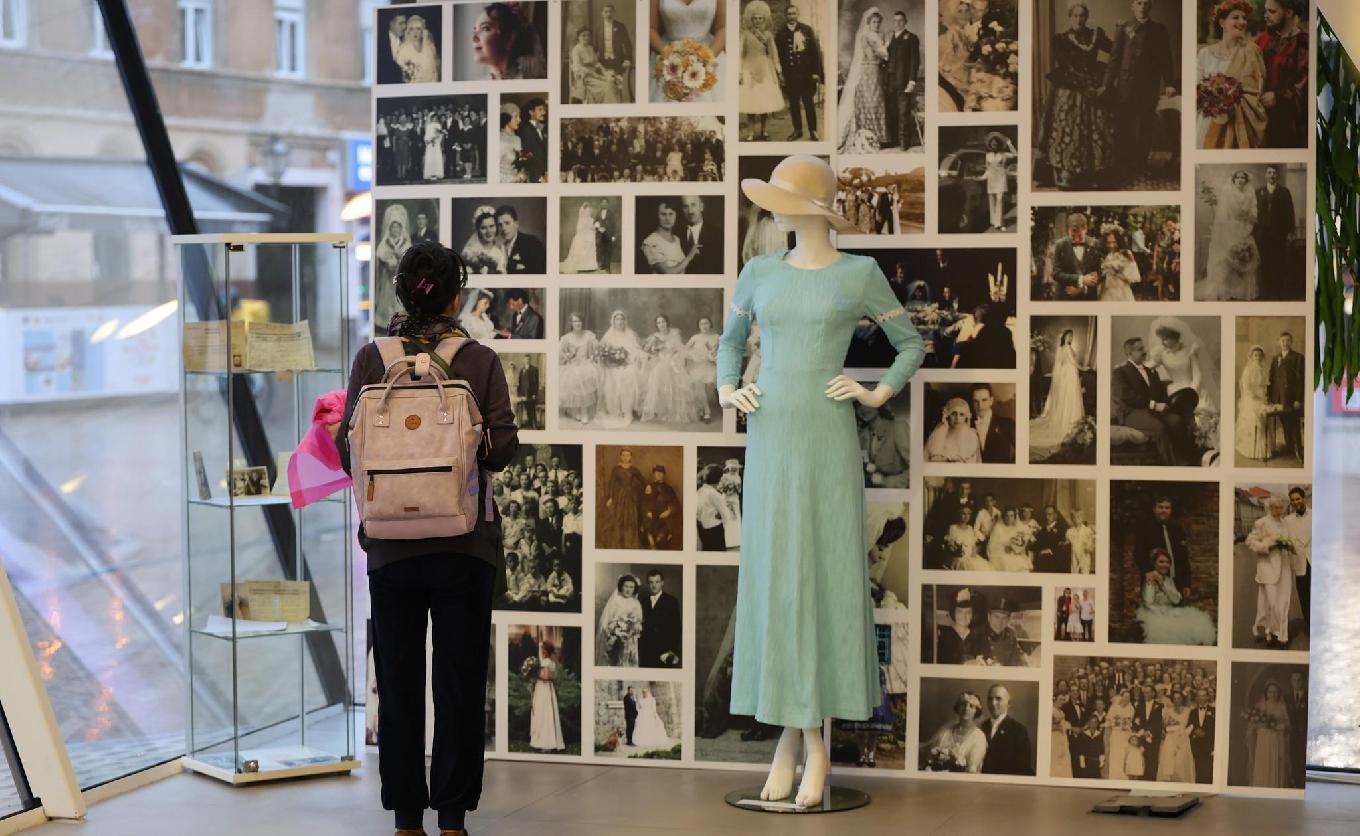
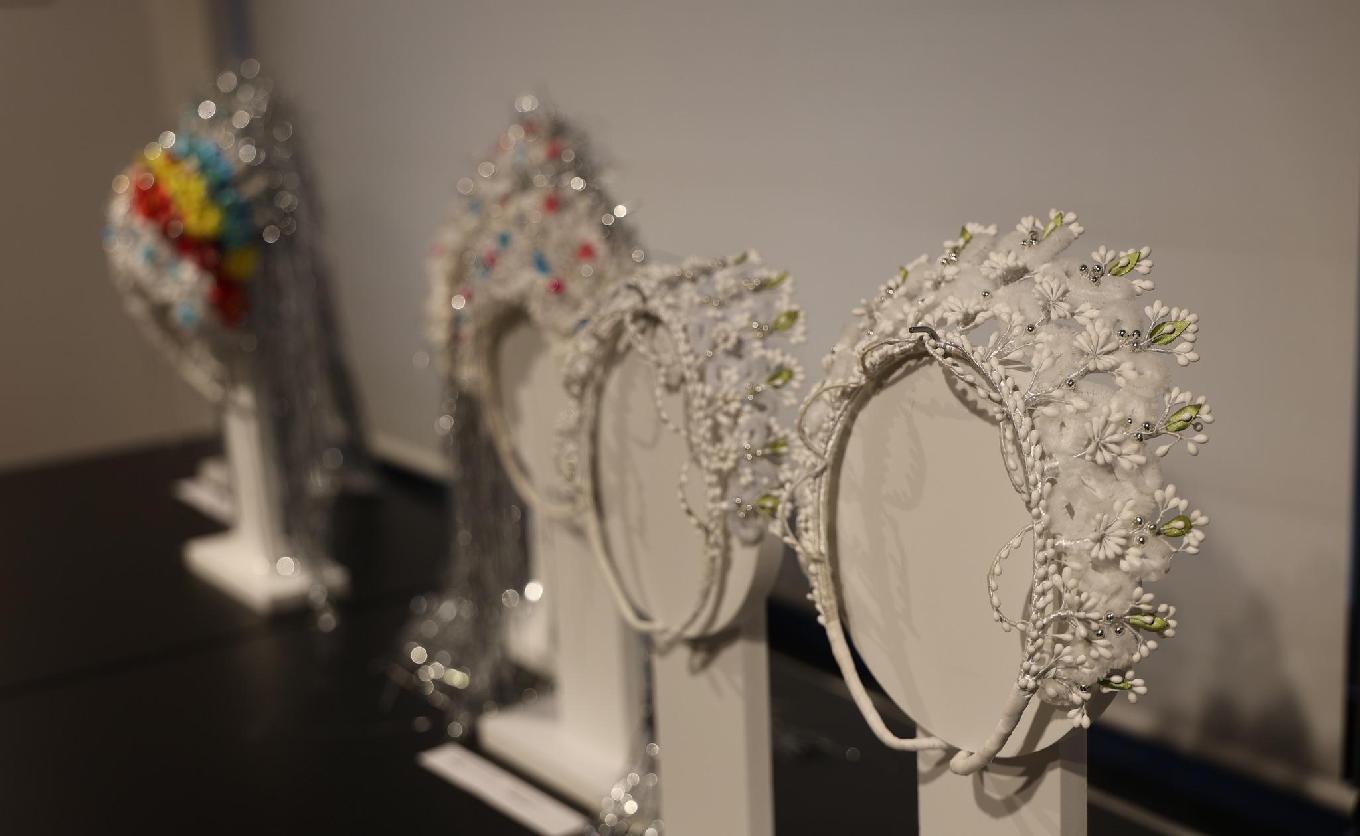
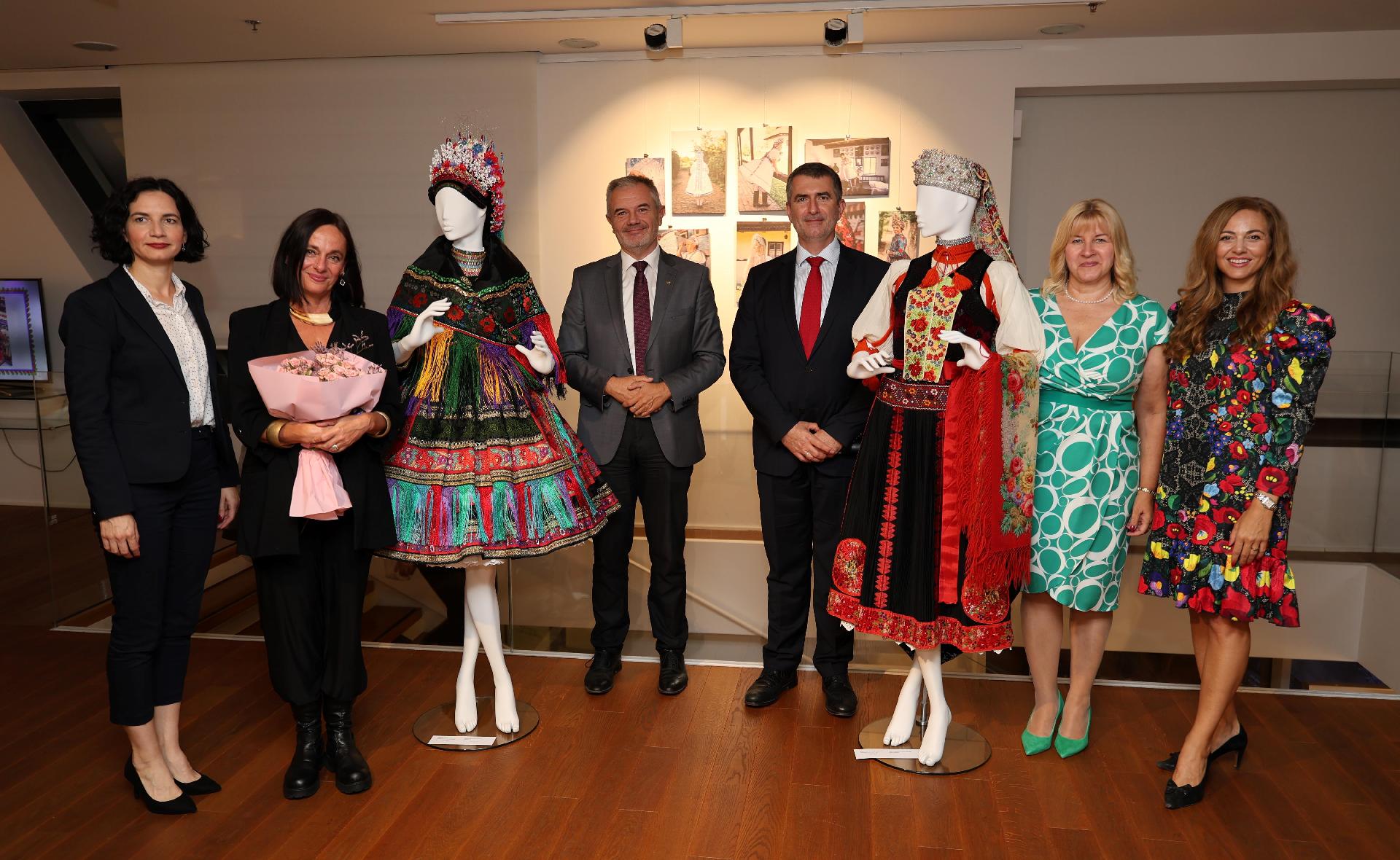
The pop-up exhibition – like the main exhibition – spans 500 years, highlighting changes in the social position of Hungarian women and how women, couples, and families have approached marriage in the past and today. Alongside historical princesses and commoners, the lives and fates of contemporary girls and women are brought to life in the travelling version’s 22 stories. The popular interactive element from the Budapest exhibition – try-on bridal wreaths – also travelled with the pop-up exhibition. Girls of all ages can wear bridal wreaths from Matyó, Sárköz, Báta, Veresegyháza, and Tamási and have their photos taken, experiencing what it was like to be a bride dressed in traditional costume, perhaps inspiring them to try it themselves. The highlights of the exhibition include the bridal dresses – both white and folk costumes – and framed wedding souvenirs made from wreaths symbolizing the virginity of the brides.
The exhibition will be on display at the Liszt Institute Zagreb until October 14, 2025.
Source of pictures: kultura.hu