The Diverse Face of Hungarian Culture in India
This autumn, the Liszt Institute Delhi once again showcased the richness and inspiration of Hungarian culture, spanning the arts, education, and community experiences. During the early autumn period, the Indian audience had the opportunity to explore unique facets of Hungarian creativity and cultural heritage through three special events, ranging from the world of children’s imagination to contemporary circus arts.
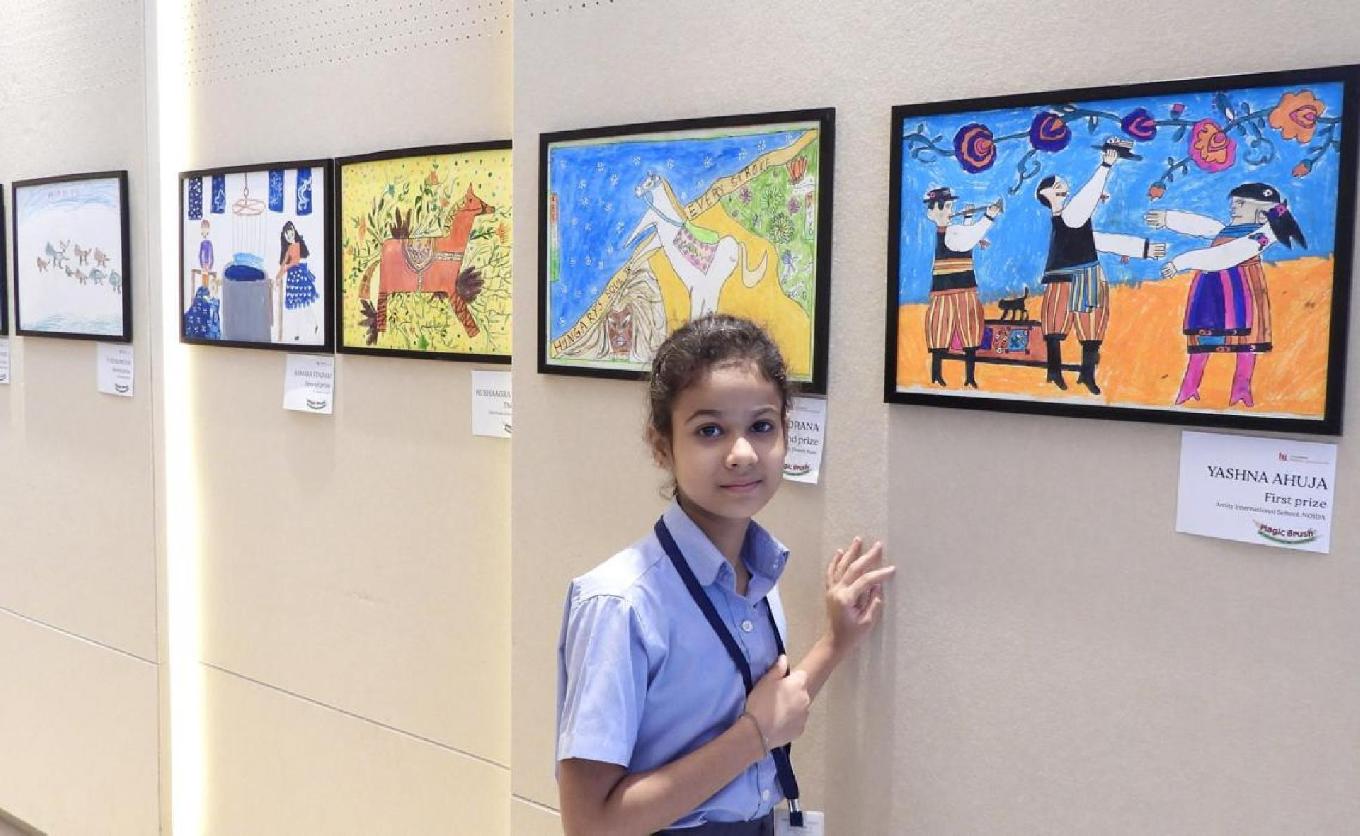
The awards ceremony for the Liszt Institute Delhi’s traditional Magic Brush drawing competition was held on September 15, with more than three hundred students participating this year from thirty-four different schools in Delhi and its surrounding areas. The theme of the competition was Hungarian UNESCO intangible heritage, and the children’s creations reflected motifs from the folk dance movement, the Busójárás festival, and Matyó embroidery. Winners and special prize recipients in the four announced categories received shopping vouchers supported by Bahrisons Bookstore. The event offered a memorable experience not only for the participating students but also for disadvantaged children. Several students from the Global Family and MIMA organizations were among the awardees, making the program a true community celebration where art also served the purpose of promoting social inclusion.
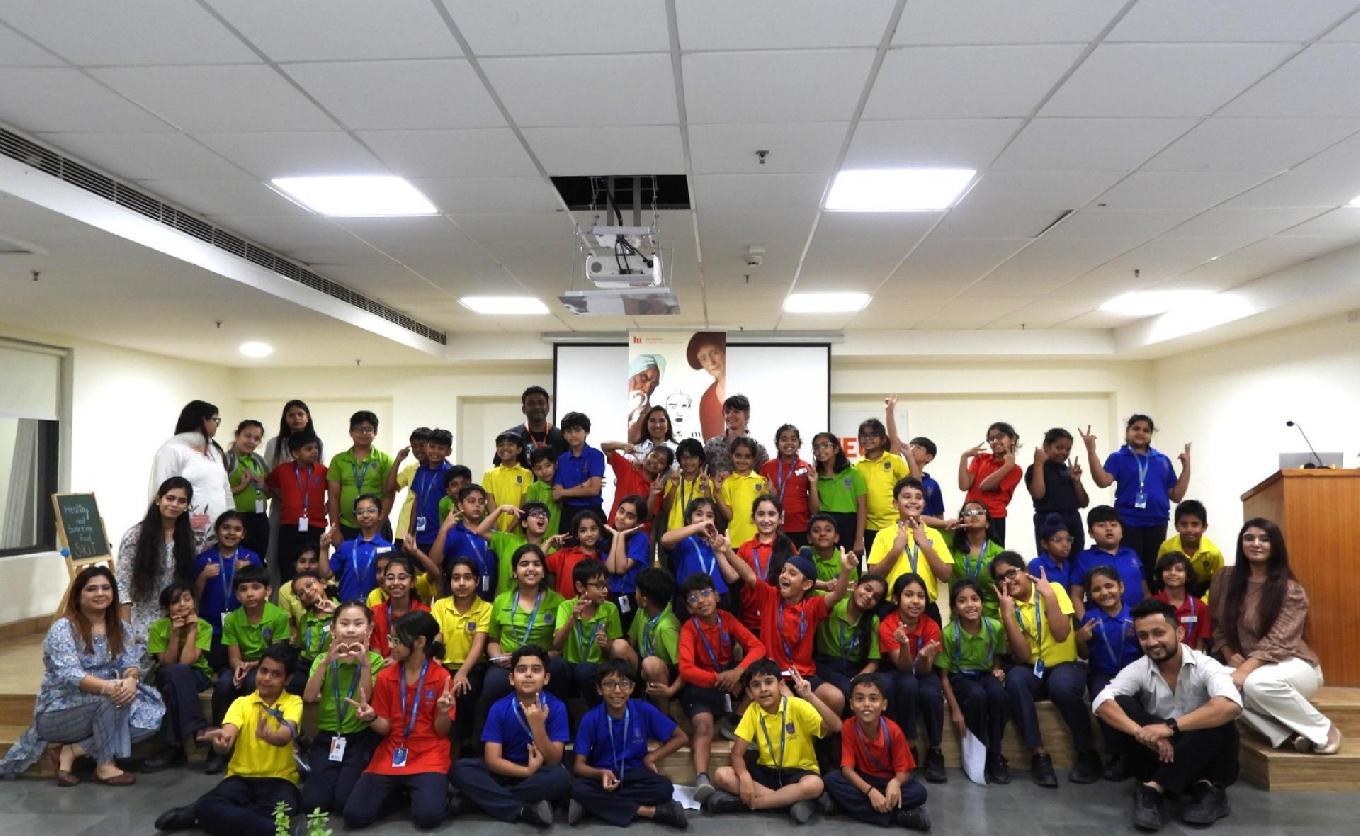
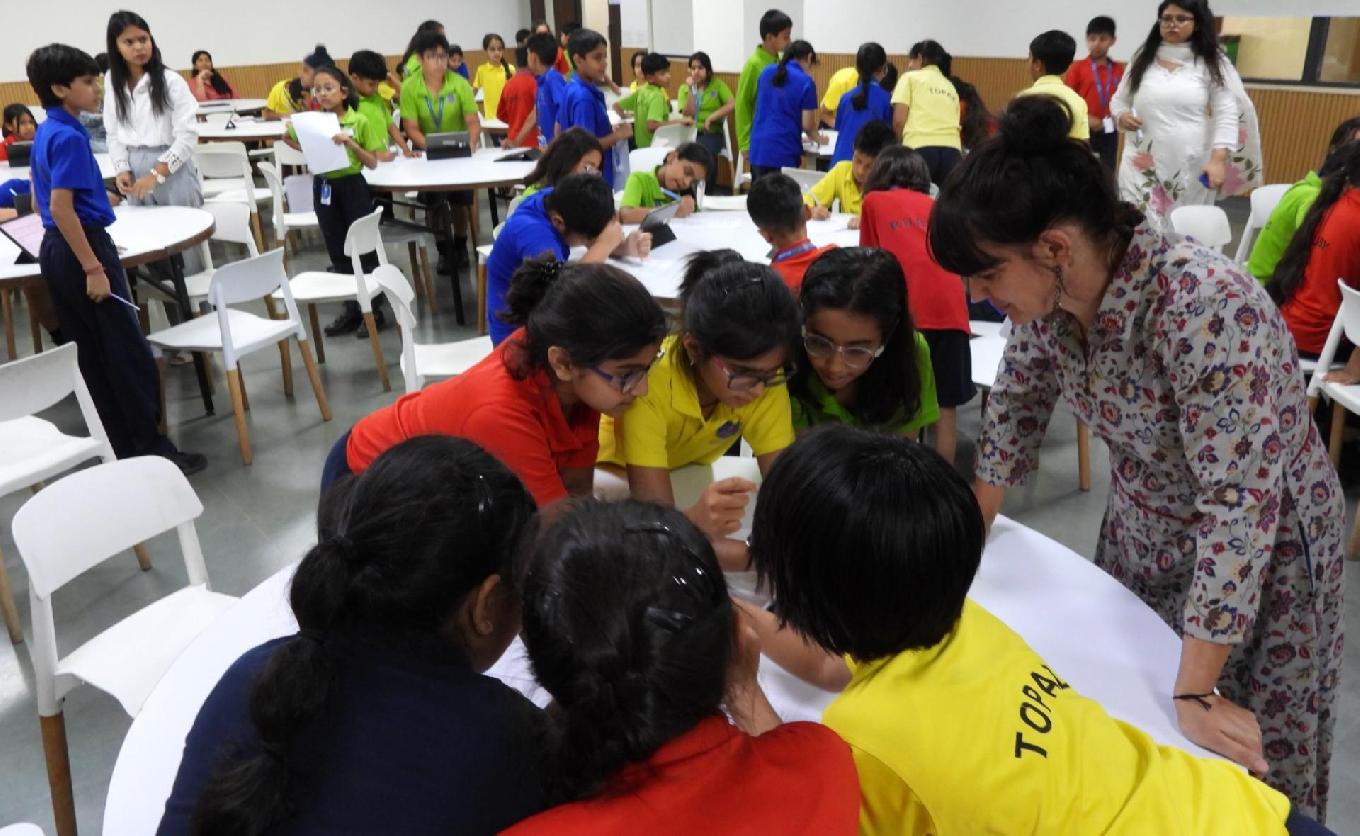
A few days later, on September 22, the Liszt Institute Delhi visited the Prometheus School in Noida as part of the Amrita Goes to School program. The interactive session introduced students to the life and work of Hungarian-Indian painter Amrita Sher-Gil, highlighting her Hungarian roots. Using a short film and an activity book, the students explored the connection between art and identity. As part of the AMRITA project, launched in 2023, the Institute regularly conducts similar interactive lessons in schools across Delhi and its surroundings, aiming to engage young people with Hungarian culture and art in a playful and experiential way. This time, the school which follows the international curriculum, addressed the theme of “migration” with its 3rd and 4th graders, making Amrita’s story a perfect fit for the educational program. The children participated with great enthusiasm, and through learning about Hungarian culture and the life of the painter, they also gained an understanding of how different cultural roots can enrich one another.
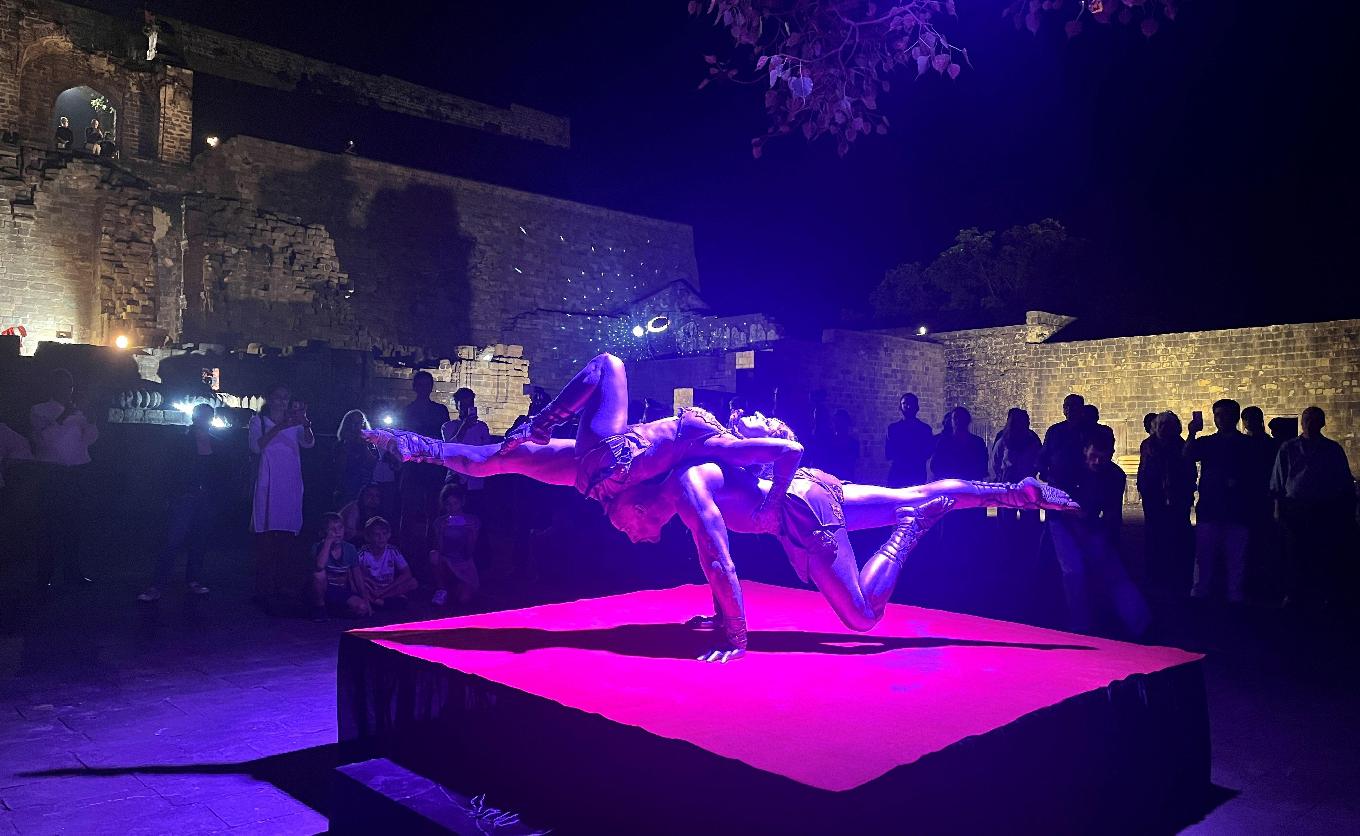
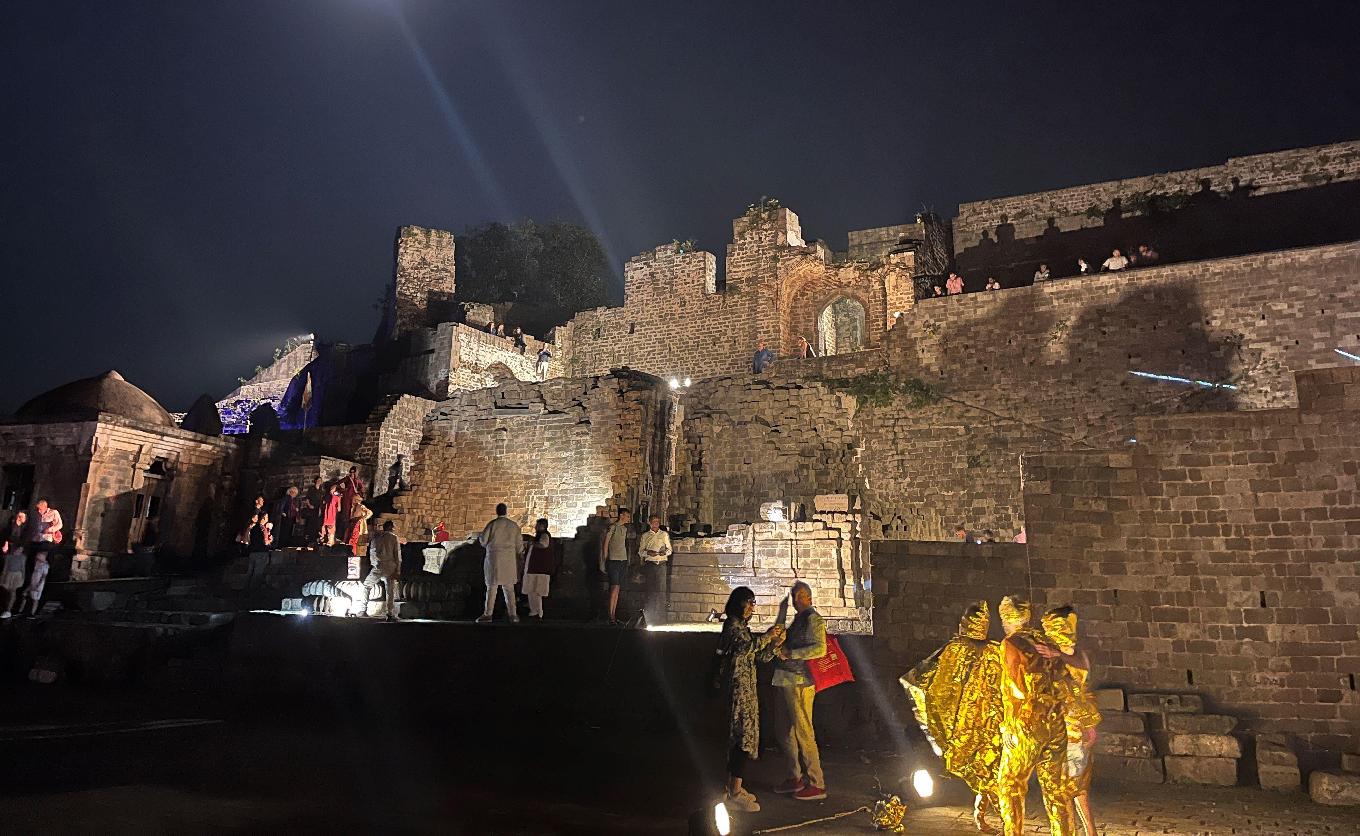
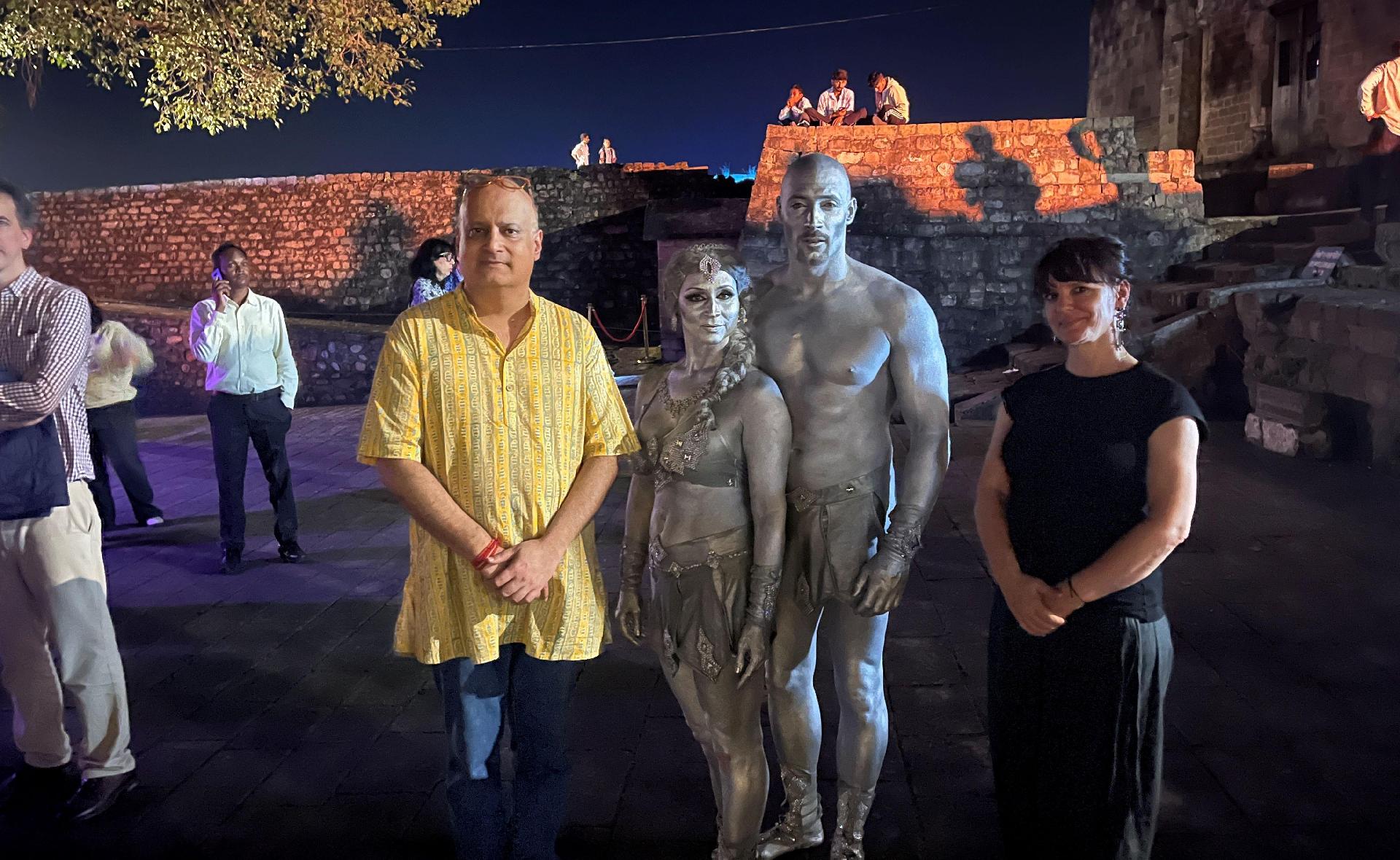
In early October, the Liszt Institute Delhi represented Hungary for the third time at the Panorama Festival in Dharamshala, northern India, one of the country’s most unique multidisciplinary arts events. The festival was held at the Kangra Fort, built in the 4th century BC in Himachal Pradesh near the city that serves as the home of the Dalai Lama. This year’s festival’s theme was “Strength.” Within the ancient walls, artists from various countries presented their installations and performances, including the Hungarian Silver Power duo, Anita Füzy and Krisztián Kránitz, who traveled to India as performers from the Budapest Circus. Their impressive strength act carried symbolic meaning beyond the physical performance representing the balance between male and female energies, raw power, and the subtlety of movement, all accompanied by meditative music and a silvery visual aesthetic that captivated the audience. The festival’s main patron, Maharaja Aishwarya Dev Chandra Katoch of Kangra, attended the event in person. The closing highlight was the Hungarian duo’s ten-minute performance, which received unanimous acclaim from the audience.
Through three different programs, the same message was conveyed: Hungarian culture can build bridges across generations, artistic disciplines, and nations. Whether through children’s drawings, interactive cultural workshops, or spectacular contemporary circus performances, the events organized by the Liszt Institute Delhi once again demonstrated that art is a universal language, capable of creating shared experiences in Delhi, Noida, and at the foot of the Himalayas.