The Diverse Cultural Programs of the Liszt Institute Istanbul in Spring
In recent months, the Liszt Institute Istanbul has welcomed audiences with a wide-ranging cultural program, from contemporary photography exhibitions to historical displays. Events presenting the past and present of Hungarian–Turkish relations held a prominent place in the program calendar, including commemorations marking the Rákóczi 350 Memorial Year. The institute has also played an active role in gastronomy, presenting the flavors of Hungary at prestigious festivals and community events. Through its multifaceted initiatives, it continues to strengthen the international presence of Hungarian culture and the ties between the two countries.
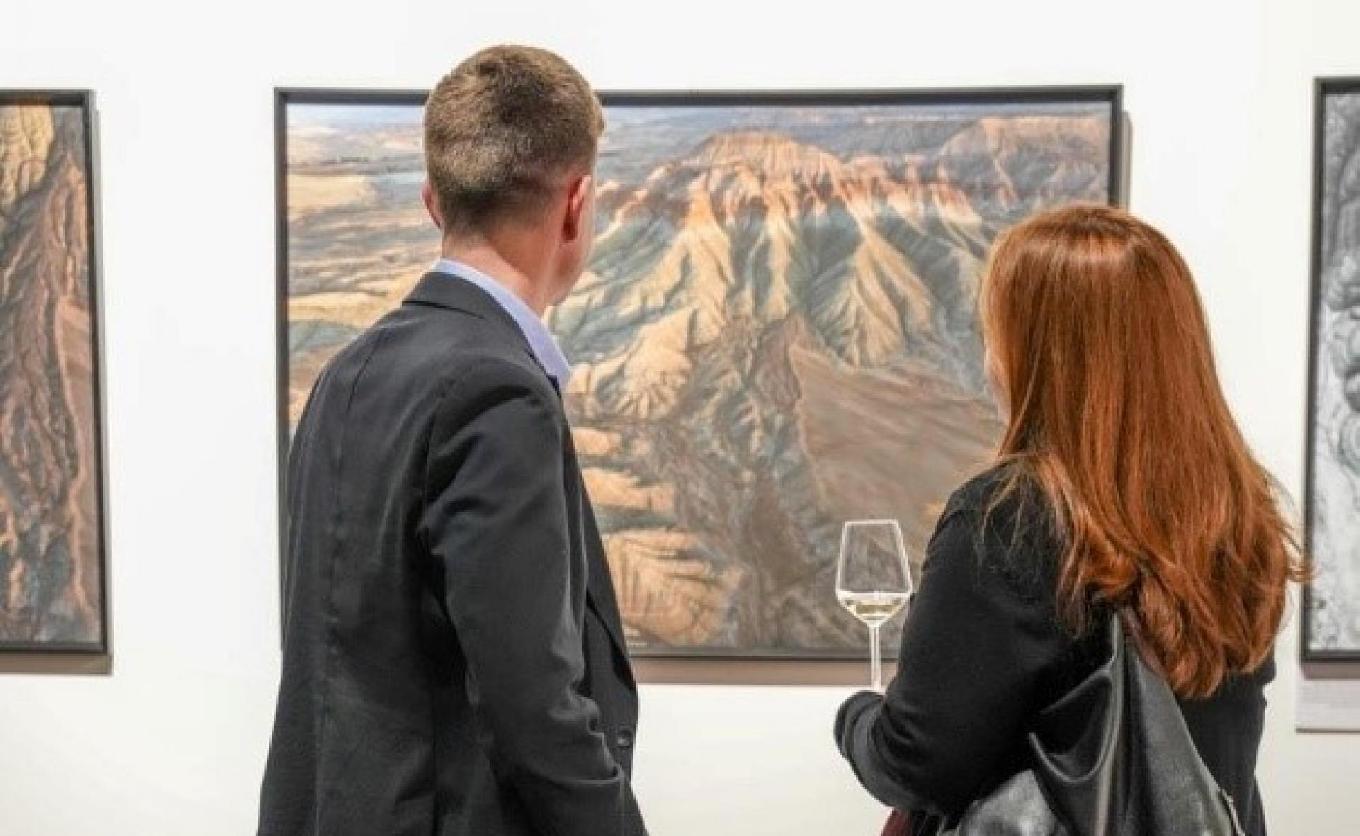
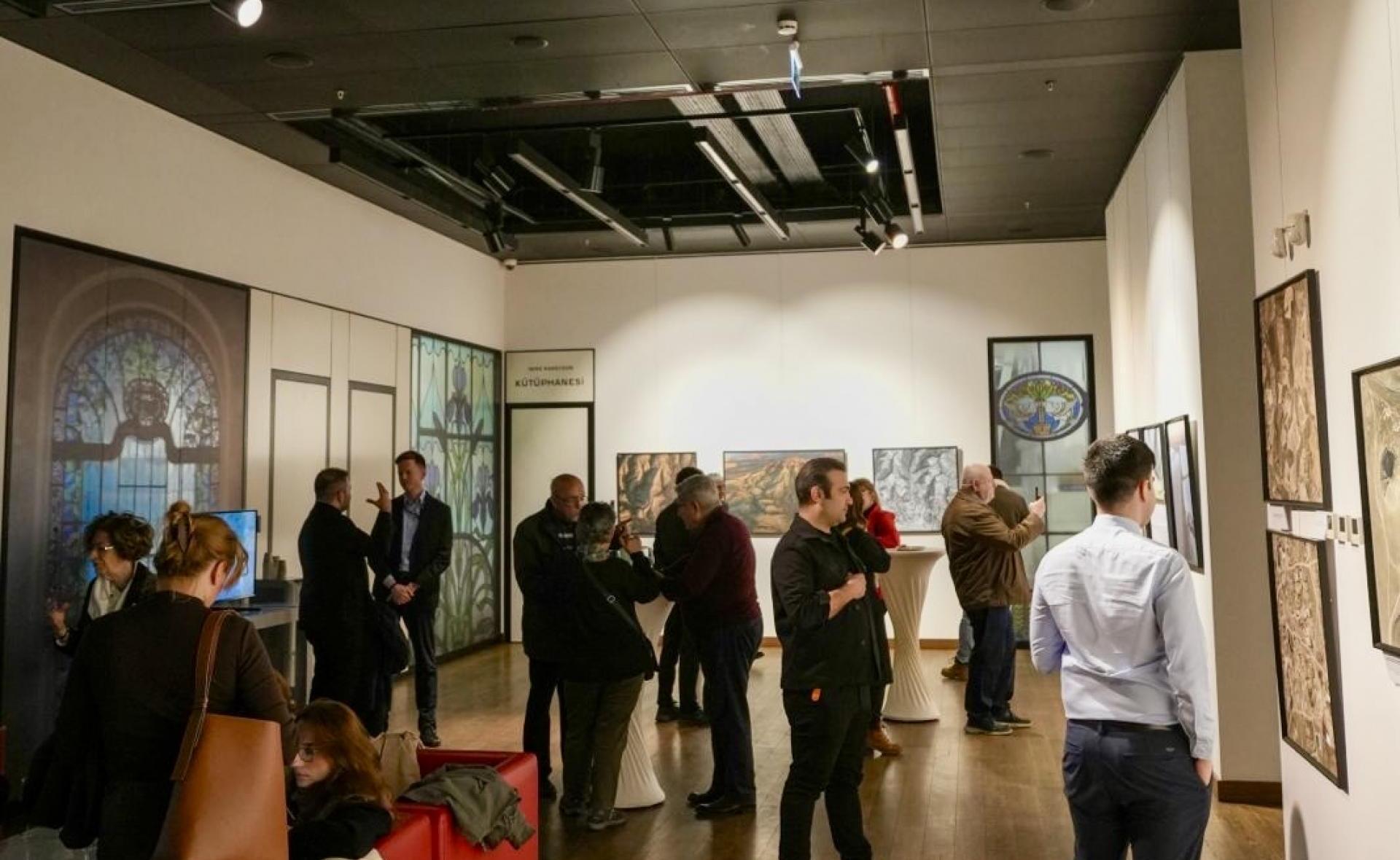
In the recent period, visitors were able to attend a variety of exhibitions organized by the Liszt Institute Istanbul, including Our Footprints and The Welcoming State, an exhibition dedicated to the memory of the 1848–49 Revolution and War of Independence. Our Footprints, an exhibition by Milán Radisics, is a long-term photographic and multimedia project exploring the evolution of the Earth’s waterways. It presents the origins of water, how it transforms landscapes, how it interacts with people, and what may await humanity if the Earth becomes desertified. To document this, the photographer traveled to 22 countries, creating images that both inspire and provoke viewers. In 2024, Milán Radisics also traveled across the Anatolian Plateau, which provided a special point of connection for local audiences. The exhibition arrived in Istanbul after being shown in Ankara, Bodrum, and Tekirdağ (Rodosto).
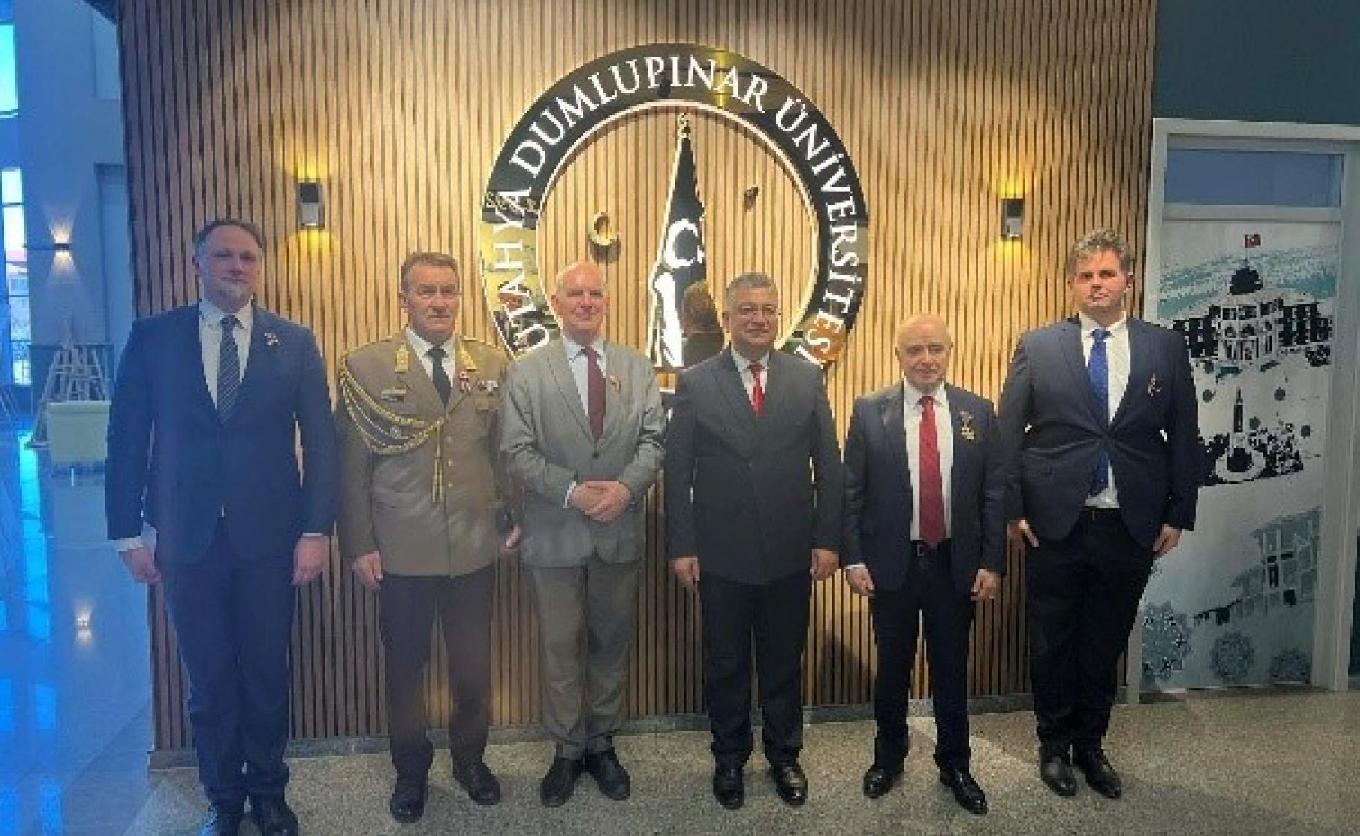
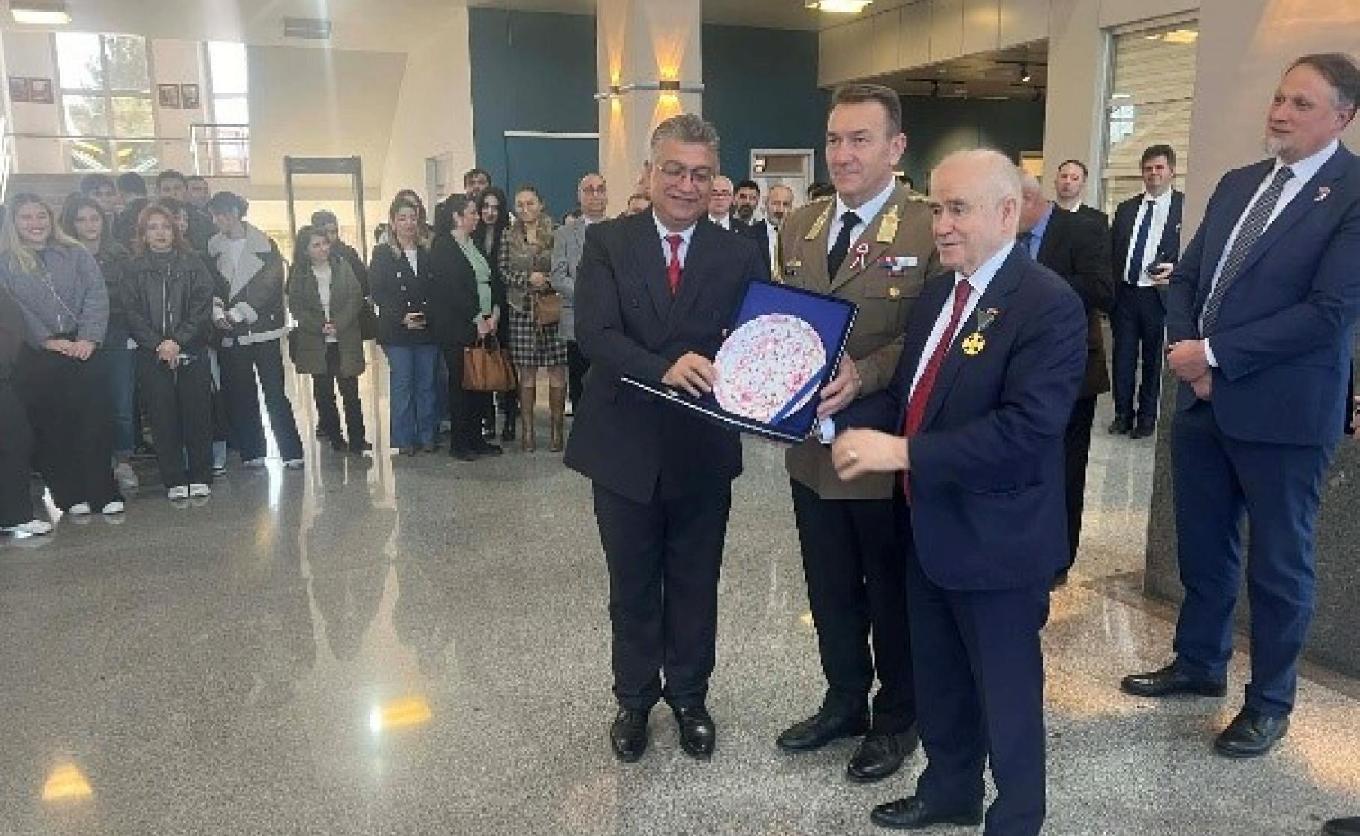
That same week in March, The Welcoming State exhibition opened in Kütahya. The persecuted leaders of the 1848–49 Revolution and War of Independence found refuge in the Ottoman Empire, which thereby expressed solidarity with the Hungarians’ anti-Habsburg movements. Following the war, beyond the political elite, the Turks also gave shelter to many fleeing soldiers, several of whom continued their military careers in the Ottoman army. Hungarian emigration continued into the 20th century as well, for example following the outbreak and later collapse of the Second World War, and after the 1956 Revolution and War of Independence. Hungarian migration to Ottoman and later Turkish territory also brought numerous benefits to the Turkish state: Hungarian settlers contributed to modernization processes and cultural exchange. The exhibition was originally created during the Hungarian–Turkish Cultural Season and was now presented in Kütahya before an audience of more than 200 people.
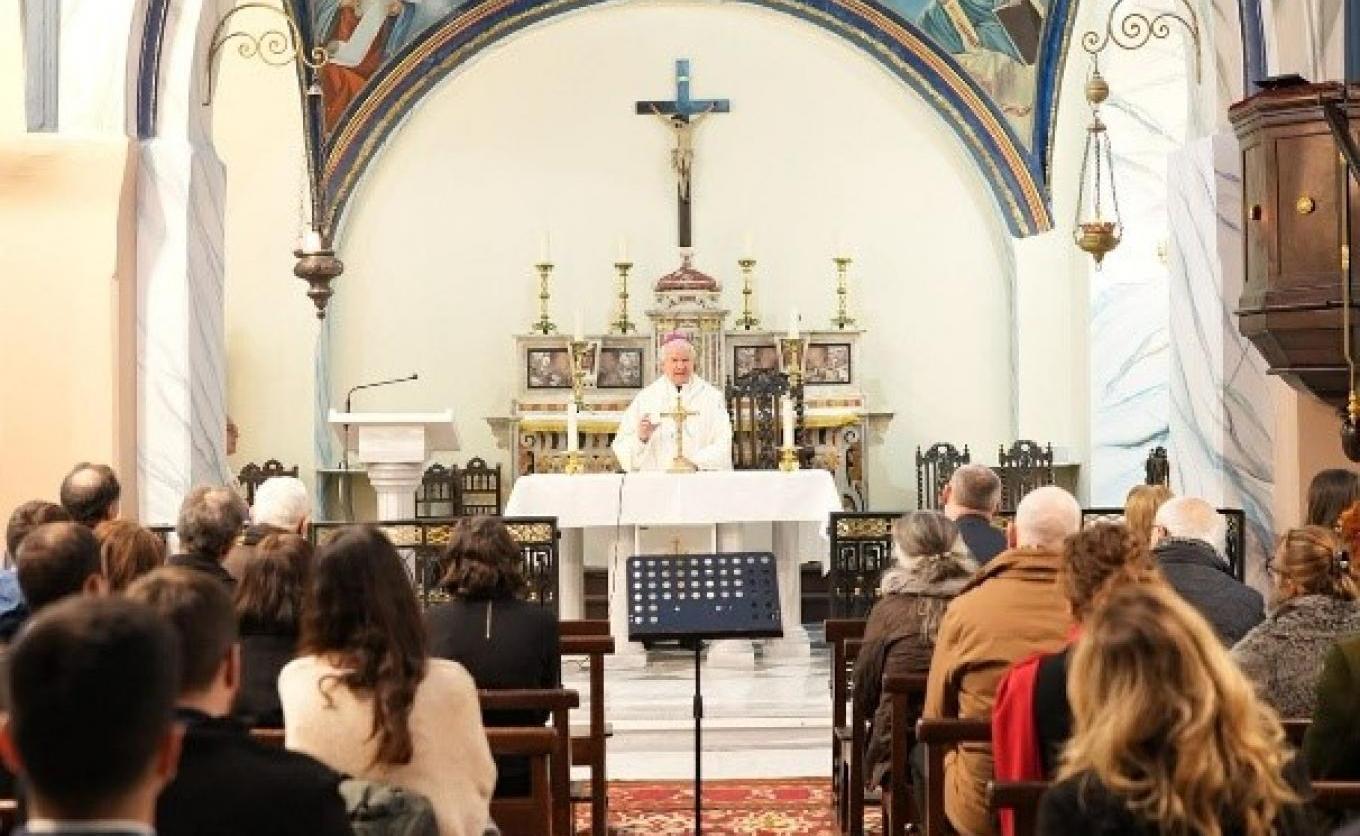
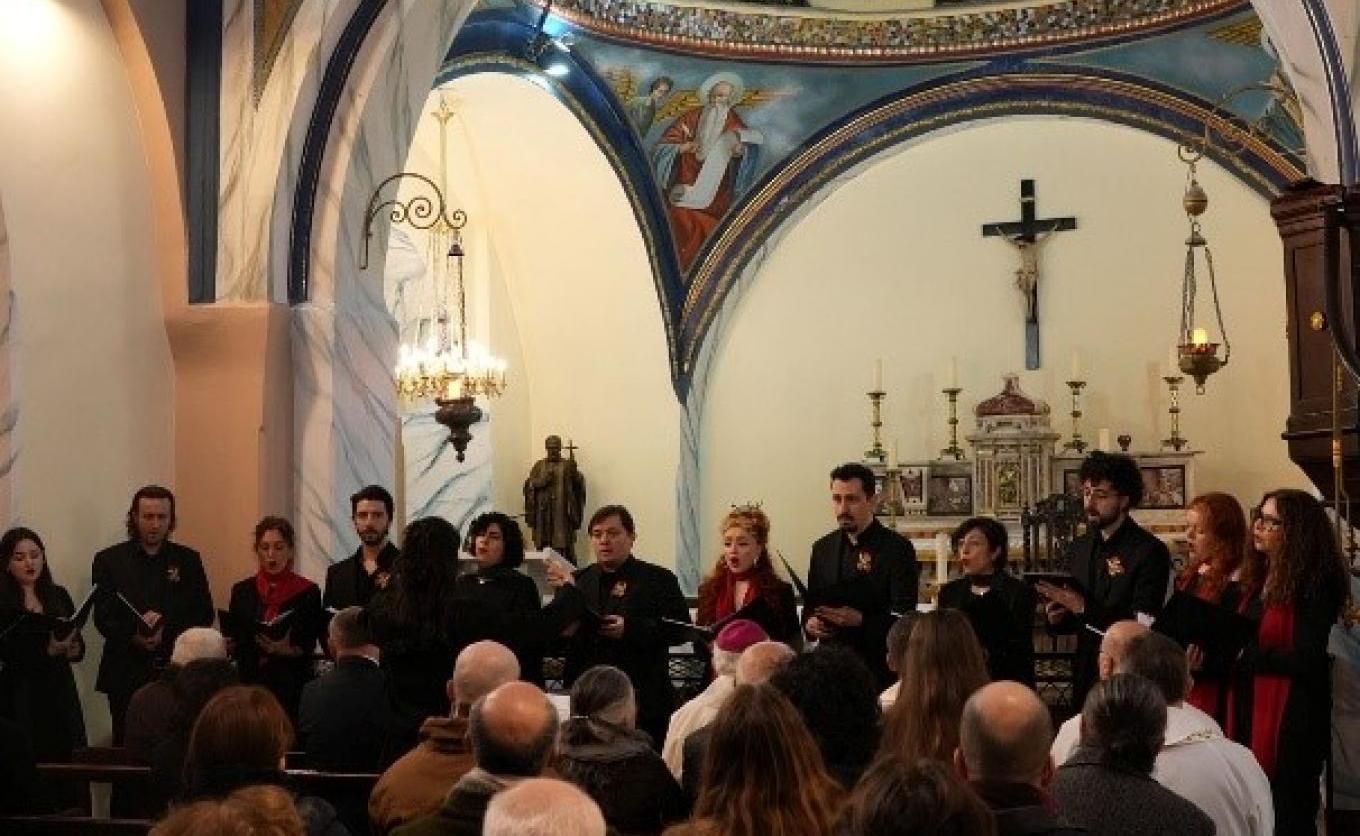
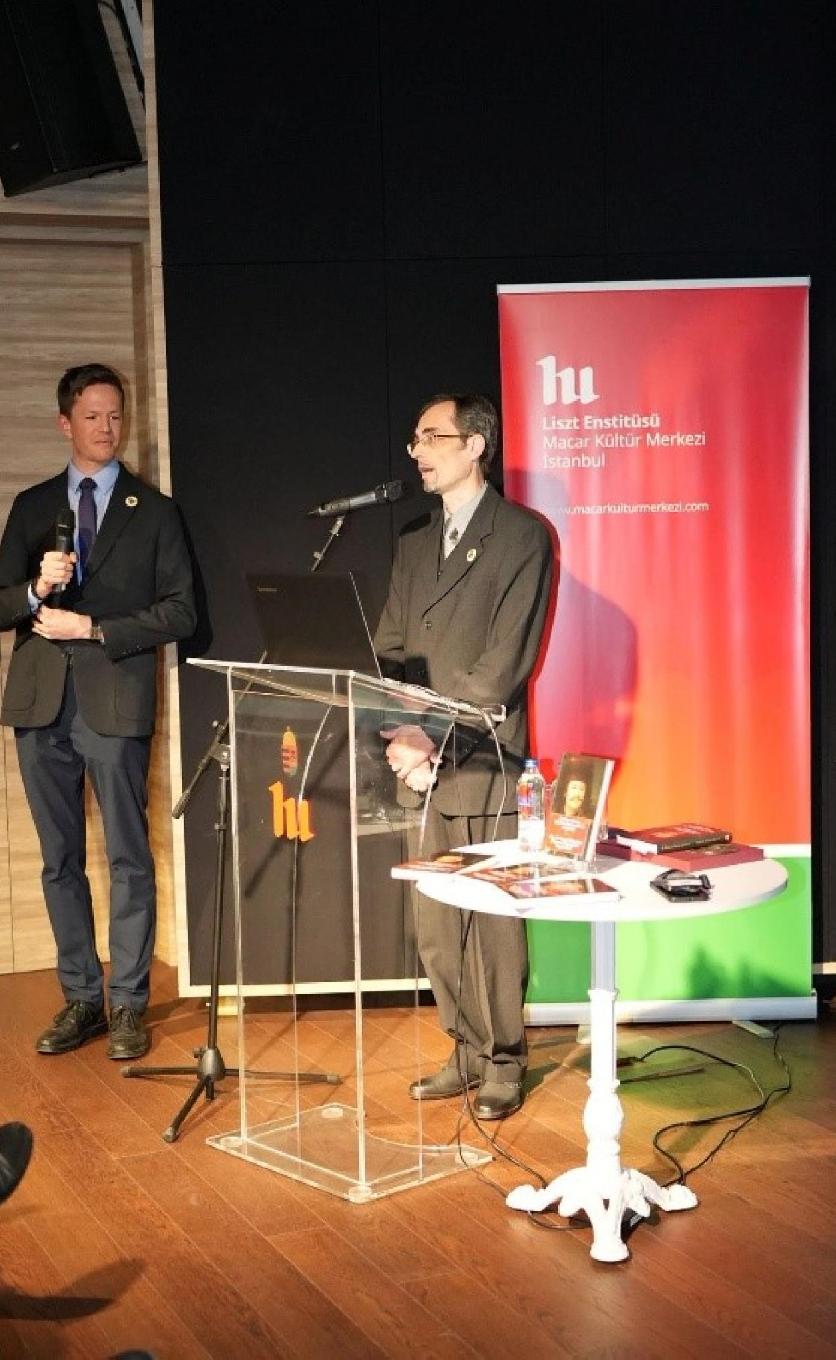
As part of the Rákóczi 350 commemorative series, several events were held in Istanbul on 25 March 2026 to honor the 350th anniversary of the birth of Prince Francis II Rákóczi. The central venue of the commemorations was Saint Benoît Church, where the prince’s former burial site is located. The memorial day began with a solemn Mass celebrated by church leaders, followed by a wreath-laying ceremony in tribute to Rákóczi. The event attracted a broad international and professional audience, including diplomats, researchers, and members of the local Hungarian community. As part of the church program, the Hungarian–Turkish Friendship Choir performed Hungarian and Turkish musical works, including compositions by Bartók and Kodály. The evening continued at the institute with scholarly lectures presenting the historical era of Rákóczi and Hungarian–Turkish relations of the time. During the event, a new bilingual volume edited by Dr. Tibor F. Tóth was also introduced, entitled The Life of Ferenc Rákóczi II and His Exile in Rodosto. The commemorative program contributed to preserving Hungarian historical memory and strengthening Hungarian–Turkish cultural relations.
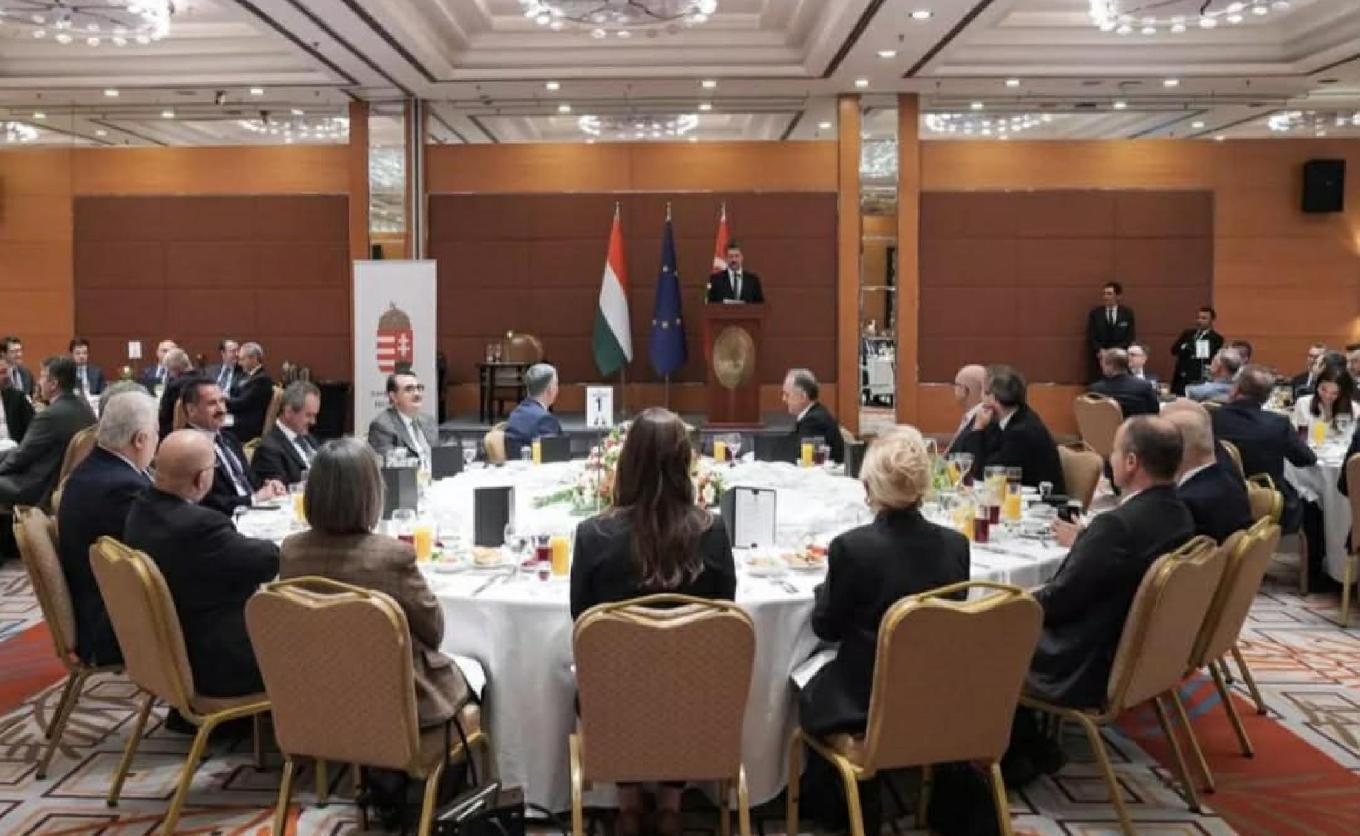
In the field of gastronomy, a key event was the traditional Ramadan iftar dinner jointly hosted at the Embassy of Hungary, paying tribute to the cultural traditions of the host country. This year, the institute also participated in organizing the event, which was attended by 180 guests.
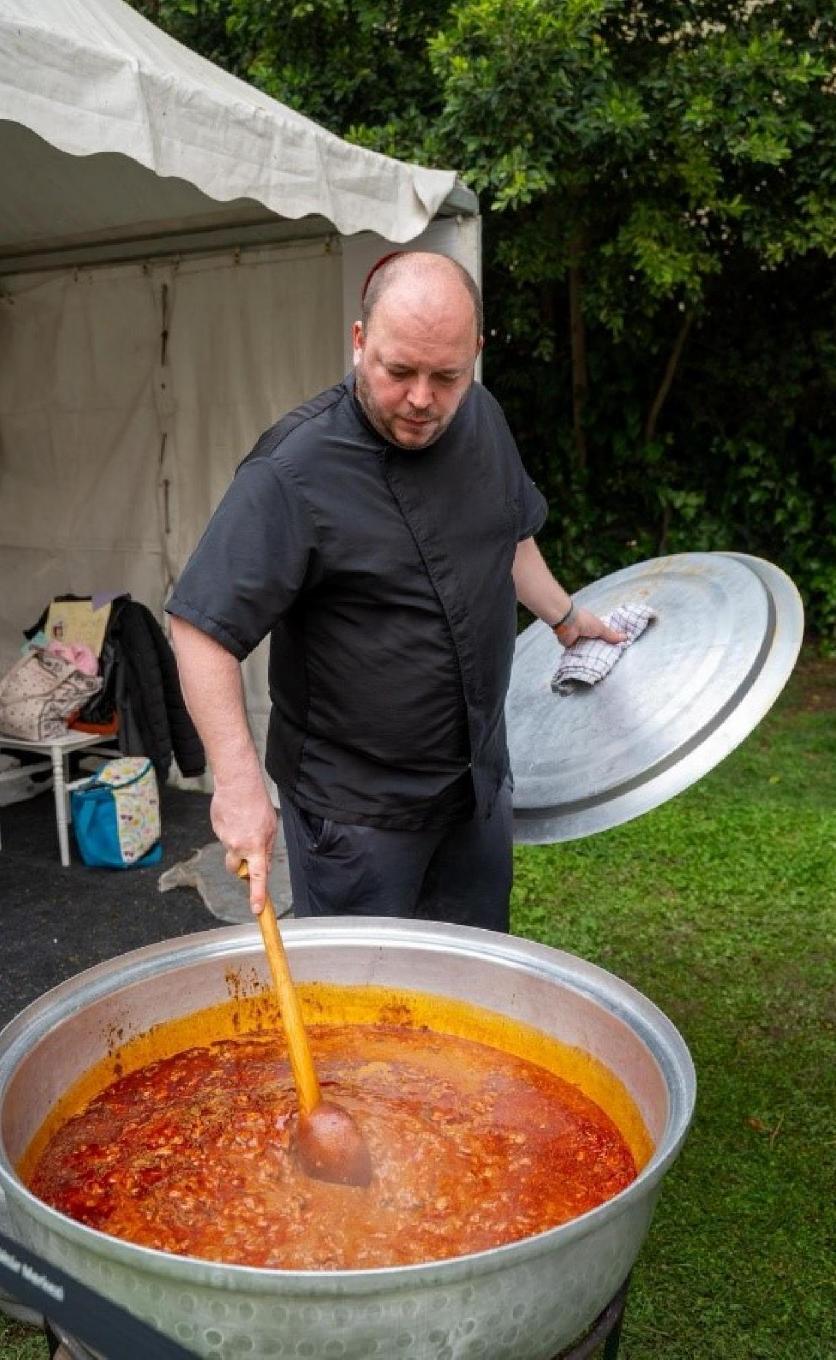
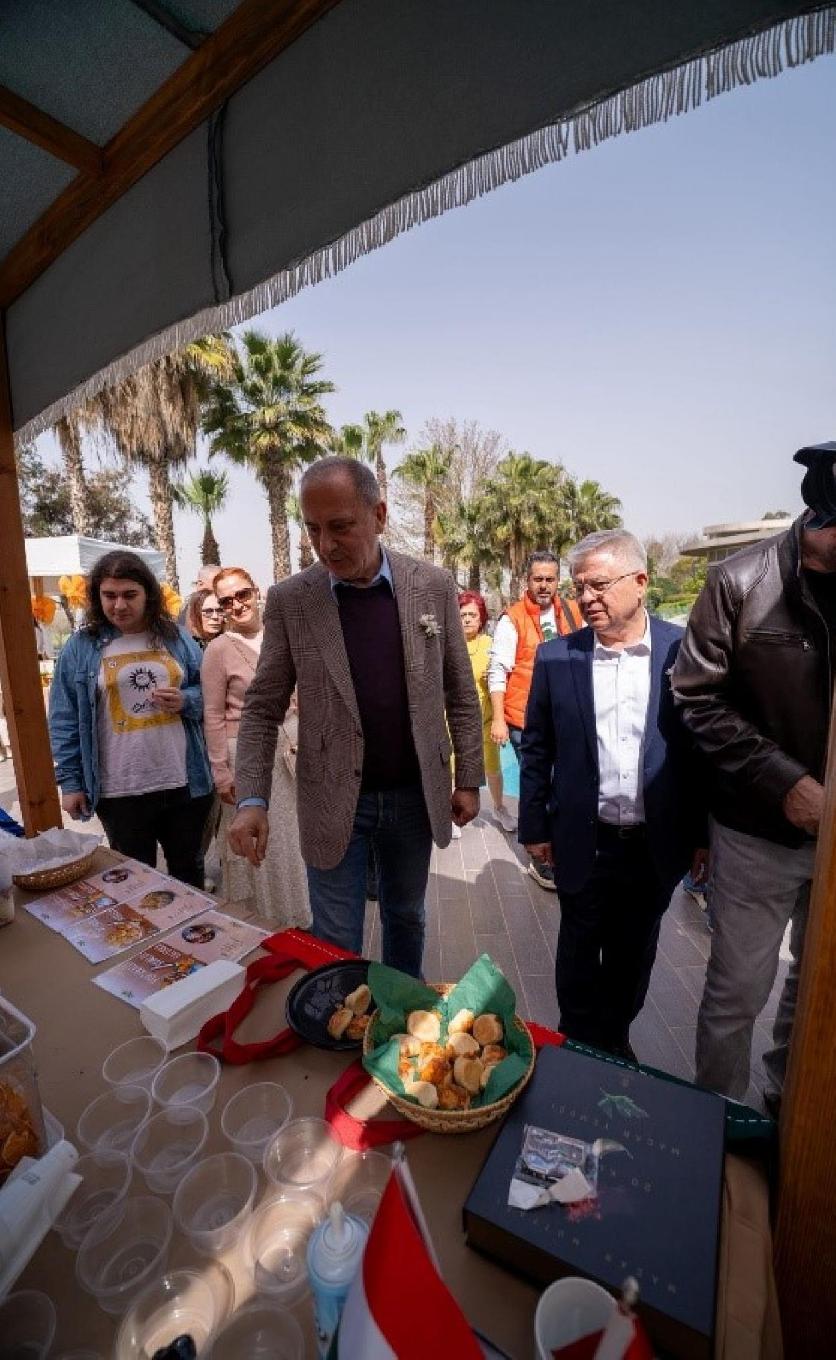
In April, gastronomy received special emphasis at the Orange Blossom Festival in Adana, providing an excellent opportunity to showcase Hungary’s culinary diversity. At the “Orange Flavors” event held at the Sheraton Hotel in Adana, guests of honor—including the Mayor of Adana Metropolitan Municipality, institutional leaders, and around two hundred protocol invitees—were able to taste orange-flavored Somló sponge cake dessert at the Hungarian stand jointly organized by the institute and the embassy. The stand was presented by Institute Director Áron Sipos. In addition, at the festival’s central Hungarian stand, Hungarian food tastings were offered over several days to hundreds of interested visitors. Alongside the dishes, gastronomic publications and descriptions of the foods were also available to read and take away.
Through its activities, the Liszt Institute Istanbul contributes not only to presenting Hungarian cultural values, but also to fostering active dialogue between the communities of the two countries. Through its programs, it continues to strengthen cultural bridges and enrich the diverse network of Hungarian–Turkish relations in the long term.