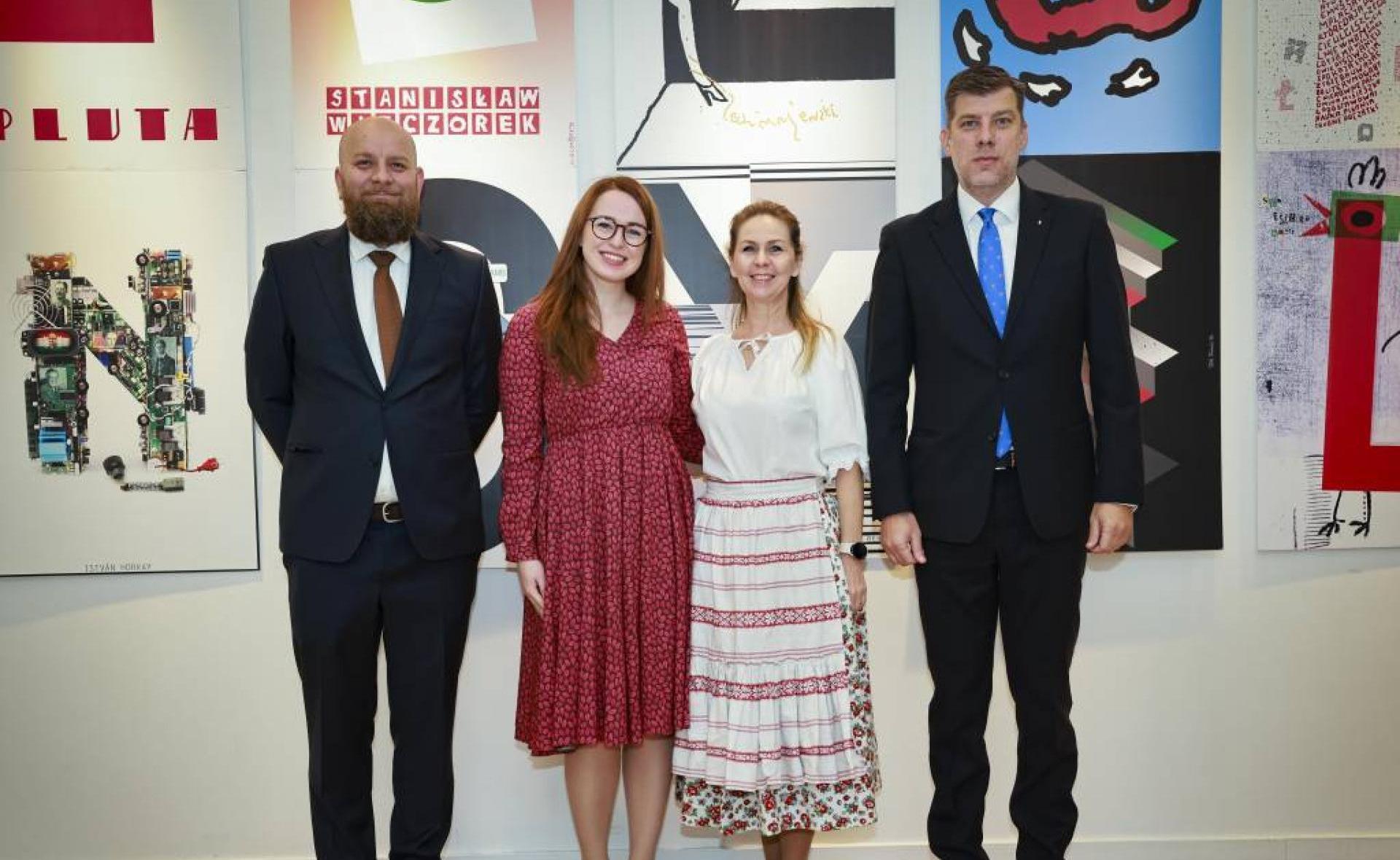
The Celebration of Hungarian Culture in the Cities of Poland
This autumn, several cities in Poland celebrated Hungarian culture. Wrocław, Toruń, and Warsaw hosted events aimed at showcasing Hungarian art, literature, history, and traditions. The Liszt Institute Warsaw played a prominent role in organizing and coordinating the events, actively supporting the programs in multiple cities. Visitors had the opportunity to experience a meeting of various artistic disciplines, with a constant focus on strengthening cultural ties between Hungary and Poland.
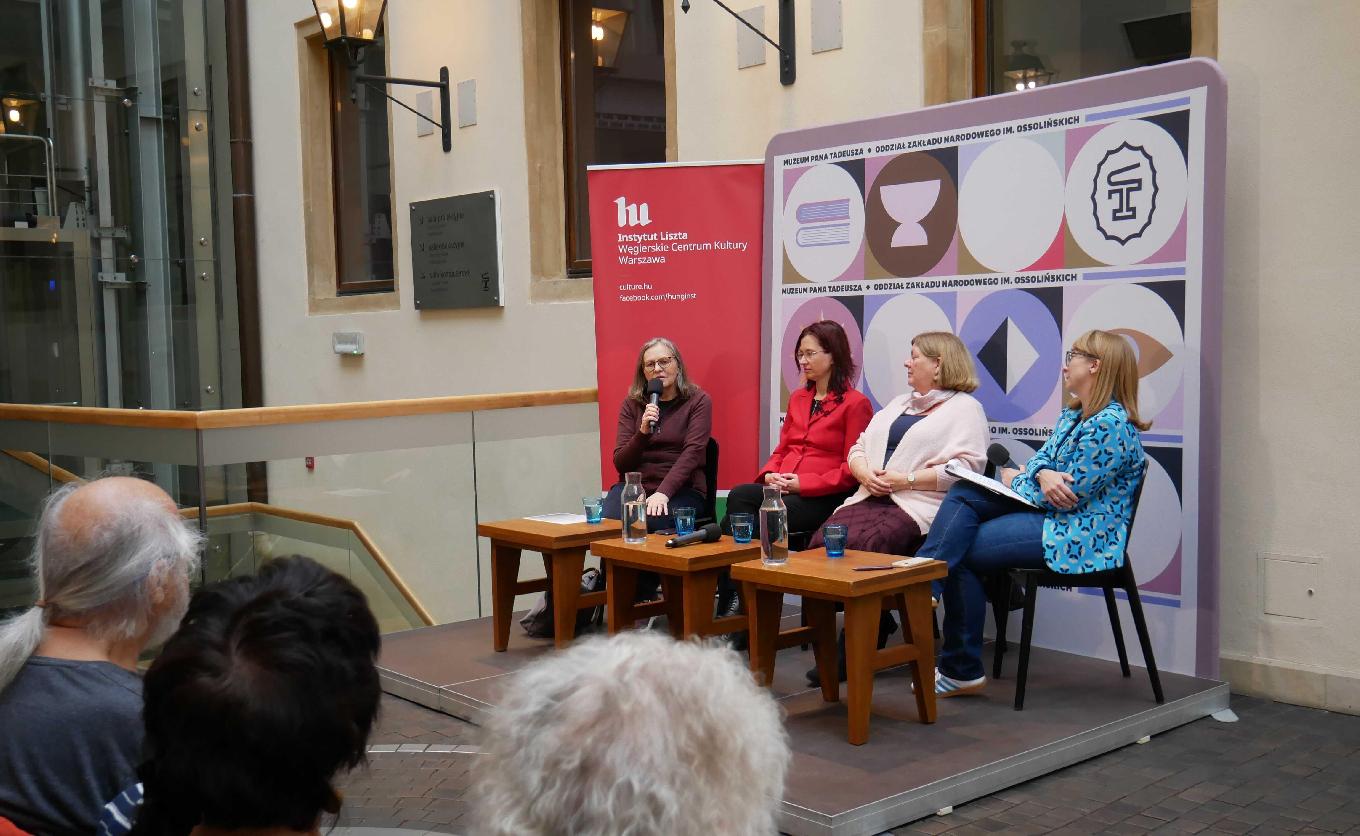
This year, the Week of Hungarian Culture and the Hungarian Cultural Days took place consecutively from September 29 to October 4, filling the city of Wrocław with Hungarian words, melodies, and flavors. The series of events, held at the Pan Tadeusz Museum and the T. Mikulski Vojvodina Public Library, was supported by the Ossolineum National Library and Archives, the Dwór Polski Restaurant, the Wacław Felczak Foundation, and the Ministry of National Heritage and Culture. The audience had the opportunity to discover Hungarian literature through lectures by writers and translators Irena Makarewicz, Noémi Petneki, Márta Éles, and Gábor Danyi. A selection of animated films from the Moholy-Nagy University of Art and Design (MOME) showcased Hungarian visual arts, while one of the highlights of the event was the presentation of a rare Hungarian translation of Mickiewicz’s Pan Tadeusz to the museum by Gáspár Keresztes, director of the Liszt Institute Warsaw. The continuation of the program at the Vojvodina Public Library offered participants historical, literary, and gastronomic experiences. Lectures covered Polish–Hungarian historical relations, Hungarian cinema, and the artistic connections of Jan Styka. On the closing day, visitors enjoyed a city walk, a folk music concert, and a multimedia presentation. Over 200 visitors attended the two events in total, and the Wrocław press followed the programs with great interest.
On October 2, in the city of Toruń, the students’ model of the UN General Assembly, called TOMUN, was ceremoniously opened, which this year was realized for the tenth time. More than three hundred students participated in the event, who, simulating the operation of the United Nations, discussed current social and international topics. At the event, Paweł Gulewski, Mayor of Toruń, as well as Secretary of State Grzegorz Karpiński and Irish Ambassador Patrick Haughey delivered greetings. The students of the Karinthy High School in Budapest provided Hungarian participation, and Deputy Director Patrícia Plander-Pacyk represented the Liszt Institute Warsaw.
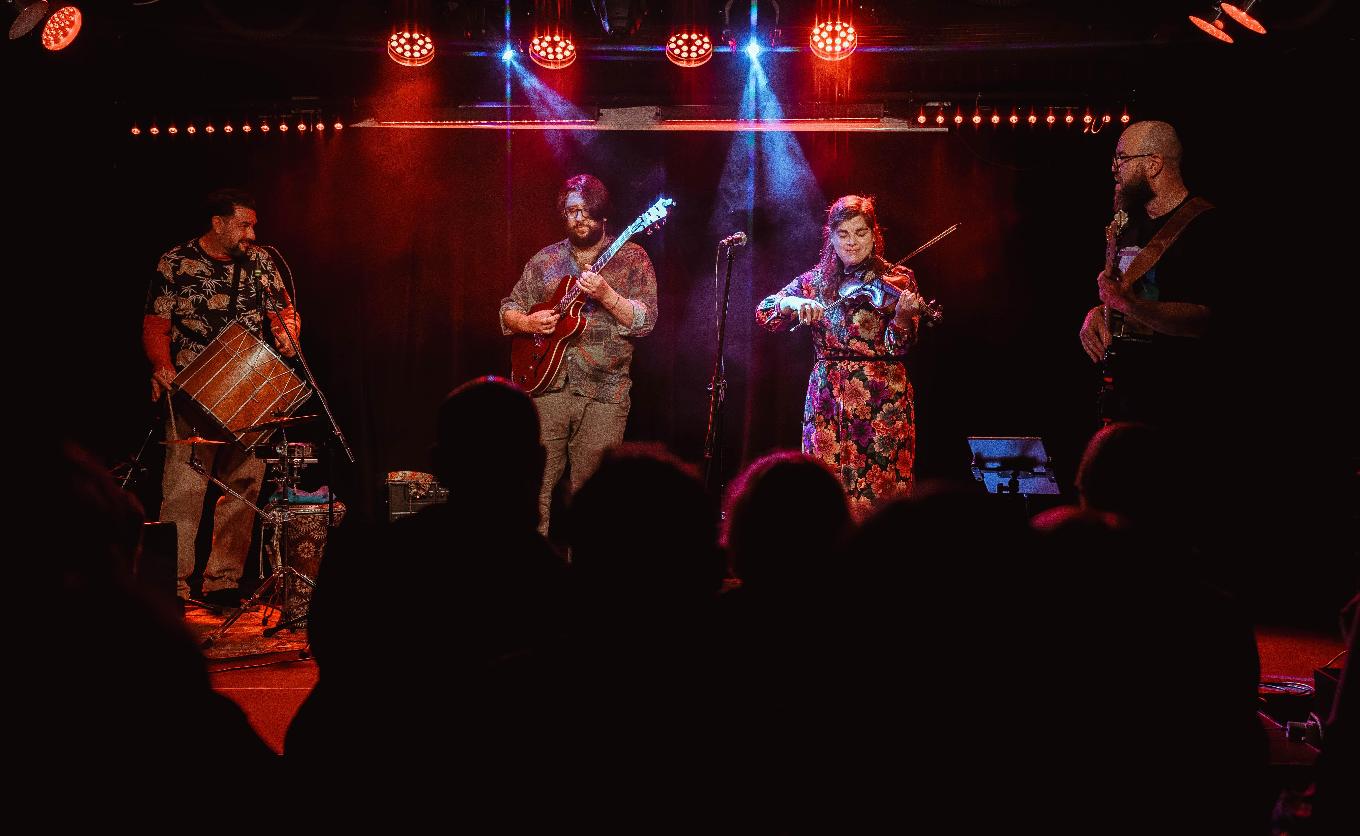
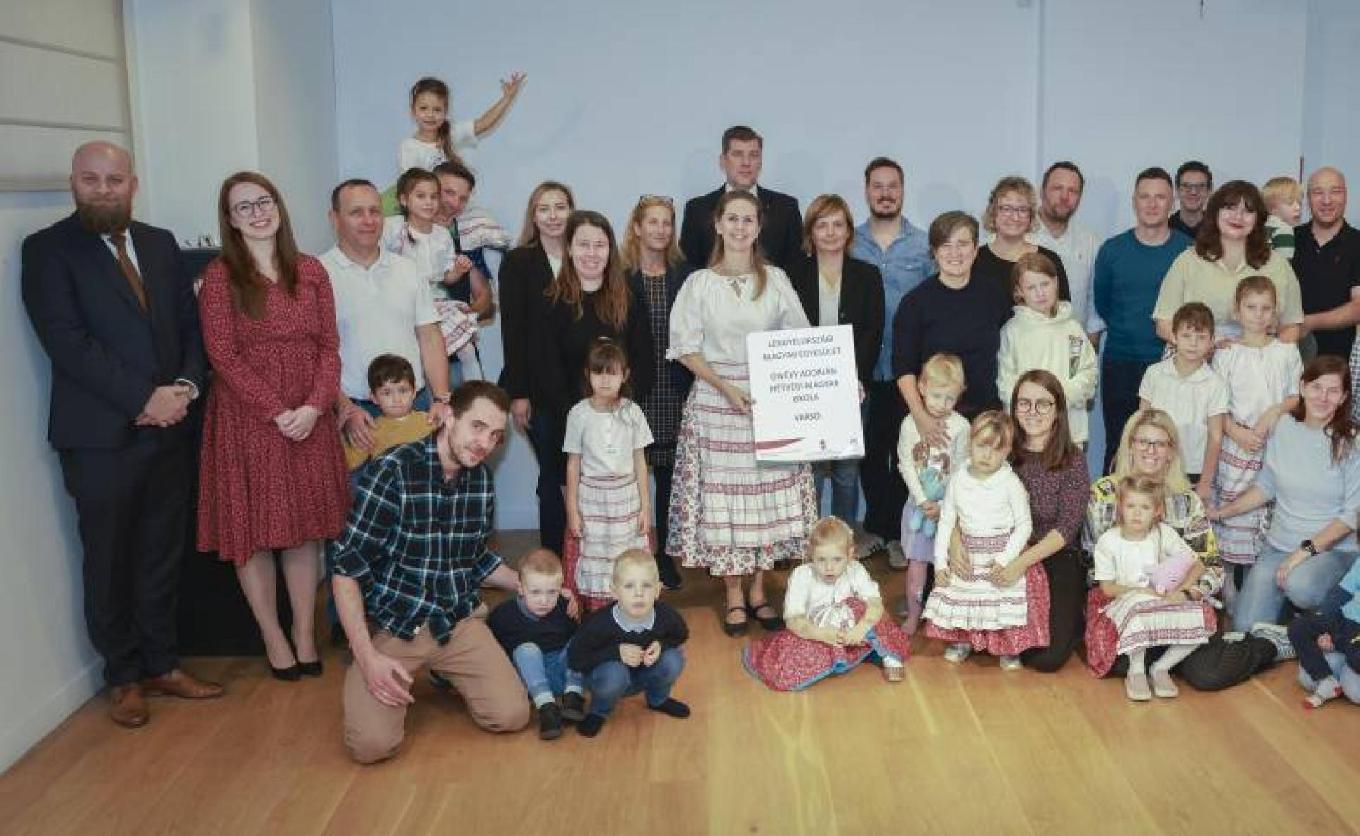
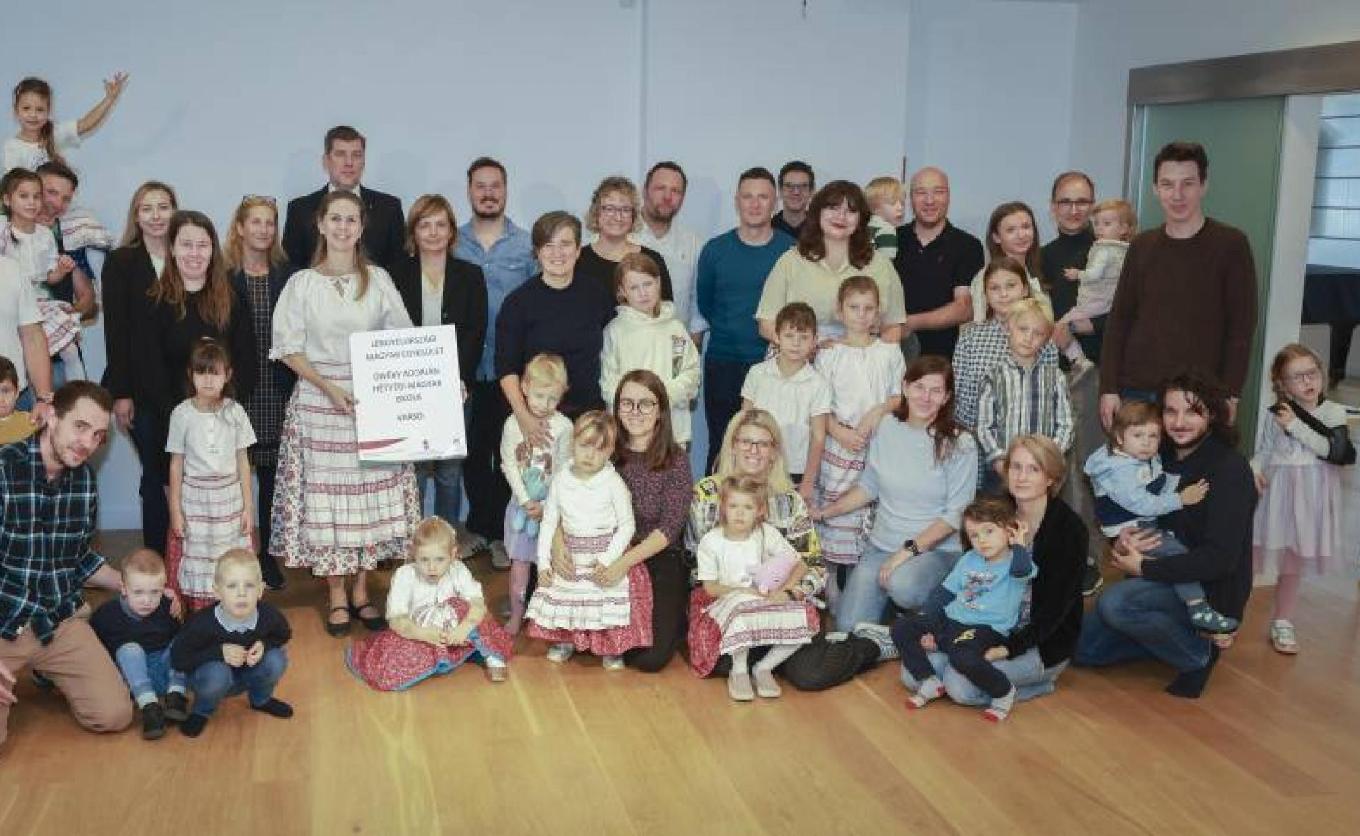
On October 4, an important Hungarian event also took place in Warsaw: the Adorján Divéky Weekend Hungarian School held its 26th opening ceremony of the school year. At the event, greetings were delivered by Dr. Péter Szilágyi, Deputy State Secretary responsible for national policy, alongside Dr. Ádám Virág, Program Coordinator of the Kőrösi Csoma Sándor Program at the State Secretariat for National Policy. Year after year, the school serves as an important community hub for Hungarian families living in Warsaw, where children can get to know the Hungarian language and culture in a playful way. The cultural program continued on October 9 with the concert Hungarian Inspirations, featuring works by Franz Liszt, Béla Bartók, and Zoltán Kodály, performed by soprano Marlena Borowska and pianist Robert Marat. The selection displayed the richness of Hungarian musical history, complemented by the poetic translations of Dr. Wojciech Benedykowski. The following day, October 10, the Jezve band performed a concert in the Polish capital. This unique Polish–Hungarian–Greek ensemble draws inspiration from the folk music traditions of Eastern Europe and the Balkans. The concert was opened by Director Gáspár Keresztes and, as it was the first stop of their tour, the event attracted particularly high interest. The concert of the Jezve band built a true cultural bridge between the three nations, expressing shared traditions and emotions through music.
The series of Hungarian cultural events in Poland this autumn once again demonstrated that Hungarian–Polish relations remain vibrant and fruitful. The diversity of programs in Wrocław, Toruń, and Warsaw—from literature and music to diplomatic and educational cooperation—showed that culture truly has the power to connect communities and to open a new chapter in the shared history of the two nations.