Quiet Forces and Revolutionary Spirit: A Festive Week in Ljubljana
The Liszt Institute Ljubljana celebrated the anniversary of the 1848-49 Hungarian Revolution and War of Independence with a grand program from March 12 to 16, 2026. Events during the week included the Pilvax Evening in Ljubljana at the Loo-Blah-Nah Pub, a festive concert by cimbalom artist Erzsébet Gódor at the Slovenian Philharmonic, the family-friendly Journey… in Hungary double concert, and a commemoration and reception held at the Liszt Institute on March 16. The celebratory programs were complemented by the Quiet Forces simultaneous photography exhibition, showcasing the works of contemporary Hungarian artists Zsuzsanna Kemenesi and Anna Tihanyi.
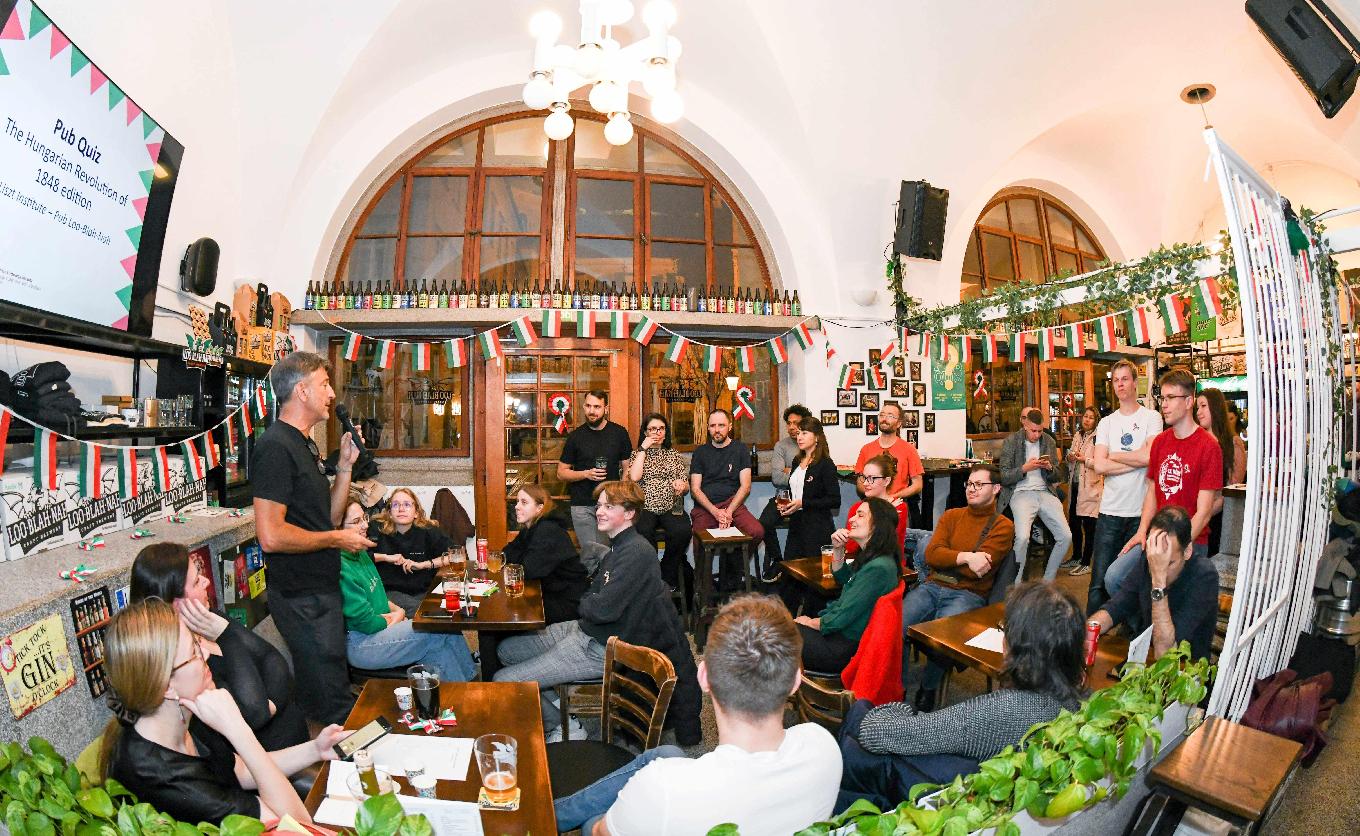
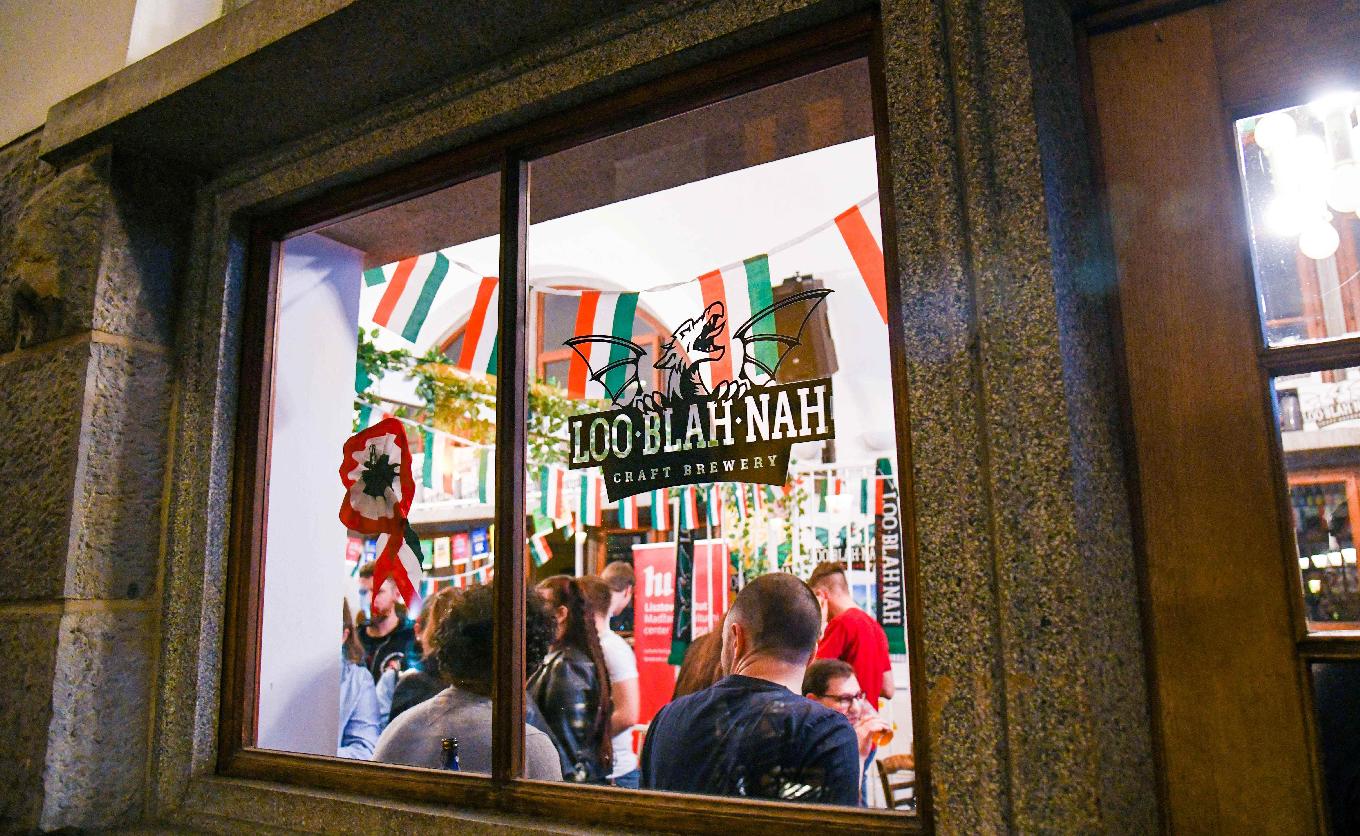
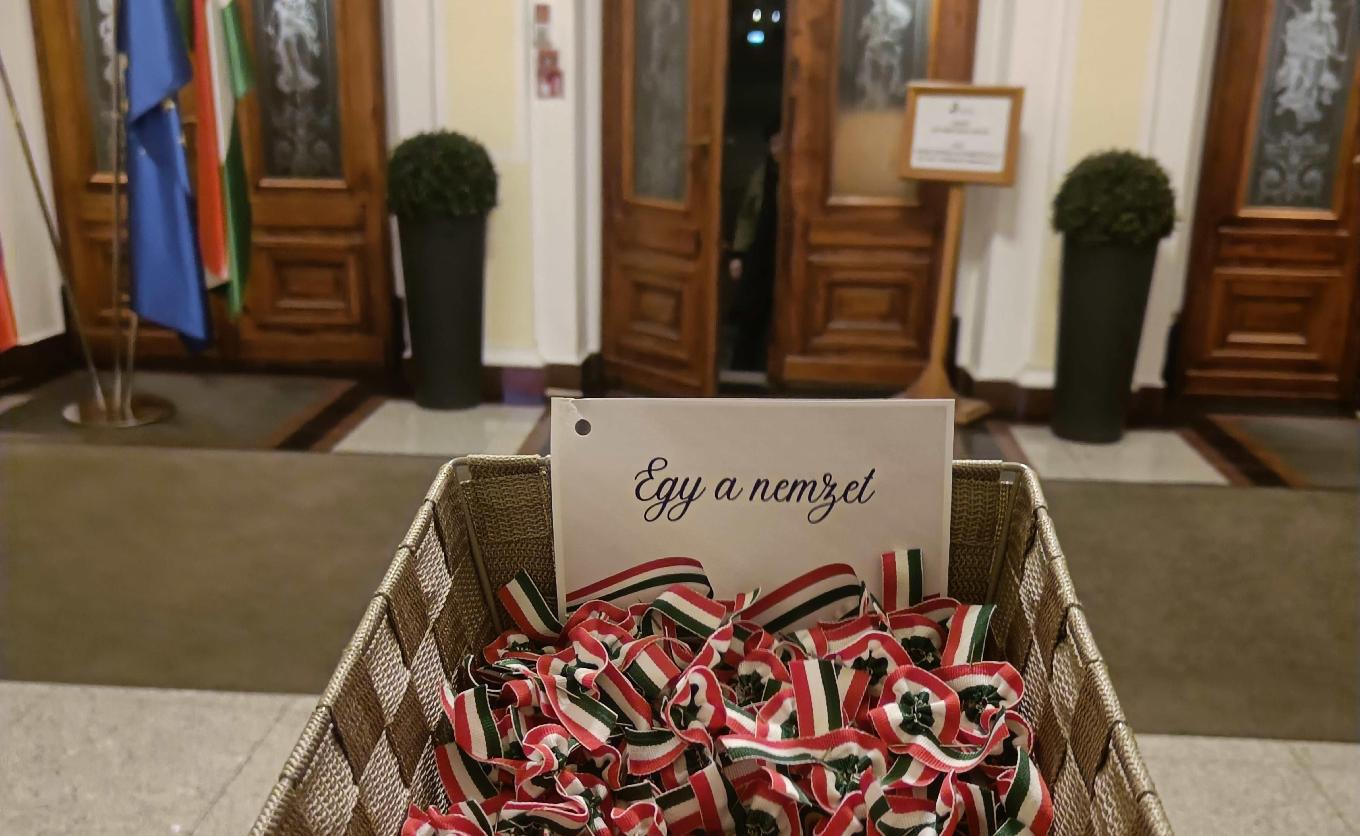
The program series began on March 12 with Revolutionary Spirit: Pilvax Evening in Ljubljana, which evoked the atmosphere of the iconic 1848 Pilvax Café within the space of the Loo-Blah-Nah Pub. During the informal evening, participants, mostly young people, tested their knowledge in a Hungarian history quiz and experienced historical traditions through shared toasts and Hungarian-style snacks. Both Hungarian and Slovenian youth took part in the event, the venue was decorated in national colors, and attendees received hand-sewn cockades, enhancing the sense of community.
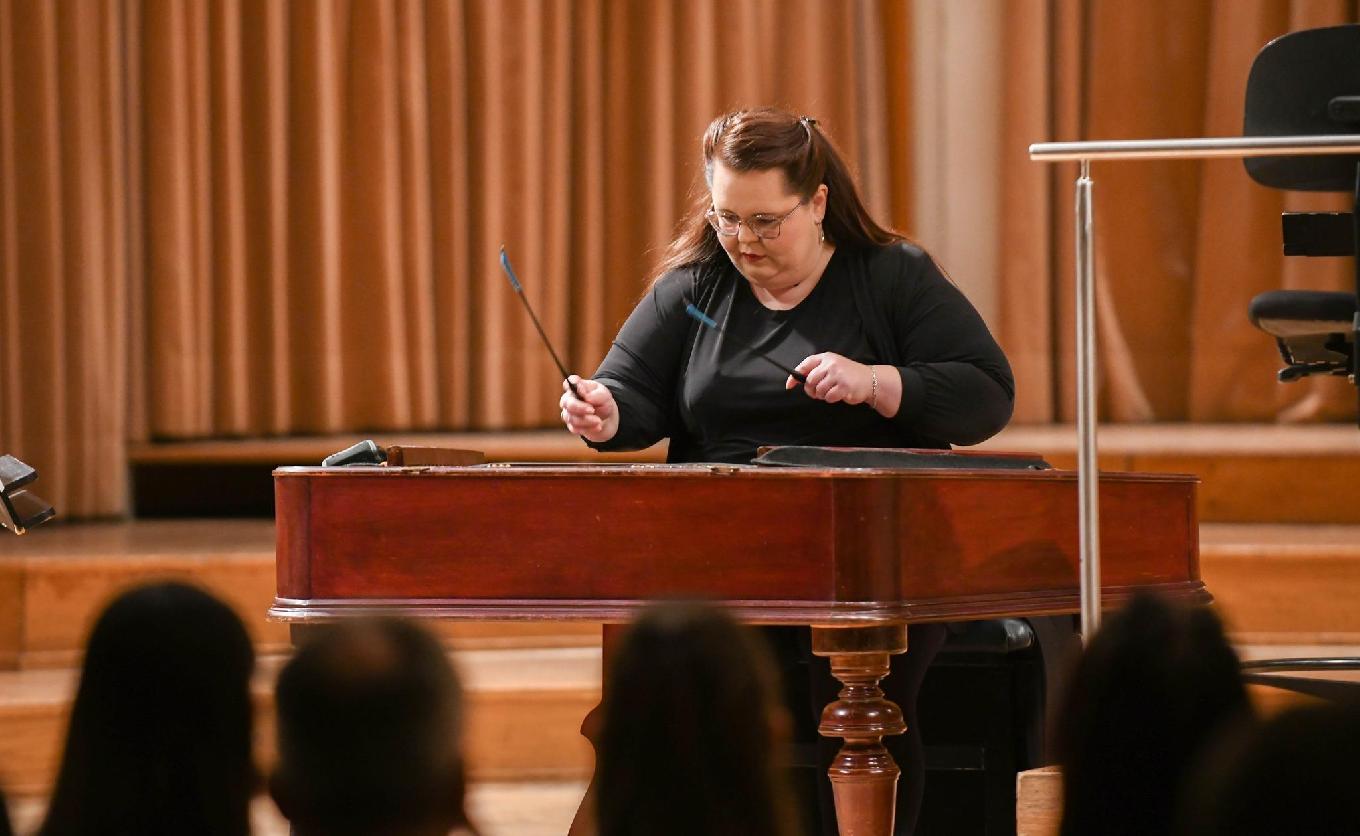
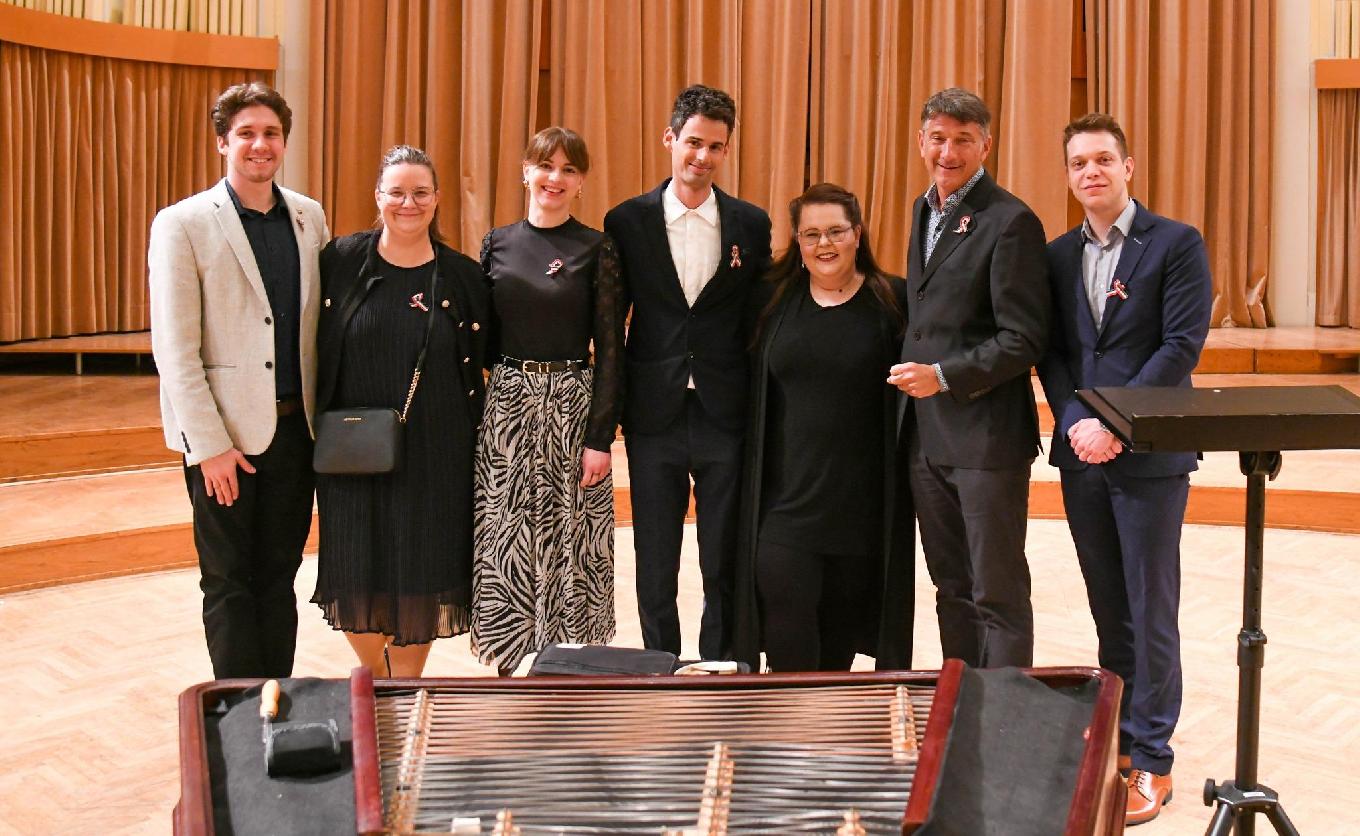
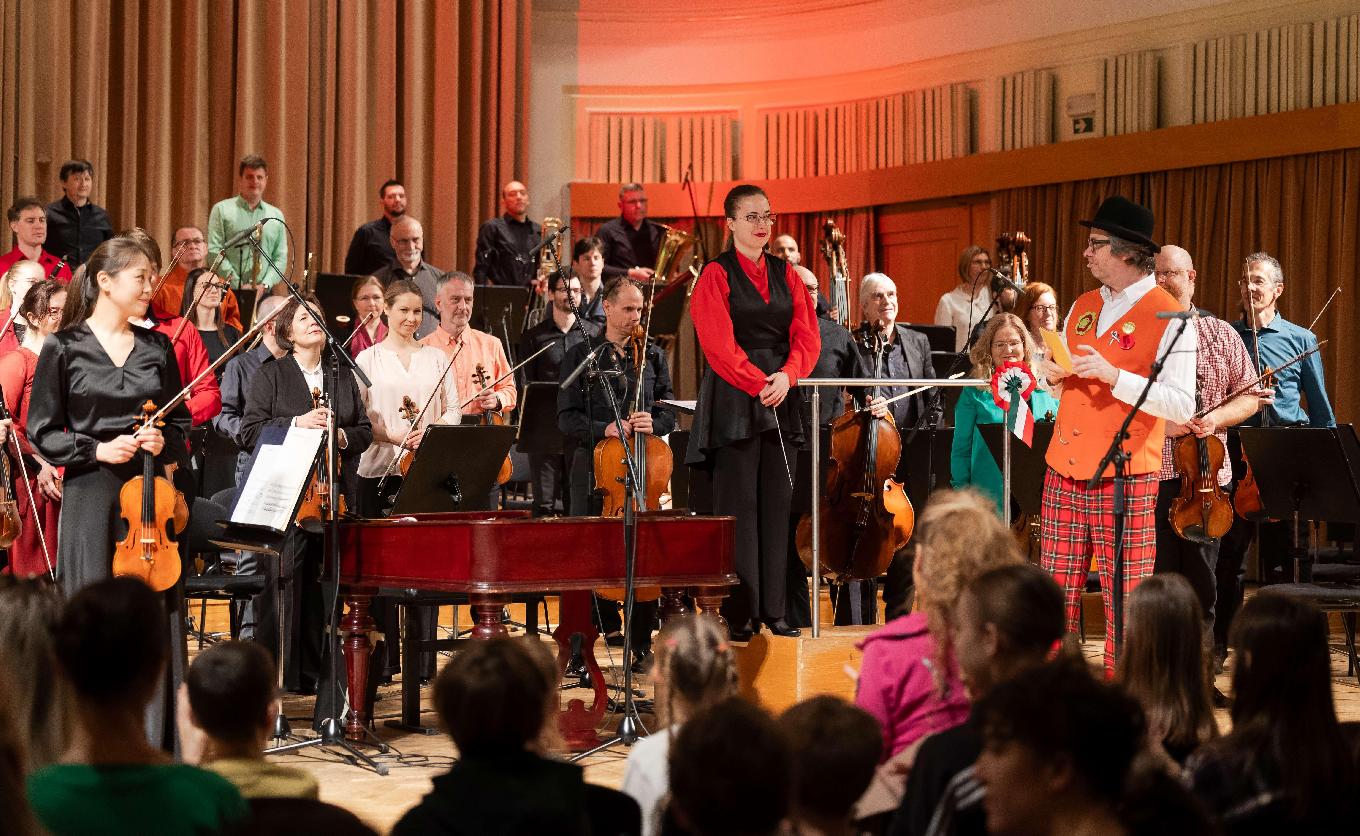
On March 13, Erzsébet Gódor performed a solo concert in honor of the celebration at the impressive concert hall of the Slovenian Philharmonic. Titled 150 Years of Cimbalom Music, the evening highlighted one of Hungary’s unique musical instruments while the repertoire, featuring works by classical Hungarian composers, evoked the richness of the national musical tradition. Dr. Zoltán Thuróczy, director of the Liszt Institute Ljubljana, opened the concert with a festive speech recalling the events of March 15 and touching on contemporary developments in Slovenia at the time. The combination of the concert’s celebratory nature and the prestige of the venue created a fitting setting for the commemoration, while also offering the international audience an opportunity to experience the distinctive sound of Hungarian musical culture.
The next day, March 14, the audeince embarked on a musical journey as part of the Slovenian Philharmonic’s family concert series. The performance Journey… in Hungary introduced Hungarian music through works by Franz Liszt, Béla Bartók, and Franz Lehár, complemented by Johannes Brahms’ Hungarian Dances. The Slovenian Philharmonic Orchestra, conducted by Mojca Lavrenčič, performed the program hosted by Franci Krevh and Beáta Ilona Barcza. Soloists included trumpeter Tibor Kerekes and cimbalom artist Erzsébet Gódor, demonstrating this uniquely Hungarian instrument. The Liszt Institute contributed to the program with an accompanying exhibition and small gifts for children, offering young audiences an engaging introduction to Hungary’s musical traditions.
The program series concluded on March 16 with a commemorative ceremony jointly organized by the Liszt Institute Ljubljana and the Embassy of Hungary. Participants first paid their respects at the Lajos Batthyány Memorial in the castle, where Acting Chargé d’Affaires Krisztián Tóth and Dr. Zoltán Thuróczy laid a wreath. The commemoration then continued at the institute, where attendees sang both the Hungarian and Slovenian national anthems together, followed by a festive speech to close the official program. The event concluded with an informal reception, providing an opportunity for members of the Hungarian community in Ljubljana to meet and converse.
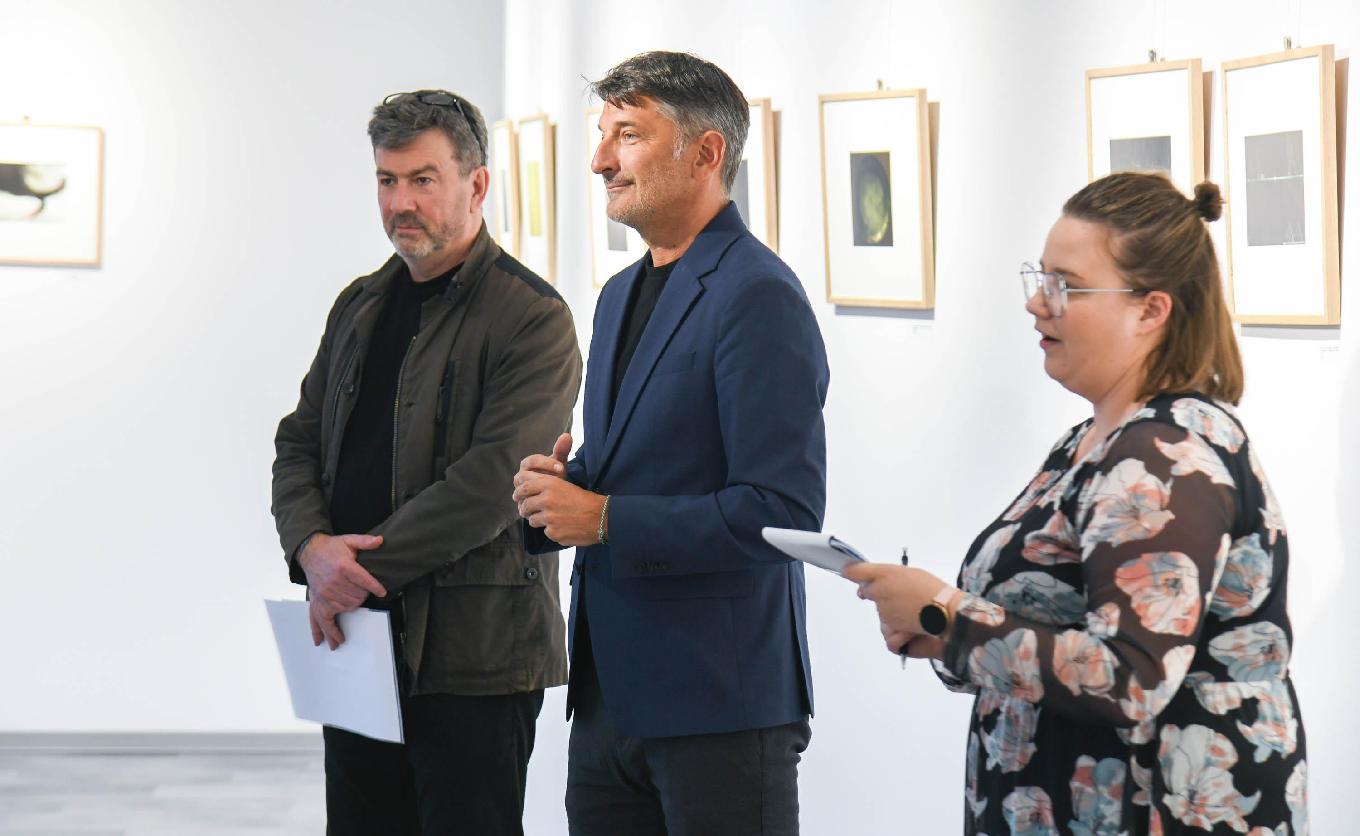
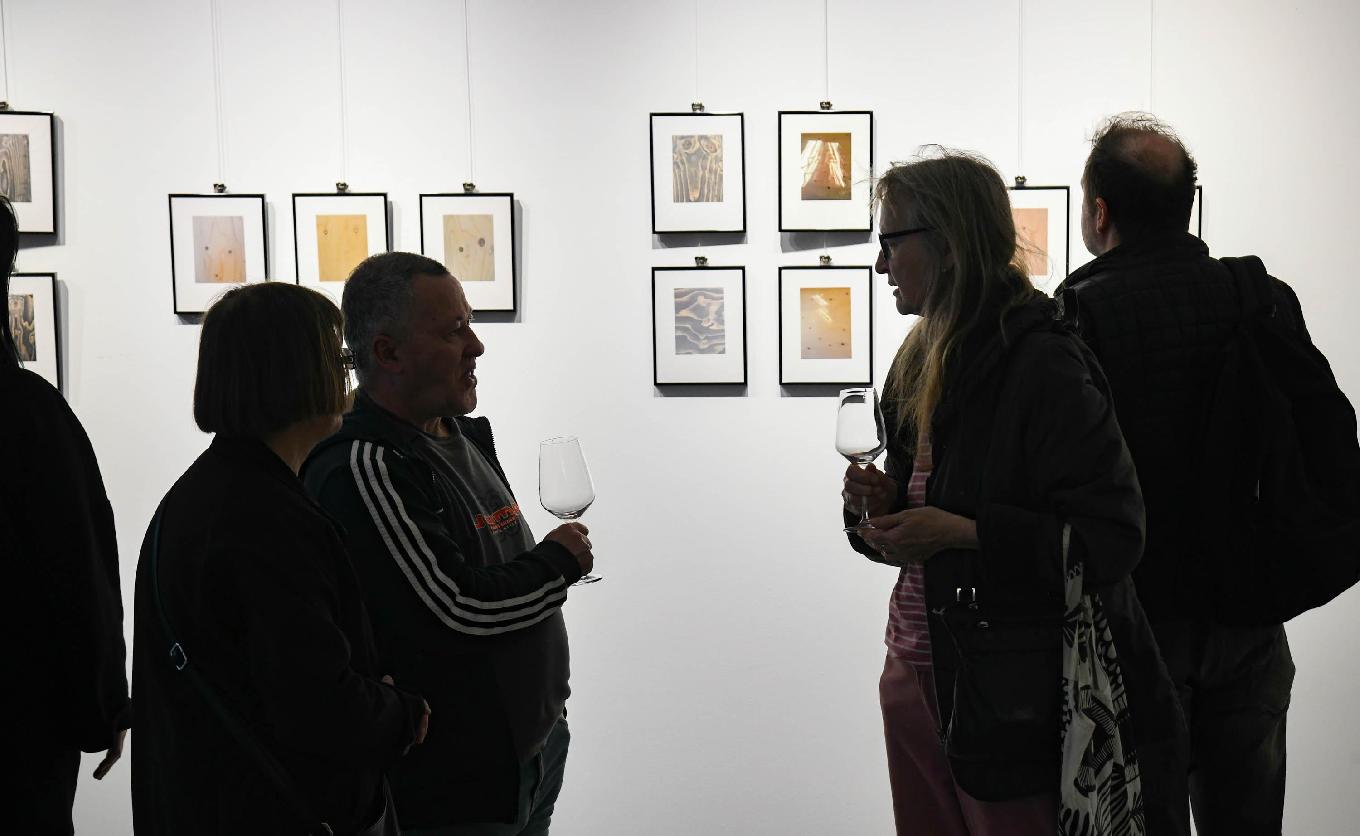
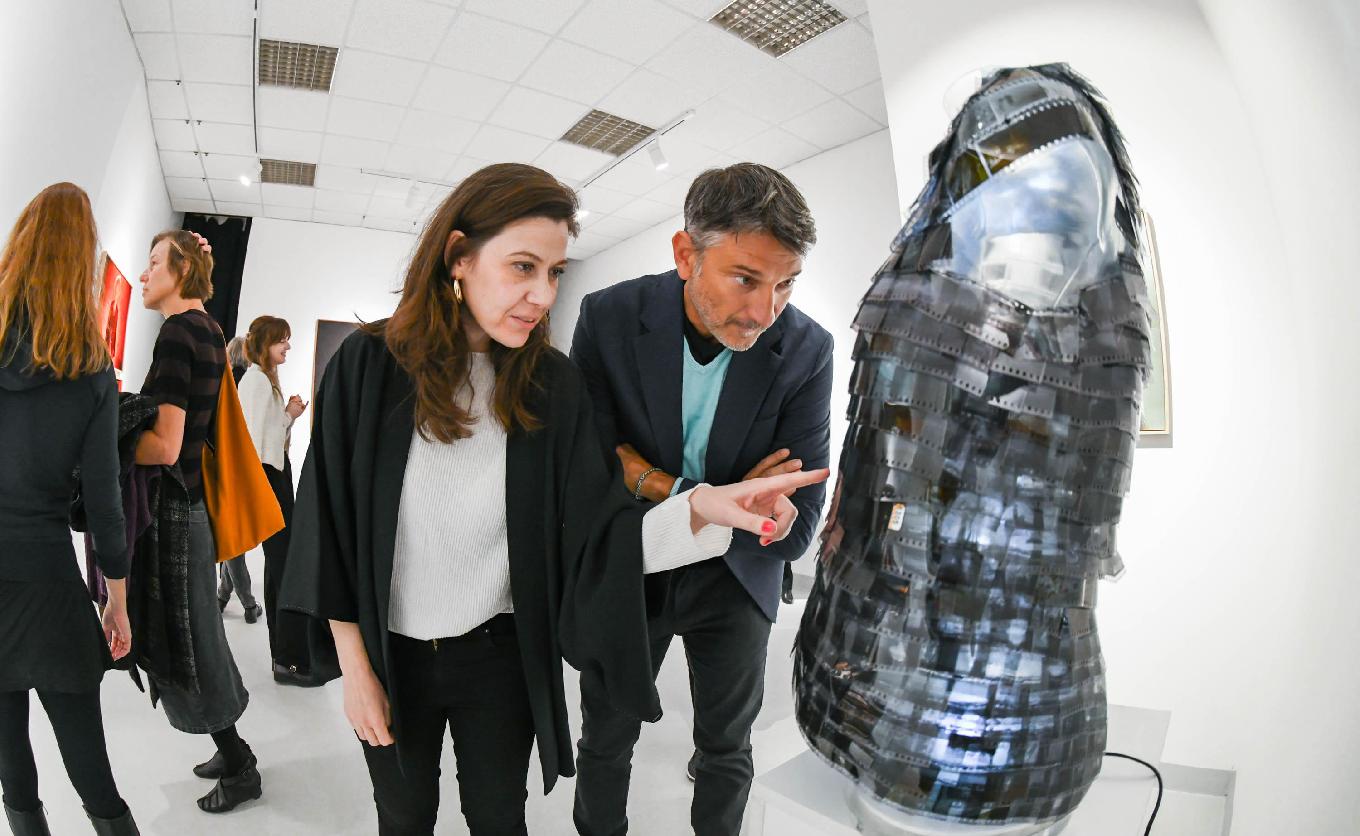
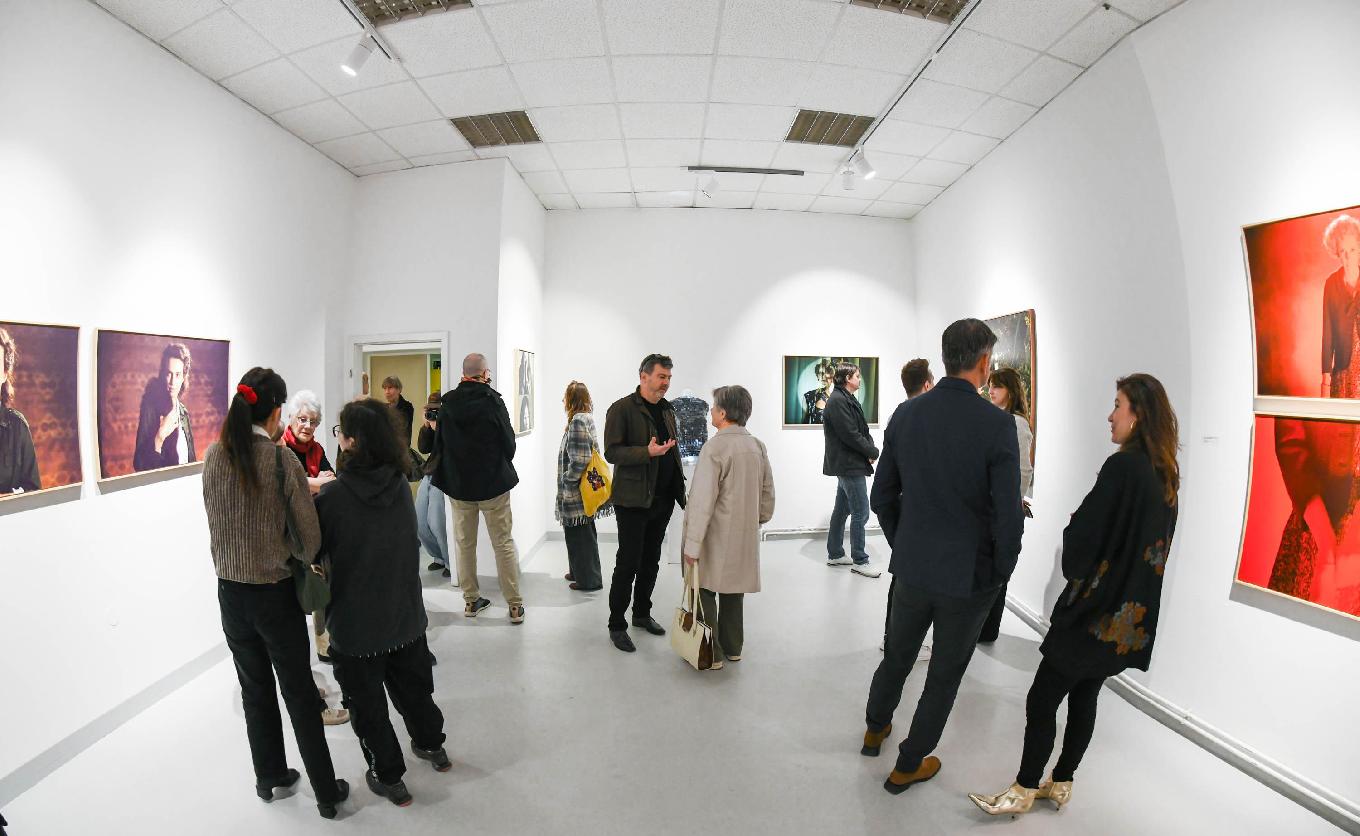
Alongside the March 15 commemorations, the month’s cultural offerings were enriched by a significant international collaboration. The Quiet Forces simultaneous photography exhibition was realized as a joint project of the Photon Gallery and the Liszt Institute, opening on March 11 and showcasing the work of two contemporary Hungarian artists. Zsuzsanna Kemenesi’s series Silence explores delicate fragments of everyday reality and their symbolic dimensions through lyrical black-and-white images, weaving together intimate and institutional spaces while evoking the principle of the “butterfly effect.” Anna Tihanyi’s exhibition Counterbalance includes the Cycle of Womanhood series, the Breastplate (Choshen) installation, and the Motherland project, examining themes of female experience, vulnerability, protection, and memory. The exhibitions spark a dialogue on time, memory, identity, and femininity, while also marking a new milestone in the long-standing, successful collaboration between the two institutions, which over the years has brought numerous Hungarian exhibitions to Ljubljana.
In this way, the program series not only provided a fitting tribute to the memory of the 1848-49 Revolution but also created an opportunity to display the richness and diversity of Hungarian culture. Through concerts, exhibitions, and community events, the international audience could experience firsthand the distinctive atmosphere of both classical and contemporary art, while also gaining a deeper appreciation for the values of Hungary’s historical and cultural heritage.