National Poetry Day overview at the Liszt Institutes
Hungarian Poetry Day has been celebrated on 11 April, the birthday of Attila József, since 1964. This year, the Liszt Institutes paid tribute to Hungarian poetry with literary performances, book presentations, poetry recitation competitions, poetry distribution, drama pedagogy workshops, and a poetry illustration contest.
The Liszt Institute New York celebrated Hungarian Poetry Day on 11 April, 2024, with a special poetry distribution in one of the busiest locations in New York, Central Park, presenting the most beautiful poems of Hungarian literature to passersby. American pedestrians and those enjoying the beautiful weather in the park could find English translations of contemporary and classical Hungarian poets' finest verses on colorful flyers. Readers had the opportunity to discover the works of immortal classics such as Sándor Kányádi, Gyula Juhász, Ágnes Nemes Nagy, and Mihály Babits.
The Liszt Institute Stuttgart organized a special literary evening in partnership with the Klebelsberg Castle - Civil Education Foundation, where Pál Oberfrank, a recipient of the Kossuth and Jászai Mari awards and the director of the Petőfi Theater in Veszprém, paid tribute to Miklós Radnóti, one of the greatest figures in Hungarian poetry. In his captivating performance, Pál Oberfrank praised Radnóti's life's work and unique poetry, enriched with chronological diary excerpts, poems, photographs, and musical interludes. The evening provided an opportunity to become acquainted with the poet's life, his poems, and their impact on contemporary literature.
The Liszt Institute Moscow released a short film featuring readings of Endre Ady's poem "Autumn Sundays in Small Towns" in various locations in Tver, including the square named after Kaposvár, Tver's sister city in Hungary.
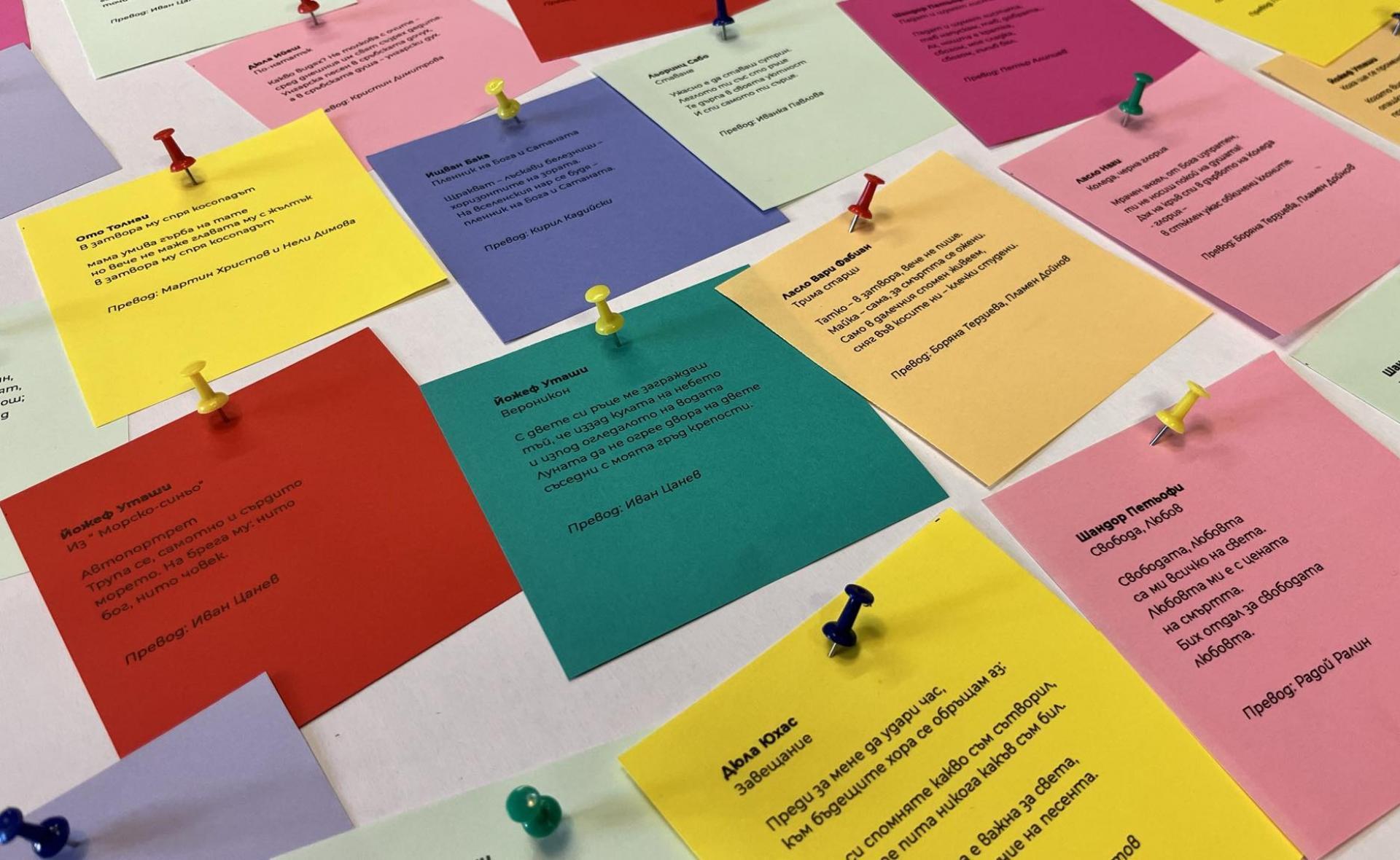
On the occasion of Hungarian Poetry Day, colorful post-it notes with Hungarian literary verses translated into multiple languages were available for reading in London. Several foreign Hungarian institutes have joined the initiative of the Liszt Institute London, known as the playful #postitpoetry campaign launched in 2018, thus promoting Hungarian culture among the international audience. Passersby around the Liszt Institute near Trafalgar Square and at various landmarks in London could read excerpts of Hungarian poems. This year, the #postitpoetry wall was enhanced with a browsable catalog containing copies of original manuscripts from the Petőfi Literary Agency's digital manuscript archive, as well as a social media campaign. During the campaign, the institute encouraged its online followers to recite Hungarian poems and share videos of them. The program also involved the Consulates in Edinburgh and Manchester, where they displayed the finest gems of our literature in their customer spaces.
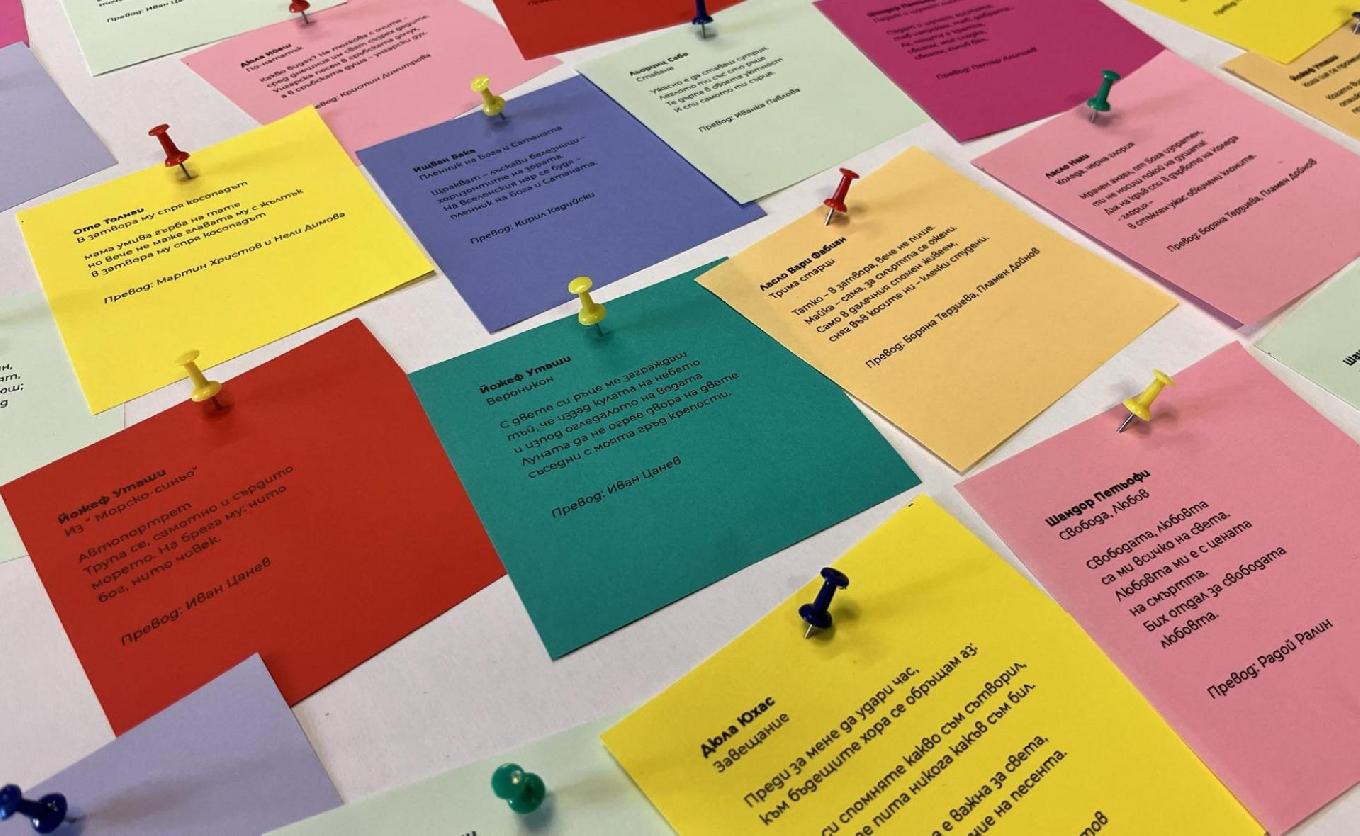
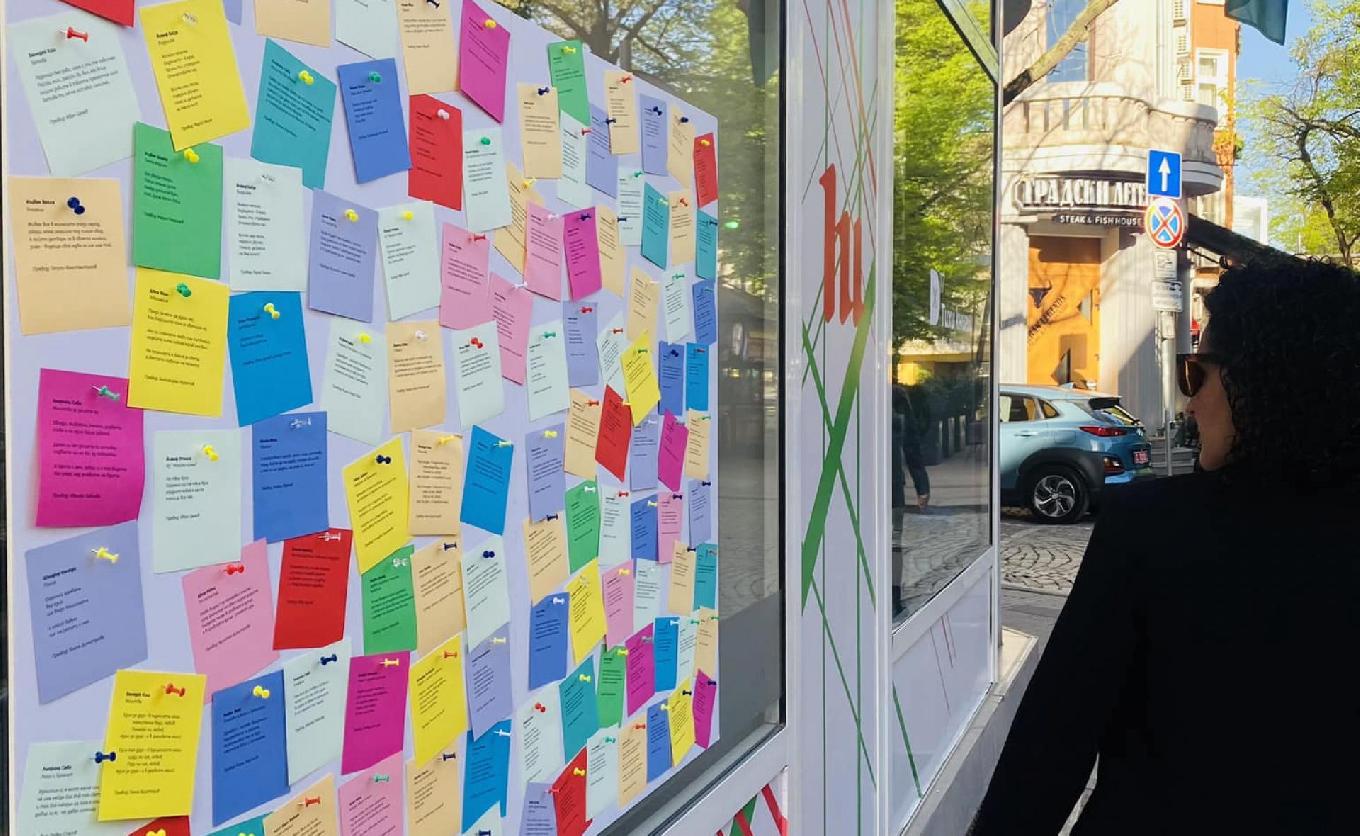
The Liszt Institute Sofia covered its street-facing wall with post-it notes featuring Bulgarian translations of excerpts from Hungarian poets, while thanks to the Berlin Collegium Hungaricum, the works of Hungarian authors were displayed in German on the institute's wall.
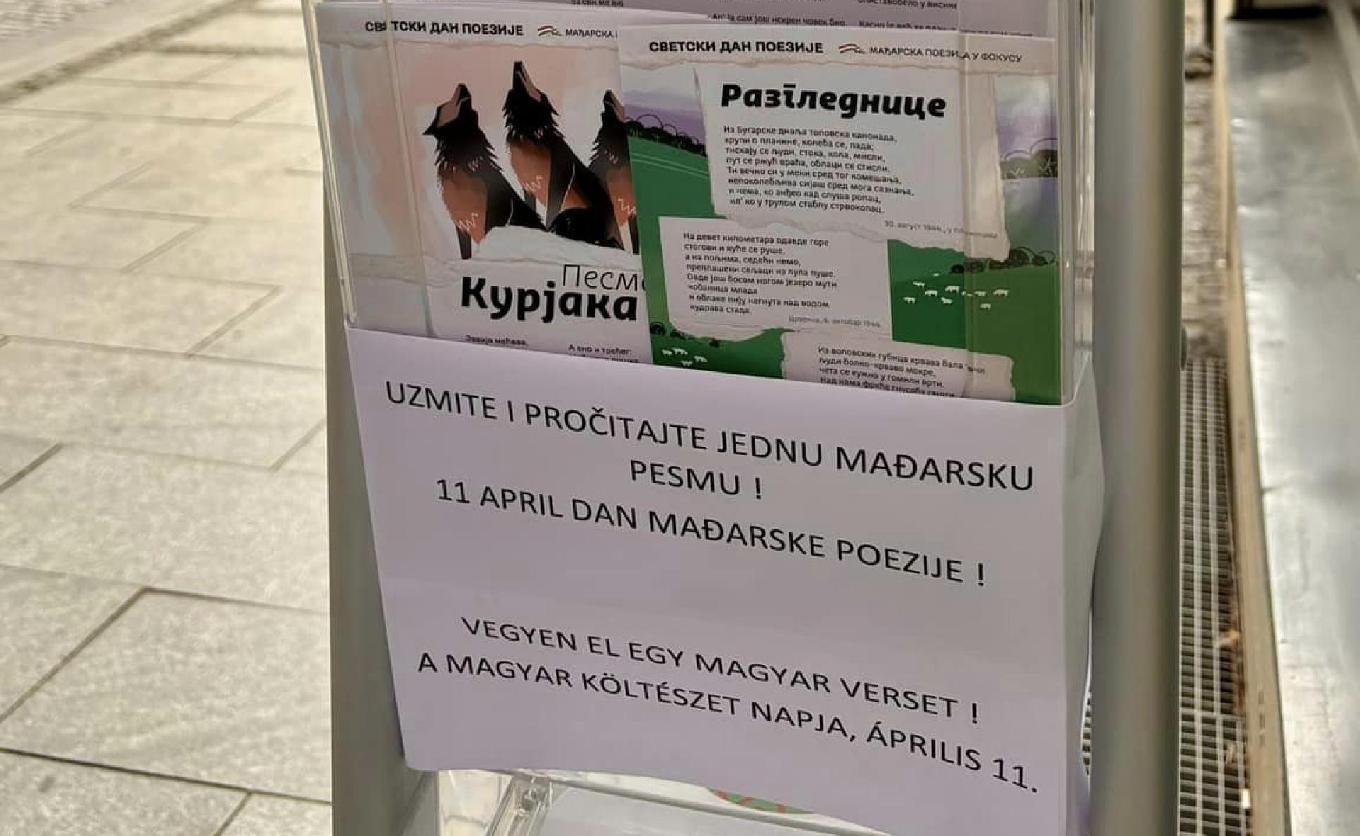
On the occasion of World Poetry Day (21 March), the Belgrade Collegium Hungaricum presented 10 famous Hungarian literary works by Gyula Juhász, Árpád Tóth, Attila József, Sándor Petőfi, Frigyes Karinthy, and Miklós Radnóti. These works, translated by Danilo Kiš, were made available for reading on public transportation in Belgrade. Through this project, which concluded on Hungarian Poetry Day, tens of thousands of people on Belgrade's vehicles had access to these works. The institute also promoted the poems among pedestrians passing by the Collegium Hungaricum, attracting more than 150 interested individuals.
The Liszt Institute Seoul hosted a literary evening for over forty members of the Korean Poetry Society and the Interval Lyrical Poetry association. The event featured the presentation of a collection of contemporary Hungarian poet Attila F. Balázs's works, published in Korean with the collaboration of the Liszt Institute and Korean literary organizations. Additionally, eight large-scale paintings by Tibor Simon-Mazula were exhibited. The event received coverage from several Korean media outlets.
On 13 April, 2024, the Hungarian Community in Finland organized their traditional afternoon of poetry recitation at the Liszt Institute Helsinki. Hungarian children living in Finland recited their favorite poems on-site and through video recordings, and participants received book rewards. This year, the Liszt Institute Helsinki enriched the program with a playful quiz, thanks to Klára Pojják, a Hungarian literature teacher. The quiz garnered great success among both adults and children.
The Vienna Collegium Hungaricum organized its program called "Vers-sor-ban" (In Line with Poetry) for the 8th time this year. The event commemorated Bálint Balassi, Gáspár Heltai, Sándor Csoma Kőrösi, and Albert Molnár Szenczi, the translator of Psalms, on this special occasion.
Under the organization of the Liszt Institute Paris, the drama department students of the Jean Philippe Rameau Music School in Paris, led by director and drama educator Balázs Perényi, presented a performance in French of John the Valiant (János vitéz) by Sándor Petőfi in the school's theater. The evening was opened by Ákos Cseke, the attaché of the institute, followed by brief introductions to the longstanding cultural cooperation by Balázs Perényi and Sylvie Pascaud, the drama teacher of the music school's drama department. Additionally, on the occasion of Hungarian Poetry Day, the Liszt Institute announced a poetry illustration competition open to both children and adults.
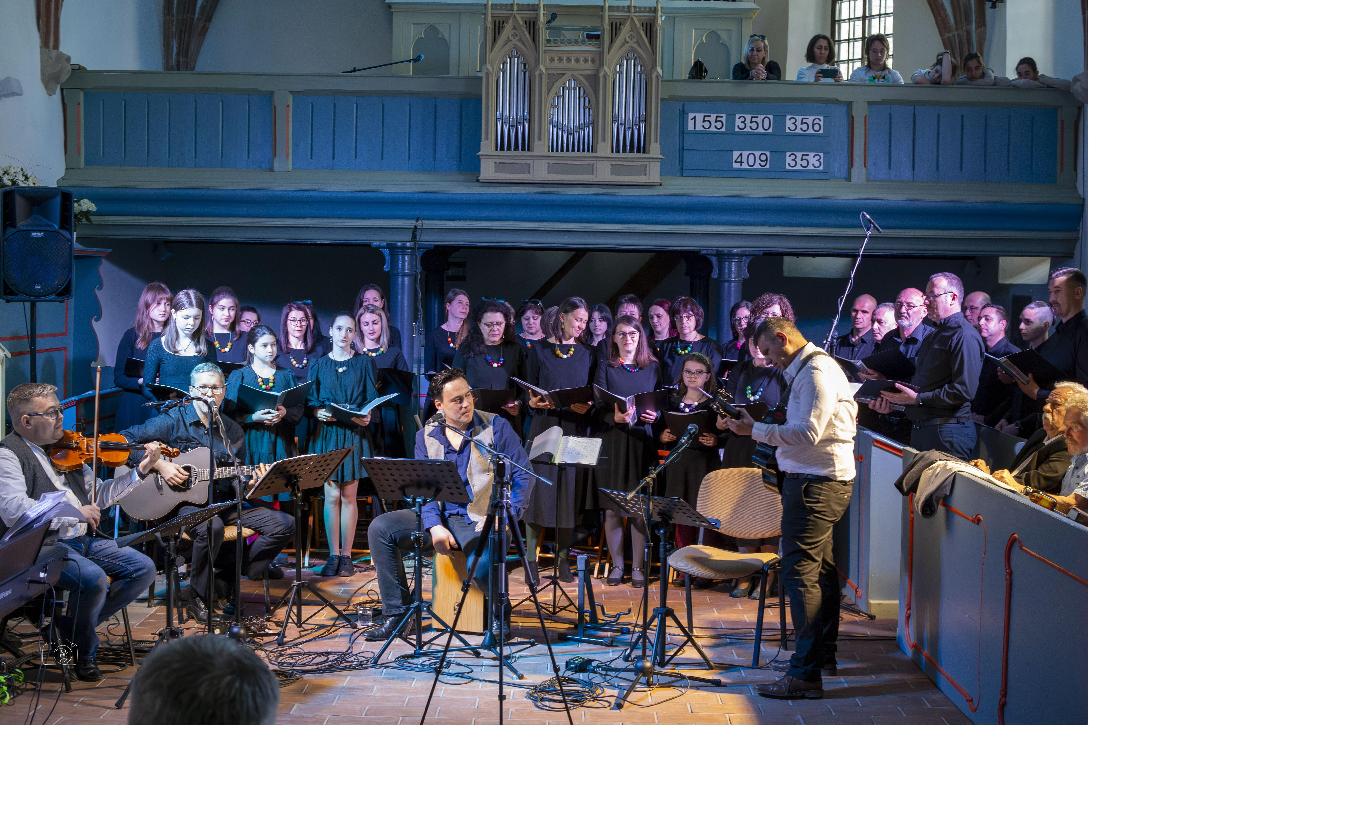
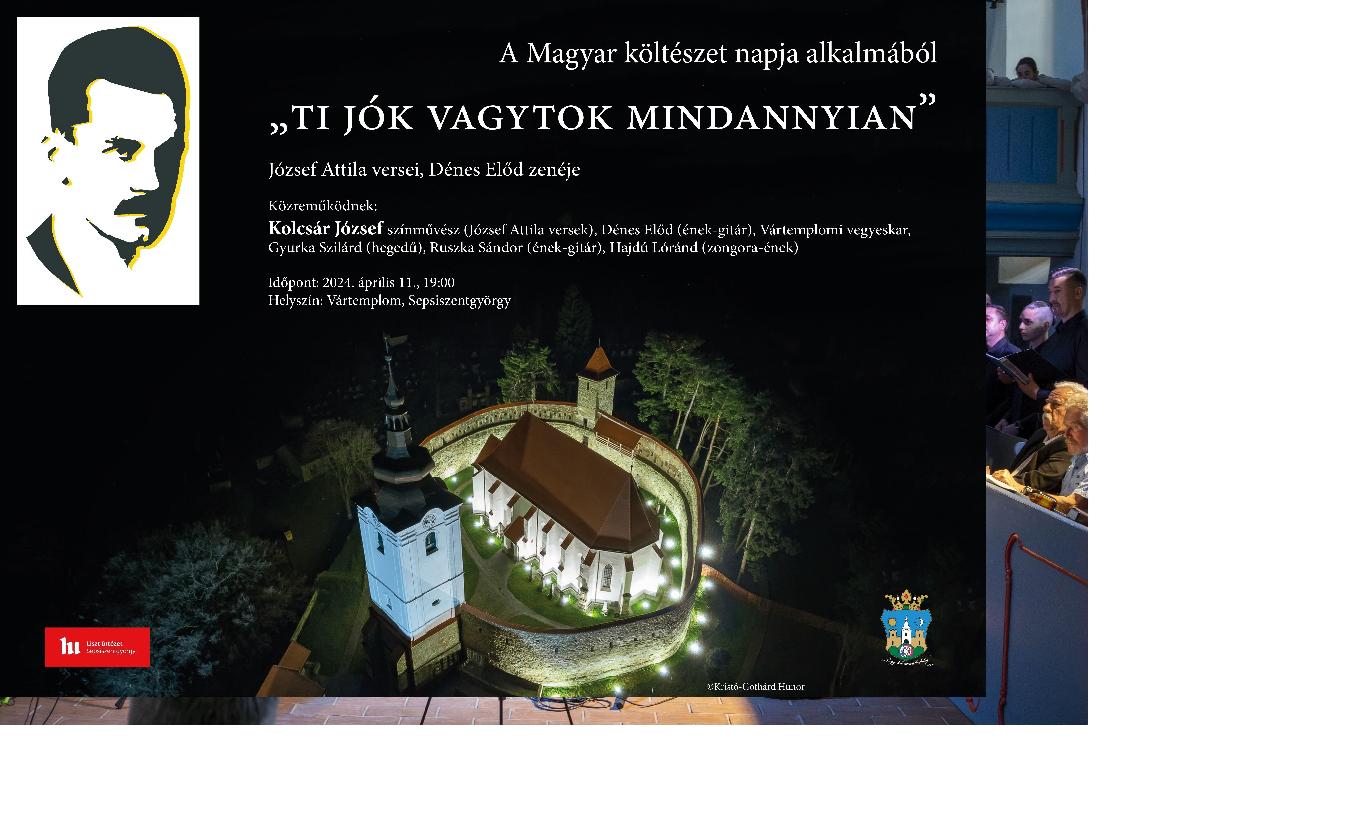
The Liszt Institute Sepsiszentgyörgy and the Reformed Congregation of Sepsiszentgyörgy held a musical-poetic performance titled "Ti jók vagytok mindannyian" (You Are All Good) inspired by the poetry of Attila József in the impressive Reformed Castle Church of Sepsiszentgyörgy. The event showcased a selection of verses from one of the most outstanding and original figures in Hungarian literature, set to music by Reverend Előd Dénes. Following a short prayer by Rev. Előd Dénes, Zsuzsanna Szebeni, the head of the Liszt Institute, addressed the audience, emphasizing the role of faith in Attila József's poetry and speaking about Karl Jaspers' concept of faith.
Led by Štampah Miha, young people from the Prekmurje (Muravidék) region presented the performance titled "Vivit amor," meaning "Love Lives!" at the Liszt Institute Ljubljana. The packed literary performance was significant because supporting Hungarian minorities beyond the borders is a priority for the institute, and each year they hold multiple events in the Prekmurje region and collaborate with Hungarian organizations in Lendava. The play provided a great opportunity for Hungarian youth living in the Prekmurje region and members of the Hungarian diaspora in Ljubljana to celebrate Hungarian poetry toget