In January, the Hungarian-Serbian Cultural Season continued to promote the shared traditions of the two nations and their preservation through a number of programs. Several musical, artistic- and community events were held, where visitors could learn about the traditions of the two countries through exciting performances.
Music, tradition, community: January summary of the Hungarian-Serbian Cultural Season
Music, tradition, community: January summary of the Hungarian-Serbian Cultural Season
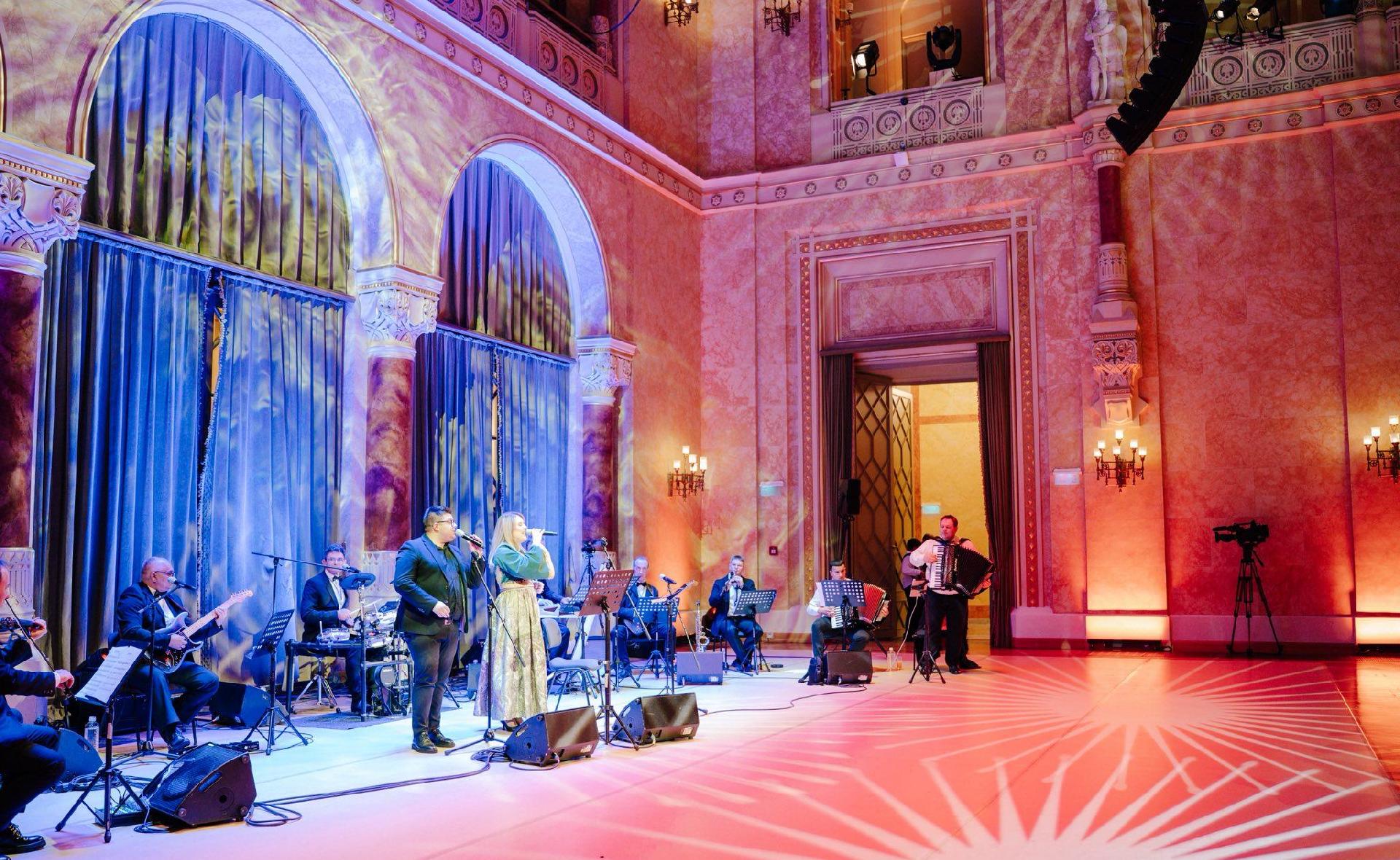
On January 13, ContraBayando and Vujicsics performed at Fonó Budai Zeneház as part of the Serbian New Year celebrations. ContraBayando is a band from Subotica, consisting of some of the most well-known musicians in the Vojvodina region. They have performed at numerous prestigious events, including the opening event of the Hungarian-Serbian Cultural Season. The Vujicsics Band is a band that presents the folk music style of the South Slavic nationalities of Hungary. The renowned artists evoked traditional Balkan melodies with their performances, and the evening ended with a party that lasted until dawn. The event also provided an opportunity for a dance house, attended by many visitors looking for entertainment.
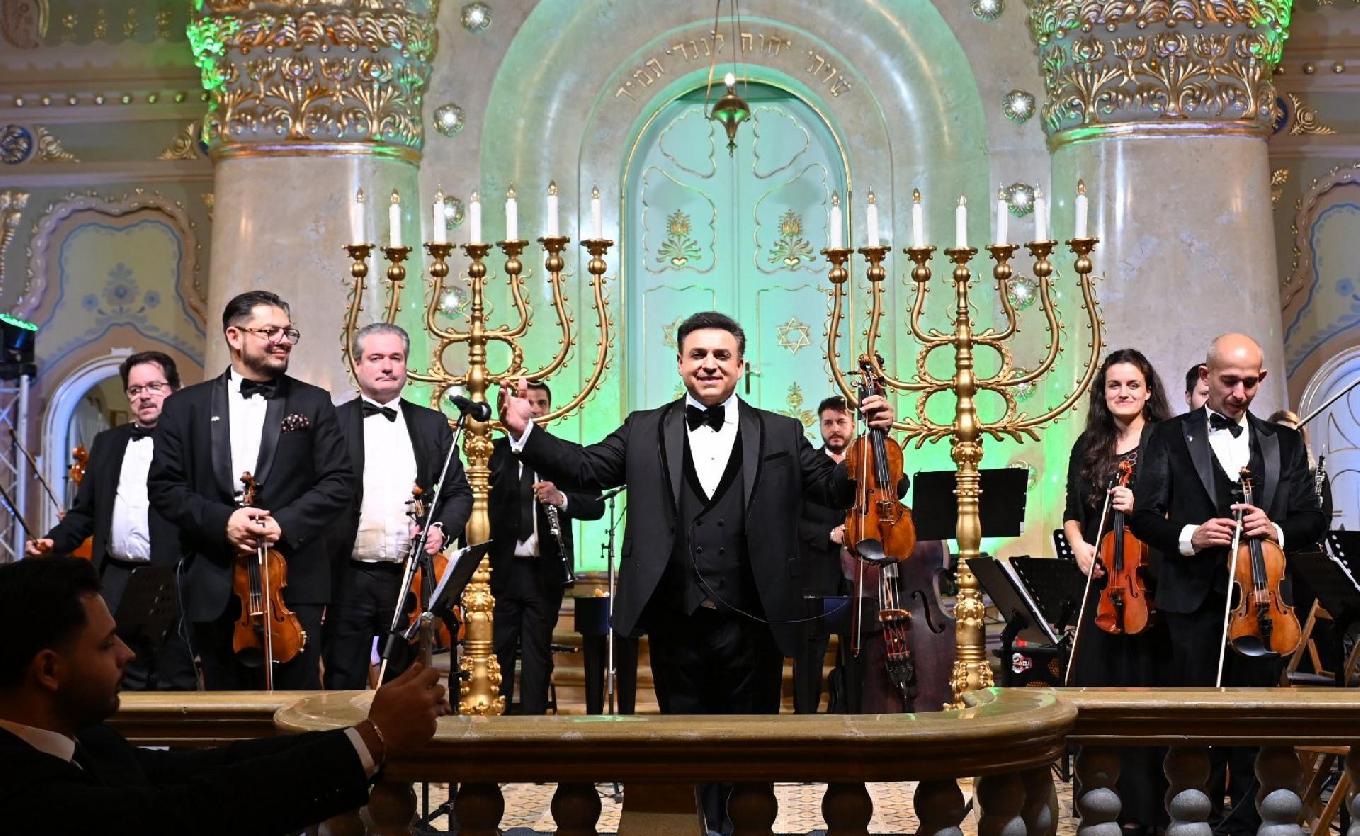
The next event in the series – and justly one of the most popular – was a concert by Zoltán Mága, winner of the Liszt Ferenc and Prima Primissima awards. On January 21, the synagogue in Subotica hosted the performance, which, as in previous years, was a resounding success. The audience rewarded the performer's well-known pieces with thunderous applause at the sold-out concert. The violinist commented on the event on his Facebook page: "It was an uplifting, memorable and historic evening."
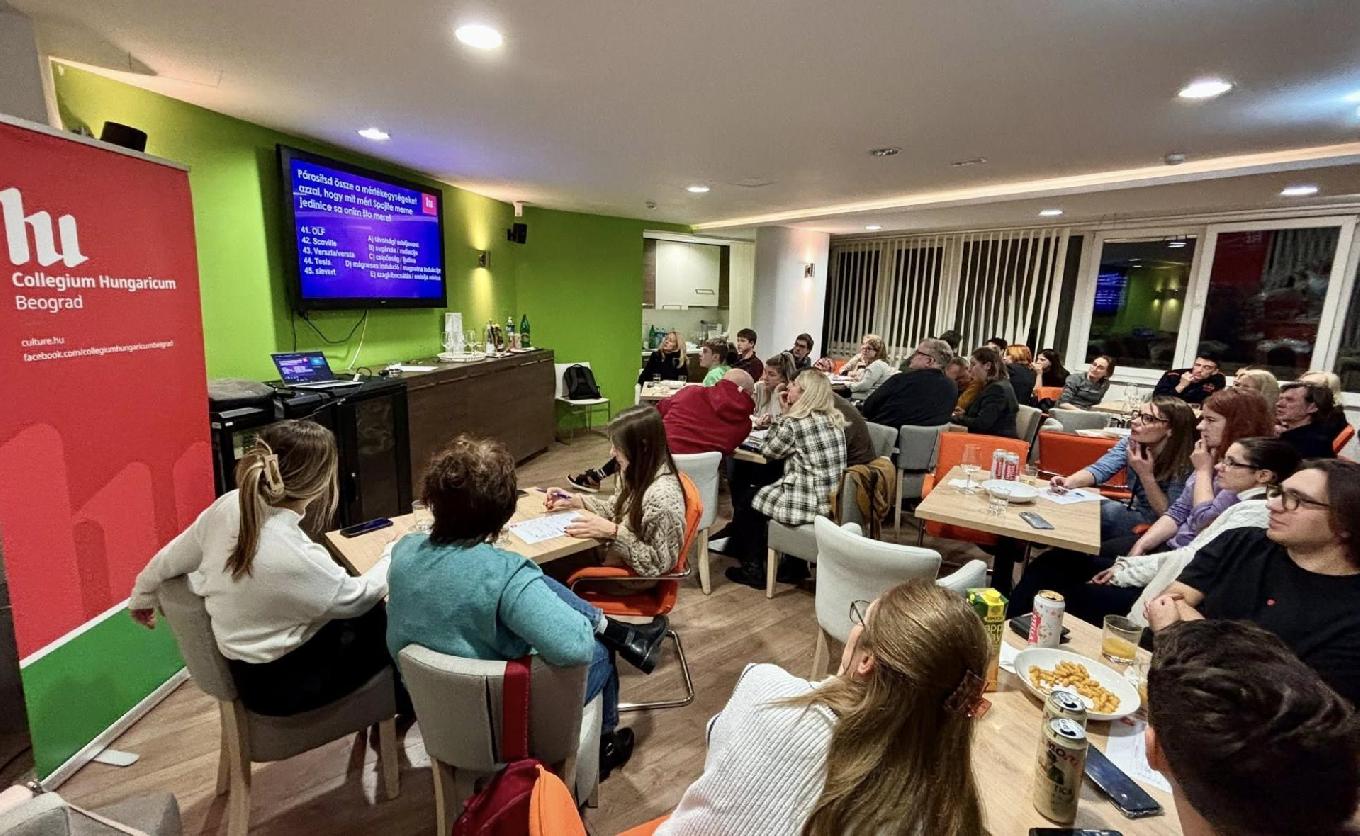
Hungarian Culture Day on January 22 is one of the most important events for expressing Hungarian identity and national values. On this day, the Collegium Hungaricum in Belgrade organized a pub quiz night in the institute's building. During the playful competition, participants were able to test their knowledge of Hungarian and Serbian culture and general knowledge. The teams participated in the game with great enthusiasm and active involvement, which contributed to cultural awareness as both an entertaining community event and an educational program.
Nikola Tesla – Infinite Energy, a musical by Hungarian theater company TBG Production, was performed on January 24 at the Serbian National Theater in Novi Sad. The award-winning production has received tremendous acclaim on numerous occasions, and this was no different here. The play presents the life and work of Nikola Tesla using state-of-the-art show technology, which provides the audience with a unique visual experience. The story takes the audience through Tesla's adventurous life, presenting both his struggles and his successes. The play's significance is not only evident in its cultural and artistic elements, but also in its role as a means of expressing the close relationship between the two countries and our shared past.
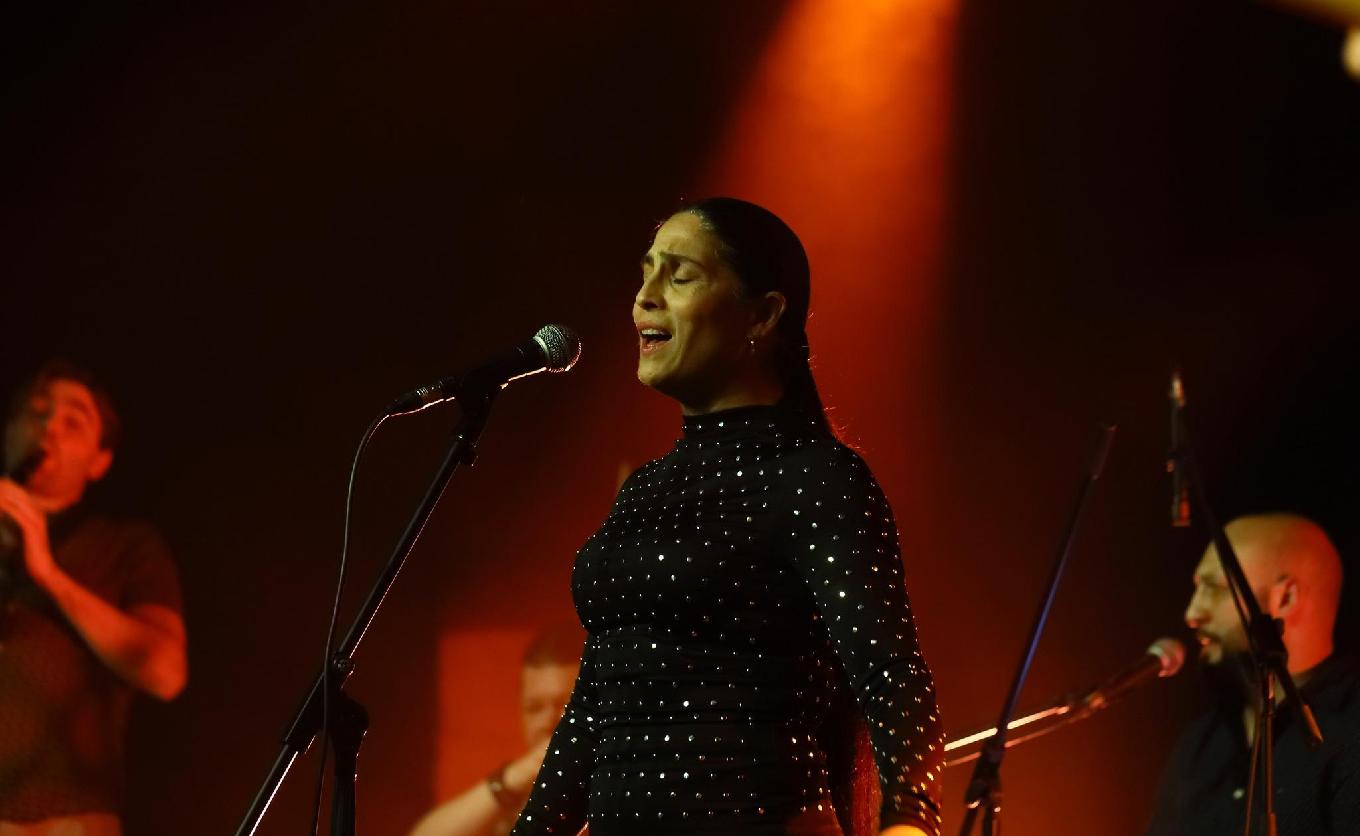
The next event of the season was a joint concert by Mónika Lakatos and the Serbian band Naked in Novi Sad. The two bands collaborated to perform their own and joint songs, blending the world music sound of Naked with the melodies of the Hungarian Roma genre. The audience left the concert feeling uplifted and, in recognition of their great performance, they call them back twice, prompting them to give two encores. The joint performance proved that the Hungarian and Serbian peoples truly feel the same rhythm, which our unparalleled artists presented beautifully.
The Palace of Arts hosted the Jazz Showcase international jazz talent exchange for the 19th time between January 30 and February 1, and this year’s event held special significance. As part of the Hungarian–Serbian Cultural Season, Serbian-born Vladimir Kostadinović and his quartet performed in the Friday evening program. This year’s Showcase was an outstandingly successful event, as the competitors received significant performance opportunities, positive feedback, and professional advice from both the jury and other renowned performers. As in previous years, several awards were presented in recognition of the emerging artists’ talent.
Finally yet importantly, January's series of events concluded with a solemn commemoration. On January 31, Budapest celebrated St. Sava's Day, one of the most important holidays of the Serbian Orthodox Church. The purpose of the event was to express solidarity and peace, as well as to responsibly preserve the legacy of St. Sava. The ceremony, organized by the Serbian National Self-Government and the Serbian Orthodox Diocese of Buda, evoked the solidarity between Hungarians and Serbs and their shared historical past. The evening was opened with a speech by Anita Kiss-Hegyi, State Secretary for Cultural Relations at the Ministry of Culture and Innovation, in which she highlighted the spiritual and cultural significance of St. Sava's legacy.