Hungarian Stories and Melodies in the Heart of Tallinn
In the first months of 2026, the Liszt Institute Tallinn offered a diverse program lineup for Estonian, Hungarian, and international audiences. In February, visitors could enjoy a concert by the wind musicians of Concerto Budapest within the walls of Kadriorg Palace. The event series also featured a presentation of “The Tower of Dagö” by Mór Jókai, along with three online films: “Ice Cream Can Be Dangerous,” “Hard Hat and Potato Nose,” and an adaptation of “The Paul Street Boys.” In March, the program series concluded with a traditional Easter egg painting workshop, where Hungarian families living in Tallinn and local participants came together to enjoy a creative and communal activity. The events combined music, literature, film, and traditions, showcasing the richness and diversity of Hungarian culture in the Estonian capital.
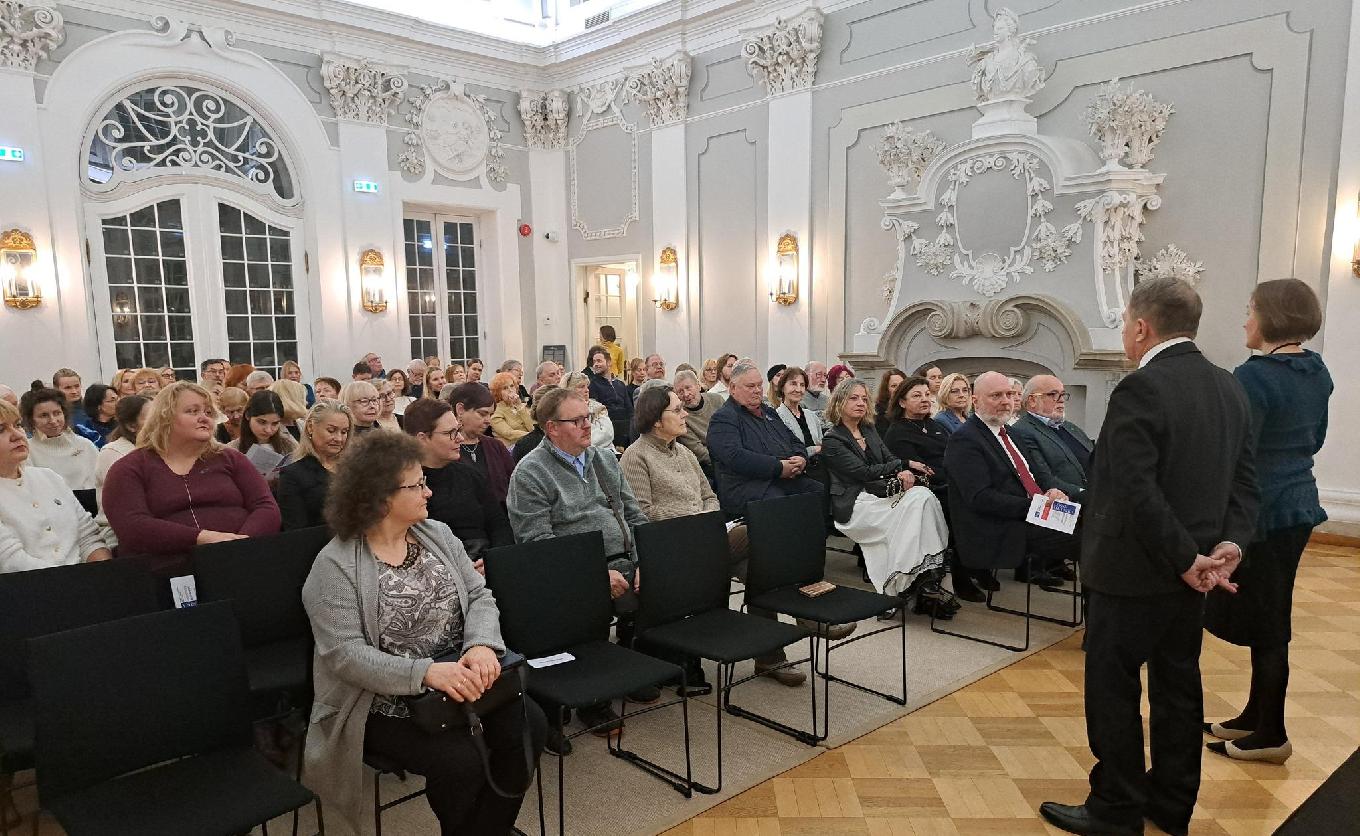
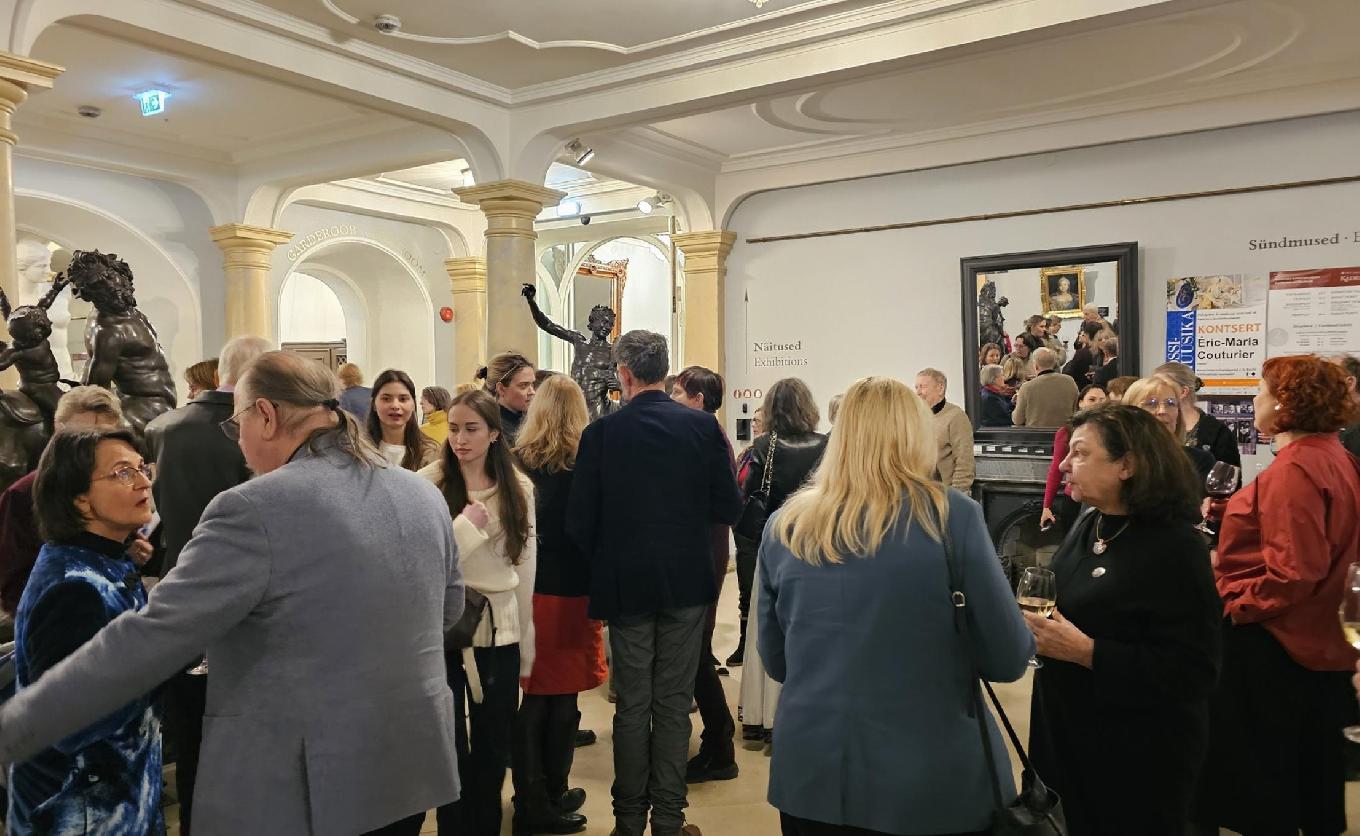
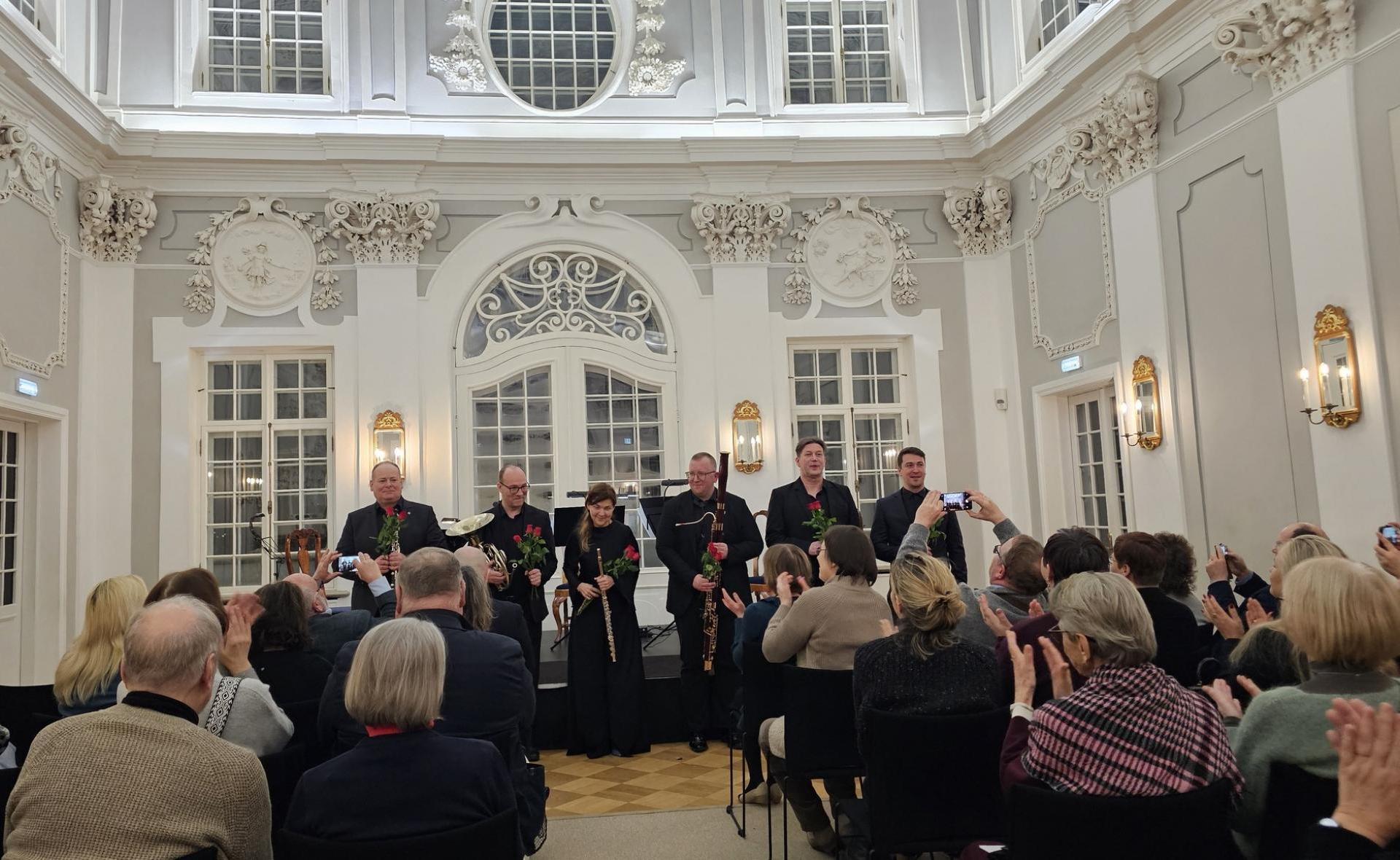
One of the standout musical events of the February program series was a performance by the leading wind musicians of Concerto Budapest, held within the picturesque walls of Kadriorg Palace and Art Museum. Organized as part of the palace’s long-running “Palace Music” concert series, the event titled Concerto Winds attracted an audience of around 120 people, including local music enthusiasts, tourists, and members of the Hungarian community in Tallinn. What made the program particularly special was its repertoire: alongside classical works by Wolfgang Amadeus Mozart and Ludwig van Beethoven, it also placed strong emphasis on 20th-century Hungarian composers, featuring pieces by György Kurtág and György Ligeti. The concert not only provided a rich musical experience but also served as a fitting tribute to the centenary of György Kurtág.
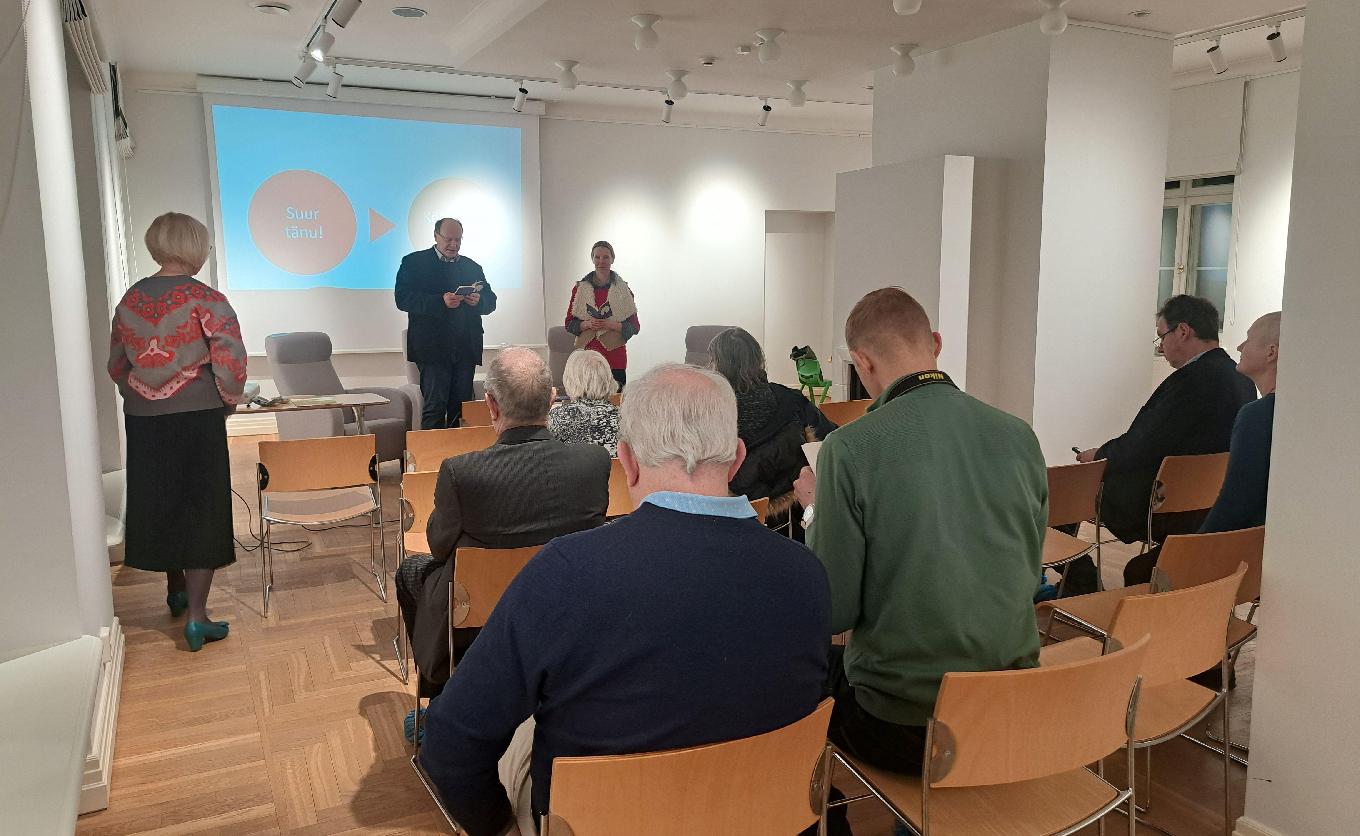
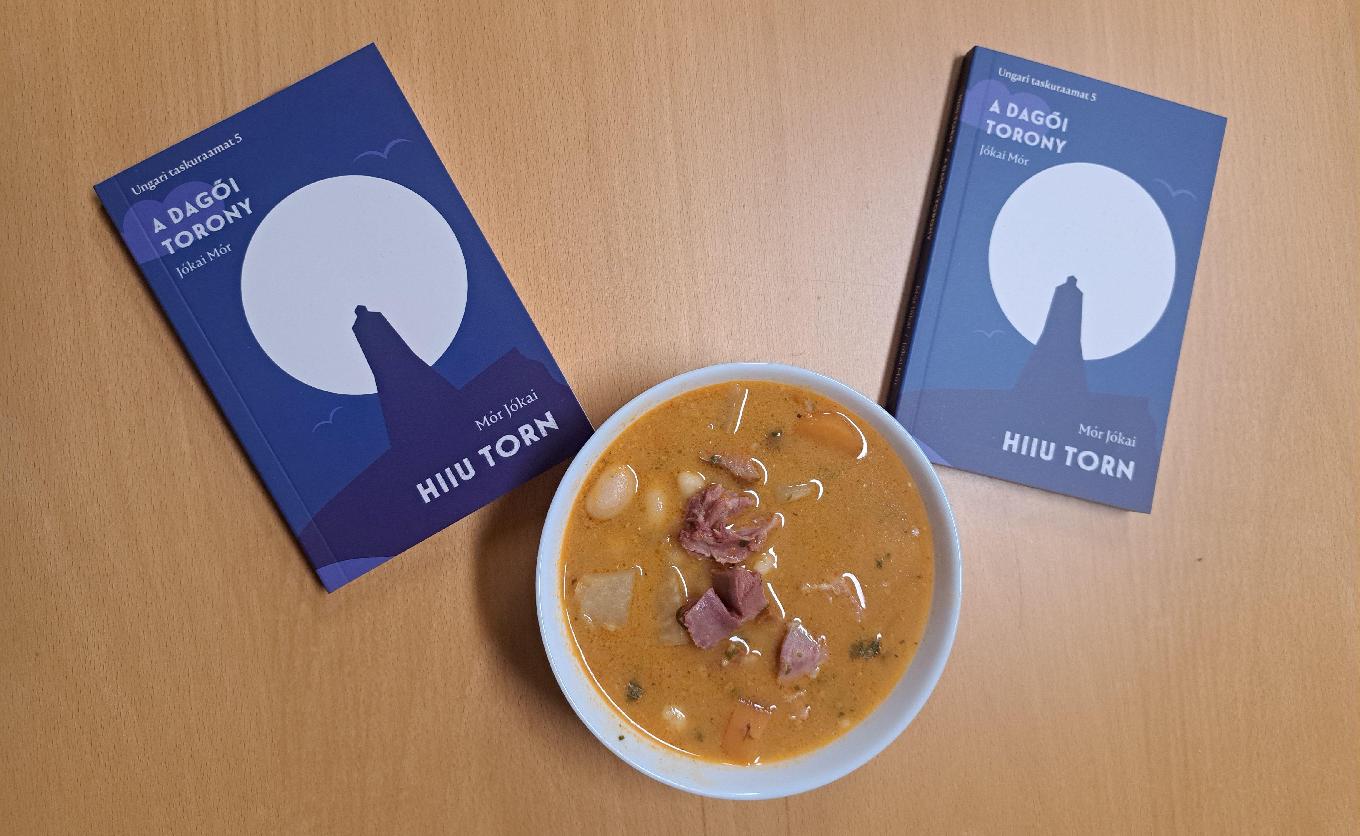
On February 12, the Liszt Institute Tallinn hosted the premiere presentation of “The Tower of Dagö” by Mór Jókai, the first Hungarian literary work set in what is now Estonia, on the island of Hiiumaa. The volume was published in a bilingual Hungarian-Estonian edition in collaboration with the Hiiumaa Museum, translated into Estonian by Sander Liivak, and enriched with illustrations and scholarly afterwords. The evening was led by Piret Norvik, a linguist and literary translator, and Szilárd Tibor Tóth, a lecturer at the Narva College of the University of Tartu. Through illustrated presentations and readings, they introduced the audience to the historical, geographical, and literary context of the work. Participants not only heard the story itself but also gained deeper insight into Jókai’s narrative style and the atmosphere of the period. The evening concluded in a warm and friendly atmosphere with a unique culinary experience: guests were treated to Jókai bean soup, prepared by the institute, which proved to be a great success among attendees.
For film enthusiasts, the program was further enriched by three online screenings held throughout February and March. Representing contemporary Hungarian cinema, “Ice Cream Can Be Dangerous” (Veszélyes lehet a fagyi) explored the complex emotional dynamics between twin siblings through a sensitive narrative. Meanwhile, the classic youth film ”Hard Hat and Potato Nose” (Keménykalap és krumpliorr) appealed to both younger and older audiences with its nostalgic charm. The greatest interest was generated by the film adaptation of ”The Paul Street Boys” (A Pál utcai fiúk), which remains required reading in Estonian schools. The screening was viewed by several hundred Estonian elementary school students with Estonian subtitles. These screenings not only provided entertainment but also played an important role in introducing audiences to Hungarian literature and cinema.
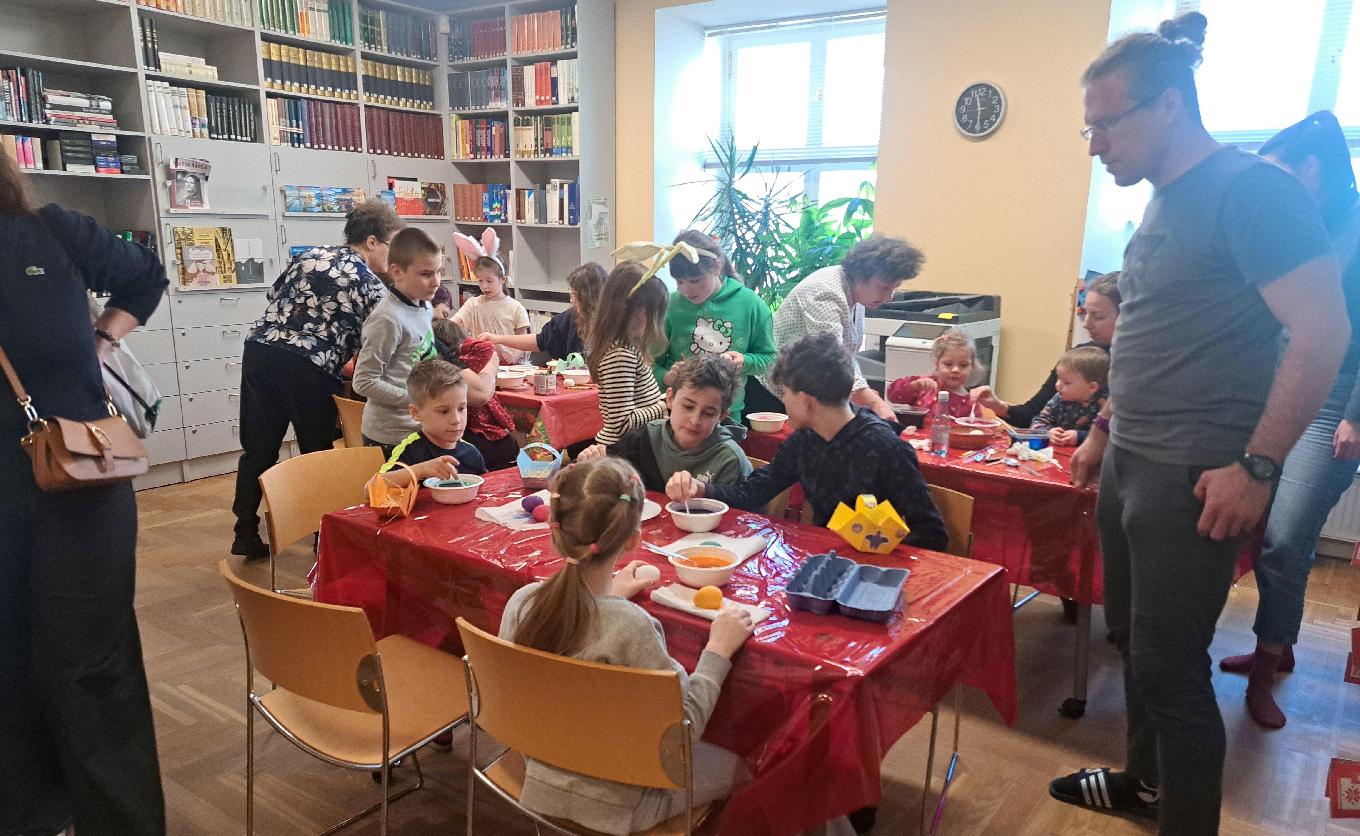
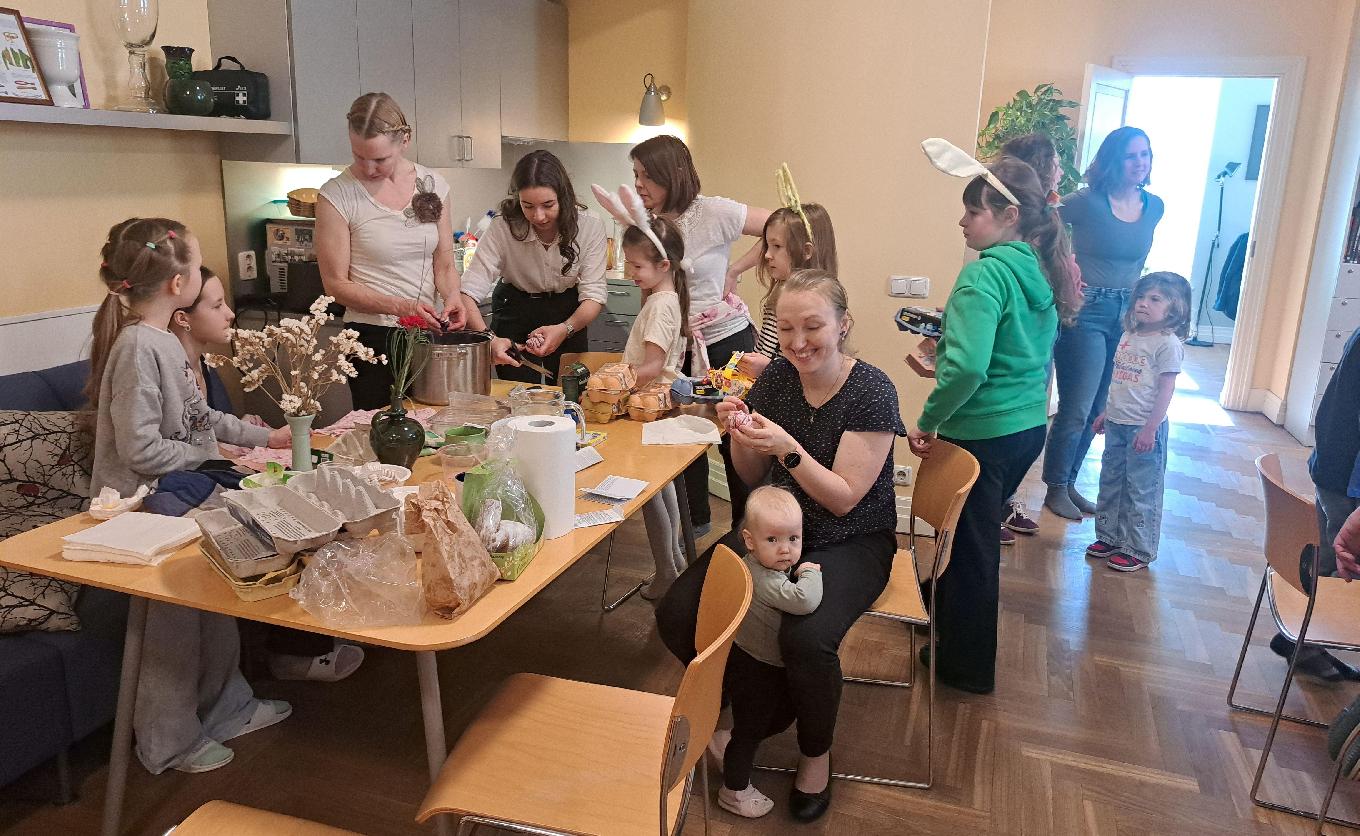
As spring approached, community experiences came to the forefront. On March 21, the traditional Easter egg painting workshop once again proved highly popular: Hungarian families, children from mixed marriages, as well as Estonian and other international participants all joined the creative program organized by the Liszt Institute Tallinn. Participants not only painted and decorated eggs but also made small baskets, took part in group games, and enjoyed a cheerful Easter egg hunt held in the institute’s courtyard. The event clearly demonstrated how preserving traditions and building community can go hand in hand.
The February and March events organized by the Liszt Institute Tallinn once again demonstrated that the richness of Hungarian culture whether in music, literature, film, or folk traditions can engage international audiences in a vibrant and accessible way. These events not only strengthened the local Hungarian community but also contributed to further deepening Hungarian-Estonian cultural relations.