Hungarian Autumn Program Series in Zonguldak Organized by the Liszt Institute Istanbul
In October 2025, the Liszt Institute Istanbul implemented a rich and diverse series of Hungarian cultural and scientific programs in Zonguldak. The events offered the local audience a unique experience that combined historical research, science, sports, and the presentation of Hungarian heritage. In addition to organizing a symposium on the historical and scientific relations between Hungary and Turkey, the Institute also held an exhibition entitled The Host State. On the occasion of research into Hungarian memorial sites in Turkey, a memorial park was inaugurated, which since October has been welcoming visitors looking to unwind and fans of Teqball – a sport developed in Hungary.
The series of events began on October 6 with the exploration of Hungarian heritage sites preserved in the Zonguldak region of Turkey. The project was carried out as part of a long-term initiative within the framework of the Hungarian–Turkish Year of Science and Innovation 2025. Researchers visited several towns and villages, conducted interviews with members of the Macaroğlu family, and documented former Hungarian residences as well as gravestones in local cemeteries. The information, photographs, and video footage collected during the research will be published at a later stage, allowing a wider audience to learn more about the history of the Hungarian heritage in the region.
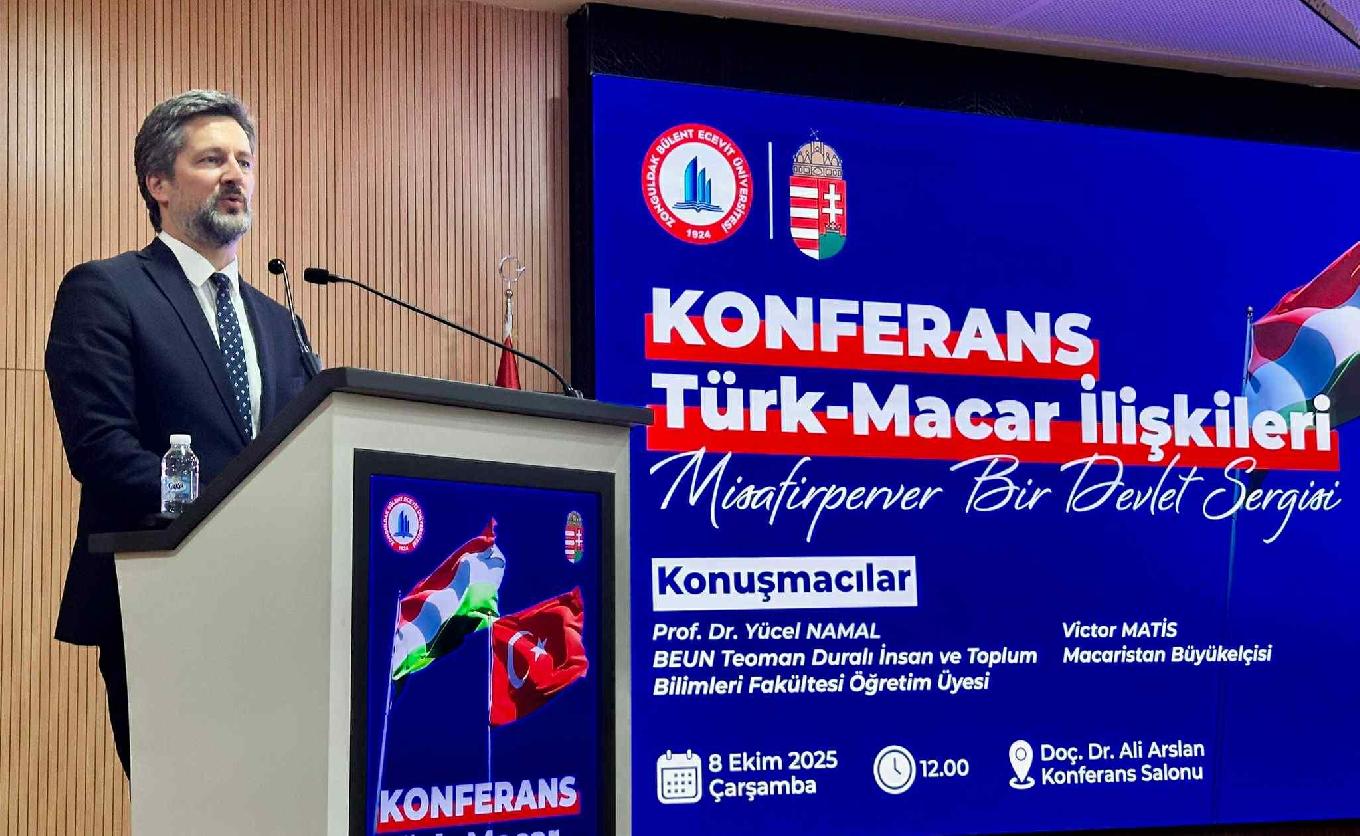
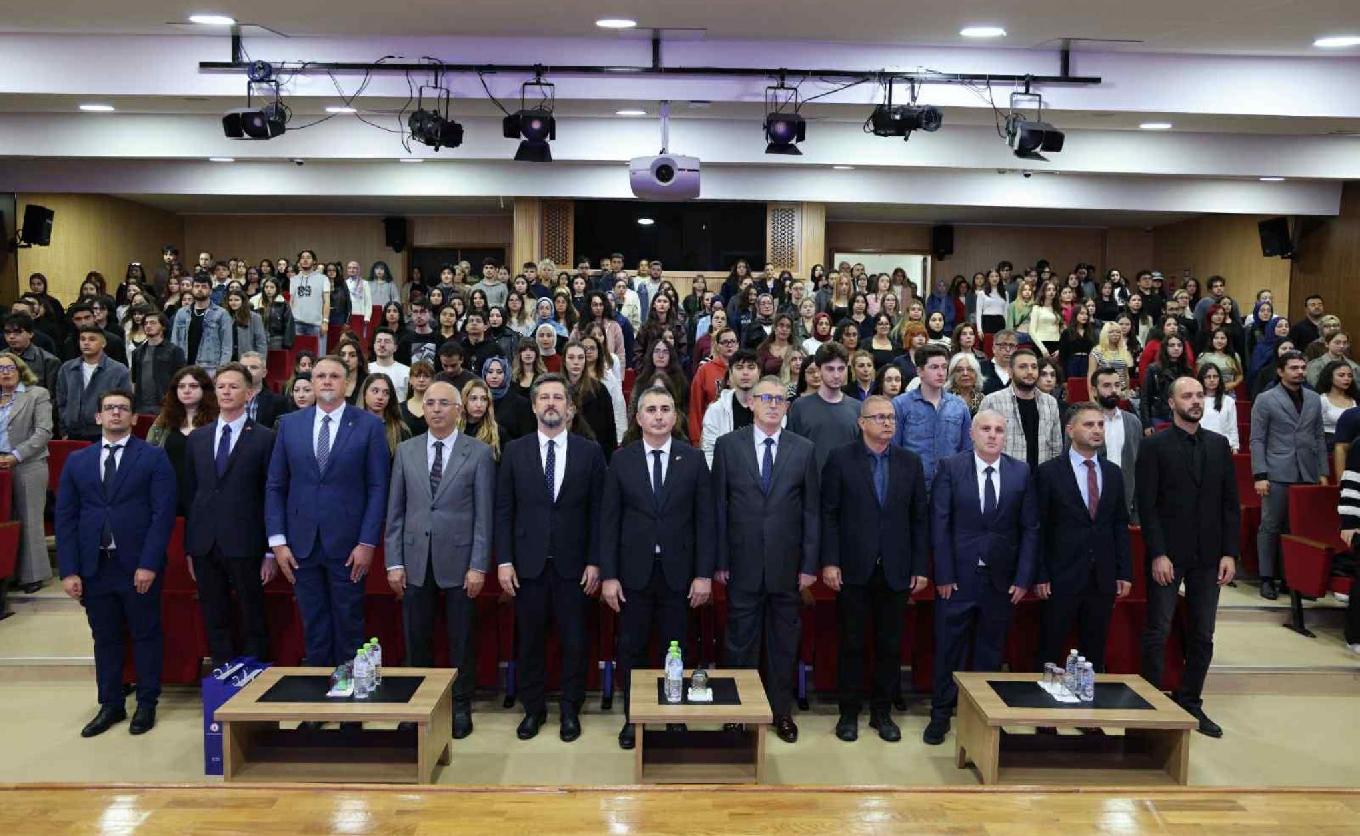
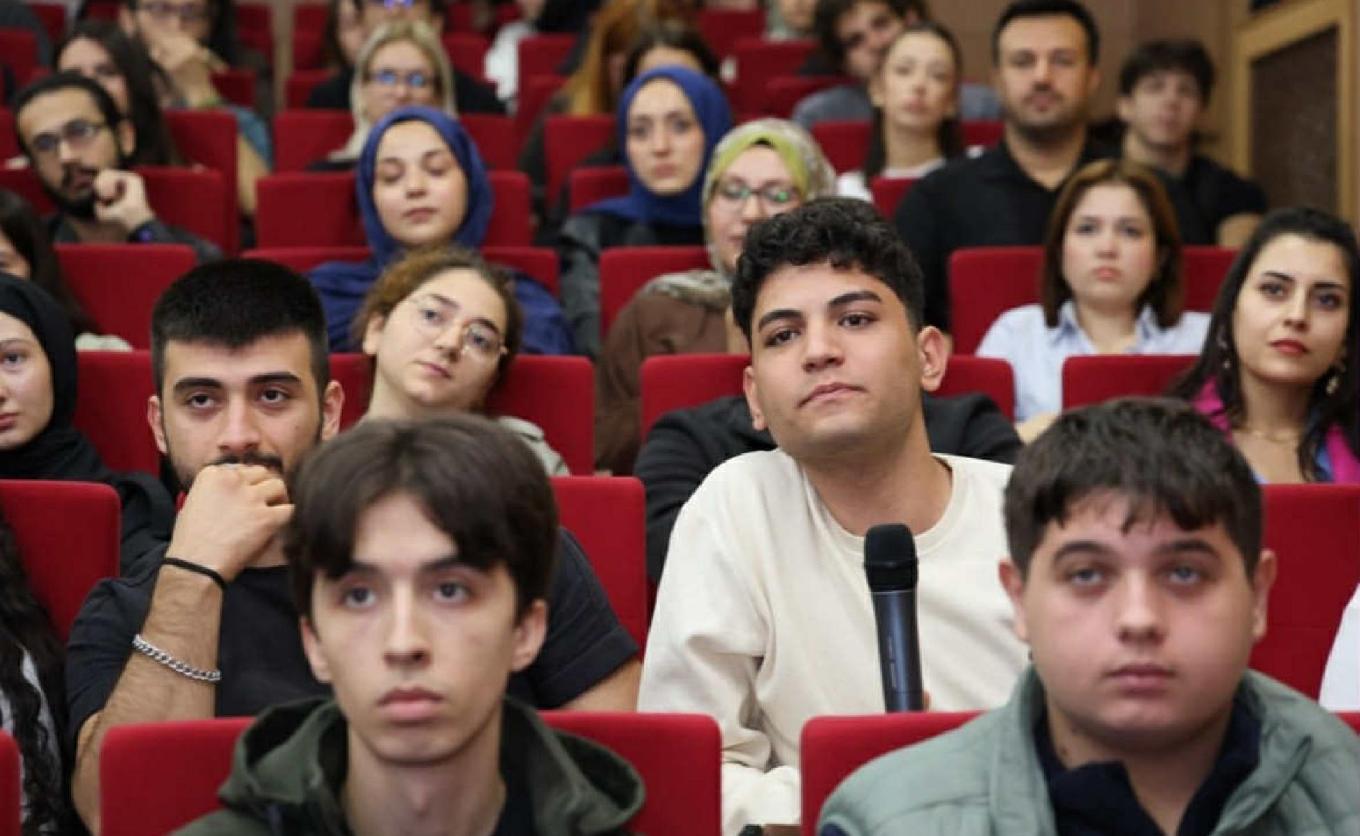
The following day, the Liszt Institute Istanbul organized a full-day scientific symposium at Bülent Ecevit University, focusing on the historical relations between Hungary and Turkey and the prospects for future scientific cooperation between the two countries. Among the many lectures delivered during the event, Prof. Dr. Yücel Namal spoke about the origins and development of the historical ties, while Ambassador Viktor Mátis gave a comprehensive presentation on current diplomatic, economic, and educational collaborations, as well as Hungarian scholarship opportunities. The symposium’s primary goal was to strengthen scientific and cultural dialogue, offering participants an opportunity to explore the past, present, and future perspectives of Hungarian–Turkish cooperation.
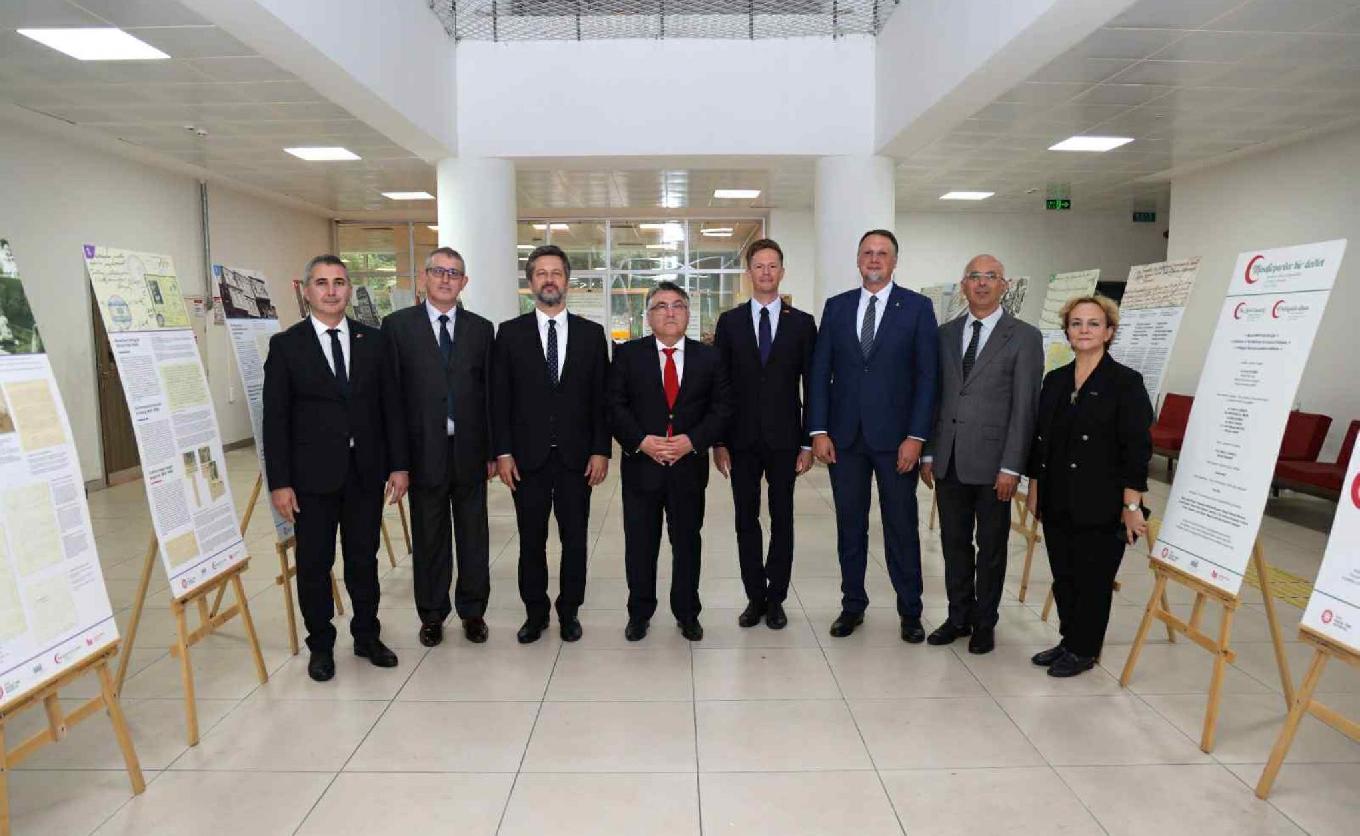
On October 8, the exhibition The Host State was opened at Bülent Ecevit University, organized in cooperation with the Hungarian National Archives. The exhibition presented the lives and destinies of Hungarians in Turkey from the 18th to the 20th century. It placed special emphasis on prominent historical figures such as Imre Thököly, Ilona Zrínyi, Francis II Rákóczi, Lajos Kossuth, and Ödön Széchenyi, as well as on the stories of Hungarians who fled to Turkey after 1956. The exhibition offered visitors an opportunity to gain insight into the complex and diverse world of Hungarian history and collective memory, while also highlighting the enduring legacy of the Hungarian community in Turkey. The timing of the exhibition lent it particular resonance, coinciding with the October 6 day of remembrance, which underscored the historical context and the importance of commemoration.
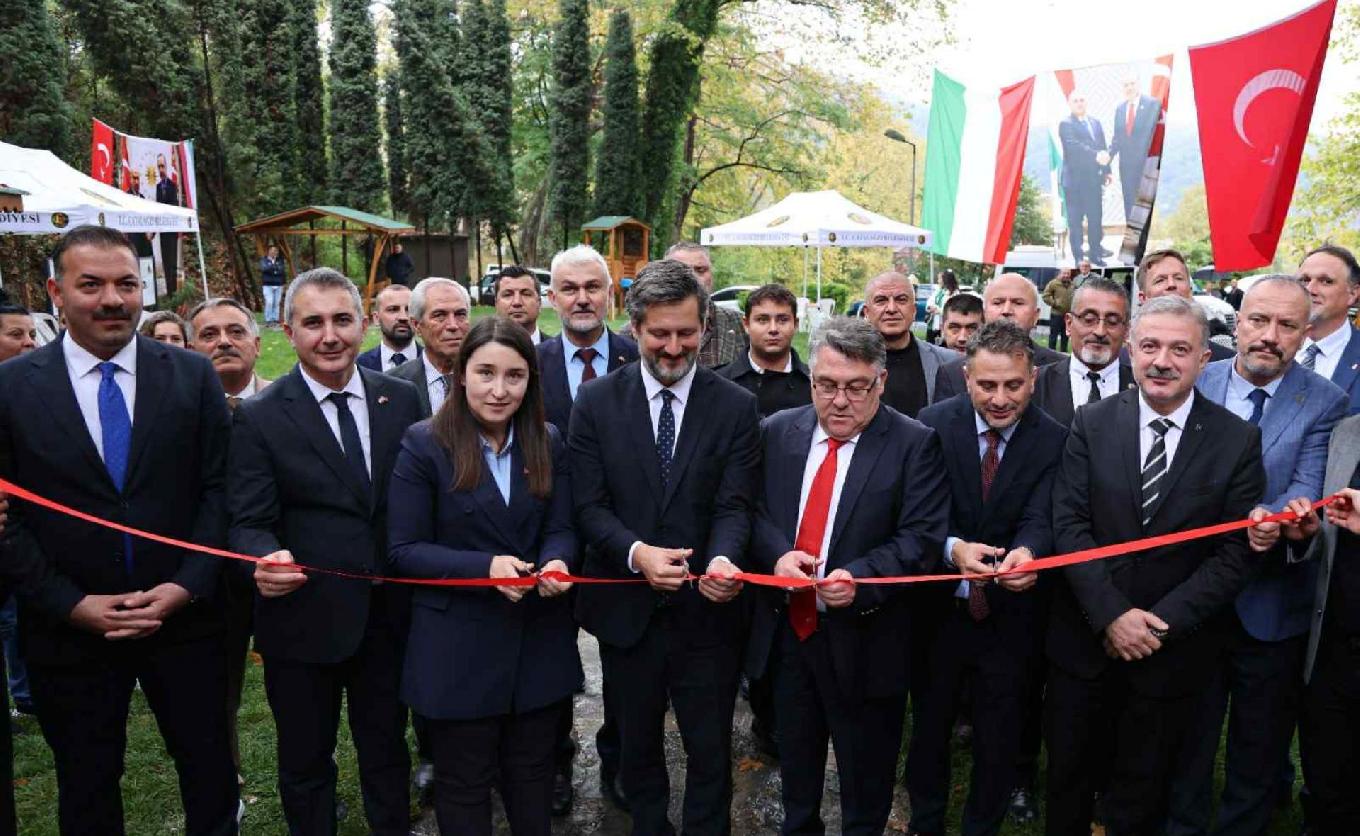
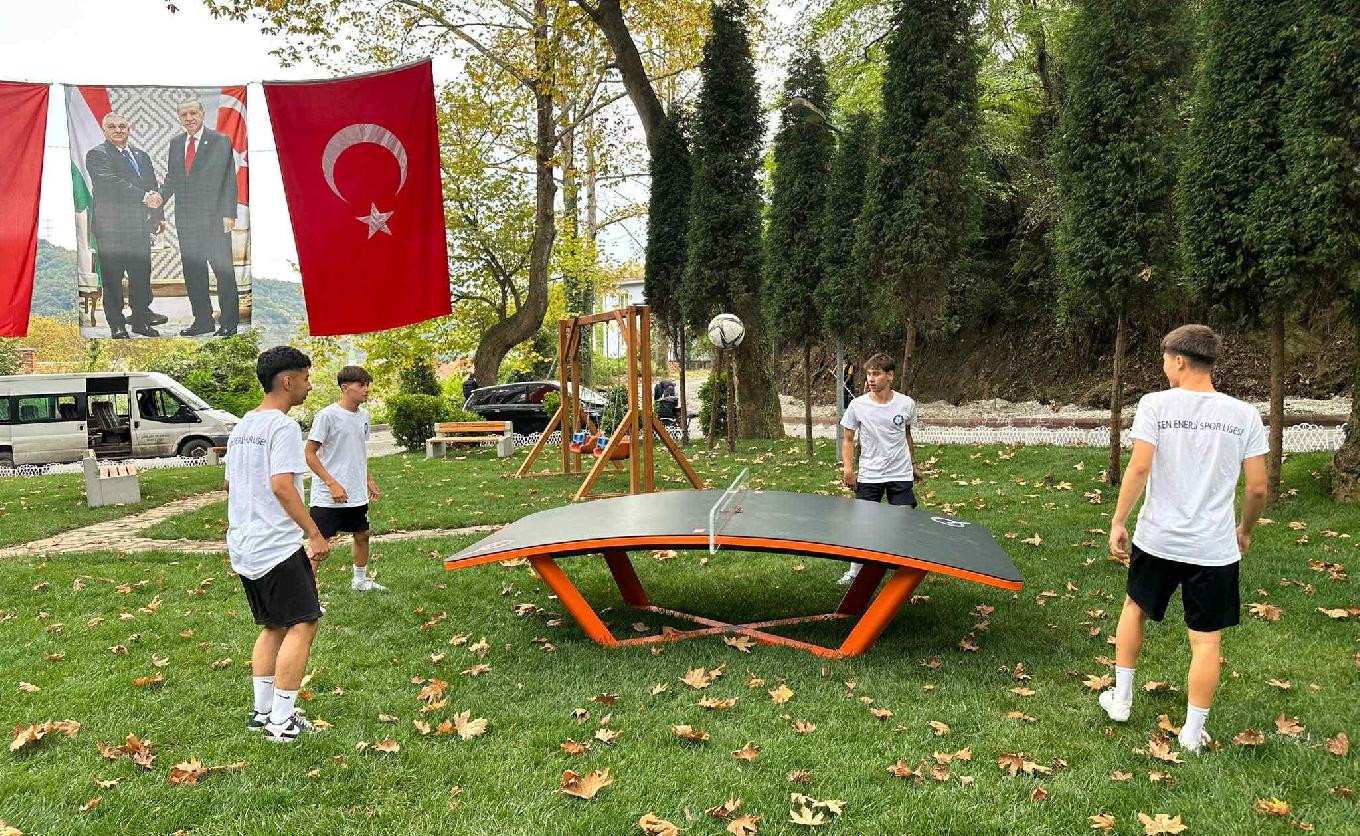
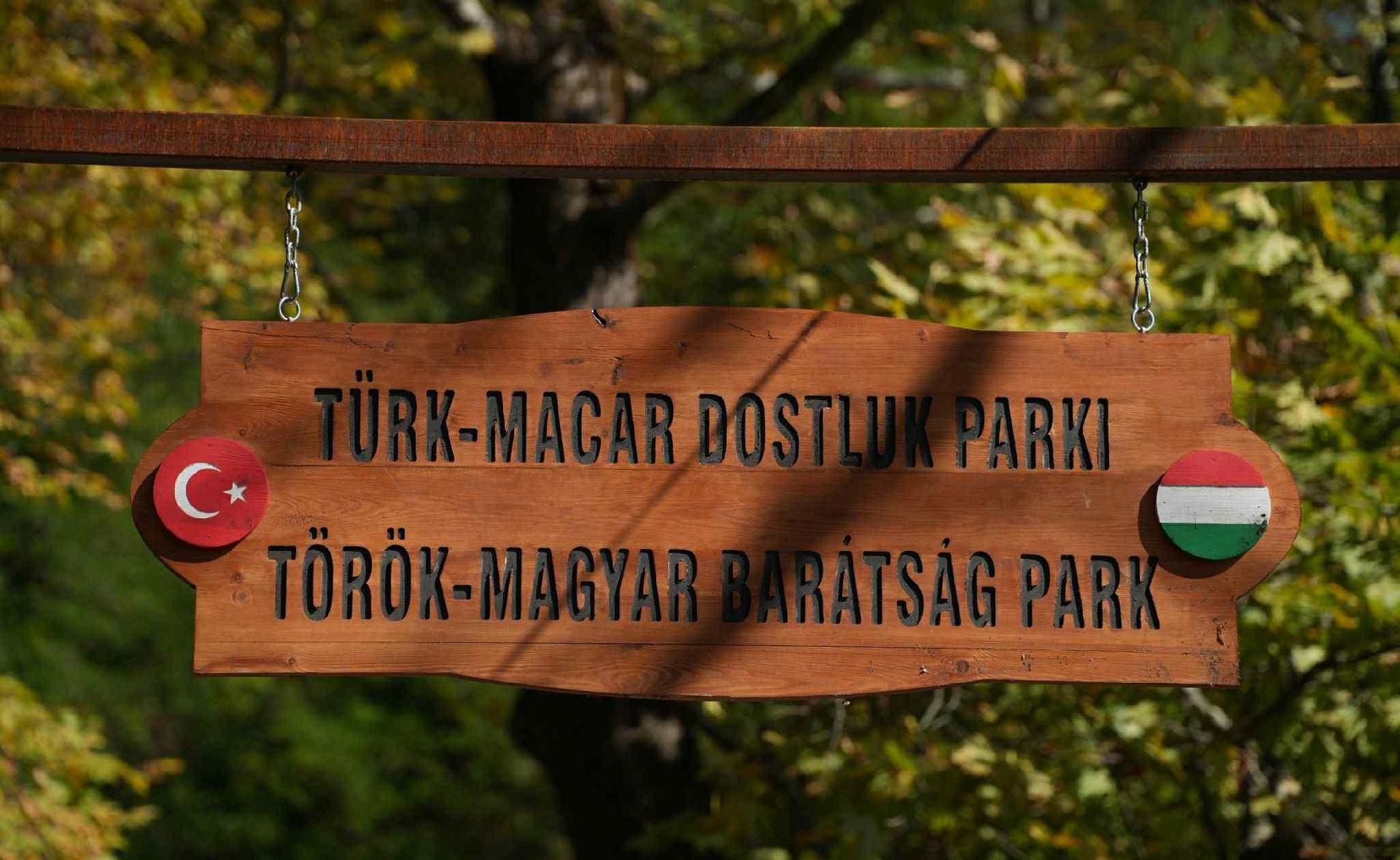
One of the key initiatives of the Hungarian–Turkish Year of Science and Innovation 2025 is the identification and preservation of Hungarian heritage sites in Turkey. As part of this effort, a new Hungarian-themed memorial park has been established in Zonguldak. The park commemorates the work of Hungarian engineers who once lived in the city and played a significant role in its development in the early 20th century. It also provides young people with opportunities for community sports and recreation. One of the park’s features is a Teqball table, a popular Hungarian invention that has become an important element of Hungarian sports diplomacy in recent years. The game reached the earthquake-affected region of Malatya last year, and this year it welcomes local youth in the newly opened park in Zonguldak.
The park was developed by the Liszt Institute Istanbul in cooperation with the Hungarian Embassy in Ankara, the Zonguldak–Çatalağzı Municipality, and Bülent Ecevit University. Visitors can learn about key moments of our shared history through informational panels, while the Teqball table serves as a space for play and community engagement. The ceremonial opening was attended by Ambassador Viktor Mátis, Mayor Yavuz Palabaş, Rector İsmail Hakkı Ölçöer, the regional governor, Institute Director Áron Sipos, Cultural Attaché Gergő Kovács, as well as numerous representatives of the local community and residents.
In closing the program series in Zonguldak, it is clear that the Liszt Institute’s initiative offered not only a showcase of Hungarian culture, science, and history, but also a platform to deepen Hungarian–Turkish friendship. The research activities, scientific symposium, exhibition, and newly established memorial park all contribute to bringing the local community closer to Hungarian heritage and discovering its enduring value. The series of events both recalled the shared past and opened new opportunities for future cooperation. In this way, the city of Zonguldak has become a new, symbolic site for Hungarian–Turkish relations.