Huge interest in Hungarian art treasures and Hungarian Roma fashion in Rome
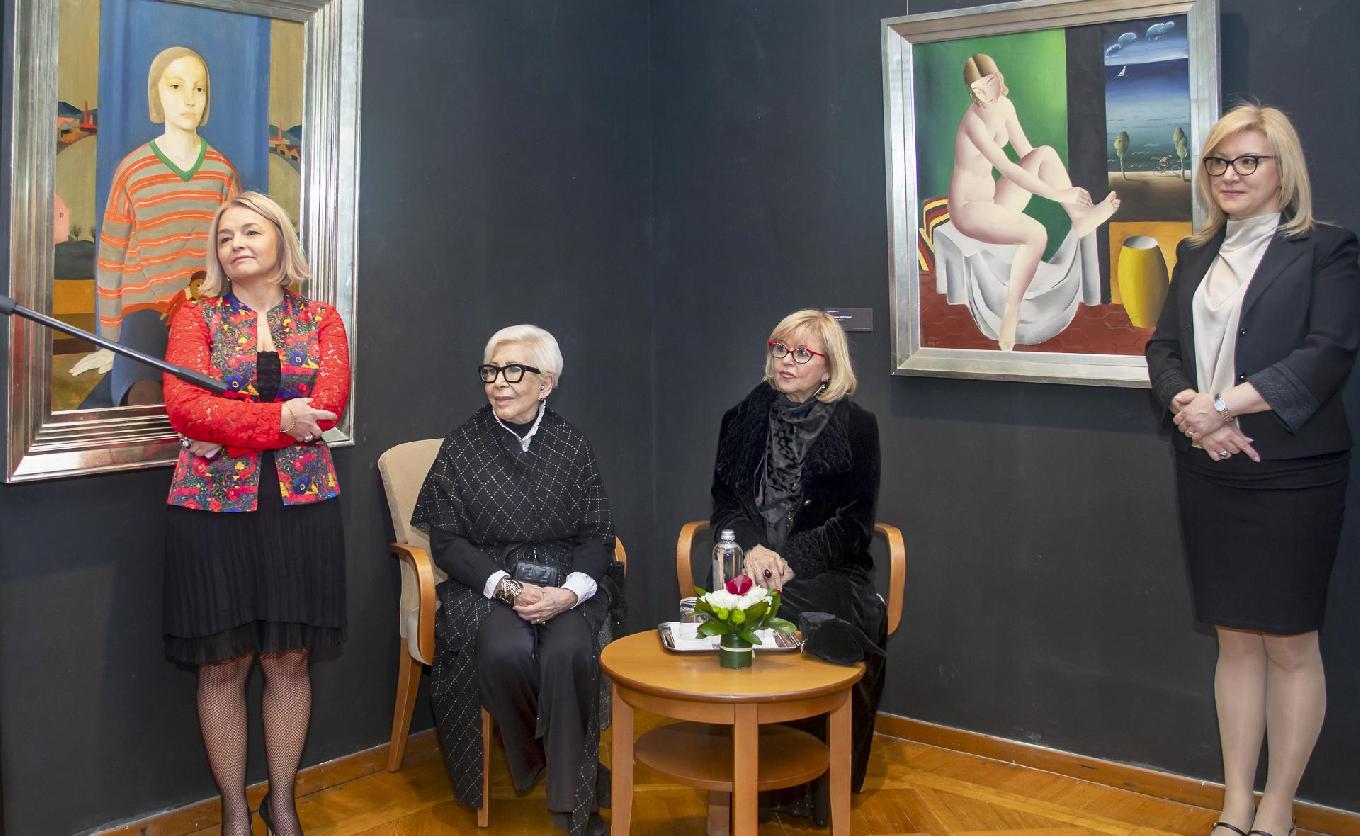
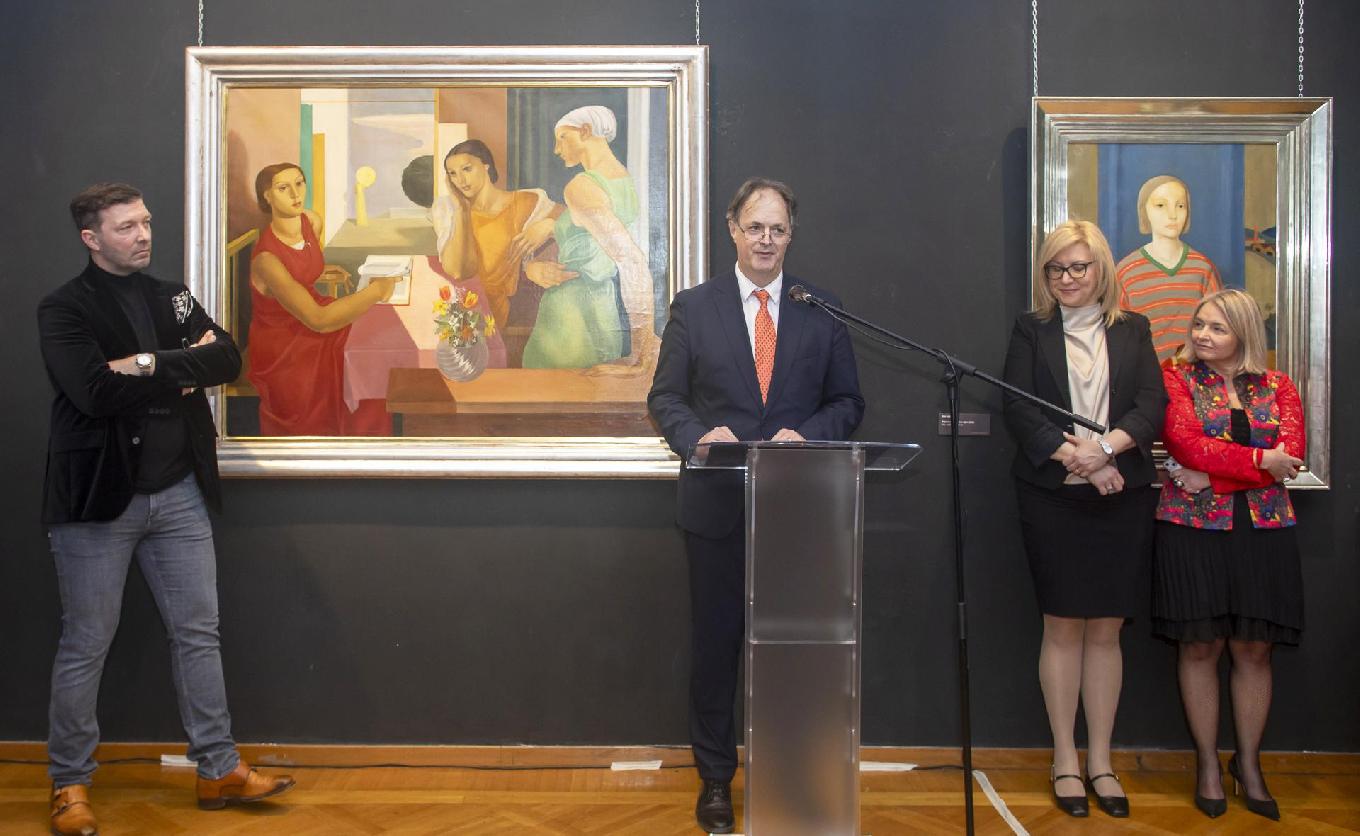
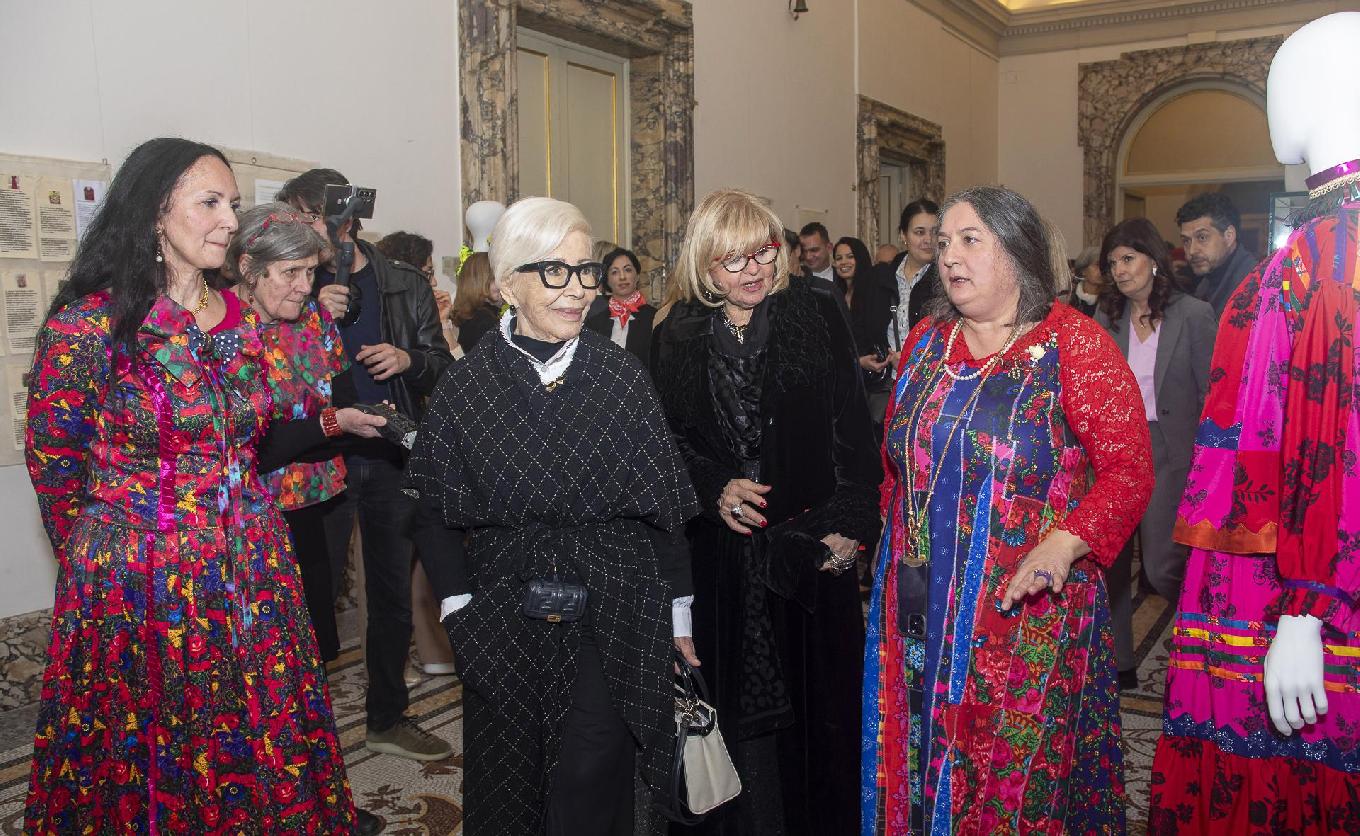
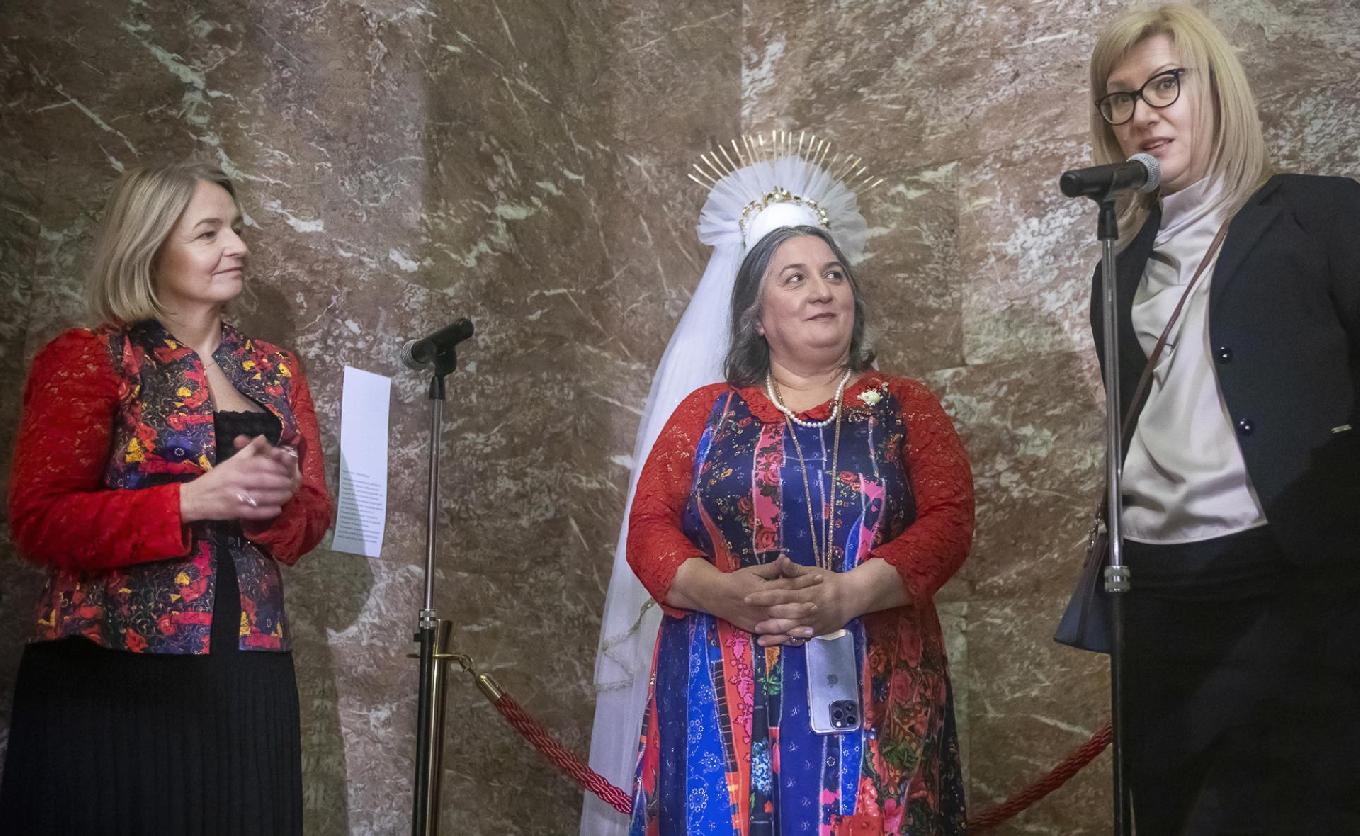
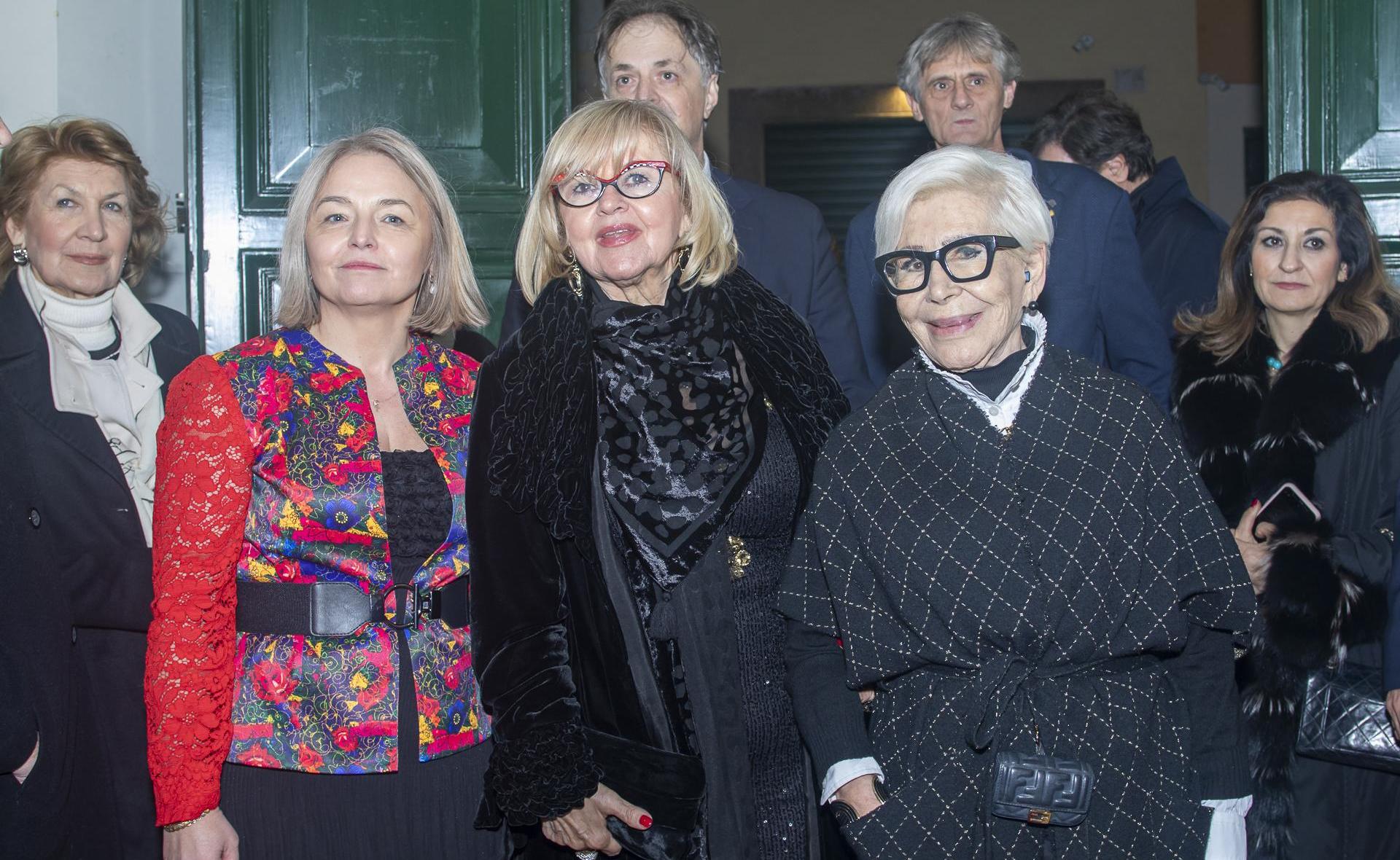
On March 6, 2025, the exhibition "Great Hungarian Art Collectors Series - Inspired by Rome - The Collection of Dr. Máté Dobos" opened in the gallery of the Collegium Hungaricum in Rome, followed by the exhibition "Romani Design Fashion Art - Activism for Tradition" in the Falconieri Palace. At the opening, speeches were given by Dr. Krisztina Lantos, the director of the institute, Gábor Csaba, Deputy Secretary of State for Cultural Diplomacy at the Ministry of Justice, Dr. Máté Dobos, art collector, Erika Varga, founder of Romani Design fashion studio, Dr. Szilvia Czingel, ethnographer and director of the House of Traditions – Hungarian Museum of Folk Art, and it was an immense honor to have Anna Fendi, the owner of the Fendi Luxury Fashion House, as well.
On March 6, 2025, the „Inspired by Rome - Collection of Dr. Máté Dobos” exhibition was opened in the gallery of Falconieri Palace to great interest. The collection of Dr. Máté Dobos is the first in a series of exhibitions titled "Great Hungarian Collectors", which presents famous Hungarian collections in the care of the Collegium Hungaricum (Collegium Hungaricum, commonly known as the Hungarian Academy of Rome) to the public in Rome. It is no coincidence that the series of exhibitions begins with this collection, since the collector Dr. Máté Dobos is interested in the so-called Roman School of Tibor Gerevich, the famous art historian, cultural politician and first director of the Collegium Hungaricum. The collection includes works by Pál C. Molnár, Jenő Medveczky and Béla Kontuly, among the first artists of the scholarship movement, which started in 1928. Also part of the collection are several works by Károly Patkó, who was awarded a Roman scholarship by the Szinyei Merse Pál Society in 1923 and was one of the first to apply the tempera technique he studied in Rome, which later influenced the painting style of Vilmos Aba-Novák. The collection of Dr. Máté Dobos also includes works more distantly related to the Roman School, including the Modern Triumvirate (New Man) by János Mattis Teutsch, painted in 1940, and the seated nude figure of Anna Oelmacher, also later working as an assistant to Vilmos Aba Novák, in 1930. Dr. Máté Dobos's collection is not simply a selection of impressive works, but it also accurately follows the efforts of the artists of the Roman School from several perspectives and offers insight into the process that was realized through Gerevich's dedication as a director, curator, and art historian. A highlight of the evening was when Dr. Máté Dobos ceremoniously presented a painting by Gyula Halvax from his collection to the Hungarian Academy in Rome, which captures the Academy's loggia and its stunning view. The painting will be on display in the Collegium Hungaricum collection after the exhibition. The exhibition, curated by Dr. Pál Németh, will be on display at the Collegium Hungaricum in Rome until 1 May 2025.
Also on 6 March, the exhibition "Romani Design Fashion Art - Activism for Traditions" opened in the Falconieri Palace staircase, with the presence of Deputy State Secretary Gábor Csaba and Mrs Anna Fendi. Speeches were given by Dr. Krisztina Lantos, Director of the Institute, Erika Varga, founder of the Romani Design fashion studio, and Dr. Szilvia Czingel, ethnographer and head of the House of Traditions - Hungarian Museum of Folk Arts and Crafts. Romani Design is the world's first Roma fashion studio, founded in 2010 by the Hungarian - Oláh Gypsy sisters Erika Varga and Helena Varga. The brand aims to use the motifs and forms of their culture to provide insight into the diverse world of Roma culture through handcrafted, contemporary design products designed by them, thus supporting the social and cultural prestige building of Roma communities. Romani Design is an authentic, conscious, and proud representative of Roma minority culture, while simultaneously integrating organically into Hungarian folk culture as well as the domestic contemporary fashion and design scene, where it plays a defining and recognized role. The designer duo designs and creates wearable clothing, jewellery and accessories that place the world of forms and patterns of Roma folk art and cultural motifs in a 21st century context. Their creations are made with a commitment to social responsibility and function as platforms for social discourse. In addition to fashion design, the designers' mentoring and community development activity for Roma youth and children are a key focus of their work.