Grateful audience and real competitive spirit in China
In the past two months, the Liszt Institute in Beijing has continued to offer a variety of events for audiences of all ages to enjoy a rich Hungarian cultural experience. Lovers of classical music could enjoy a music history workshop and a concert of The Night of the Organs. In contrast, enthusiasts of modern art had the opportunity to attend the travelling exhibition “The Road: János Fajó and the Pest Workshop” in Shenzhen. Meanwhile, in Beijing, the Year of the Dragon was commemorated with the "stamp painting" works of Judit Szendrei. The Hungarian-Chinese National Rubik's Cube Contest has sparked the interest of children with a passion for logic games across five regions.
Edit Lánczky, a Kodály Point Lecturer at the Beijing Foreign Language University, led a workshop on music history titled "Night in European Music" at the Liszt Institute in Beijing on May 15. The presentation was accompanied by music and an exploration of the evening's theme through the lens of European music history. A selection of well-known pieces by Mozart, Debussy, Berlioz, Bartók, Liszt, Kodály, and other composers were played throughout the talk. Professor Lánczky added visually striking aspects to the presentation.
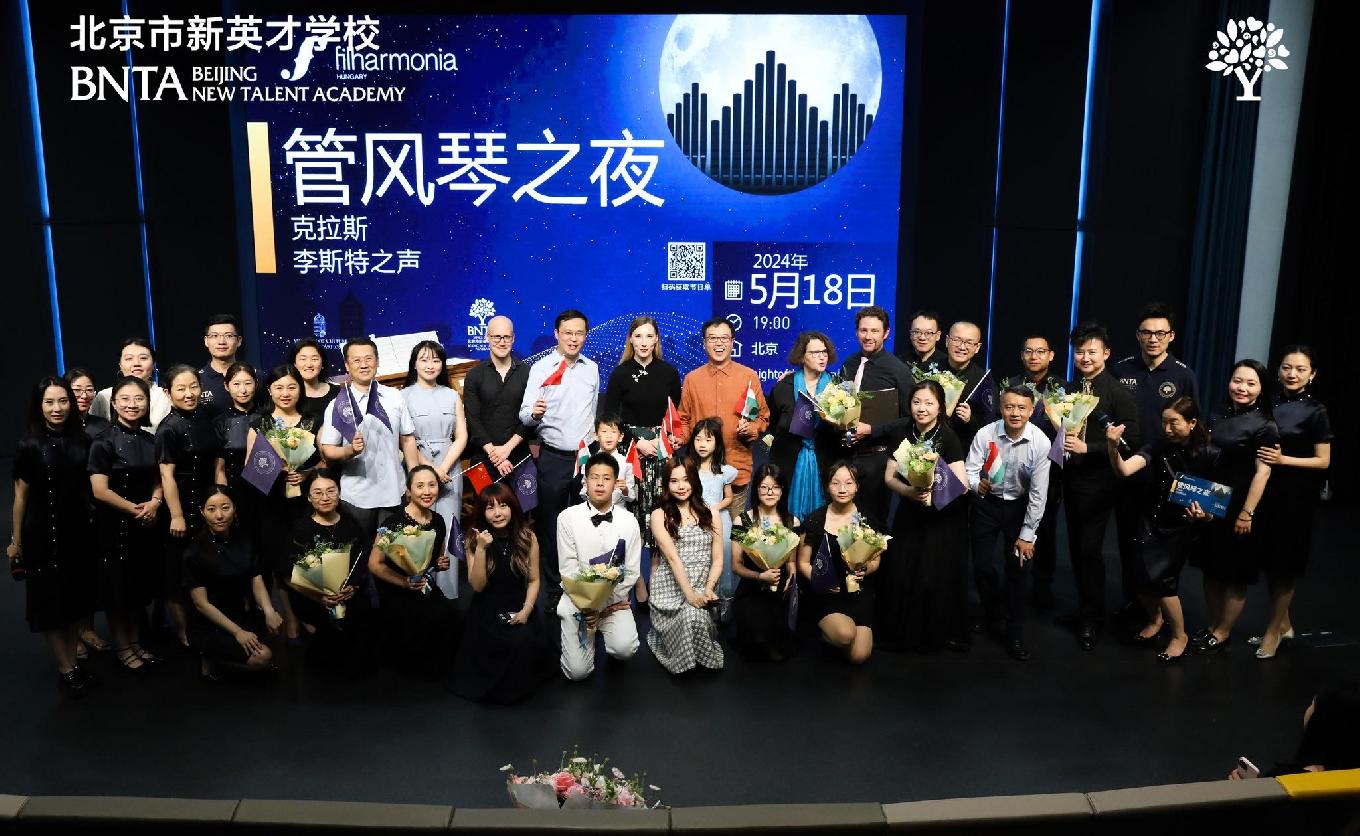
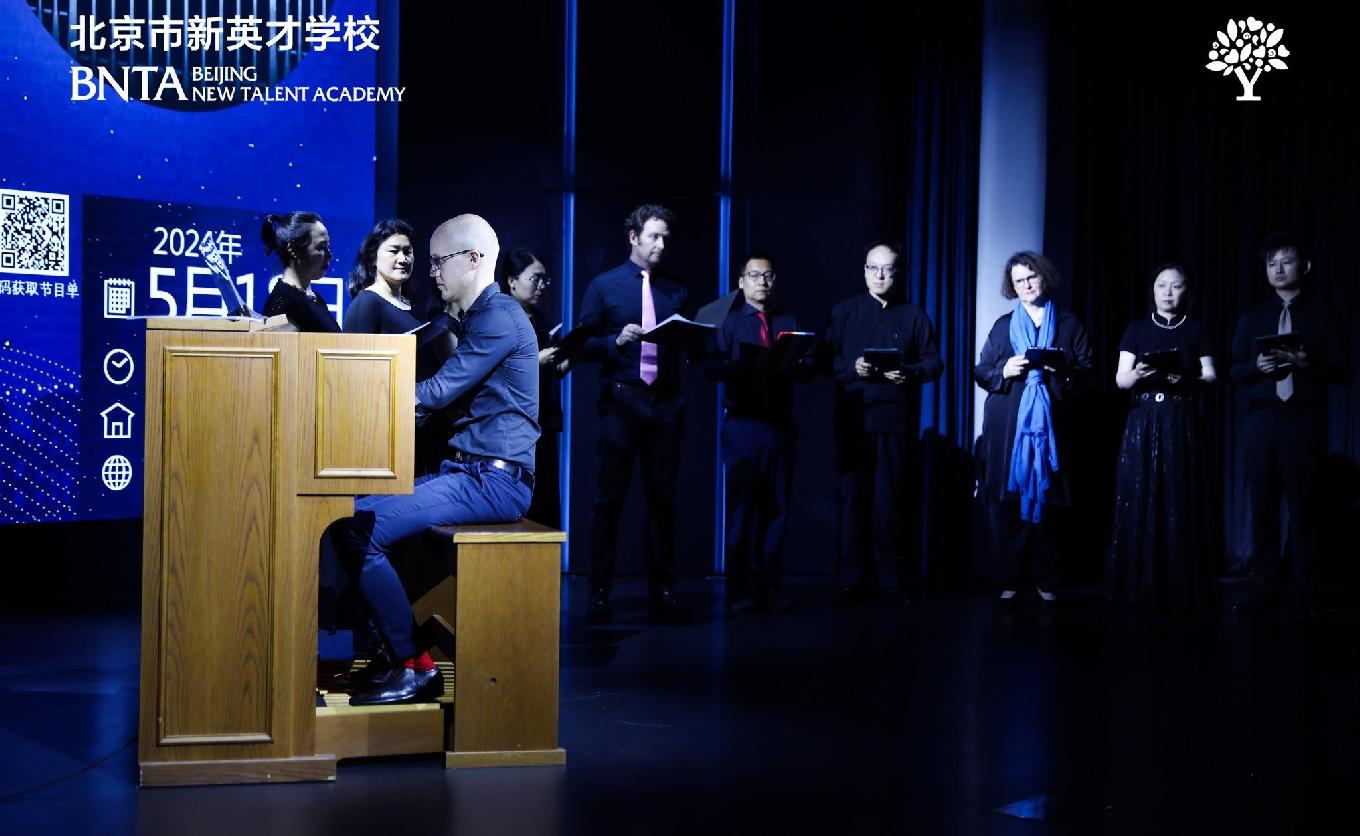
The Philharmonia Hungary hosted The Night of the Organs on May 18, 2024. The Beijing New Talent Academy, a high school for the arts, was the event's host in Beijing. Organist László Kristófi's impressive performance was enjoyed by almost 1800 people at the venue and through a live online broadcast. The concert also featured performances by the Liszt Institute's Voca-Liszt Choir and students from the Art School's organ department. The concert highlighted an instrument unique to Chinese culture.
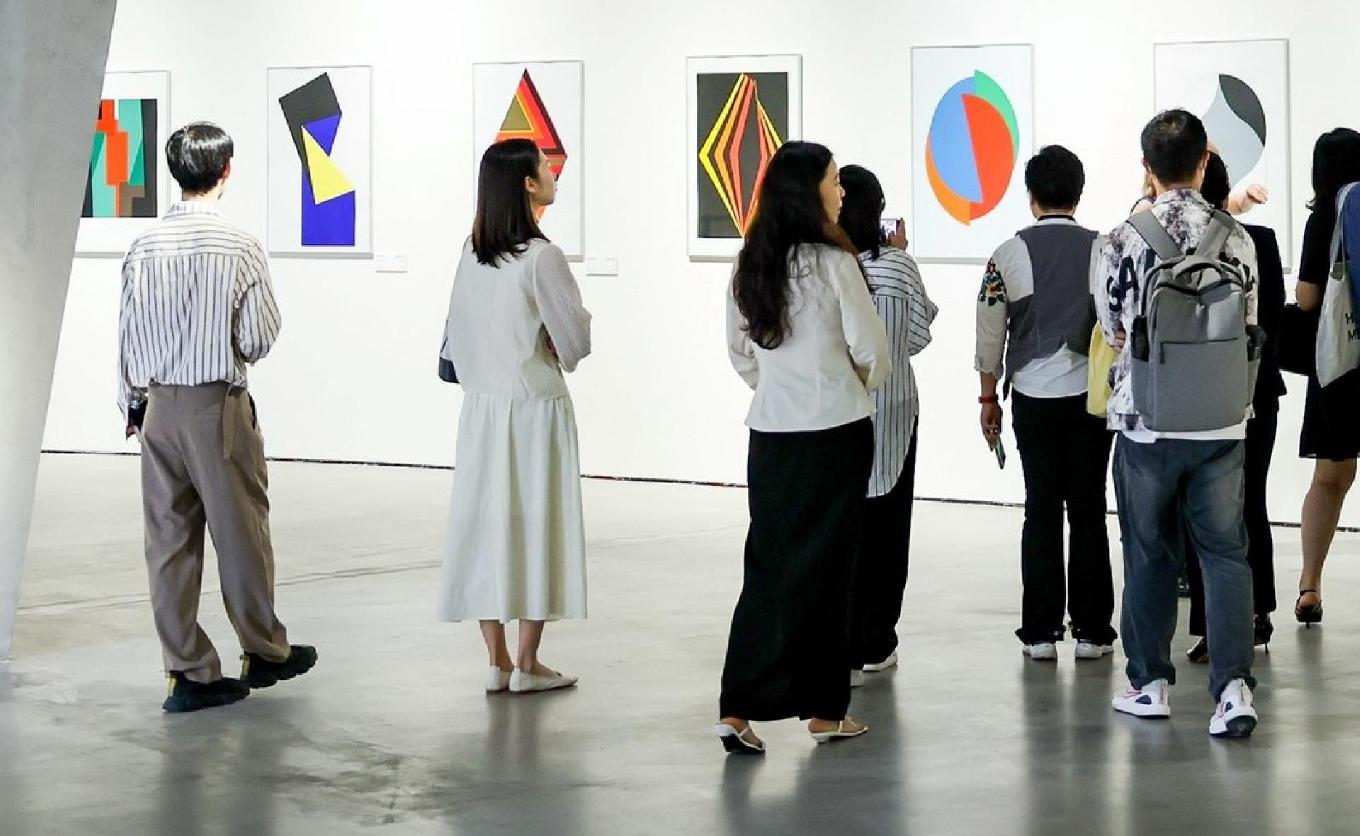
The Liszt Institute, MNB Real Estate Arts & Culture, and the Consulate General of Hungary, Guangzhou, collaborated to organise the itinerant exhibition "The Road: János Fajó and the Pest Workshop," which made its 11th stop in Shenzhen at the Jacsang Arts Centre. The stunning works of Imre Bak, János Fajó, Tamás Hencze, Ilona Keserü, András Mengyán, and István Nádler will be on display in China until the end of June.
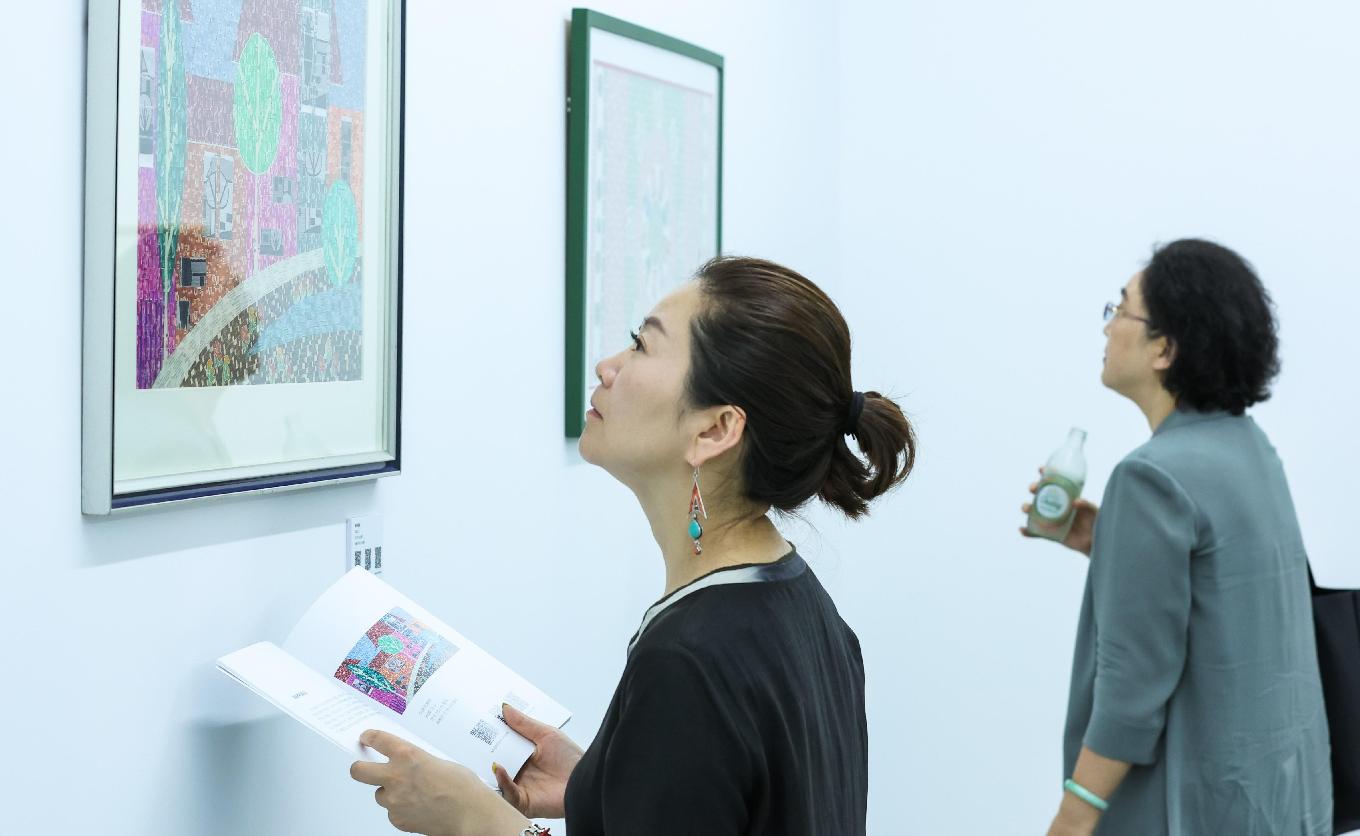
2024 is the year of the dragon in Chinese astrology. The most powerful and auspicious zodiac sign is also honoured by Judit Szendrei's stamp painting exhibition, which opened on 15 June at the 798 Arts District, Beijing's cultural epicentre. The exhibition is divided into 4 chapters, entitled “Who am I? Where am I from? Me and the world, Me and the arts.” The central work is called The Dragon and is specially created for the Chinese exhibition. The composition consists of 13 images displaying the 12 Chinese zodiac signs, with the yin-yang symbol in the middle. The artist skillfully incorporated over 10,000,000 stamps to bring this picture to life. After the opening, Judit Szendrei kindly led the guests on a guided tour.
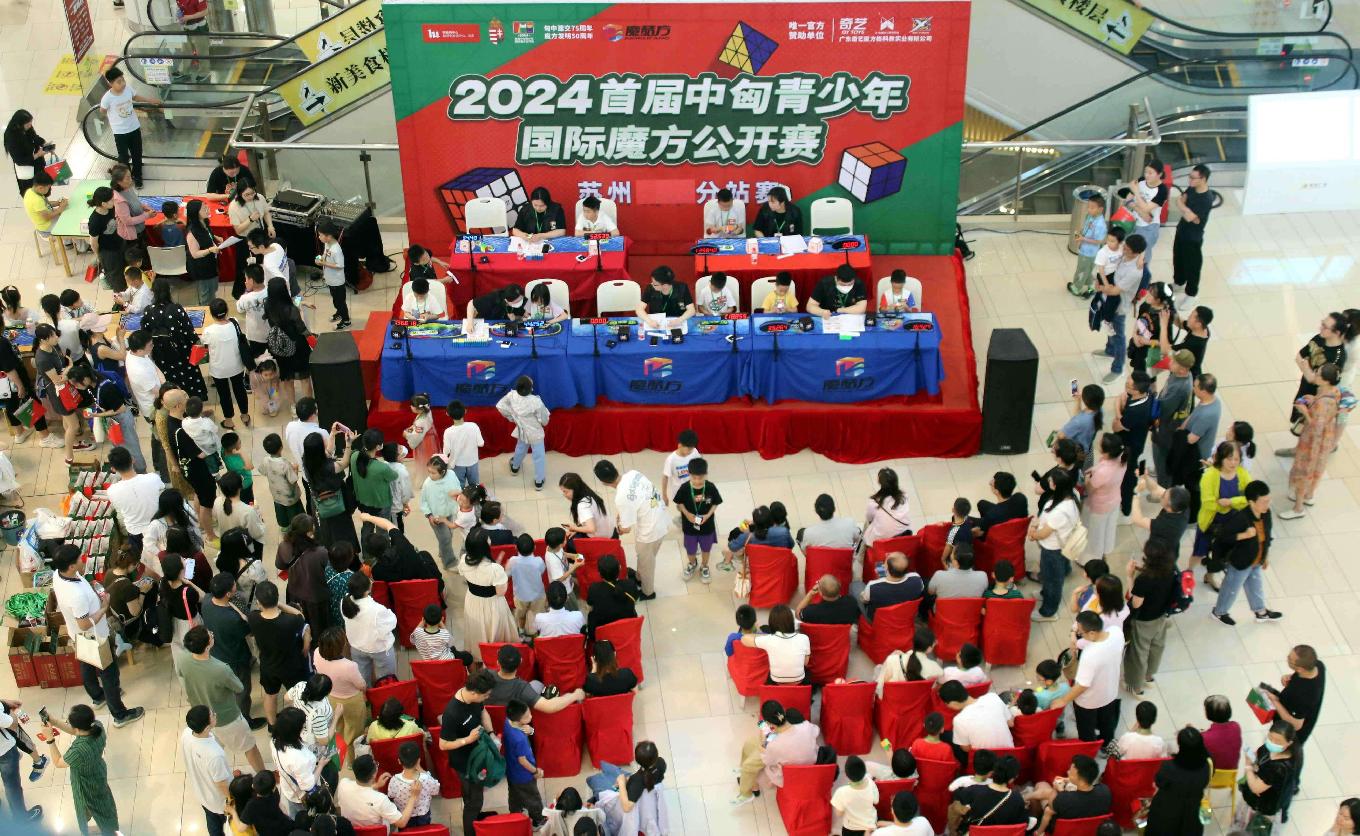
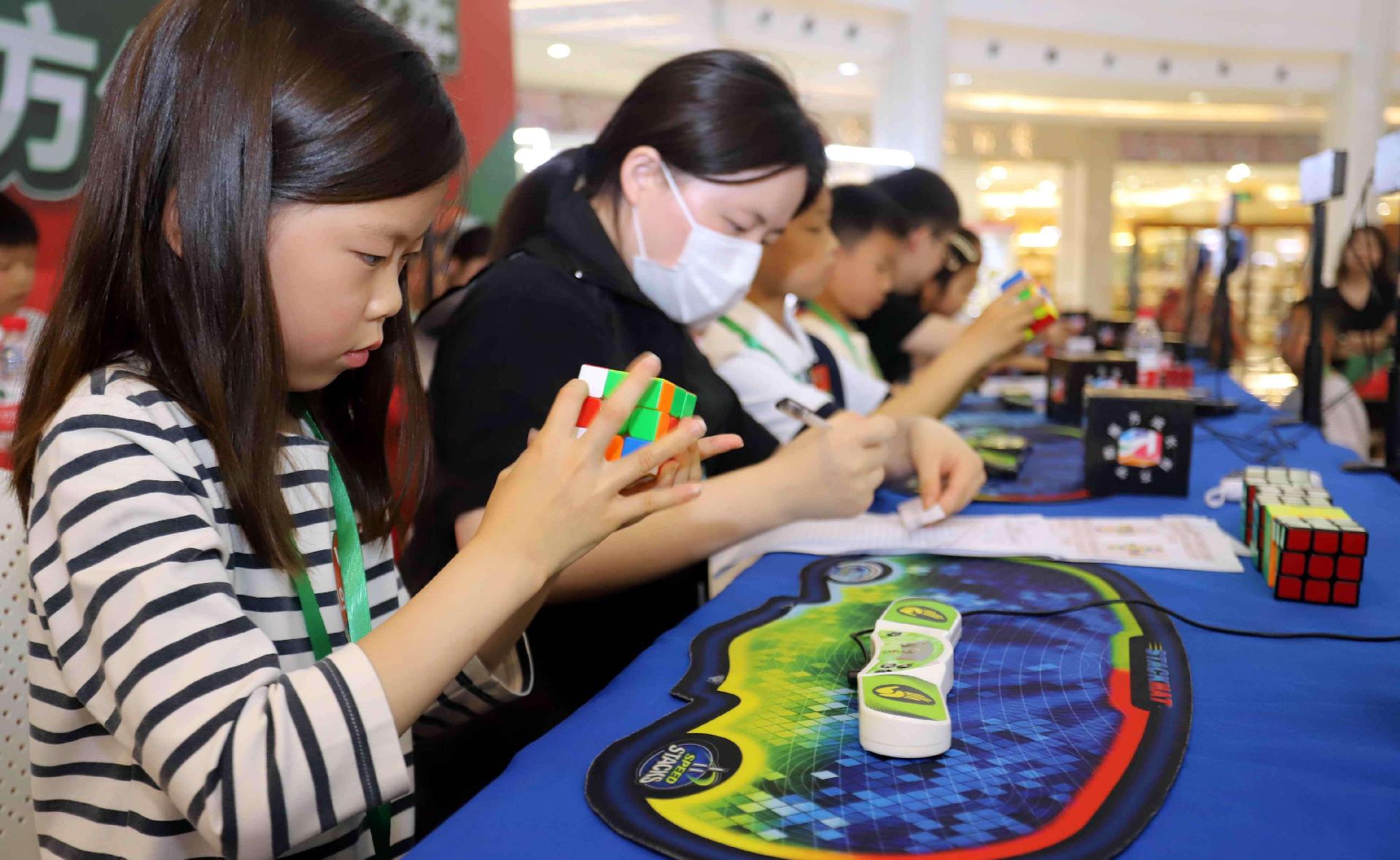
To celebrate Rubik's anniversary, approximately 8,000 students from five major cities across China have already tested their puzzle-solving skills in the semi-finals of a nationwide competition. The Liszt Institute received assistance from the Hungarian embassy and consulates in China, as well as the Chunking Rubik's Cube Association. The regional rounds showcased a diverse range of age groups and categories and drew considerable attention from local media. The competition is expected to have more than 10,000 contestants by the finals.