From Liszt to Lego: Faces of Hungarian Culture in Seoul
In the first months of 2026, the Liszt Institute Seoul contributed to strengthening the presence of Hungarian culture in South Korea with a diverse and rich program offering. Through visual arts exhibitions, classical music concert series, literary initiatives, and educational collaborations, several thousand visitors were reached, showing that interest in Hungarian culture remains strong and continues to grow among Korean audiences. These programs have also significantly contributed to deepening Hungarian-Korean cultural relations.
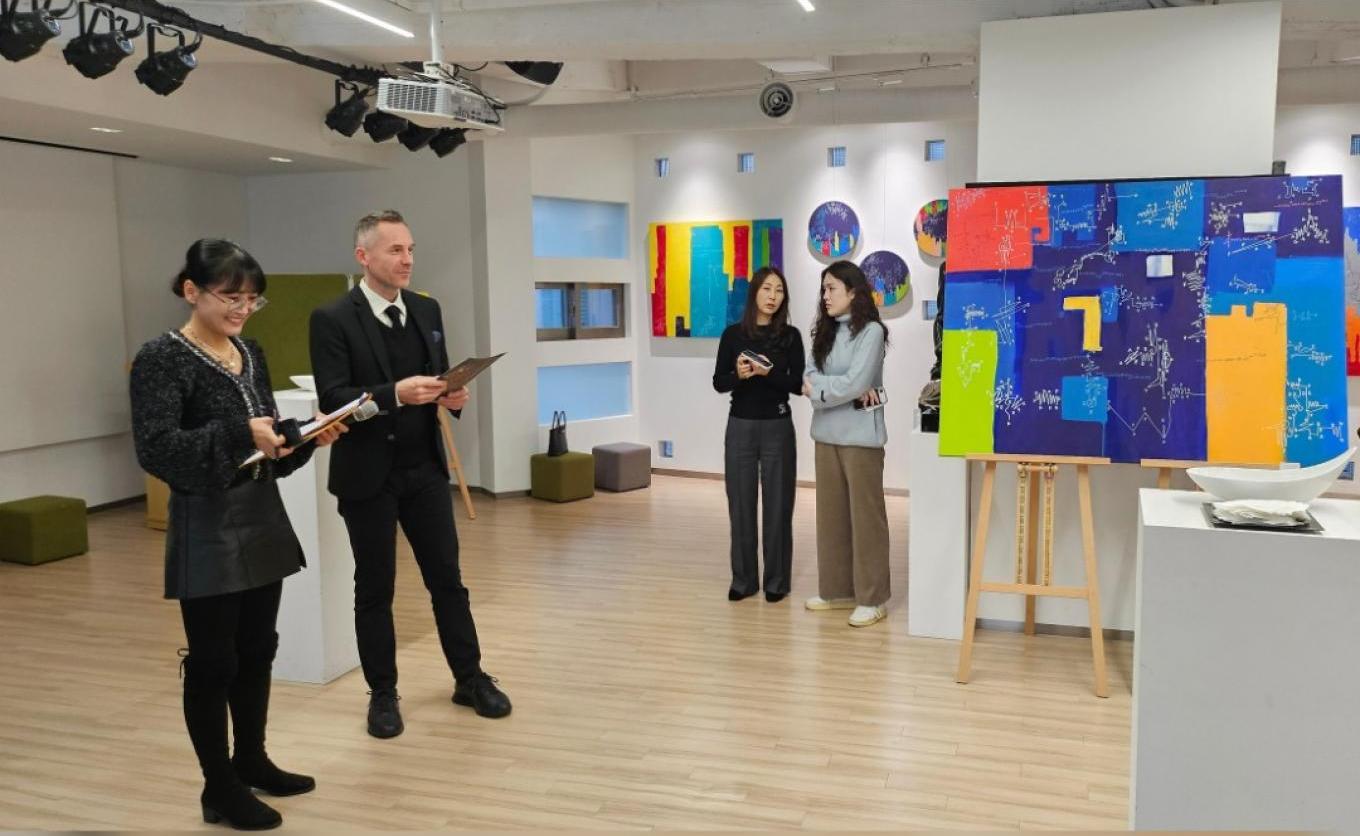
Among the visual arts programs, a key highlight was the exhibition realized through international cooperation, featuring works by Hungarian-Swiss painter Orlando Marosini, Hungarian artist Tibor Simon-Mazula, and Korean artist Kim Hyunwoo. Showcasing 6-8 works by each artist, the exhibition was organized in collaboration with the Seoul Art Now gallery as a continuation of previous successful partnerships. Kim Hyunwoo’s works have also been exhibited in Hungary in recent years, and several of his pieces are part of the collections of Korean celebrities. The opening took place at the end of the previous year, with welcome speeches by István Medvigy, Director of the Institute, and Ms. Reiko Szerdahelyi, spouse of Hungary’s Ambassador to Seoul. Kim Hyunwoo personally introduced his works, while the Hungarian artists’ pieces were presented by Yun Lee, director of the gallery. The exhibition was open until the end of January, offering not only an aesthetic experience but also catering to collectors’ interests.
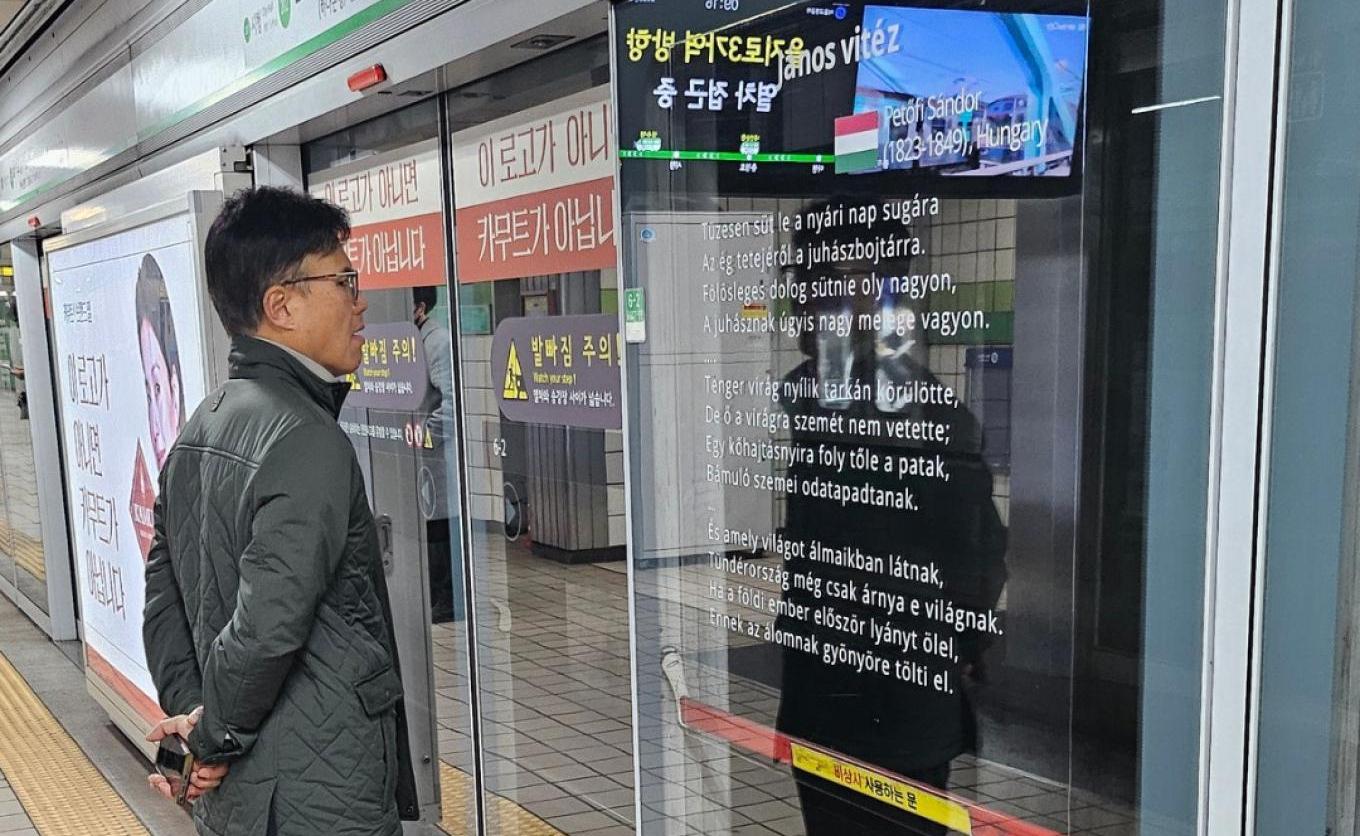
In connection with the Day of Hungarian Culture, the joint initiative of the Liszt Institute Seoul and the Seoul Metropolitan Government continued in 2026, featuring Hungarian poems displayed at two of the city’s busiest metro stations. Installations at Euljiro 1(il)-ga and Itaewon stations present excerpts from Attila József’s “Mama” and “Summer,” as well as Sándor Petőfi’s “János vitéz,” in both the original Hungarian and Korean translation. The works are placed on the safety glass panels directly in front of the subway cars, allowing tens or even hundreds of thousands of passengers to encounter them daily. Through this initiative, Hungarian literary classics can reach more than 100,000 people.
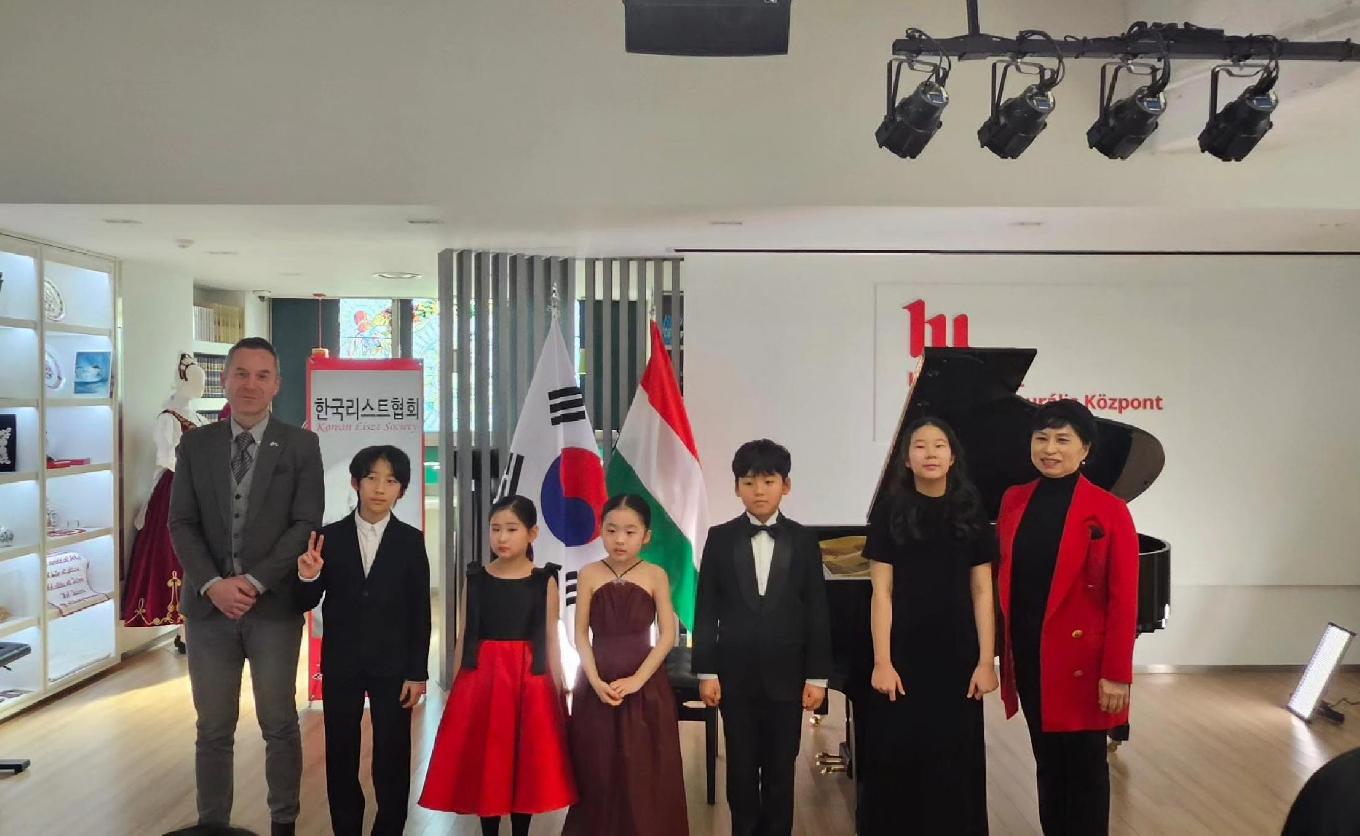
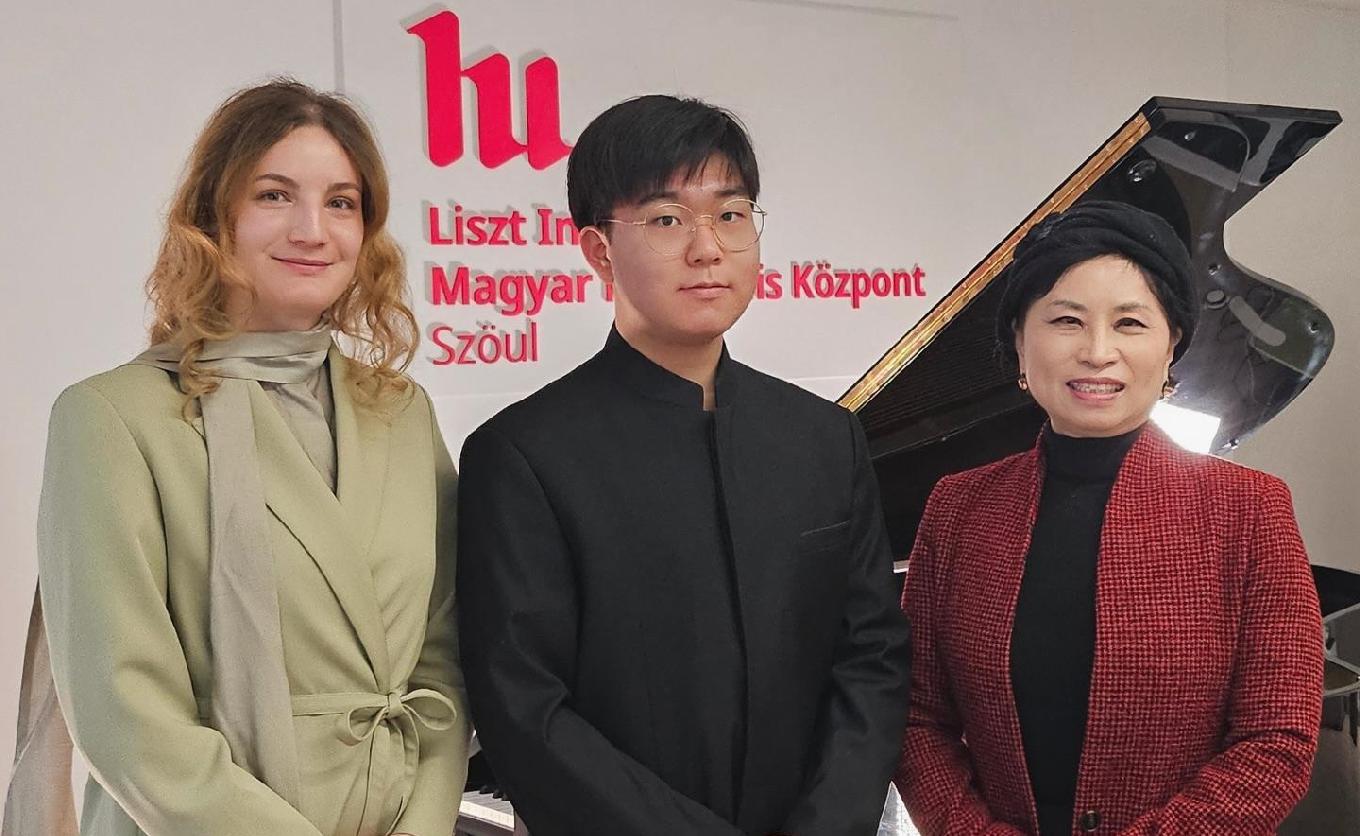
Among the classical music programs, the gala concert series of the Korean Liszt Society’s annual piano competition deserves mention, held between February 8 and March 1, 2026, at the Liszt Institute Seoul. Now in its 16th edition, the performances of the competition’s winners and finalists have been hosted at the institute for the fourth consecutive year. Over three consecutive Sundays, the concert series provided a platform for ten young pianists, including Ryeoil Oh, Jo Yeon-a, Lee Jia, Song Ji-oh, Kim Ji-woo, and Bang Jumi, followed by Cho Yu-Min, Jeong He-in, Choi Chang-Ju, and Min Kyeong-Bae. Opening remarks were delivered by István Medvigy and Hwang Yunha, President of the Korean Liszt Society, while at later concerts Cultural Attaché Fanni Perjés also addressed the audience. In addition to works by Franz Liszt, the programs featured compositions by Chopin, Beethoven, and Mozart, offering a comprehensive overview of the European musical tradition.
Educational ties between the two countries were further strengthened through the “Study in EU” student fair, held between March 5-7 in Seoul’s Gangnam district. The Liszt Institute participated in the event in cooperation with the Korean agency Upsee. The fair aimed to present European higher education opportunities to high school students and their families, with Director István Medvigy and Hungarian partners providing information to interested visitors at the institute’s stand.
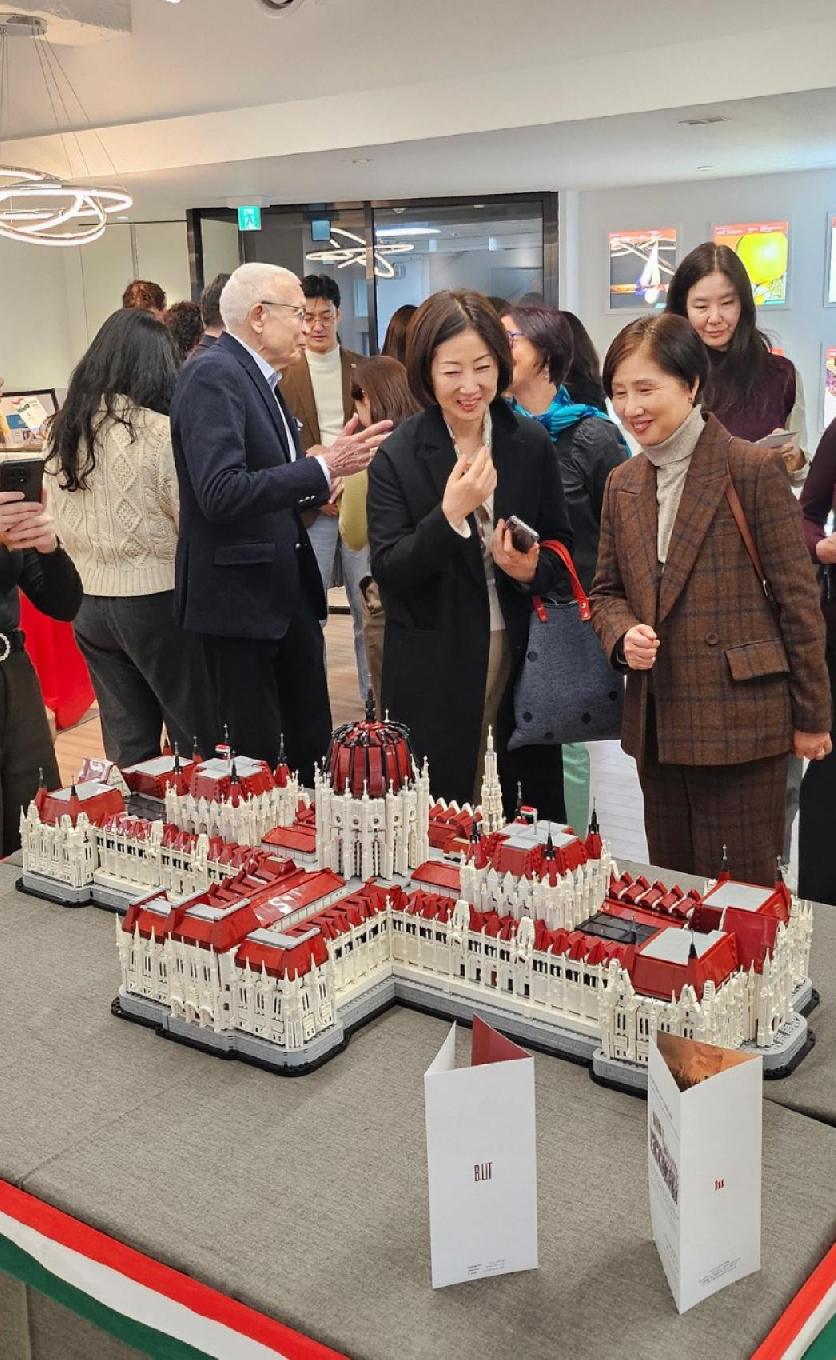
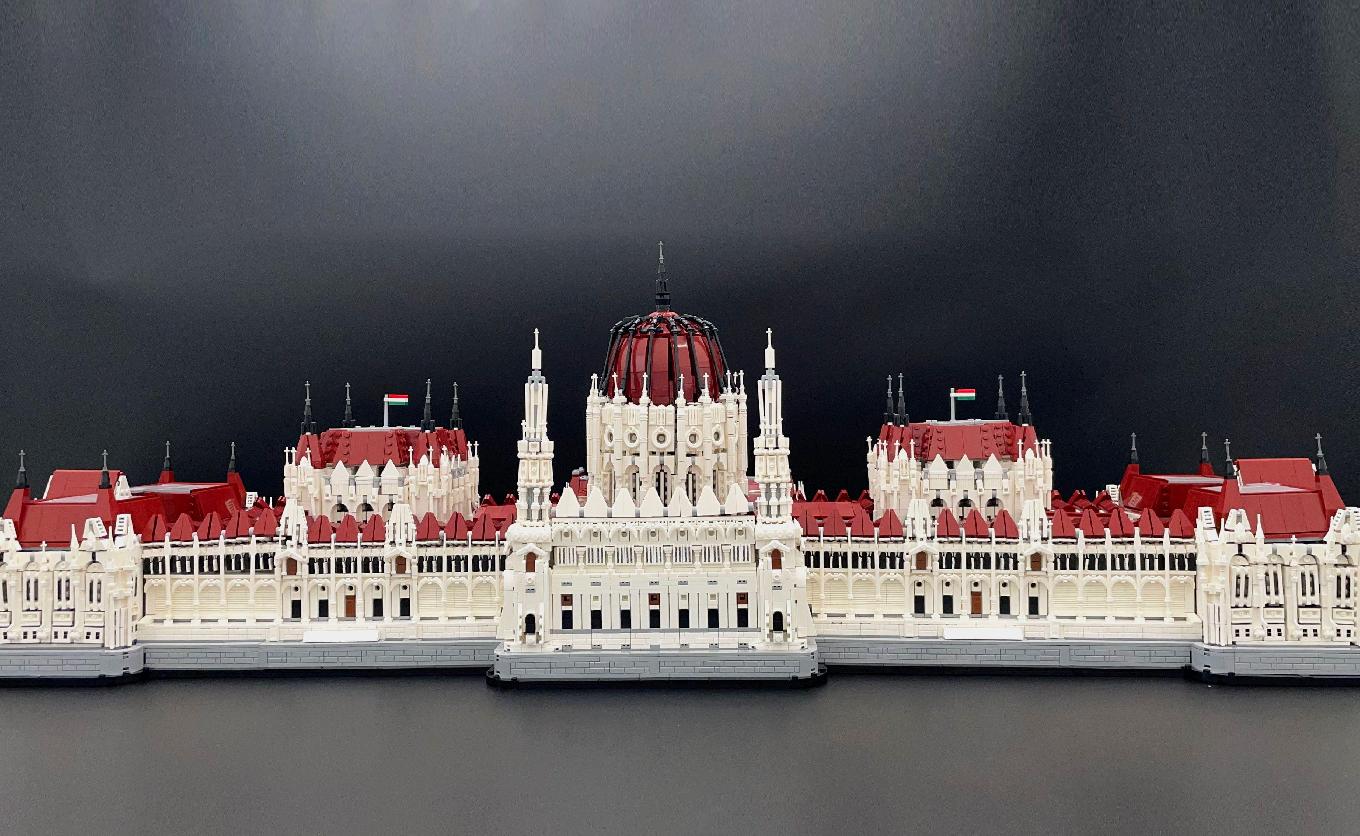
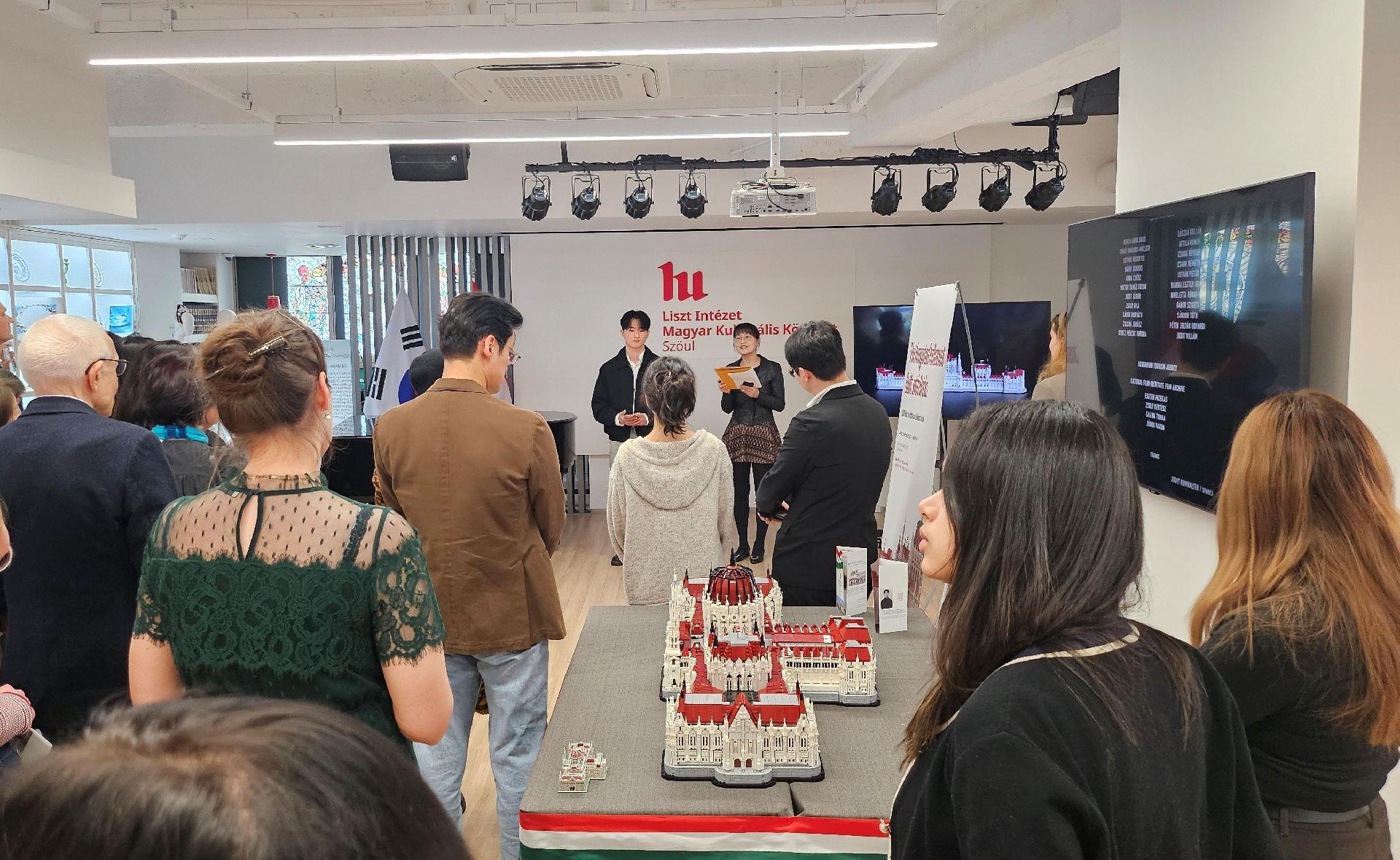
A highlight of the March program is the exhibition “Parliament Lego” by Korean designer Jeongwon Lee, which opened on March 11 in the institute’s exhibition space. The model, built from 19,200 pieces at a 1:200 scale, is a highly detailed replica of the Hungarian Parliament building. It took six months to complete and was inspired by the artist’s visit to Budapest. At the opening, Director István Medvigy delivered a welcome speech, while Cultural Attaché Fanni Perjés emphasized the historical significance of the 1848-49 Hungarian Revolution and War of Independence. In connection with the installation, visitors can also watch the documentary “The House of the Nation,” further enriching their understanding of Hungarian history and culture.