From Film Screenings to Concert Halls: A Vibrant Hungarian Cultural Presence in the Czech Republic
In the spring of 2026, the Liszt Institute Prague and its Czech partners once again reinforced the international visibility of Hungarian culture with a rich, cross-genre series of events. Programs spanning film, contemporary visual arts, jazz, theater, and gastronomy demonstrated that Hungarian creative artistry is capable of engaging Czech audiences in ways that are sensitive, modern, and accessible. During the period from late March to mid-April, Hungarian artists and productions did more than simply present themselves, they initiated a genuine dialogue with the host community.
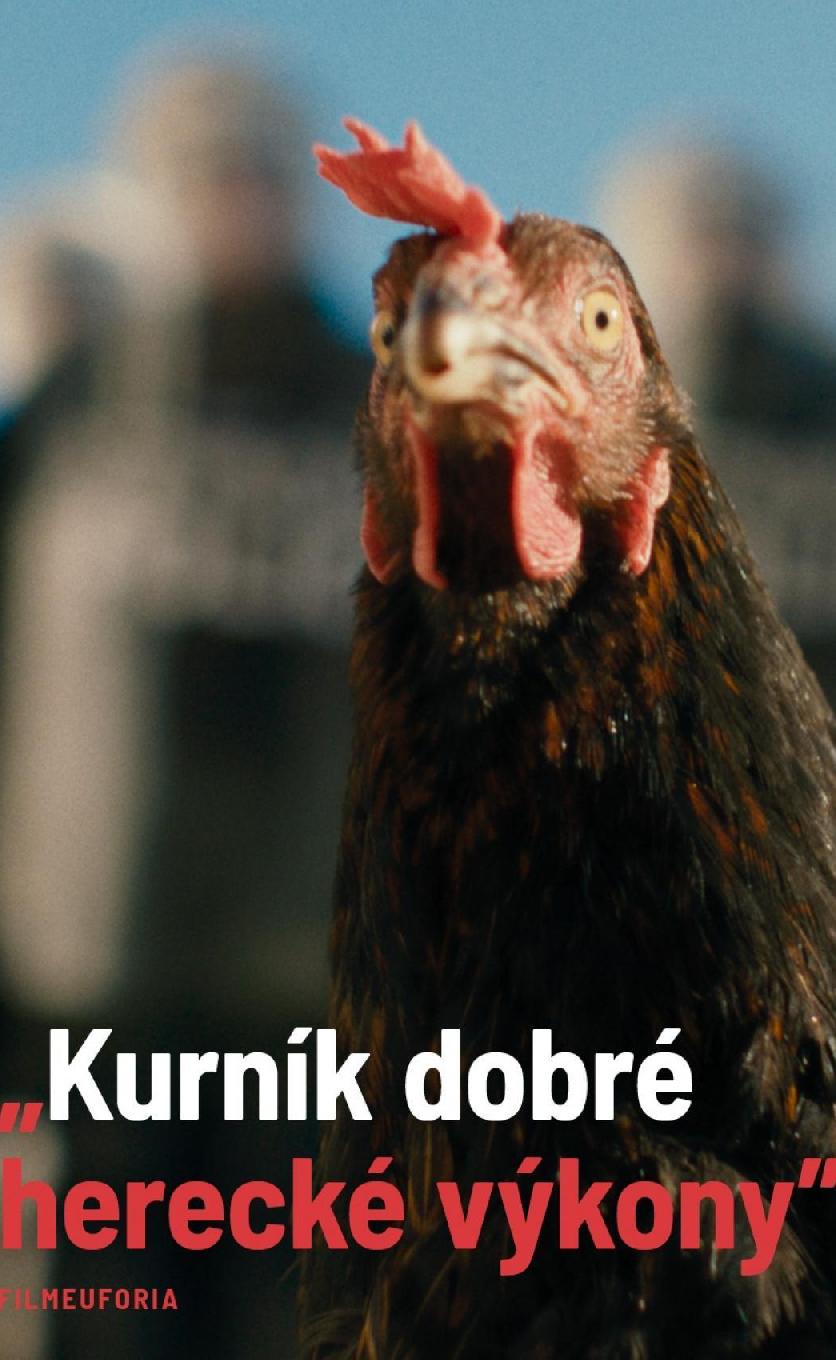
Considerable professional attention surrounded the 33rd Days of European Film, held from April 9 to 19 in Prague, Brno, Ostrava, and several other Czech cities. The festival was officially opened by the president of EUNIC and the director of the Liszt Institute Prague, Hajnal Kassai, who emphasized the importance of European cultural cooperation and the importance of shared reflection. This year’s distinguished Hungarian guest of the prestigious cinematic showcase was György Pálfi, whose film Hen was selected for the program by the professional jury. The pre-premiere screening took place on April 9 at Prague’s Kino Světozor before an almost full house, and during the course of the festival Czech audiences had the opportunity to see the film a total of nine times across the country. Several thematic discussions were also organized in connection with the screenings. Within curator Aleš Stuchlý’s “Mental Hygiene” series, he and Antonín Tesař examined the film’s social and psychological layers, while in Brno a separate audience discussion focused on issues of animal husbandry, welfare systems, and ethical responsibility. In this way, the Hungarian film’s presence generated not only artistic appreciation but also broader social reflection.
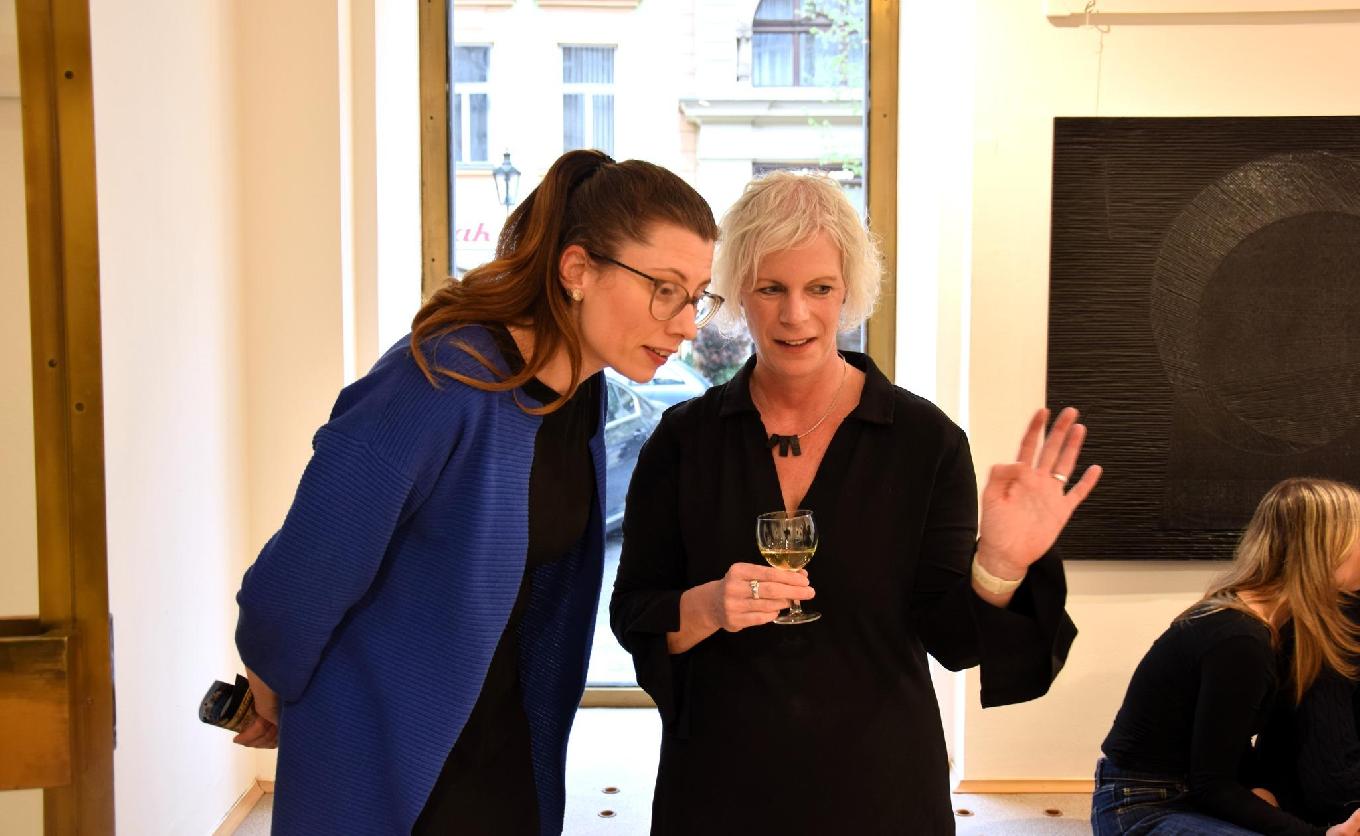
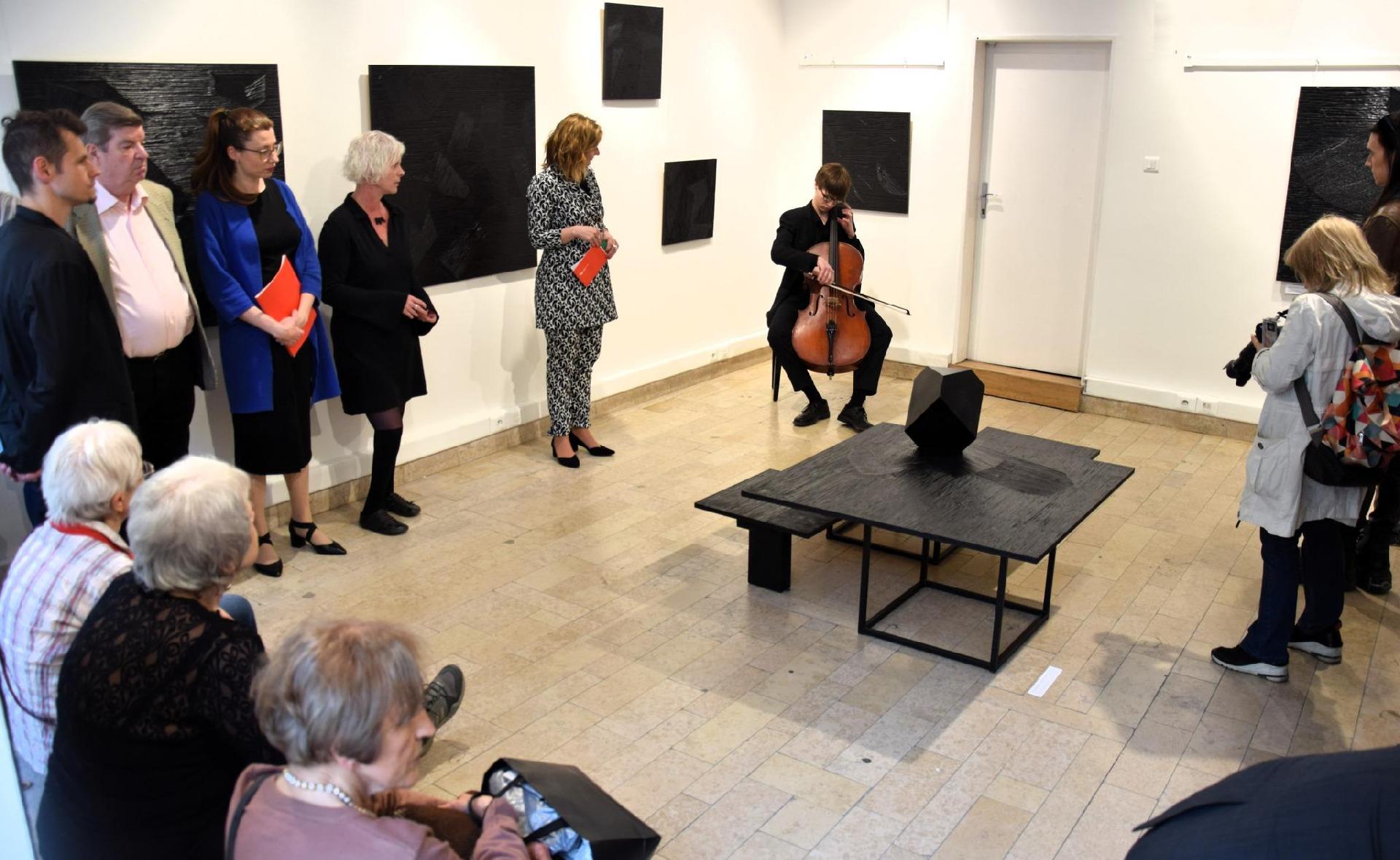
On April 16, the Liszt Institute Prague hosted the opening of The Concealment of Melancholy, an exhibition by Barbara Nagy, a DLA visual artist and recipient of the Munkácsy Prize. The carved black wooden panels created by the artist from the Old Artists’ Colony of Szentendre explored philosophical questions of light, vision, and visibility, while also subtly engaging with the art historical tradition of melancholy. Referencing the iconic polyhedron of Dürer’s Melencolia I, the installation proved both meditative and intellectually stimulating, encouraging viewers to move through the space and seek out new perspectives. The artist herself was present at the opening, offering visitors direct insight into her creative process. The atmosphere of the evening was made even more memorable by the musical contribution of cellist Jakub Hádek. The exhibition remains on view through May 15.
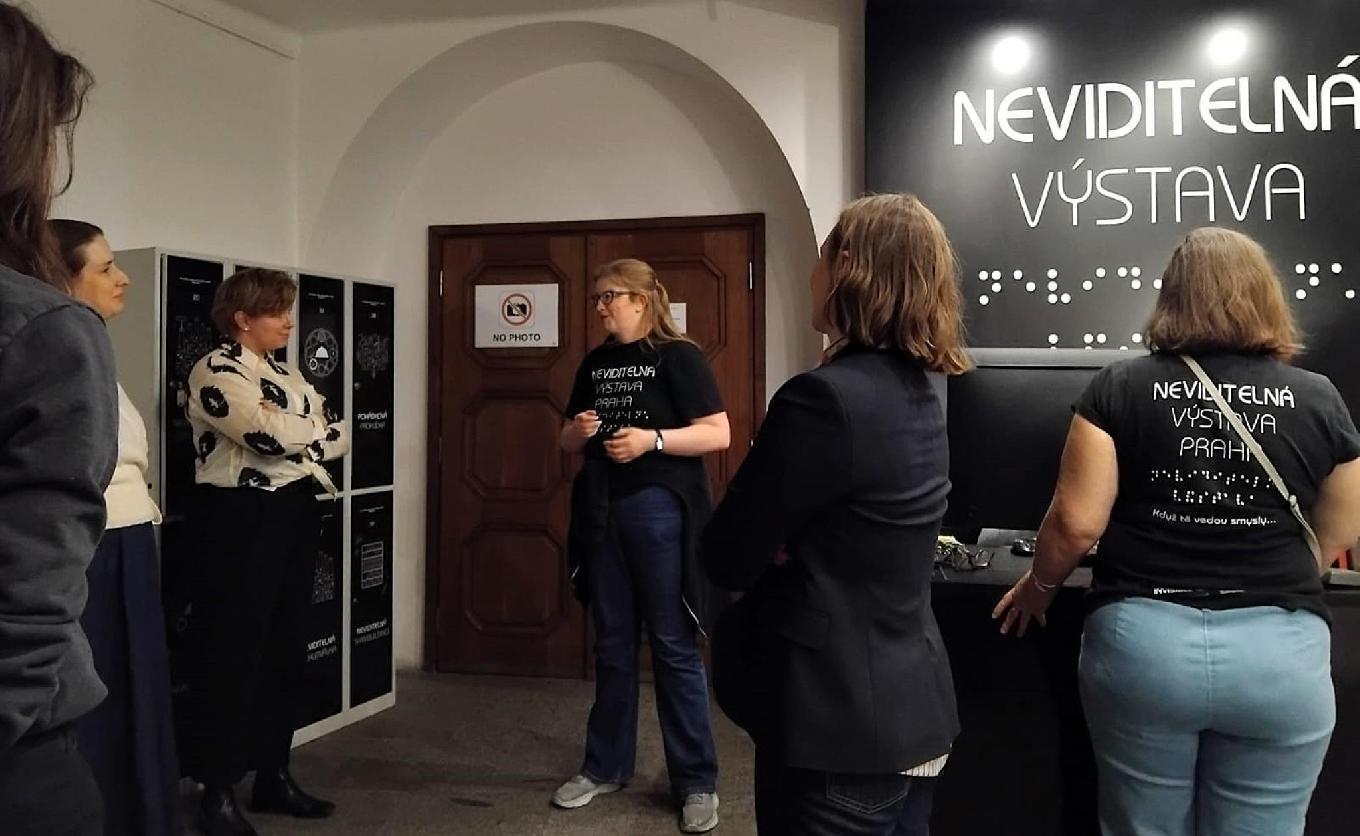
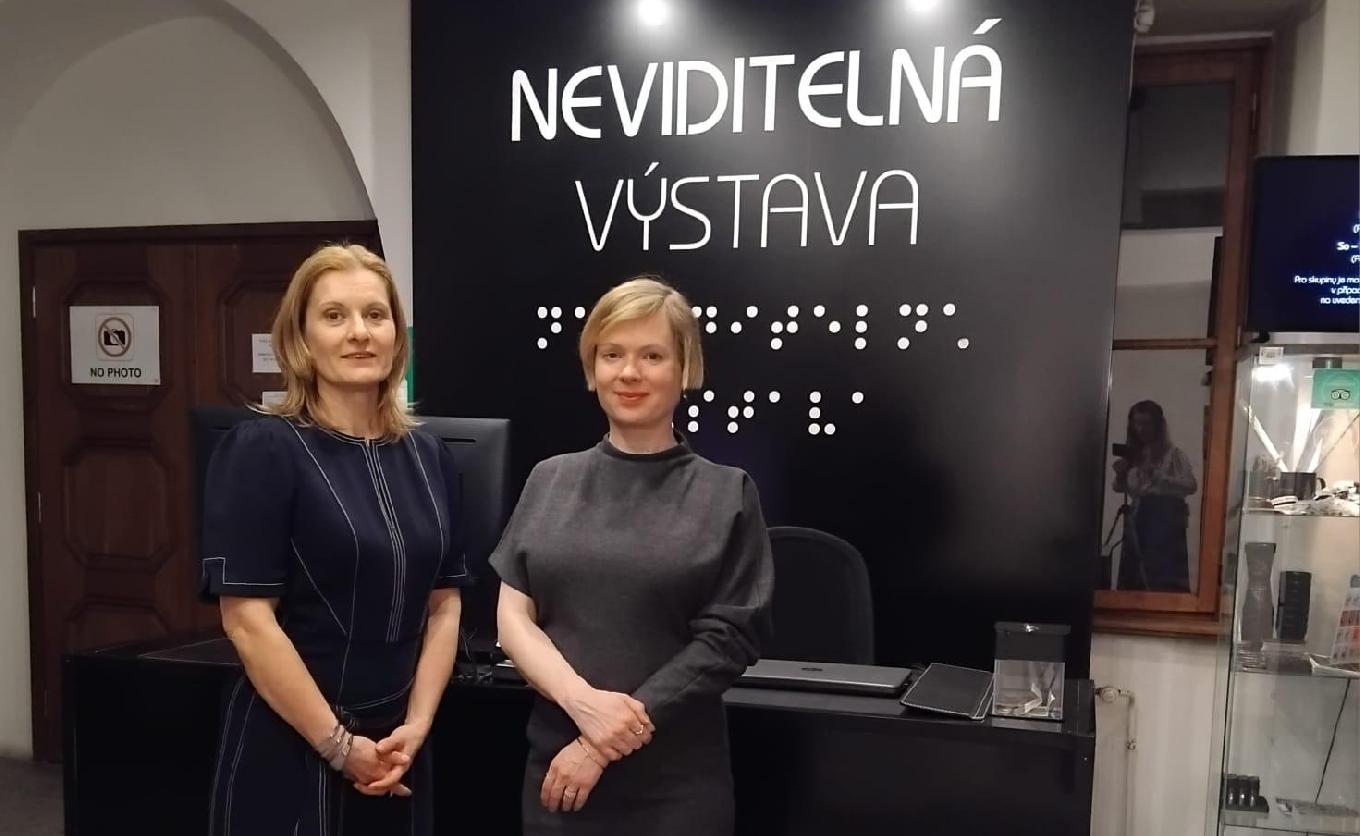
Music also took center stage in another particularly sensitive form during the first half of April. On April 8, the ceremonial hall of Prague’s New Town Hall hosted a festive concert marking the 15th anniversary of the Invisible Exhibition. Organized through the collaboration of the Liszt Institute Prague and Eszterhéj, the event served simultaneously as a cultural occasion and a socially conscious initiative aimed at raising awareness. Performers included visually impaired guides from the exhibition as well as artists from the Eszterhéj ensemble, while the proceeds were donated to support the Krasohled Foundation. What made the evening especially remarkable was that art functioned here not merely as an aesthetic experience, but also as a powerful medium for social solidarity.
Contemporary Hungarian jazz music also made a successful appearance in the Czech capital. On April 9, Budapest-based jazz ensemble Jazzbois performed at the Prague club Café V Lese as part of the Mladí ladí jazz 2026 festival. The group’s first club concert in the Czech Republic attracted strong interest and fit naturally into the dynamic trajectory of their growing international career. Their improvisational yet distinctly structured fusion sound brought a fresh perspective to the festival program, while also clearly demonstrating the export potential of contemporary Hungarian music.
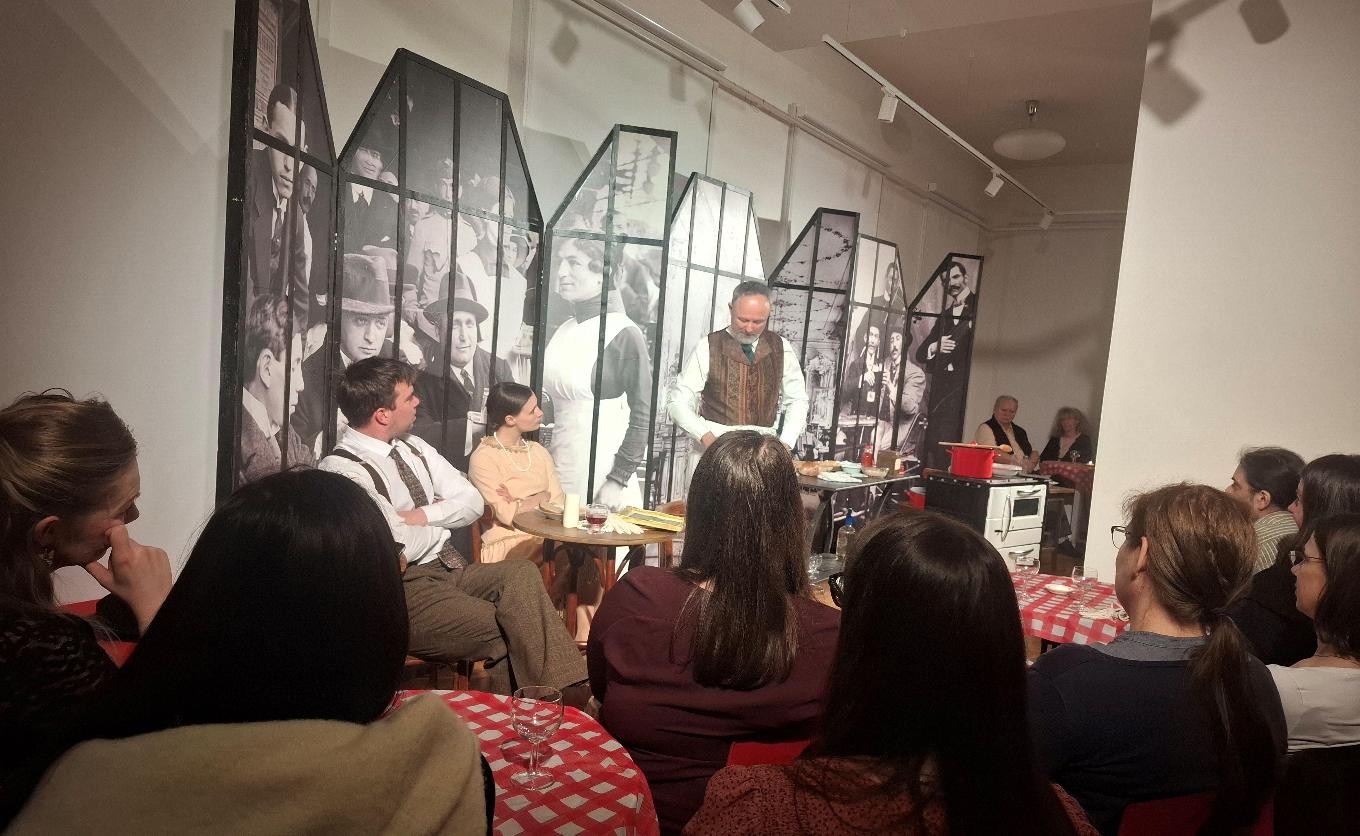
At the end of March, two theatrical events also enjoyed significant audience success in Prague. On March 26, the performance The Pleasures of the Stomach – The Flavorful World of Krúdy was presented at the Liszt Institute Prague. This gastronomic theater production combined literature, performance, and culinary experience in a uniquely integrated format. Starring László Tóth, the audience was not only given insight into the evocative world of Gyula Krúdy, but was also able to literally taste it through a dinner prepared on stage. For spectators seated at tables, the evening created an intimate, café-like atmosphere in which stories and flavors reinforced one another.
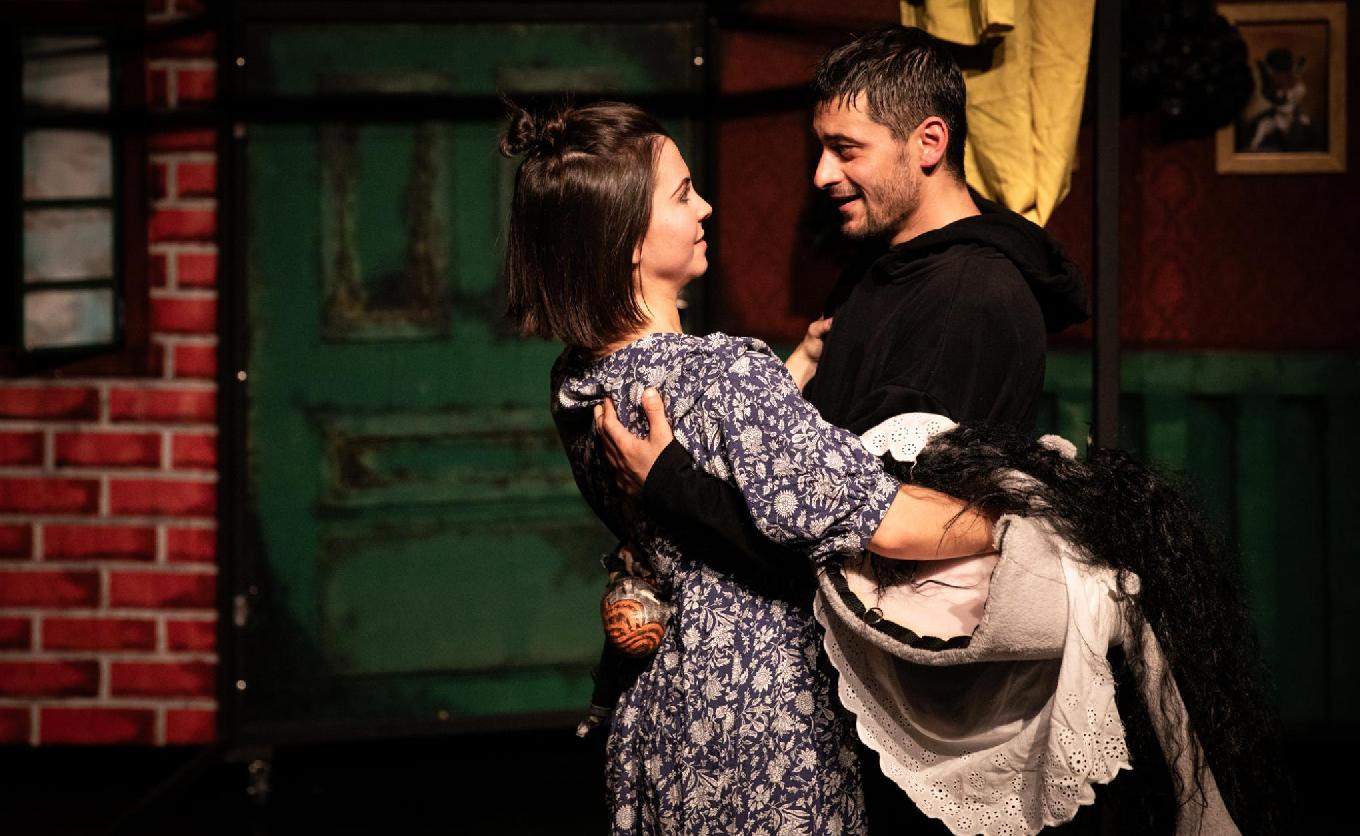
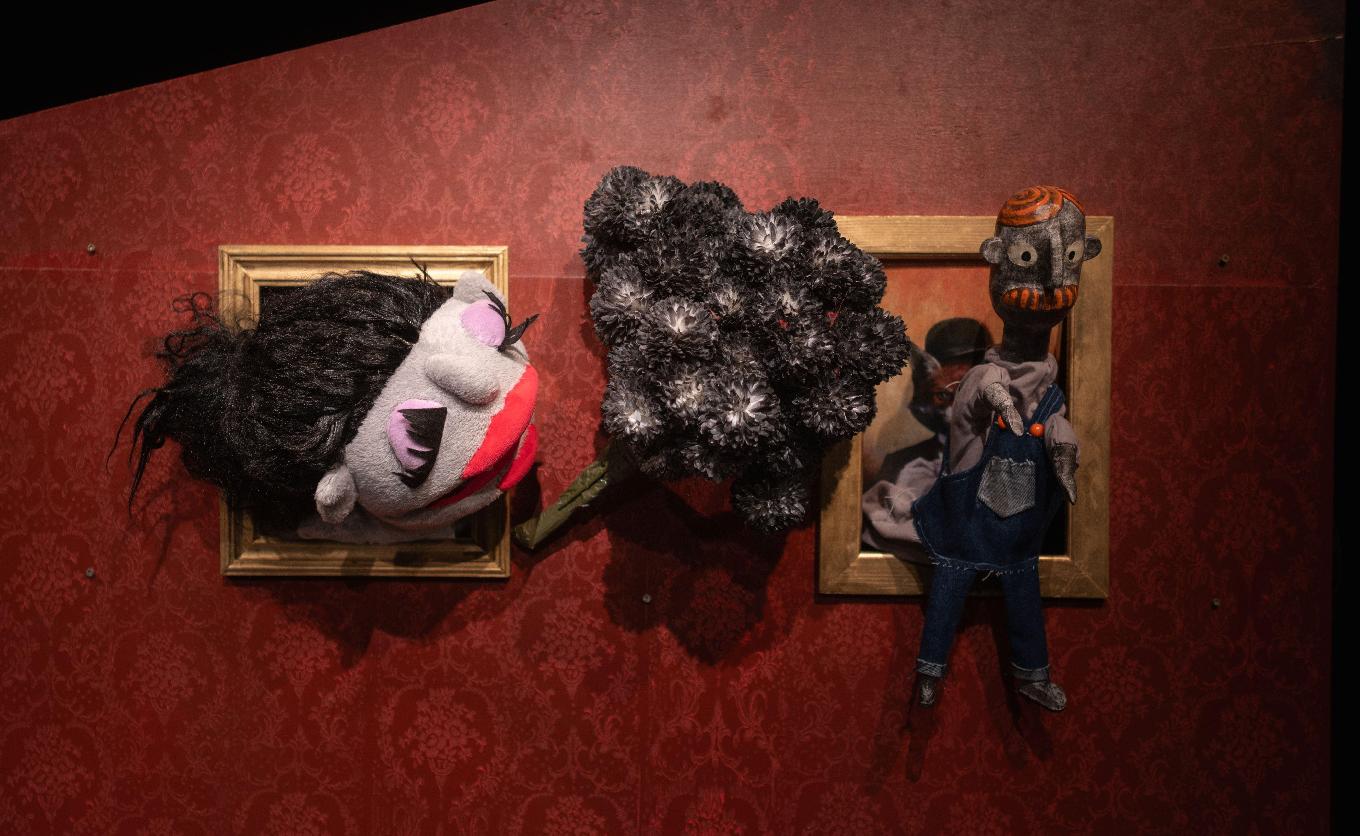
Two days later, on March 28, as part of the Night of Theatres program, the production Liselotte and May by Zsolt Pozsgai, staged by the University of Theatre and Film Arts, was performed at Prague’s Divadlo Rokoko. This puppet tragicomedy, intended for adult audiences, explored themes of love-seeking, human vulnerability, and the absurdity of the desire for happiness through a blend of humor and melancholy. The Hungarian-language performance was presented with Czech surtitles and received particular acclaim for the young creators’ inventive use of puppetry, as well as for its delicate balance between playfulness and tragedy.
Overall, the Hungarian programs in the Czech Republic during the spring months demonstrated that the strongest tool of cultural diplomacy remains a high-quality artistic presence that fosters personal encounters. The events coordinated by the Liszt Institute Prague showcased many facets of Hungarian culture: internationally competitive filmmaking, conceptually rich contemporary visual art, an open and innovative musical landscape, and theatrical forms rooted in tradition yet expressed in a modern idiom. The Czech audience’s interest and active engagement clearly indicated that these programs were not merely presentations, but living points of cultural connection between Hungary and the Czech Republic.