Eventful months behind the Collegium Hungaricum Belgrade
In recent months, an exceptionally rich and diverse range of cultural programs has been realized by the Collegium Hungaricum Belgrade. Musical events in Belgrade achieved outstanding audience success, while the film days further strengthened the presence of Hungarian culture in the Serbian capital. The institute also played an active role in rural locations, engaging families through community-building and tradition-preserving programs.
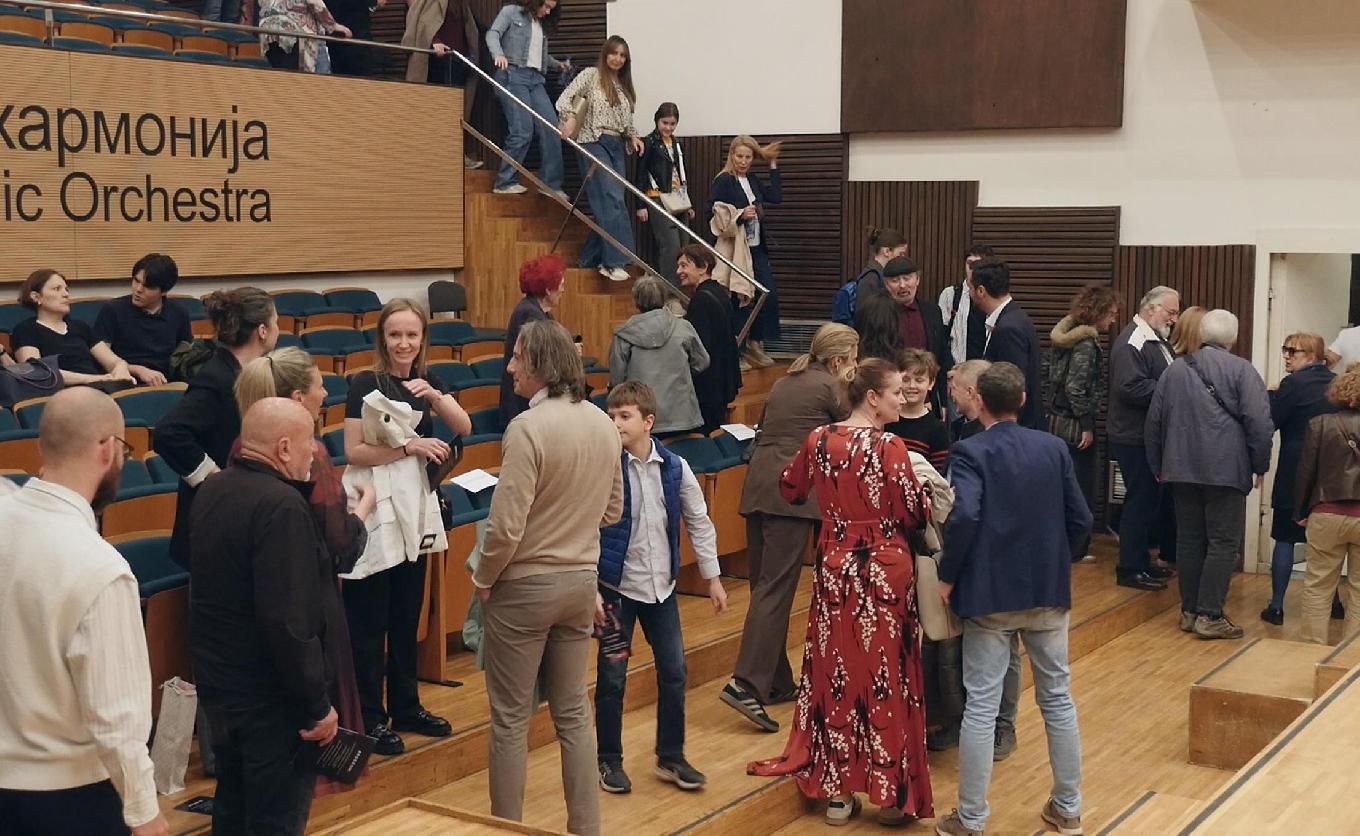
Recently, musical programs have received particular emphasis in the life of the institute. At the beginning of March, the outstanding artists of Concerto Budapest performed in Belgrade with their special chamber music evening. The quintet captivated the audience through works by Wolfgang Amadeus Mozart, György Kurtág, and Antonín Dvořák. On stage, Orsolya Winkler and Áron Soós (violins), Előd Soós and Janka Mekis (violas), and János Aranyos (cello) delivered a high-quality, sensitive, and engaging performance. The success of the event is well illustrated by the fact that it became the best-attended concert of recent years, with attendance exceeding full capacity. The audience received the performance with great enthusiasm, and by the end of the evening it was clear that the concert had provided a lasting cultural experience for all present.
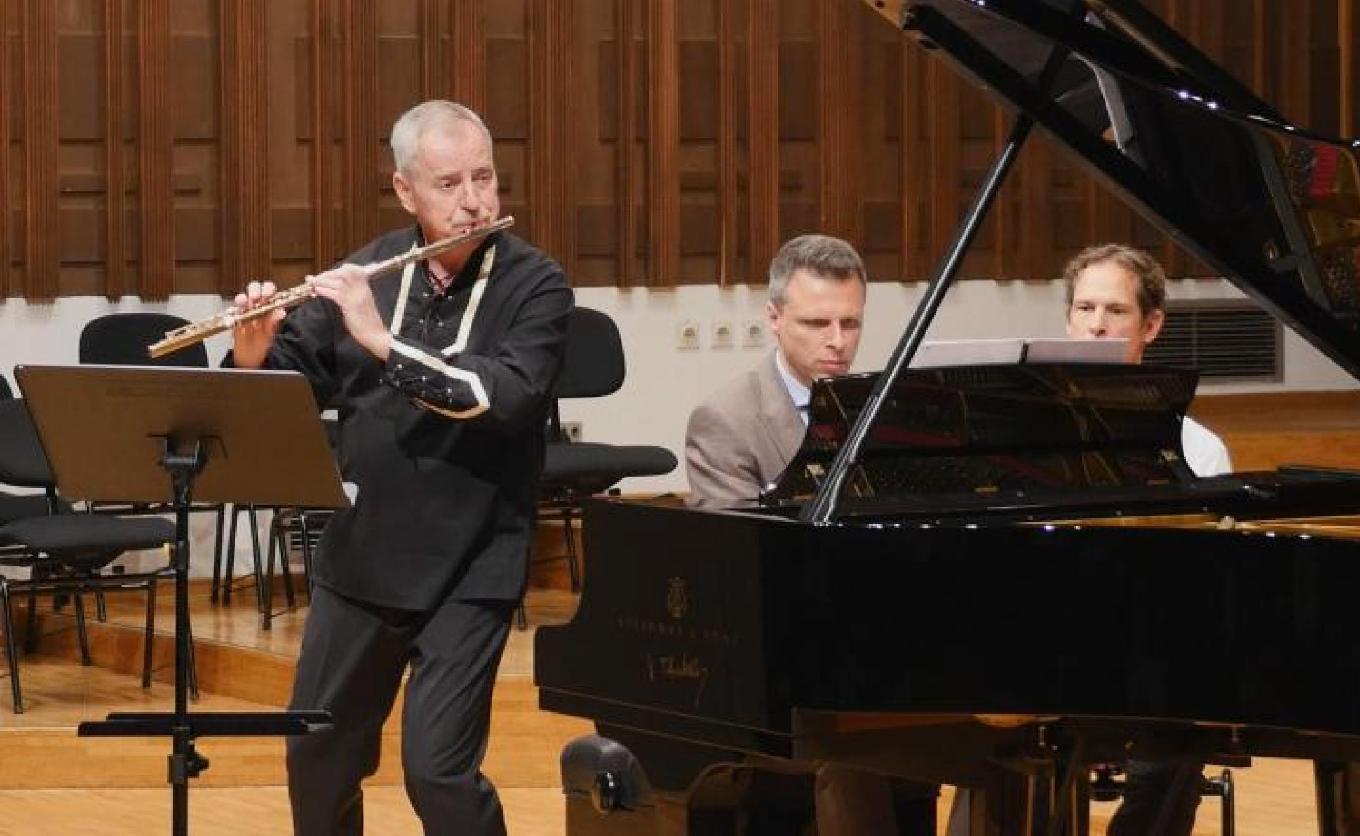
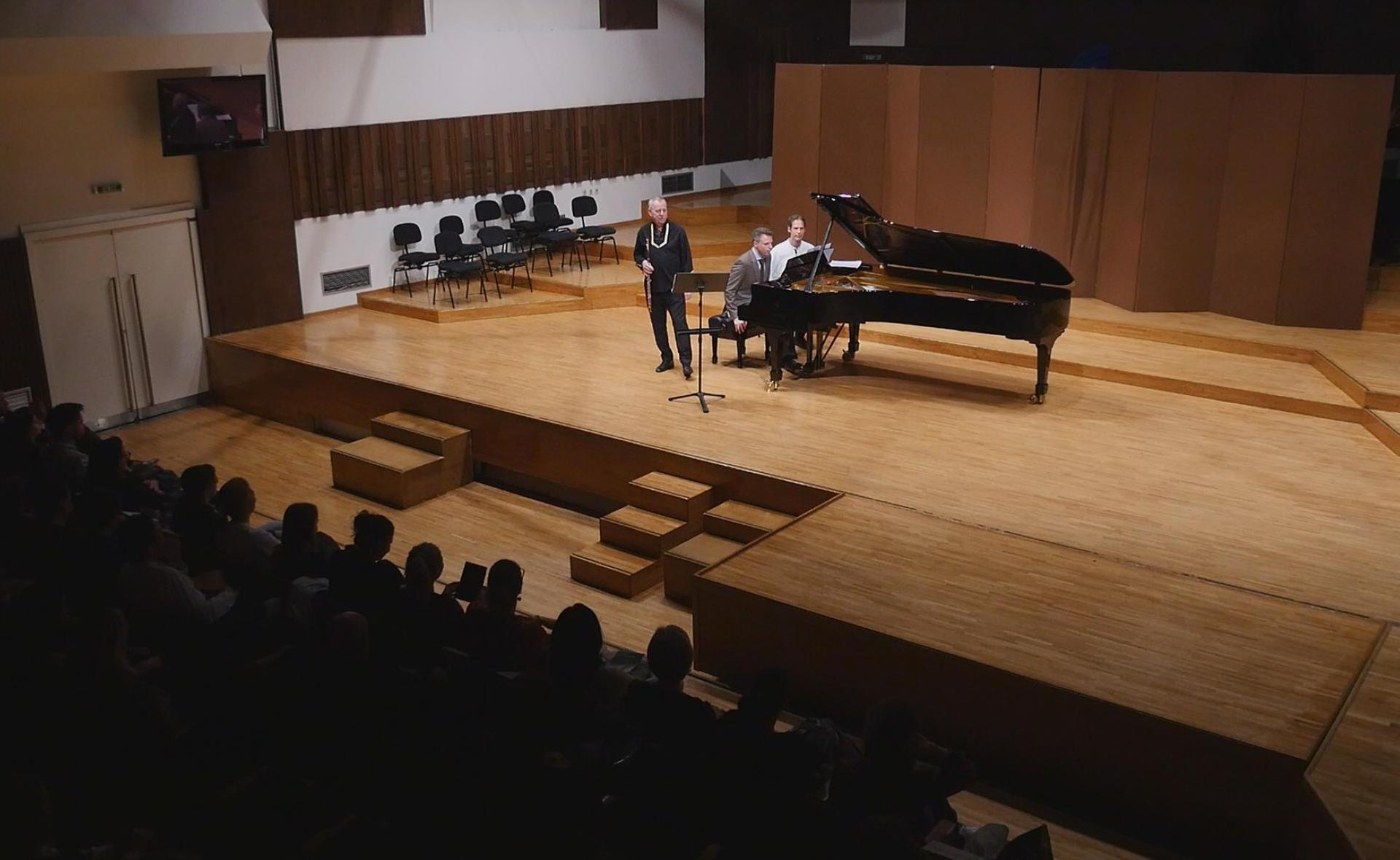
Similarly, in April, the concert of Hungarian flutist János Bálint and his Serbian pianist partner Vladimir Milošević was realized with great success in the Grand Hall of the Belgrade Philharmonic. The concert was one of the highlights of the Hungarian–Serbian Cultural Season. It attracted significant interest, with the audience nearly filling the hall and warmly welcoming the artists’ performance. The program featured works by Franz Doppler, Franz Liszt, György Kurtág, Béla Bartók, and Ernő Dohnányi, reflecting both artistic diversity and high quality. The concert was outstanding not only from a musical perspective but also in strengthening cultural relations between the two countries. Audience feedback indicated that attendees experienced an inspiring and memorable evening. The following day, János Bálint held a masterclass at the institute, offering further opportunities for professional development and for young musicians to grow.
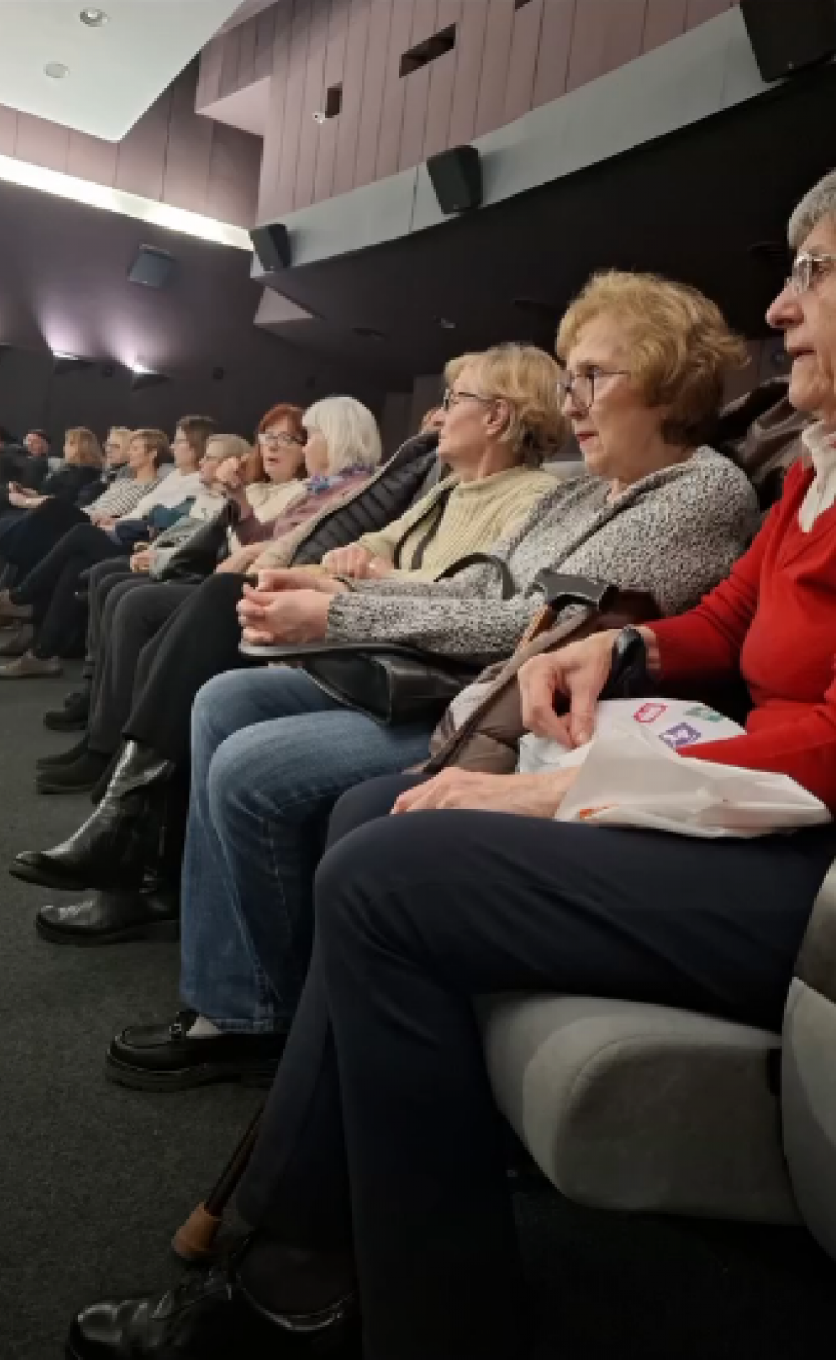
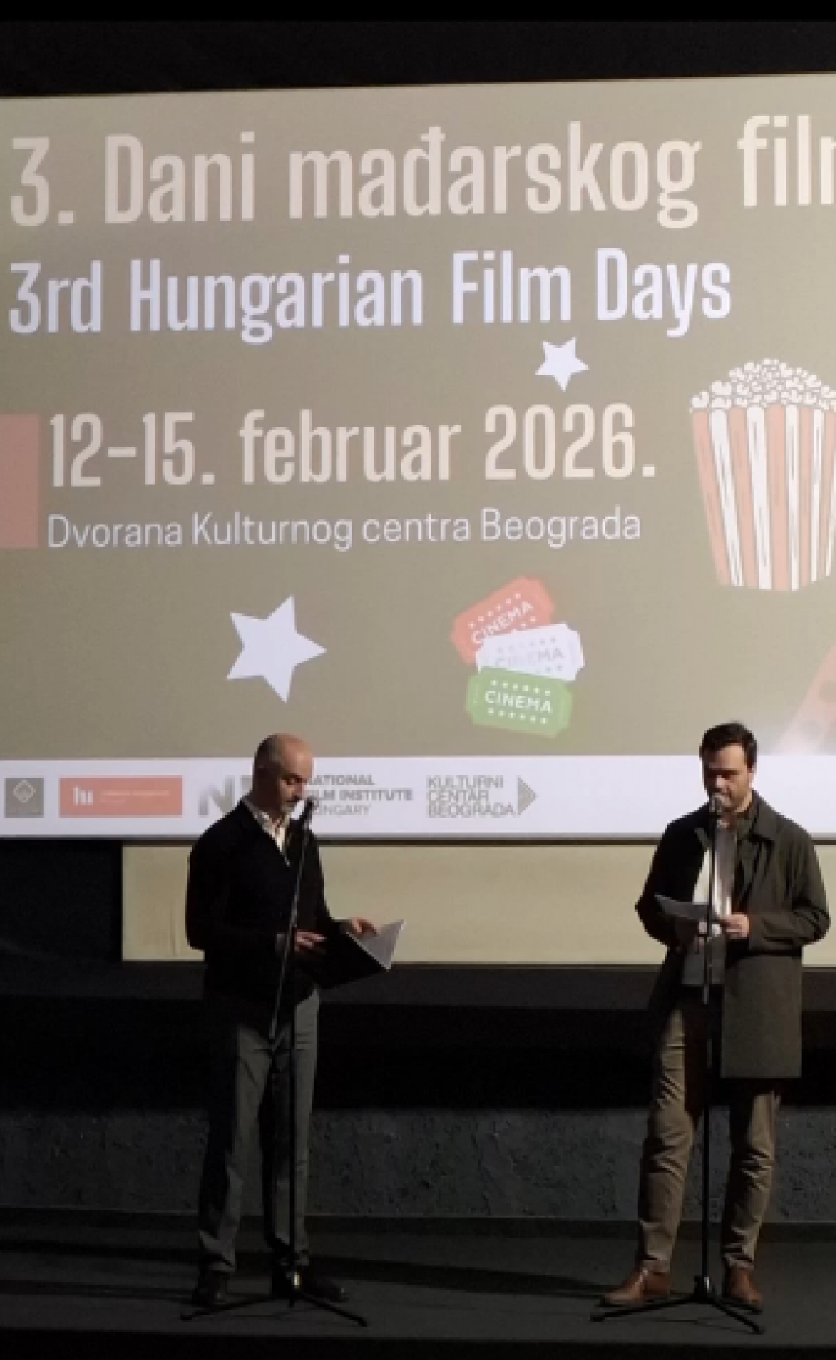
In addition to music, film was also in focus in Belgrade, as the Belgrade Hungarian Film Days were successfully held for the third time, attracting an increasing number of viewers each year. In light of the Hungarian–Serbian Cultural Season, this year an expanded program awaited audiences, featuring nine Hungarian films. All screenings were held in Hungarian with Serbian and English subtitles at the KCB Dvorana cinema. At the opening, speeches were delivered by Ivan Aranđelović, program director of the cinema, and Róbert Kaszab, director of the institute. The opening film this year was Semmelweis, presenting the life of the famous Hungarian physician. Over the weekend, animated films took center stage, giving the event a special focus. Such films attract considerable interest in Serbia, and the screenings of Toldi and Cat City (Macskafogó) drew not only younger audiences but also professionals from the field. Due to the strong interest, the cinema has already indicated its intention to host the event again next year, confirming that the Collegium Hungaricum has successfully established a Hungarian event in the Serbian capital that is becoming a tradition.
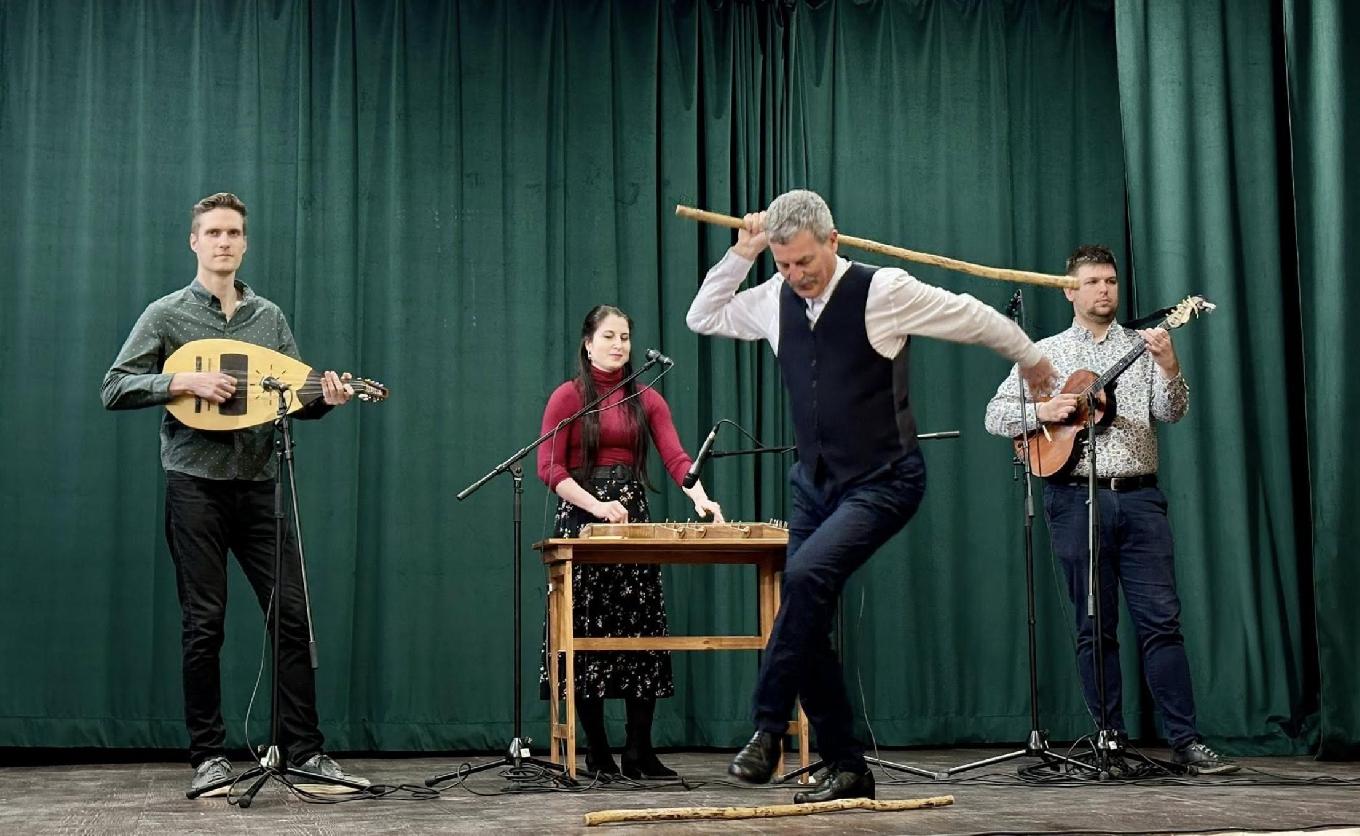
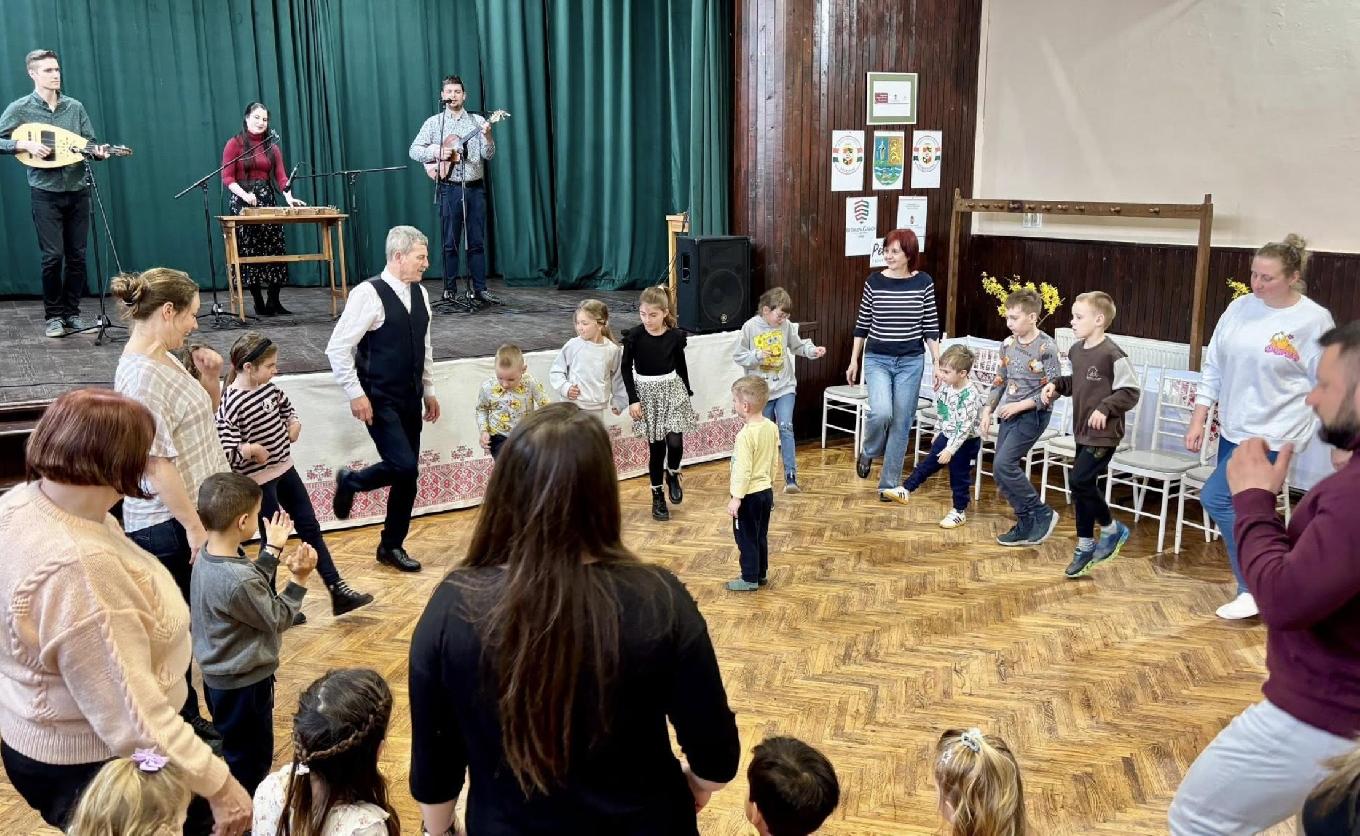
The institute was also active beyond Belgrade, as this year’s family Easter programs were held in Hertelendyfalva in cooperation with the Hungarian Heritage House in Budapest. As part of the Hungarian–Serbian cultural season, the program aimed to bring Hungarian folk culture to as many locations as possible and to create a shared community experience for participants. Through the interactive performance of the Pengetős Trio, participants were introduced to traditional instruments, while also taking part in group singing and dancing. Folk dance sessions and craft activities further enriched the experience, allowing both children and adults to actively participate in the event, which was received with great enthusiasm and joy by the audience. The significance of the program lies in the fact that it not only evoked Easter traditions but also passed on Hungarian folk music and dance culture in a living, community-based form, thereby strengthening the local community and Hungarian–Serbian cultural relations.
The events of the recent period have once again demonstrated that the institute is a key player in the region’s cultural life. The successful programs provide a solid foundation for future collaborations and for the continued promotion of Hungarian culture in Serbia.