Eventful Months at the Liszt Institute Prague
In recent months, the Liszt Institute Prague has welcomed audiences with a diverse range of cultural programs. From a concert connected to the Day of Hungarian Culture, through the presentation of the Hungarian Bride exhibition, to the unveiling of a historical memorial plaque and a special film program series, numerous events have strengthened the presence of Hungarian culture in the Czech Republic.
In January, on the occasion of the Day of Hungarian Culture, the Liszt Institute Prague hosted a special concert. During the evening, memorable works from music history were performed by Katica Illényi, Distinguished and Meritorious Artist of Hungary, and Péter Sárik, Ferenc Erkel Prize-winning composer and pianist. In addition to the sounds of the piano and violin, the concert also featured the unusual instrument the theremin, which made the performance even more special and was a great success with the Prague audience.
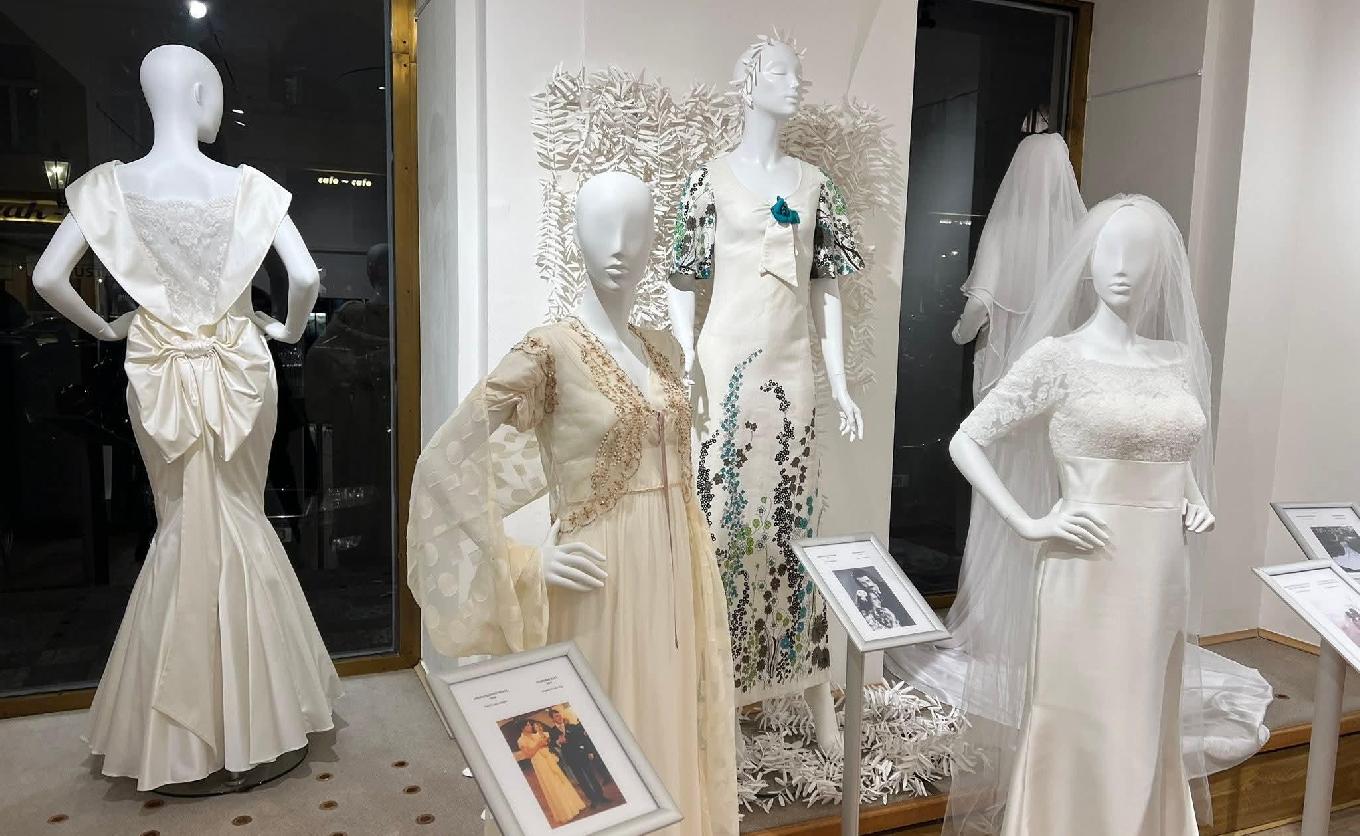
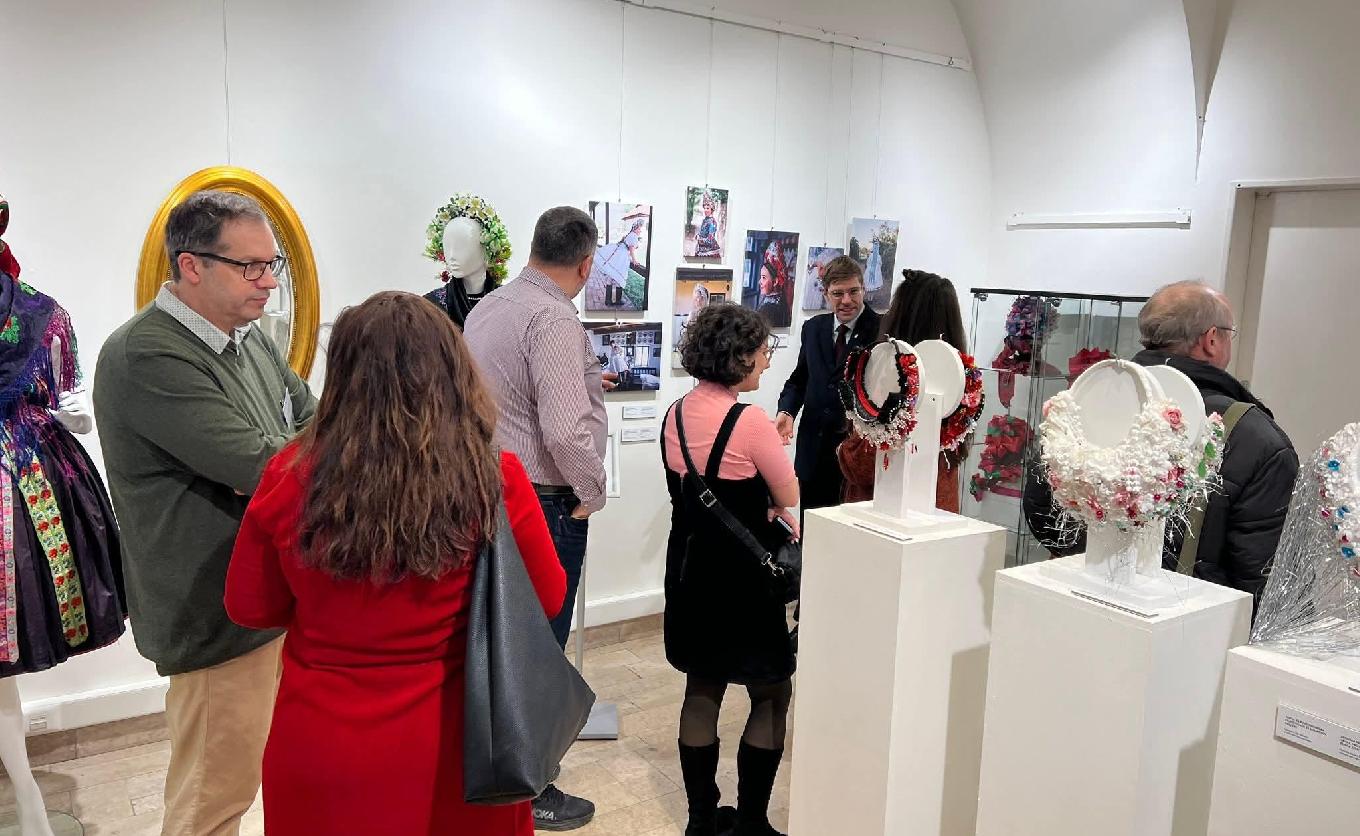
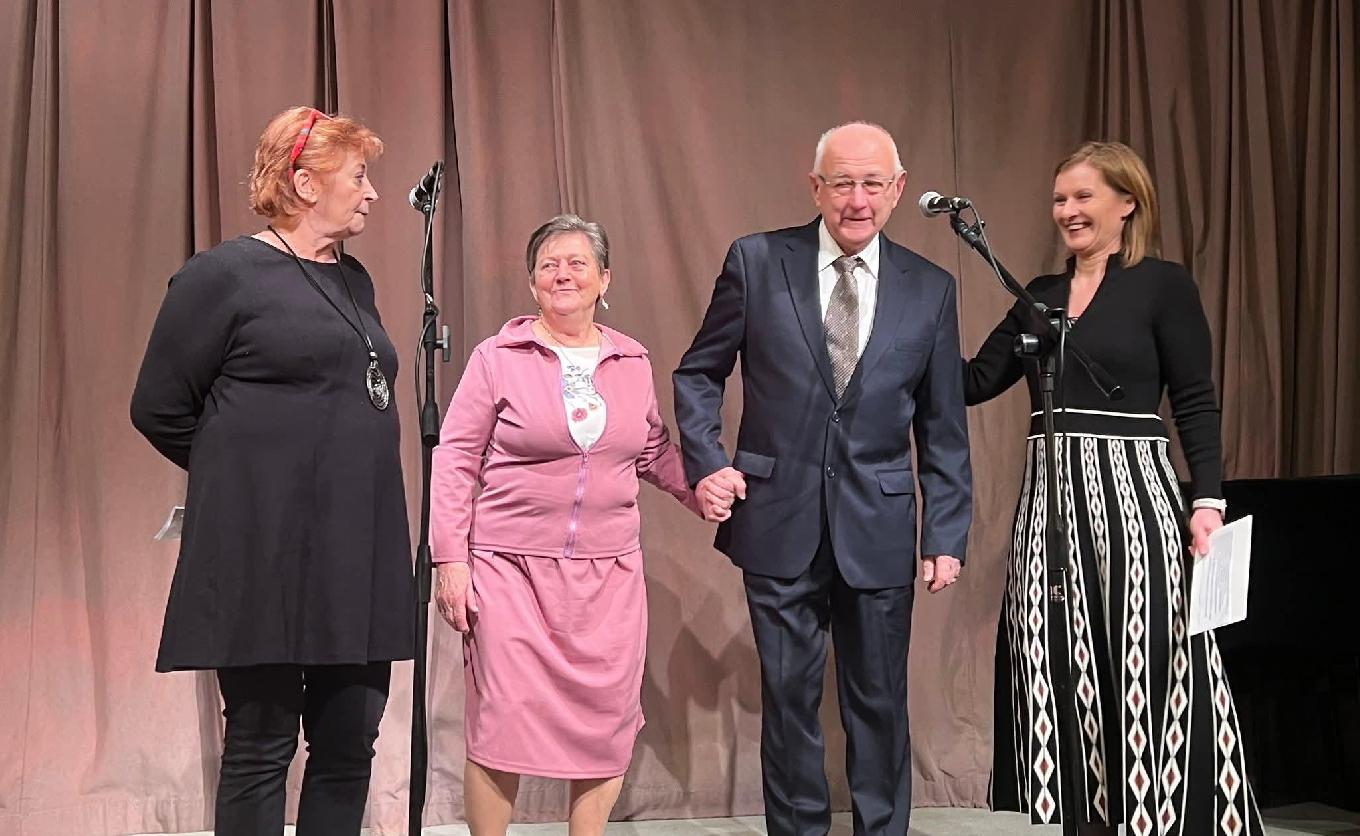
One of the most outstanding events in the life of the institute in recent months was the Prague presentation of the exhibition Hungarian Bride in February. The exhibition arrived in the Czech capital as a capsule version of the large-scale exhibition held at the Hungarian National Museum and is open to visitors until March 15. At the opening held at the beginning of February, a large number of guests gathered and were welcomed by Hajnal Kassai, director of the Liszt Institute Prague. Afterwards, Zoltán Balga, parish priest of the Hungarian Catholic community in Prague, and Ildikó Simonovics, curator of the exhibition, shared their thoughts on the significance of marriage and its role in our everyday lives. Numerous donations were offered to the exhibition by donors, including wedding dresses and traditional folk costumes. Among those present at the opening were Márta Fehérová (Szalai) and Petr Fehér, who have been happily married for 55 years. The institute owes its earliest donated items to them, as they preserve the memory of their 1971 wedding and enrich the exhibition with a special personal story.
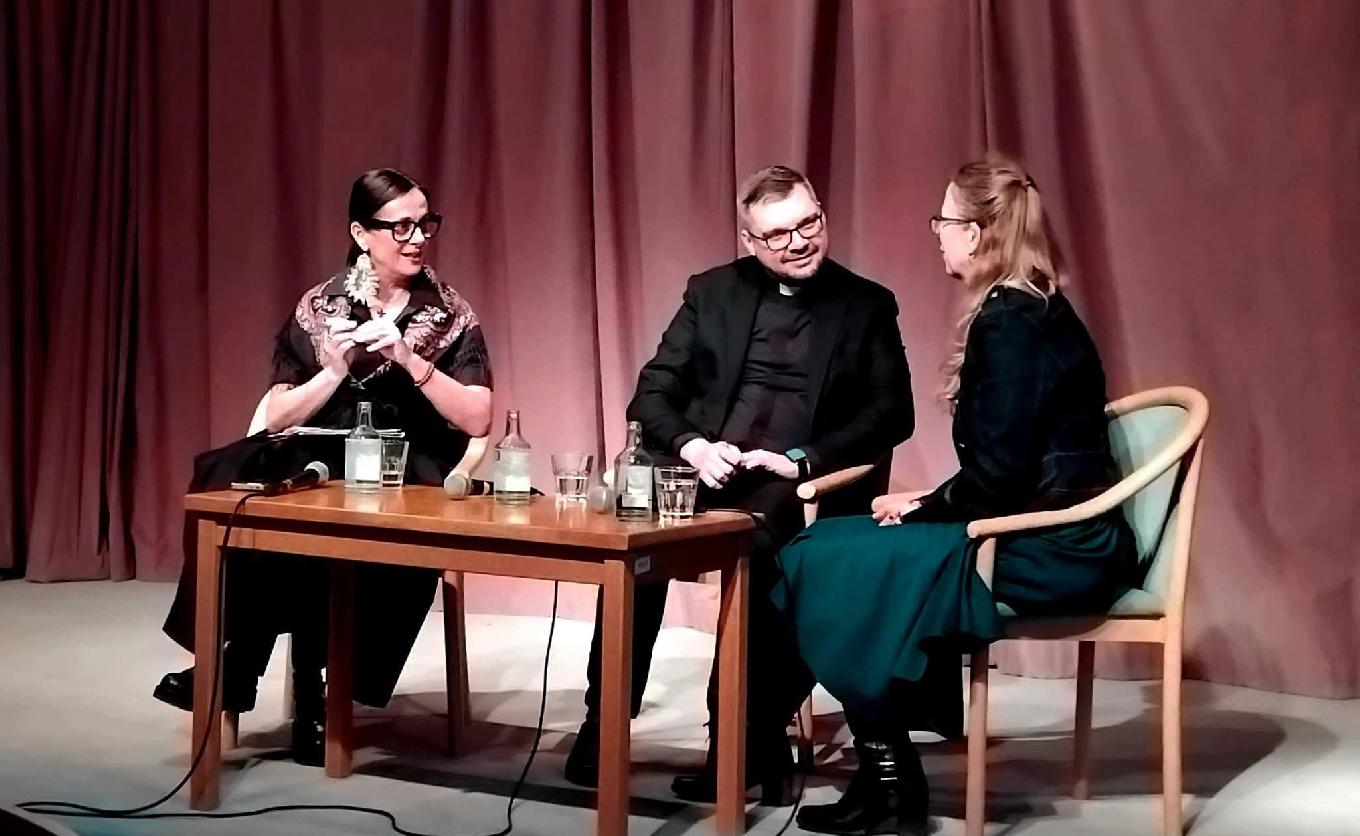
In connection with the exhibition, a panel discussion on marriage and relationships was also held on February 7, organized in cooperation with the Iglice Association, the community of Hungarian families in Prague. During the program, relationship coach Krisztina Pavlíčková, Father Zoltán Balga, and Ildikó Simonovics discussed the unique challenges faced by couples of mixed nationalities. They also talked about how cultural differences appear in everyday married life and how these differences can become enriching resources for a relationship.
The exhibition is also accompanied by a children’s drawing exhibition, for which children from the Hungarian community in Prague submitted their works. The theme of the competition was: Me, the bride – my bride. The Iglice Association’s carnival program was also connected to the exhibition and entertained children during the panel discussion. In connection with the theme of the exhibition, the children were introduced to wedding traditions from an ethnographic perspective and also learned love songs from Imreg.
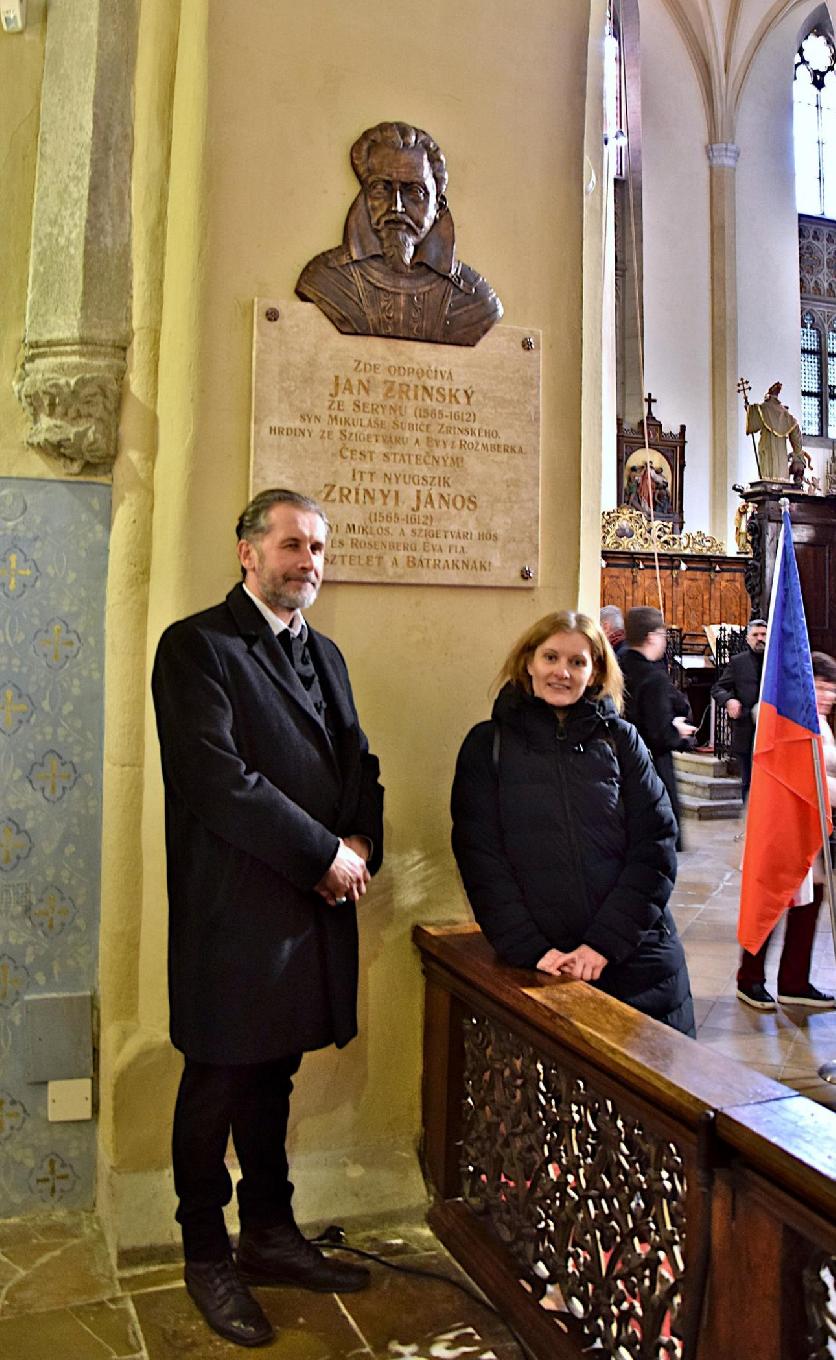
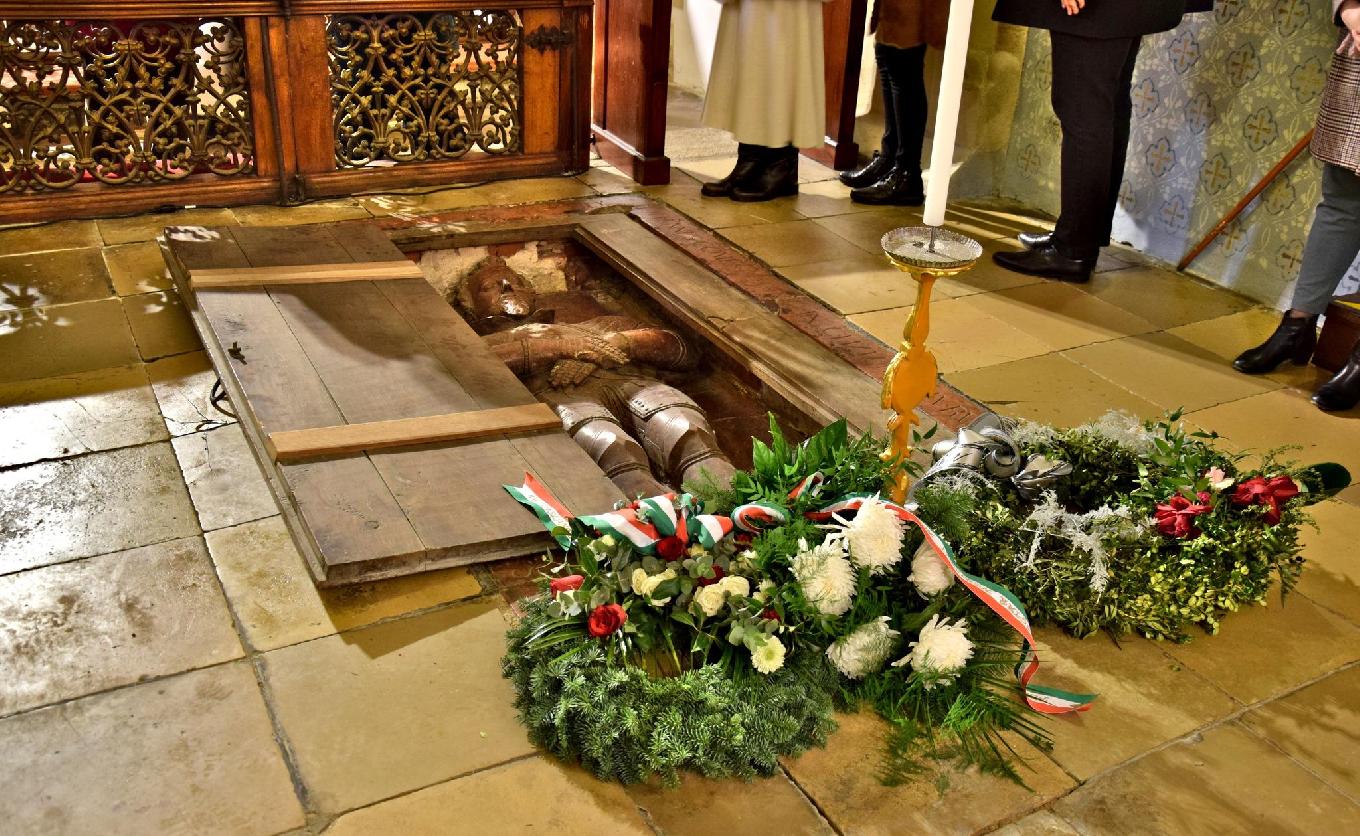
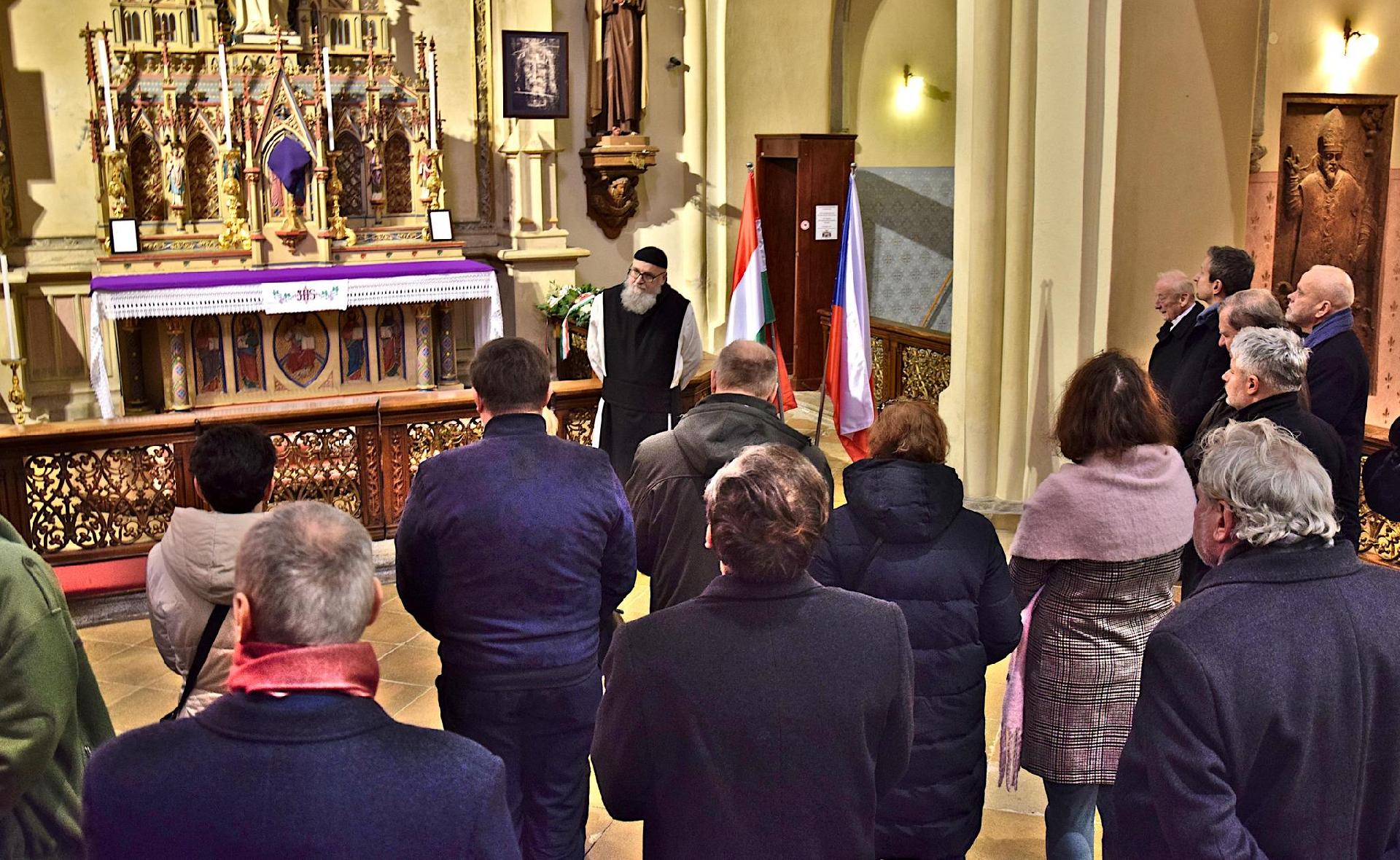
The Hungarian Embassy in Prague, in response to a call for proposals from the Ministry of Foreign Affairs, commissioned a memorial plaque for János Zrínyi, who is buried in the Cistercian monastery of Vyšší Brod. The plaque was created by sculptor Attila Pokorni. János Zrínyi, the son of Miklós Zrínyi and Eva Rosenberg, a member of a Czech noble family, represented a bridge between the Hungarian and Czech nations through his dual heritage. The memorial plaque thus pays tribute to a historical figure connected to both cultures. The ceremony held on February 24, 2026 – with the participation of the Liszt Institute Prague – was attended by representatives of the Hungarian community in the Czech Republic, political leaders from South Bohemia, and the sculptor. The program began with the unveiling and wreath-laying ceremony, followed by a communal lunch. Afterwards, a scholarly lecture was presented about the Závis Cross, which, according to the latest research, has been proven to originate from Hungary, giving it significant professional value for archaeologists and historians as well.
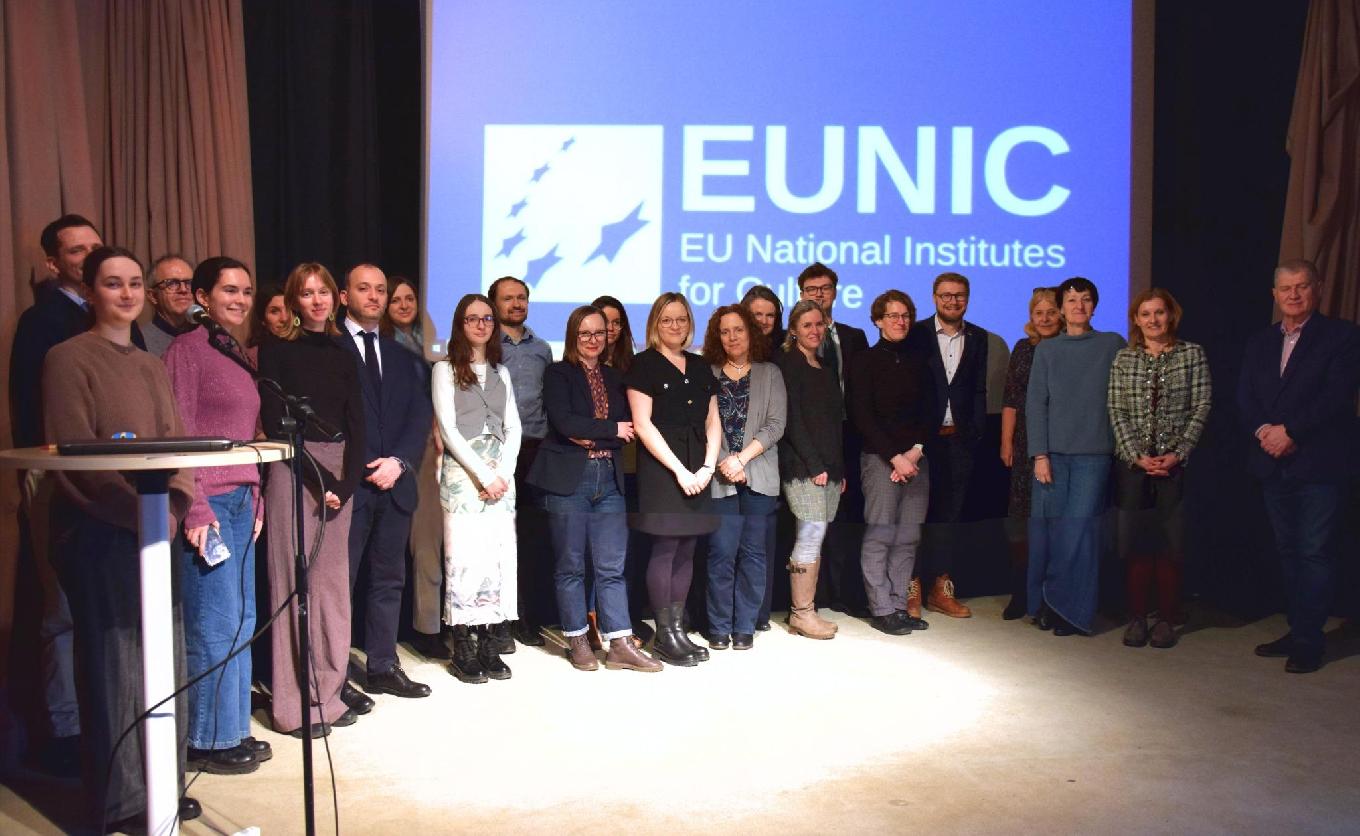
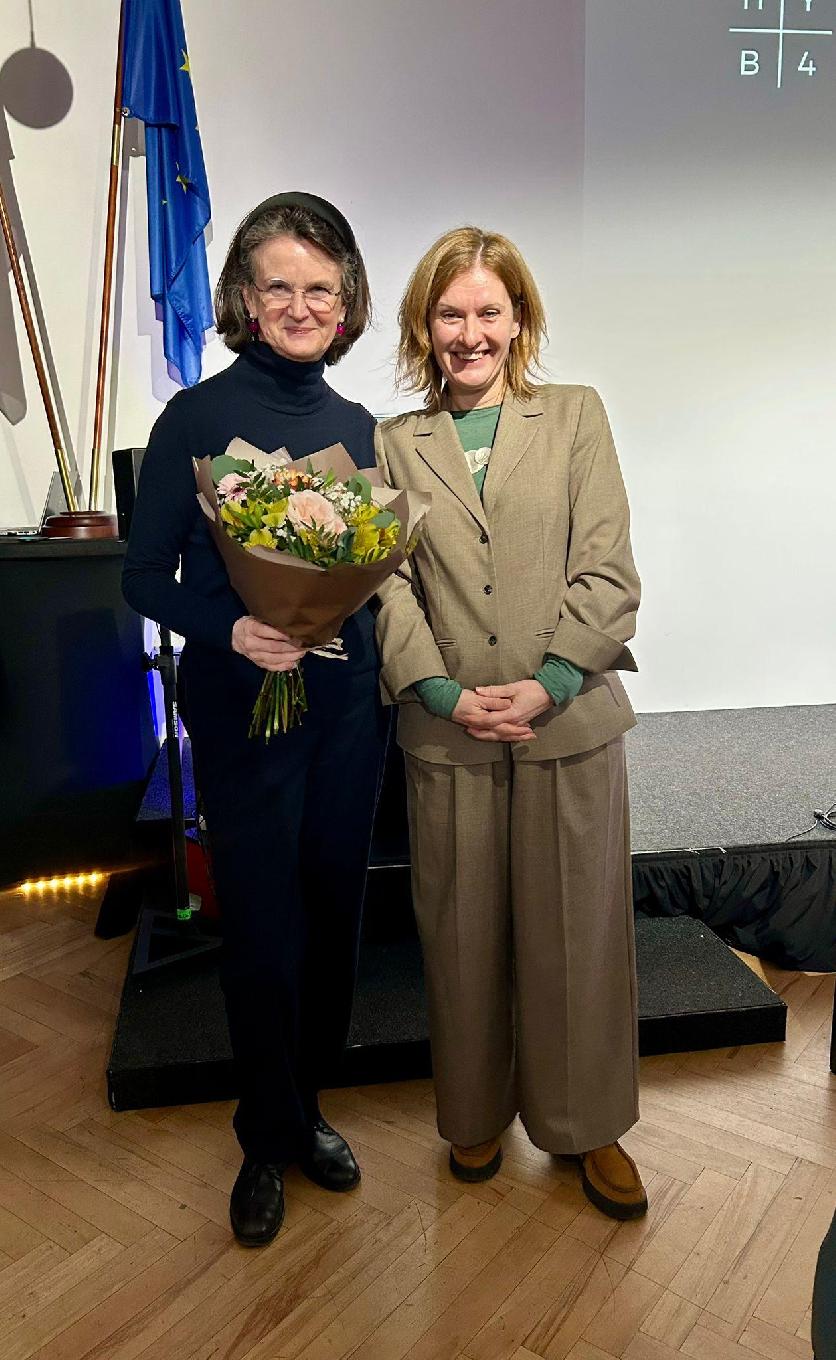
It is also noteworthy that from February the Liszt Institute Prague has assumed the presidency of the EU National Institutes for Culture (EUNIC) cluster. As part of this role, the first meeting under the Hungarian presidency took place on February 25, where participants engaged in numerous inspiring discussions.
From March 4 until April 11, the Ponrepo Cinema is commemorating recently deceased film director Béla Tarr. As part of the program series organized in cooperation with the Czech National Film Archive and FAMU (the Film and TV School of the Academy of Performing Arts in Prague) the audience will be able to watch several of his outstanding films, including Werckmeister Harmonies, Sátántangó, and Damnation.