Diverse Hungarian cultural programs in South Korea
The Liszt Institute Seoul welcomed those interested in Hungarian culture to the South Korean capital with a diverse program package. A presentation promoting Hungary was organized for students, and the highly successful public speaking competition was held for the 11th time this year in cooperation with Liszt institutes in Asia. The Hungarian Ethnographic Museum also opened an exhibition entitled Hungarian Nativity Scenes – Winter Traditions from the Past, which presents the folk customs of nativity scenes and nativity plays to interested visitors. The institute organized the screening of the film The Game at the European Film Festival for Korean audiences, and Tibor Simon-Mazula and Orlando Marosini presented their work at one of South Korea's largest international fairs, the Daejeon K-Art Fair. Attila József's works "Mama" and "Summer" and several verses from Sándor Petőfi's narrative poem "János vitéz" will be on display in Hungarian and Korean translation until December next year at Seoul's busiest metro hubs, bringing the gems of Hungarian culture to hundreds of thousands of people every day.
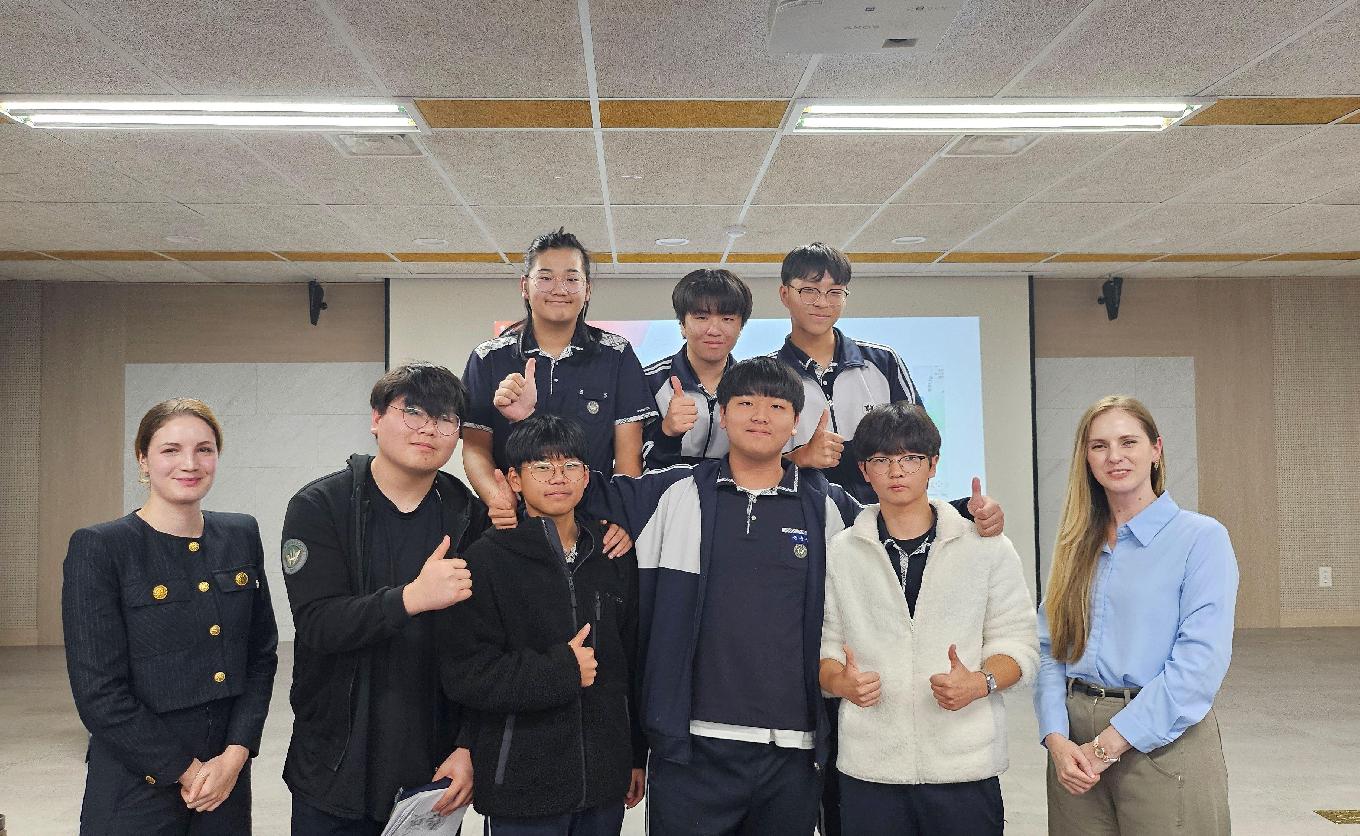
On November 10, Cultural Attaché Fanni Perjés and Cultural Assistant Katalin Ruzsa gave a presentation to students at Hyomun Middle School in Seoul as part of the EU Goes to Schools program. At the end of the interactive presentation introducing the European Union and Hungary, the students asked numerous insightful questions during a Q&A session, demonstrating their preparedness and interest in Hungary.
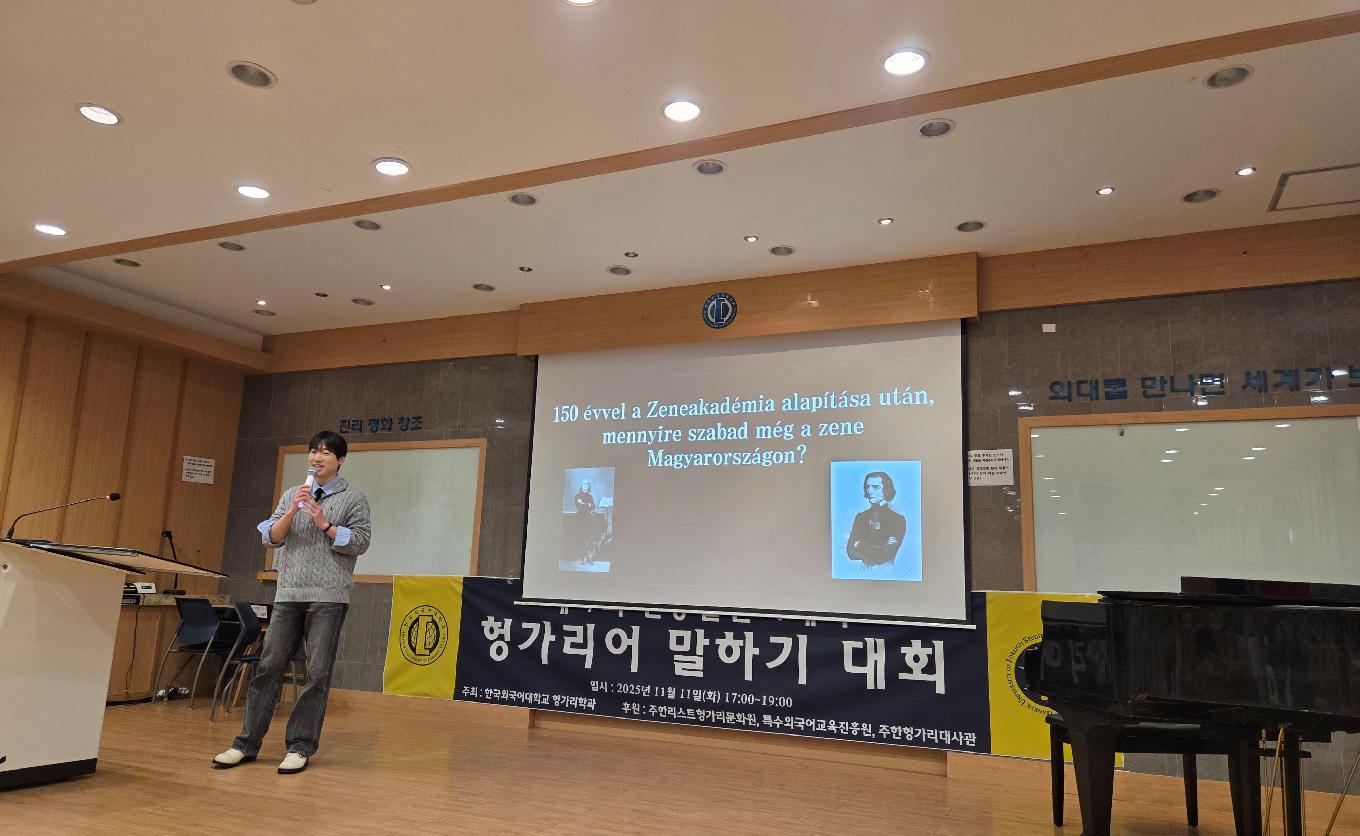
On November 11, Hankuk University of Foreign Studies (HUFS) hosted its annual Hungarian speech contest, with members of the Liszt Institute Seoul serving as judges. This year's competition was organized by the HUFS Hungarian Department with the support of the Liszt Institute Seoul and under the guidance of department head Yoo Jin-il and guest lecturer Andrea Fischer, who mentored the contestants. The theme of this year's regional speech contest was music, which inspired students to explore Hungarian culture with creative and thought-provoking content. The winners' prizes were presented by István Medvigy, director of the institute, to the three best performers. The Korean competition of the project, which is a collaboration between the four Asian Liszt Institutes (Beijing, Tokyo, Delhi, Seoul), is held every year in November in cooperation with HUFS, which is of particular importance in fostering Korean-Hungarian language and educational relations.
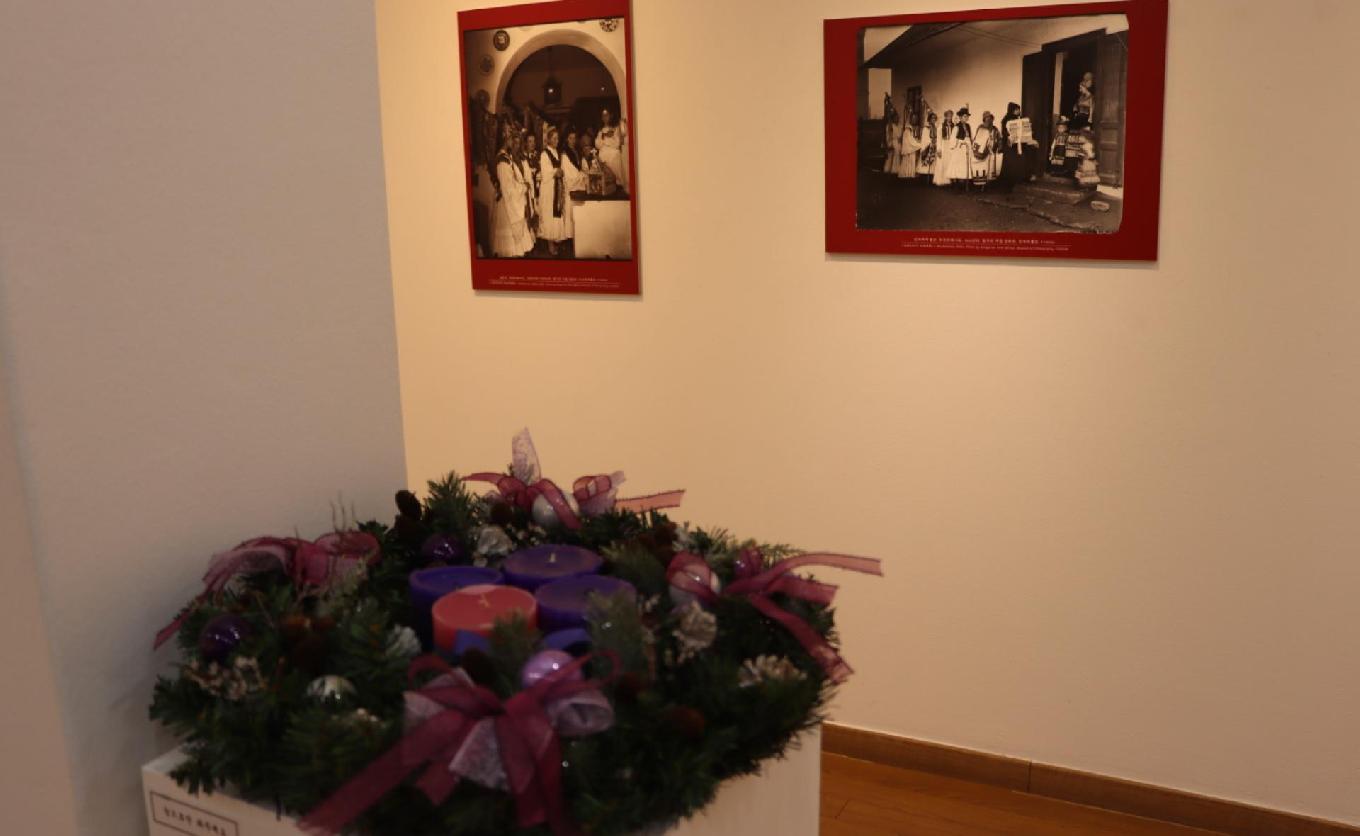
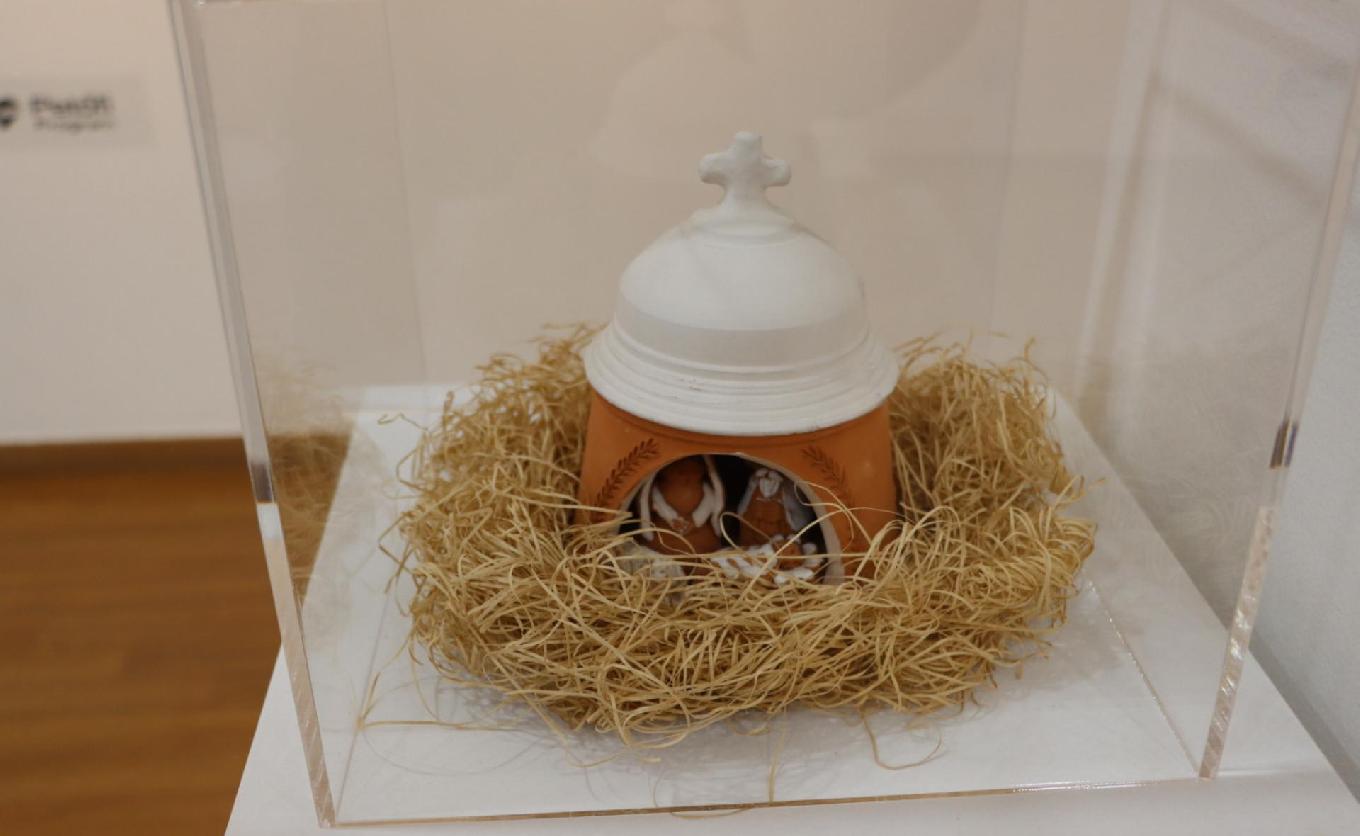
In cooperation with the Seongdong Arts and Culture Foundation and the Museum of Ethnography (Budapest), a special photo exhibition entitled Hungarian Nativity Scene – Winter Traditions from the Past opened on November 10 at the Sowol Exhibition Hall of the Seongdong Cultural Foundation. The exhibition, which consists of archival photos provided by the Museum of Ethnography, presents Hungarian Christmas traditions, from old folk beliefs and winter customs to the elements that have shaped today's celebrations. The museum's traveling exhibition has already been on display in Hungary, showcasing the diversity of the Carpathian Basin. It included numerous ethnic customs practiced in the territory of historical Hungary, such as the Turka-járás or kolindálás of the Romanians in Transylvania, the betlehemese of the Slovaks in Upper Hungary, the jaslicskárok game, the traditional Mikulás-járás, betlehemezés, regölés, and Luca Day. The exhibition in Seoul primarily presents our Christmas customs, with a special focus on nativity scenes, through 25 historical photographs. Special attention was given to the nativity play, a heartwarming folk custom that fosters a sense of community, telling the story of the birth of Christ through song and play, and which remains a living symbol of Hungarian festive heritage to this day.
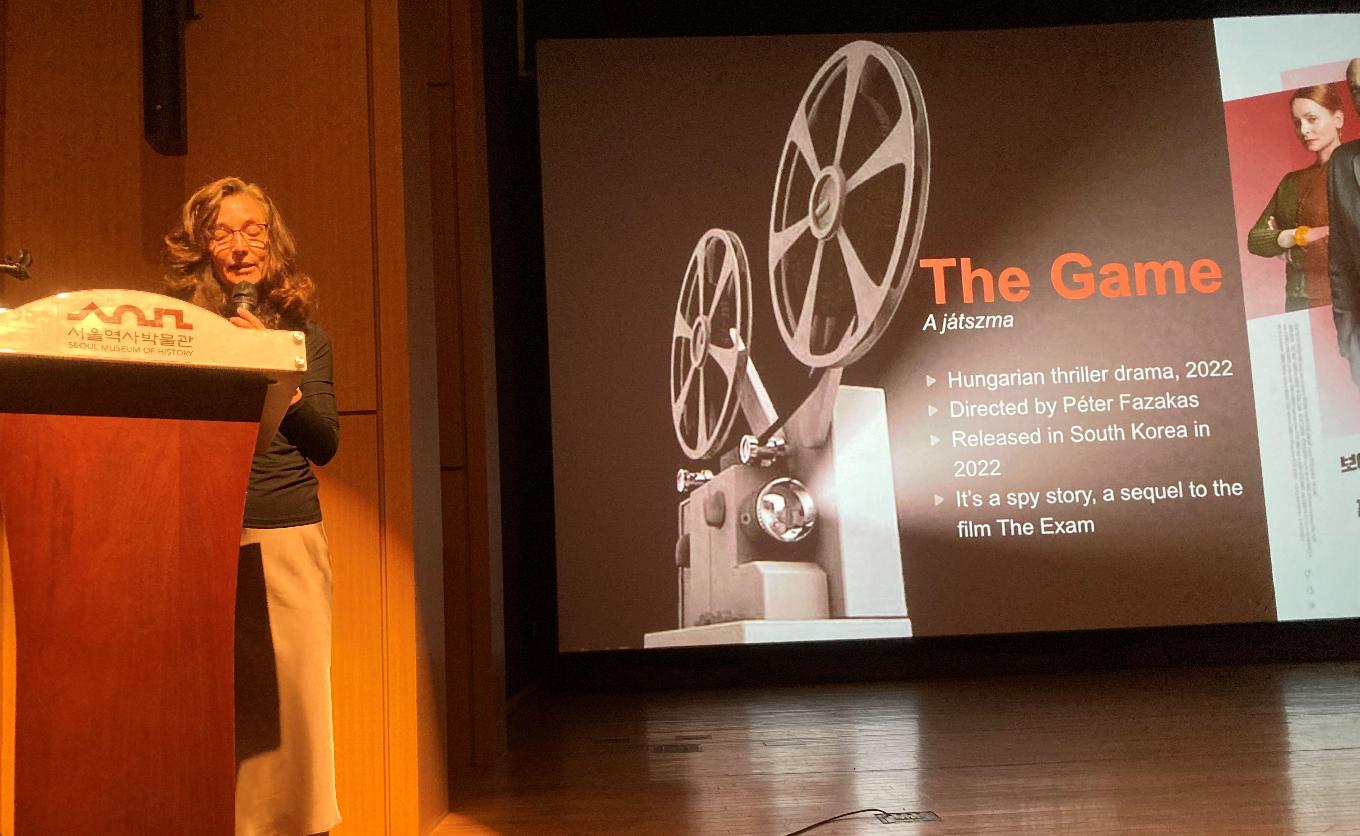
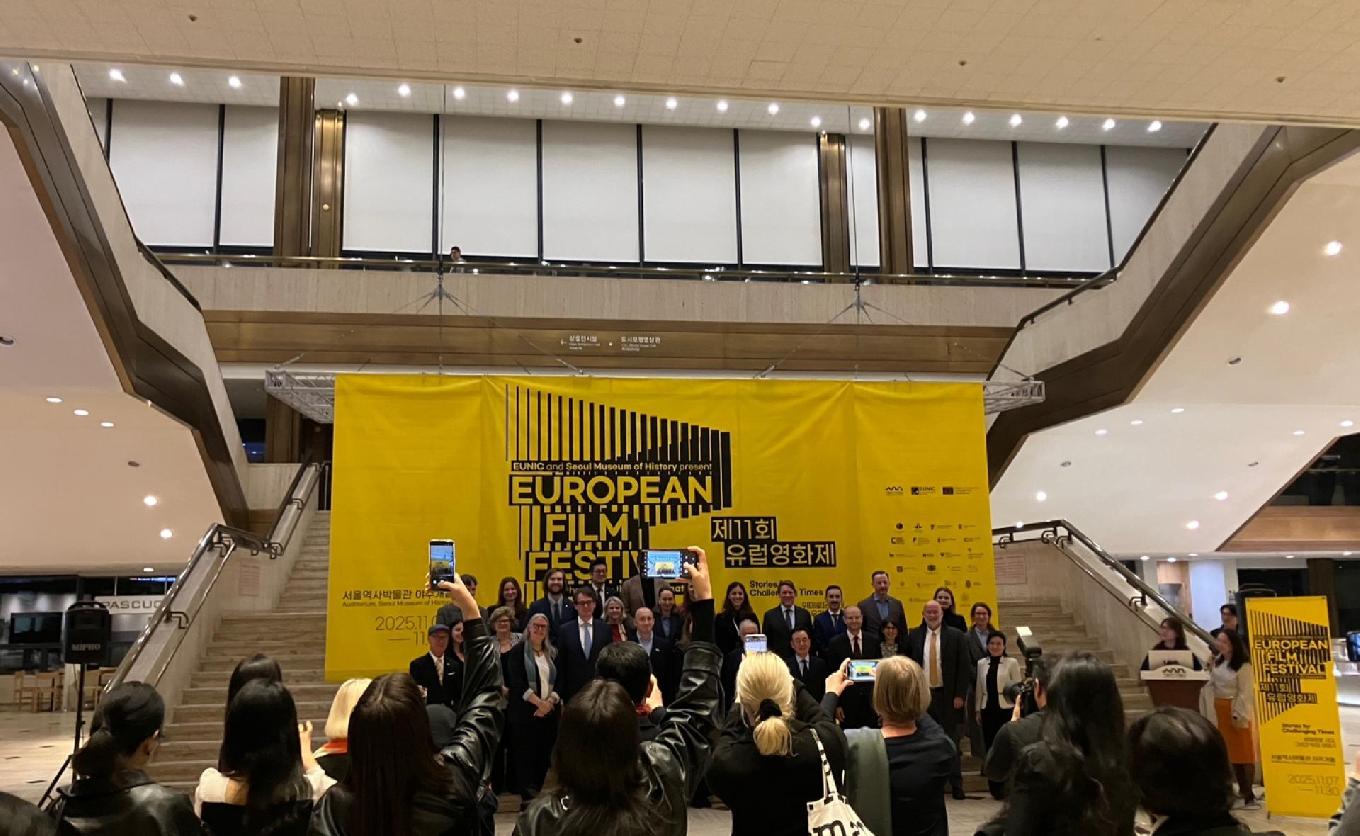
On November 7, the European Film Festival began at the Seoul Museum of History, organized by EUNIC, the network of national cultural institutes of the EU, in cooperation with the Delegation of the European Union to Seoul (EUDEL). Based on last year's positive experience, the festival was once again organized in cooperation with the EU Delegation to Korea, thus providing an opportunity for EU member states that are not members of the EUNIC Korea cluster, which has been operating under the Hungarian presidency for five years now, to participate. As a result, this year's festival saw a record number of 22 member states join the program based on the theme "Stories for Challenging Times," which is particularly fitting for the challenging and changing year of 2025. The festival's opening ceremony took place on November 7, at which Fanni Perjés, cultural attaché, represented the Liszt Institute and gave a welcoming speech. As part of the film festival, the film The Game was screened on November 15, followed by a CineTalk discussion with Ildikó Bulyáki, visiting professor at Dankook University. The screening of the Hungarian film received positive feedback and was attended by 100 people on Saturday. As part of the festival, visitors can watch subtitled films from participating European countries at the museum until November 30.
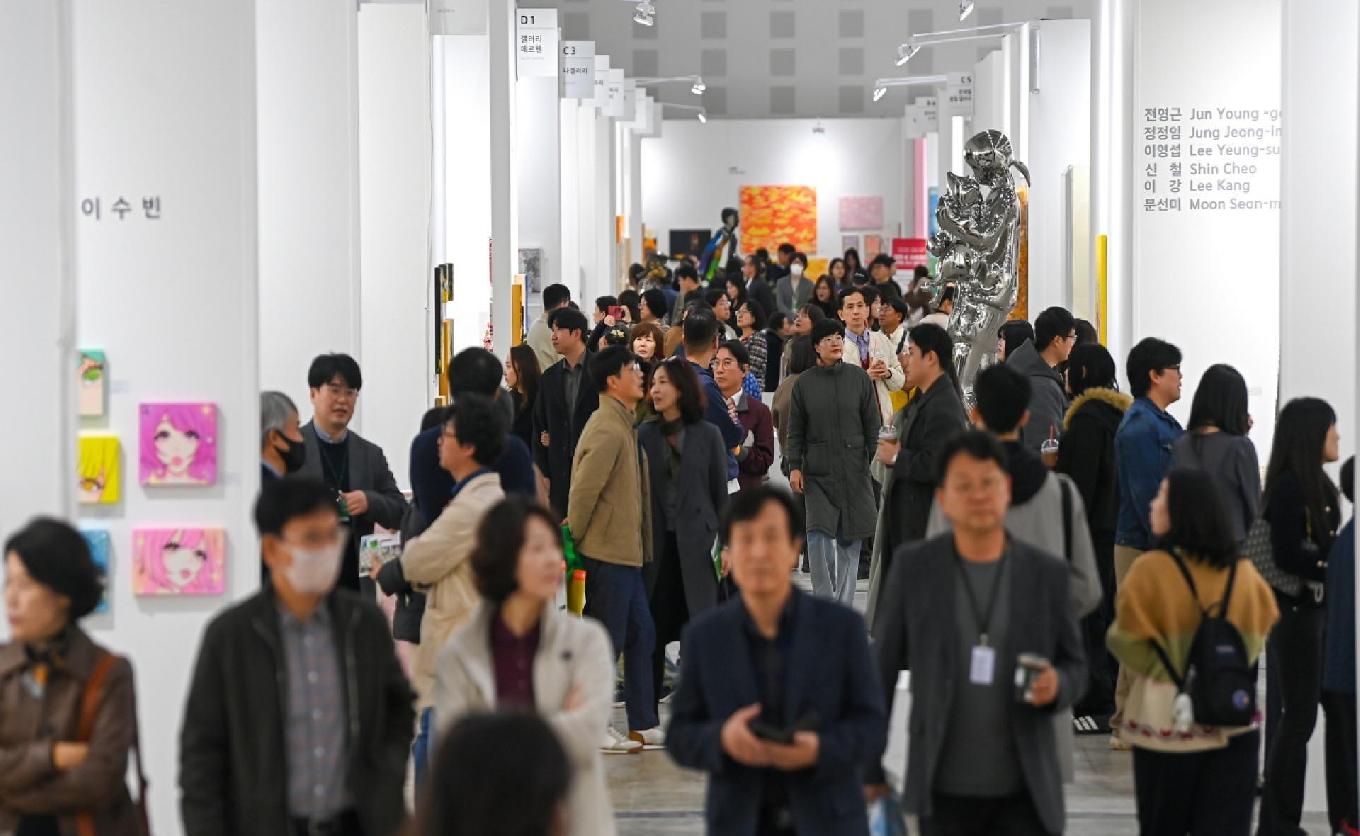
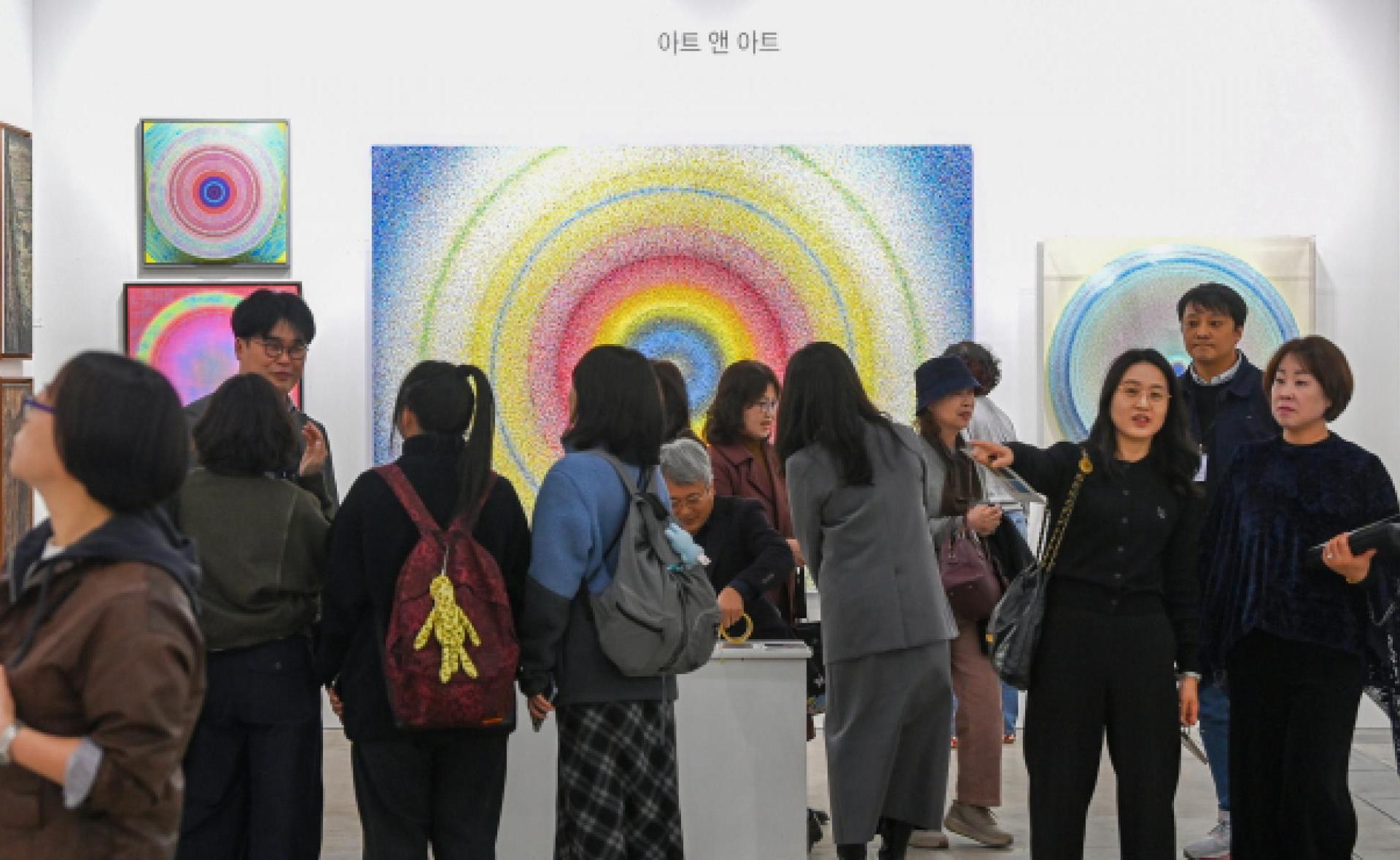
The Daejeon K-Art Fair (DKAF) international fair was held between November 13 and 16, where Korean galleries and foreign partners, the Japan Foundation and the Spanish cultural institute Instituto Cervantes, as well as Hungary, were represented. In the pavilion provided for Hungary, the Seoul Art Now Gallery, in cooperation with the Liszt Institute Seoul, exhibited paintings by Tibor Simon-Mazula and Orlando Marosini. During the multi-day fair, nearly 60,000 visitors visited Exhibition Hall 2 of the Daejeon Convention Center, where the Hungarian pavilion received special attention and numerous compliments. This successful participation established Hungary's reputation among Daejeon's museums and galleries, opening up new opportunities for participation and collaboration in the city's 2026 arts programs.
In honor of Hungarian Culture Day, the Liszt Institute Seoul and the Seoul Metropolitan Government collaborated on a project to display Hungarian poems at the city's two busiest subway stations: at the Euljiro 1(il)-ga stop on subway line 2, which serves Seoul's financial district and busiest shopping street, Myeongdong Shopping Street, and at the Itaewon stop on line 6, which is the hub of Seoul's multicultural international district. Thanks to this collaboration, Attila József's works "Mama" and "Summer" and several verses from Sándor Petőfi's narrative poem "János vitéz" will be on display in Hungarian and Korean translation until December next year. As the works are displayed directly on the safety glass doors at the front of the subway cars, they can be seen by tens of thousands, or even hundreds of thousands, of commuters every day. More than 7 million people travel on the Seoul subway lines every day; lines 2 and 6, which are among the busiest, are used by more than 2.5 million passengers every day.