

Hungarian Csárdás dance tradition was inscribed on the Representative List of the Intangible Cultural Heritage of Humanity in December 2024. The Convention for the Safeguarding of the Intangible Cultural Heritage was adopted by the UNESCO in 2003, and by July 2020 180 states had joined it. The aim of the convention is the mutual recognition of cultural diversity, the awareness of the importance of intangible and often endangered forms of expression, and the protection of such heritage elements.
Besides the Busó festivities at Mohács (masked end-of-winter carnival custom), Folk art of the Matyó (embroidery of a traditional community), Falconry, Kékfestés (resist block printing and indigo dyeing), Hungarian string band tradition, Lipizzan horse breeding traditions and Knowledge, craft and skills of handmade glass production, Csárdás dance tradition is the eighth Hungarian intangible cultural element on the list. The diversity of Hungarian culture and our cultural heritage is well known worldwide. On the Day of Hungarian Culture, January 22, our diplomatic missions organized several programs to present Hungary’s progressive traditions and values. Let us give you a brief summary.
At the Palace of Culture in Marosvásárhely an extraordinary performance and concert took place on this occasion. Zsolt Bogdán performed Pack up a whole life, a selection of novels from the works of Attila József, Sándor Márai, and Attila Bartis. The performance was followed by concert of the Marosvásárhely State Philharmonic. In Cluj the Day of Hungarian Culture was celebrated with a performance by the Patachich Trio at Pietati Church. The Trio played Haydn’s, Rózsa’s and Dohnányi’s works. The virDUOso band: Dániel Szurasenkó and Vihula Mihajlo gave a concert at the Museum of the History and Navigation in Riga. At the Consulate General of Hungary in Uzhhorod József Ilku Marion’s exhibition of portraits-caricatures of Transcarpathians opened. He is not only a painter, graphic designer, and caricaturist, but also founder and first president of the Cultural Association of Hungarians in Lviv. The opening of painter Szilvia Fekete’s A Tale of Two Cities was held on December 12, 2024 at the United Arts Club in Dublin. The oil paintings were inspired by the best sites and monuments of Budapest and Dublin. The exhibition can be visited until the beginning of February (as well on the Day of Hungarian Culture) presents the similarities and differences between cities and cultures through a unique perspective.
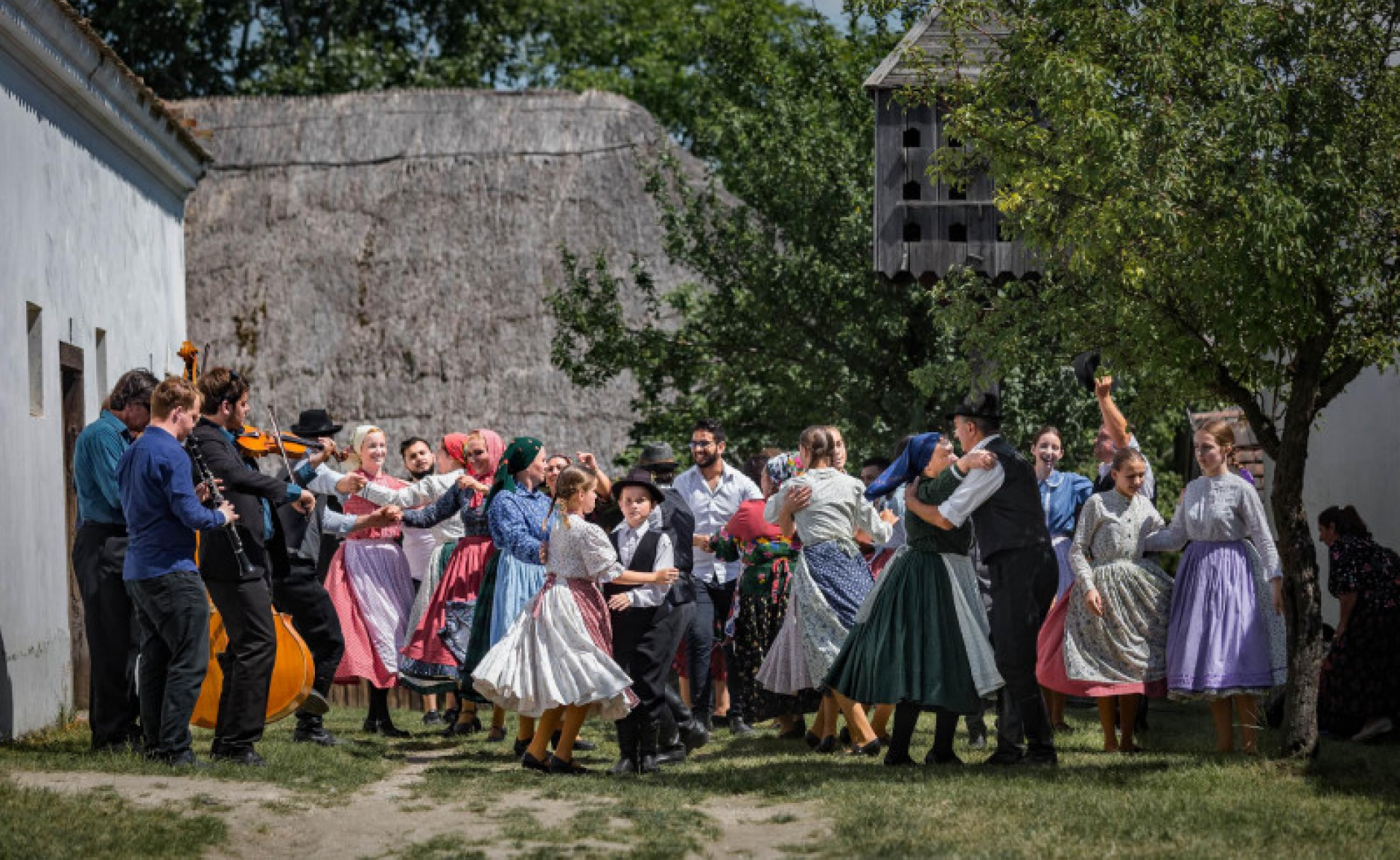
Hungarian Open Air Museum