Cultural Bridges Between Hungary and China
This autumn in China has been dedicated to showcasing Hungarian music, music education, and Hungary’s intangible cultural heritage. Through programs organized by the Liszt Institute in Beijing, Chinese audiences had the opportunity to gain insight into Hungary’s rich musical and cultural traditions. Events such as the Kodály Method teacher training program, the Chinese tour of Bohemian Betyars, the performance by Bálint Bársony and the Hungarian Rhapsody Project, as well as the Hungarian stand at the Beijing International Week of Intangible Cultural Heritage, all contributed to presenting the diversity of Hungarian culture. These initiatives not only strengthened professional ties but also enhanced the visibility of Hungary’s cultural presence on the international stage.
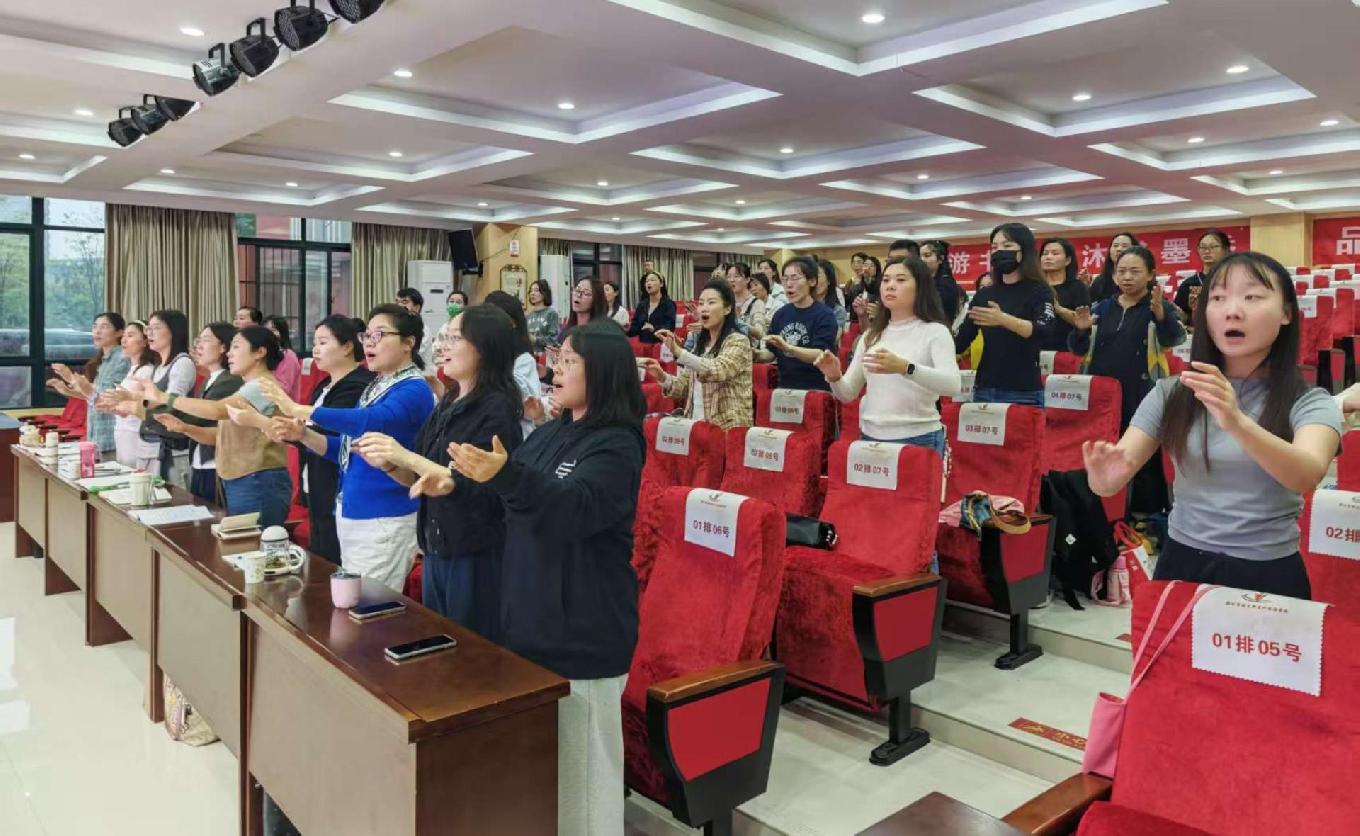
The “Insight into the Kodály Concept” training course was held in Zhengzhou from September 24 to 26 2025, at the request of the Zhengdong District Education Bureau, with the cooperation of the HEPA Zhengzhou Office. The program was once again led by Edit Lánczky, instructor of the Kodály Point. The five sessions covered four different types of lessons, largely built around the use of Chinese musical materials, allowing teachers to integrate the Kodály Method into their own curricula. In addition, participants studied several Hungarian folk songs and worked in detail on Lajos Bárdos’s choral piece At the Campfire (Tábortűznél). The success of the training was clearly reflected in the enthusiasm and active participation of more than 150 attendees. The course provided not only theoretical knowledge but also practical experience through authentic musical materials, enabling Chinese educators to gain a comprehensive understanding of the full spectrum of the Kodály Method.
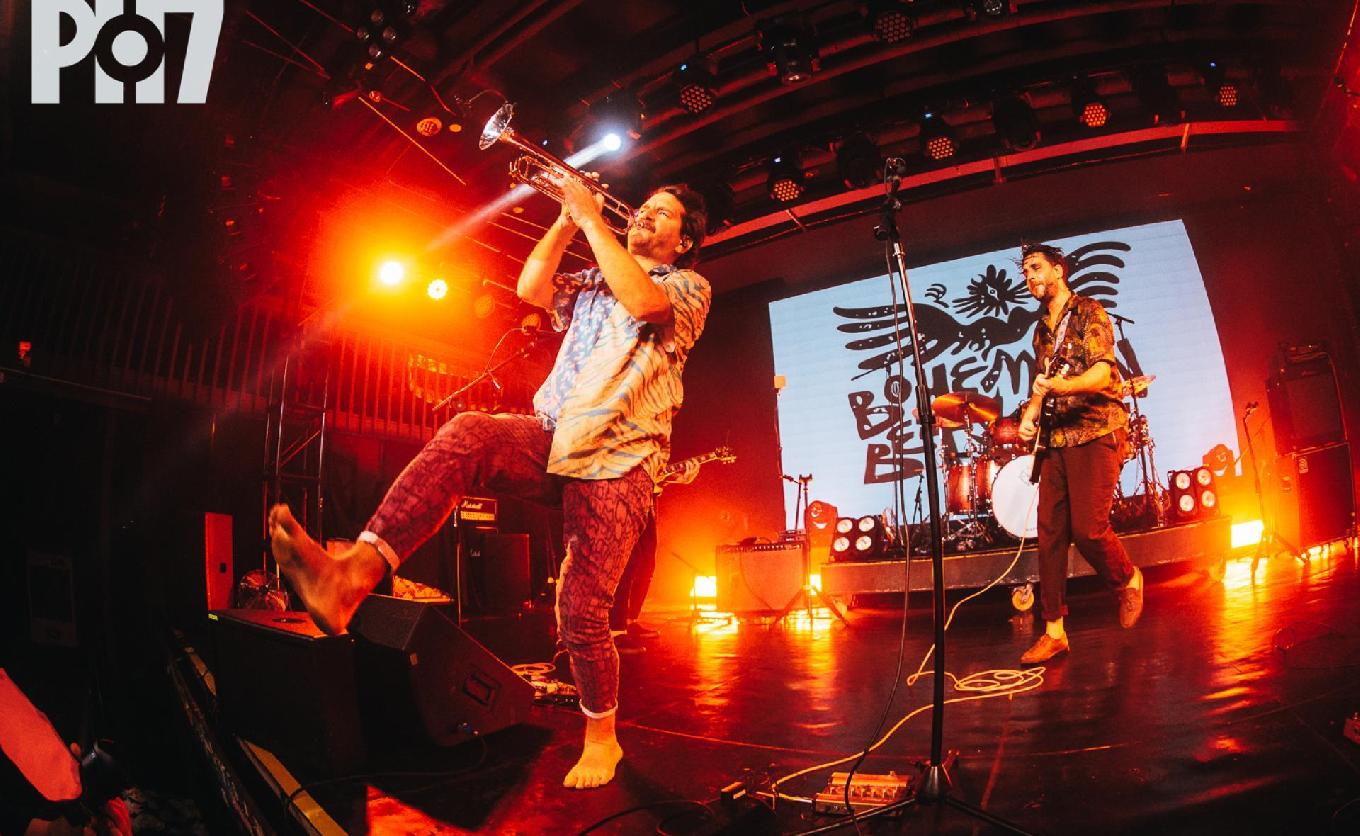
The band Bohemian Betyars' 2025 China tour was a highlight, due to the Liszt Institute Beijing's support. Between October 15 and 19, the group performed in Chongqing, Chengdu, Beijing, Zhoushan, and Shanghai, attracting large audiences at every venue. The band’s distinctive “speed-folk-freak-punk” style fuses Hungarian folk traditions with modern and alternative sounds, offering listeners an organic blend of traditional and contemporary musical elements. The concerts proved especially popular among young audiences interested in alternative music scenes, a vibrant yet relatively hard-to-reach subculture in China. Throughout the tour, the musicians prioritized not only the music but also its visual appeal as well as participation by the audience, creating every show an unforgettable experience for everyone who attended.
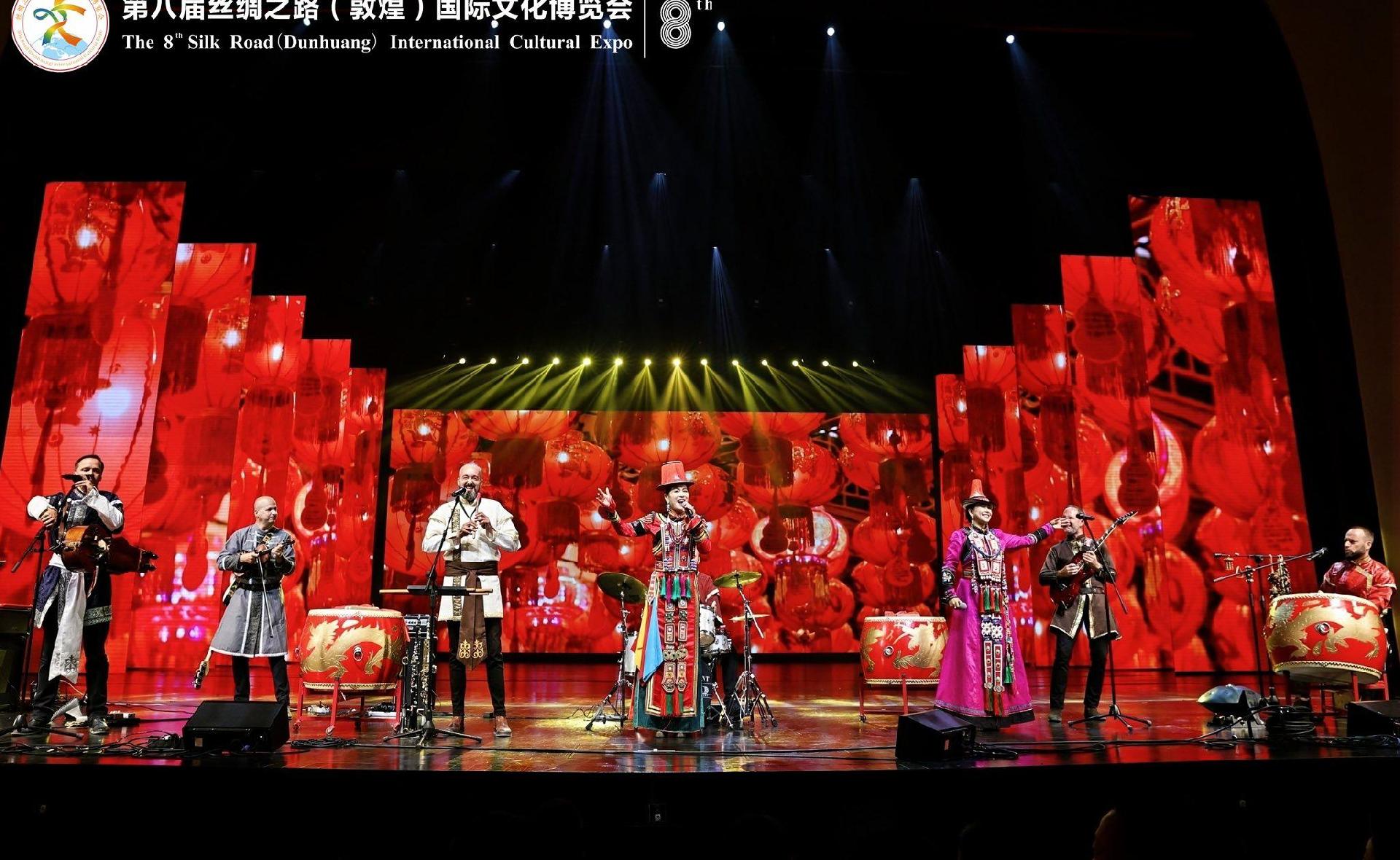
On September 19th, Bálint Bársony and the Hungarian Rhapsody Project performed at the DeFacto Magyar Pont, located in Beijing’s 798 Art District. The concert, titled “Sounds of the Silk Road,” featured the six-member ensemble playing on traditional Hungarian instruments, blending ancient and modern soundscapes. The event attracted over 100 guests, including local Chinese visitors and members of the Hungarian community in Beijing and were greeted with great enthusiasm and appreciation.
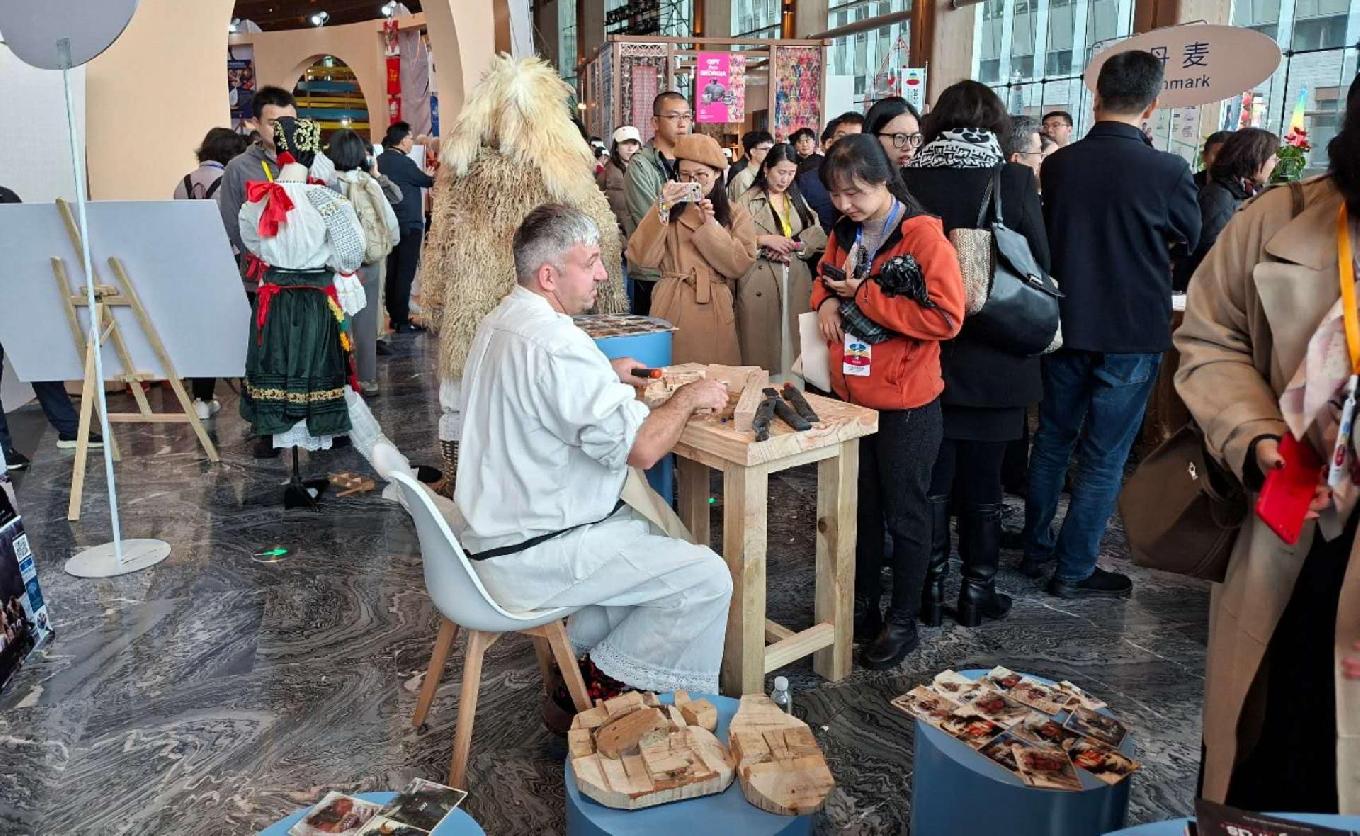
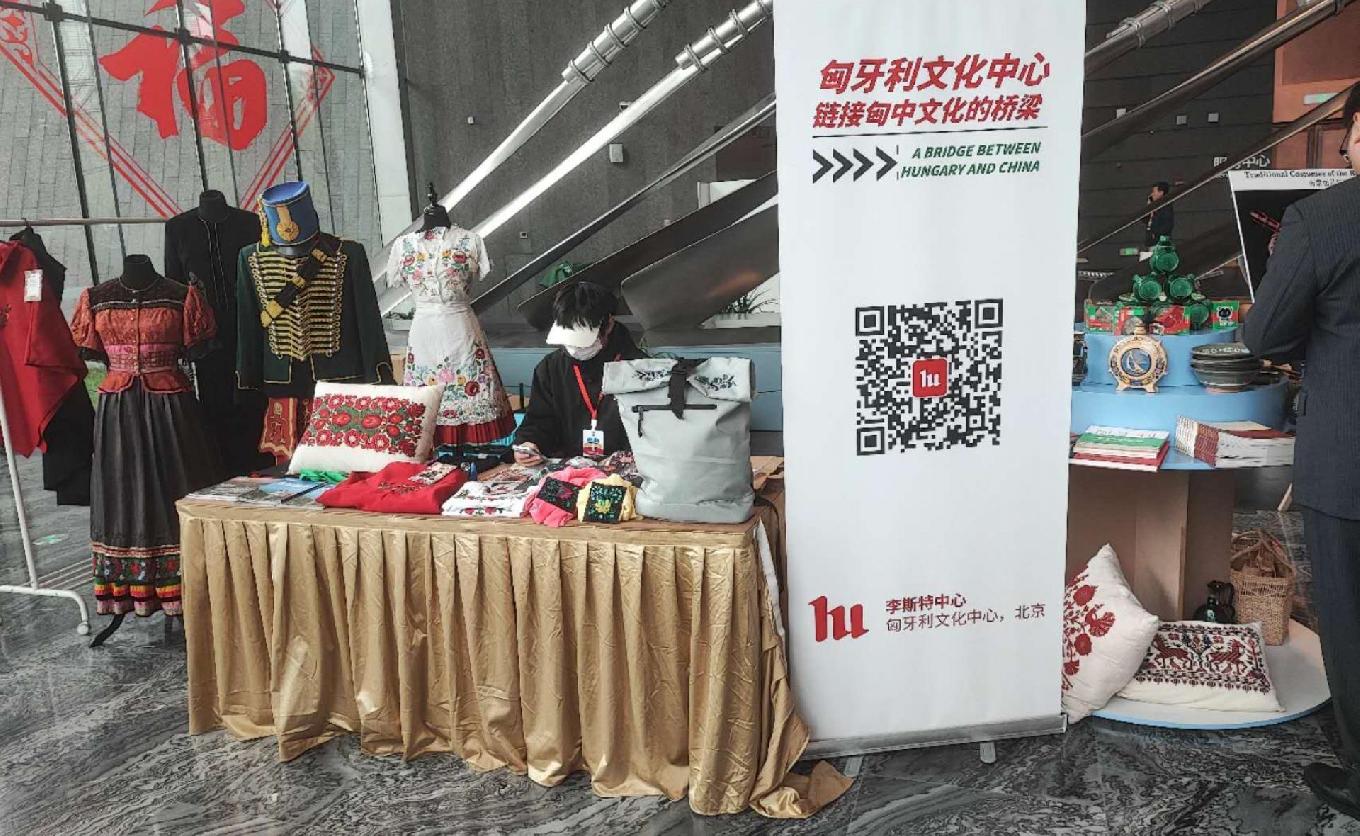
Hungary also participated in the 2nd Beijing International Week of Intangible Cultural Heritage, which occurred from October 17 to 21. The Hungarian exhibit was put together by the Hungarian National Commission for UNESCO and the Liszt Institute Beijing, under the leadership of Dr. Gábor Soós, Secretary-General. The 20-square-meter pavilion displayed objects and crafts associated with the Busó festivities, such as traditional masks and handmade products. Visitors could also watch folk artist Gábor Baráth carving wooden masks live. In addition, the pavilion featured various cultural materials and artifacts provided by the Liszt Institute in Beijing, contributing to the authentic and representative presentation of Hungarian culture at the event.
This year’s autumn program series in China once again confirmed that Hungarian culture is not only rooted in rich traditions but is also capable of providing a unique and inspirational experience in an international setting. The events aimed to enhance cultural discussion and professional relationships, while also allowing Hungarian art and pedagogical heritage to reach the widest possible audience in China.