Contemporary art, music and cultural dialogue in the spring programmes of the Hungarian Academy in Rome
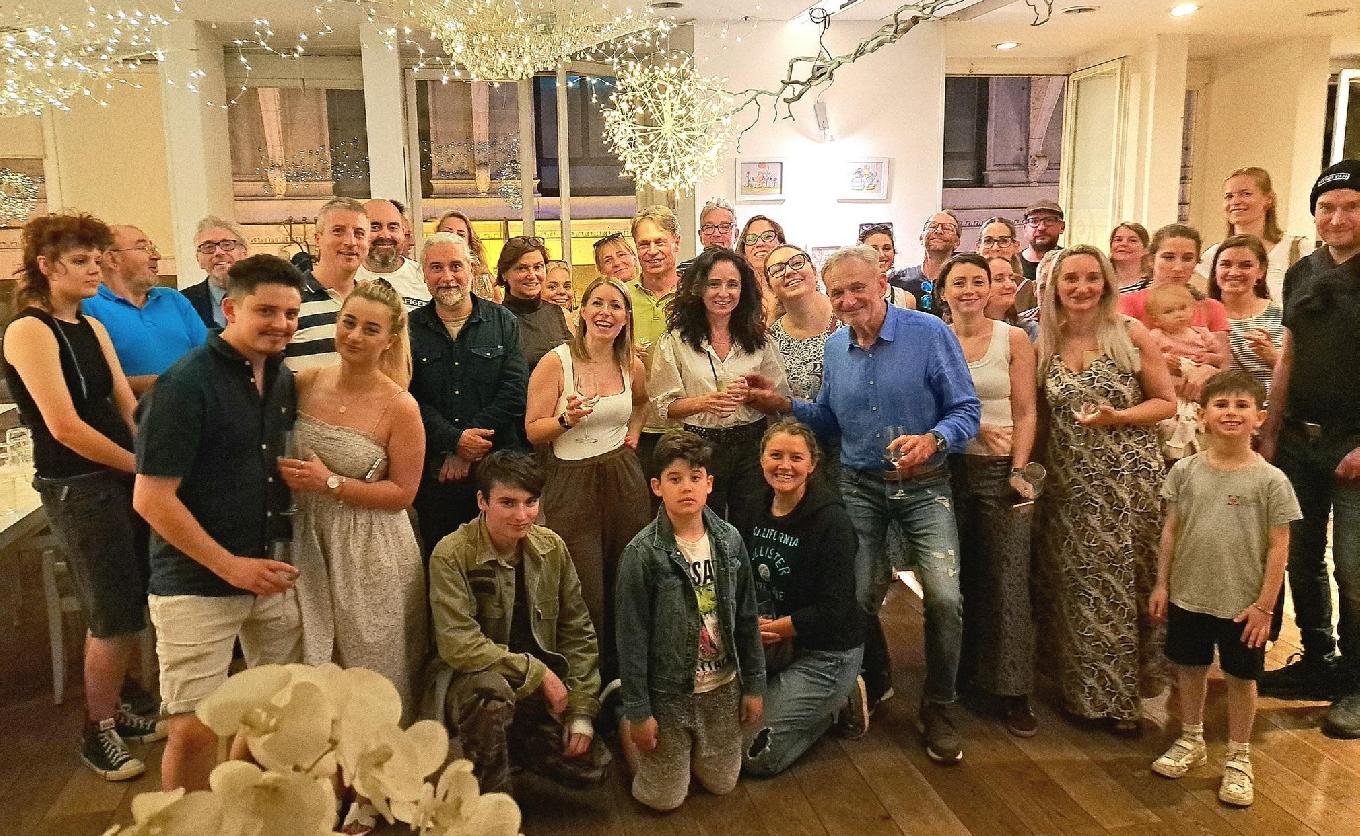
In the spring of 2026, the Hungarian Academy in Rome welcomed audiences with a rich cultural programme featuring exhibitions, concerts and international festivals. The exhibitions presented at the Falconieri Palace focused on themes of shared European cultural heritage, memory and contemporary artistic dialogue. The events brought together renowned Hungarian and Italian artists, curators, musicians and cultural professionals. The institution also played an active role in the programmes of the first-ever TriBuCity Italian–Hungarian Cultural Festival held in Trieste.
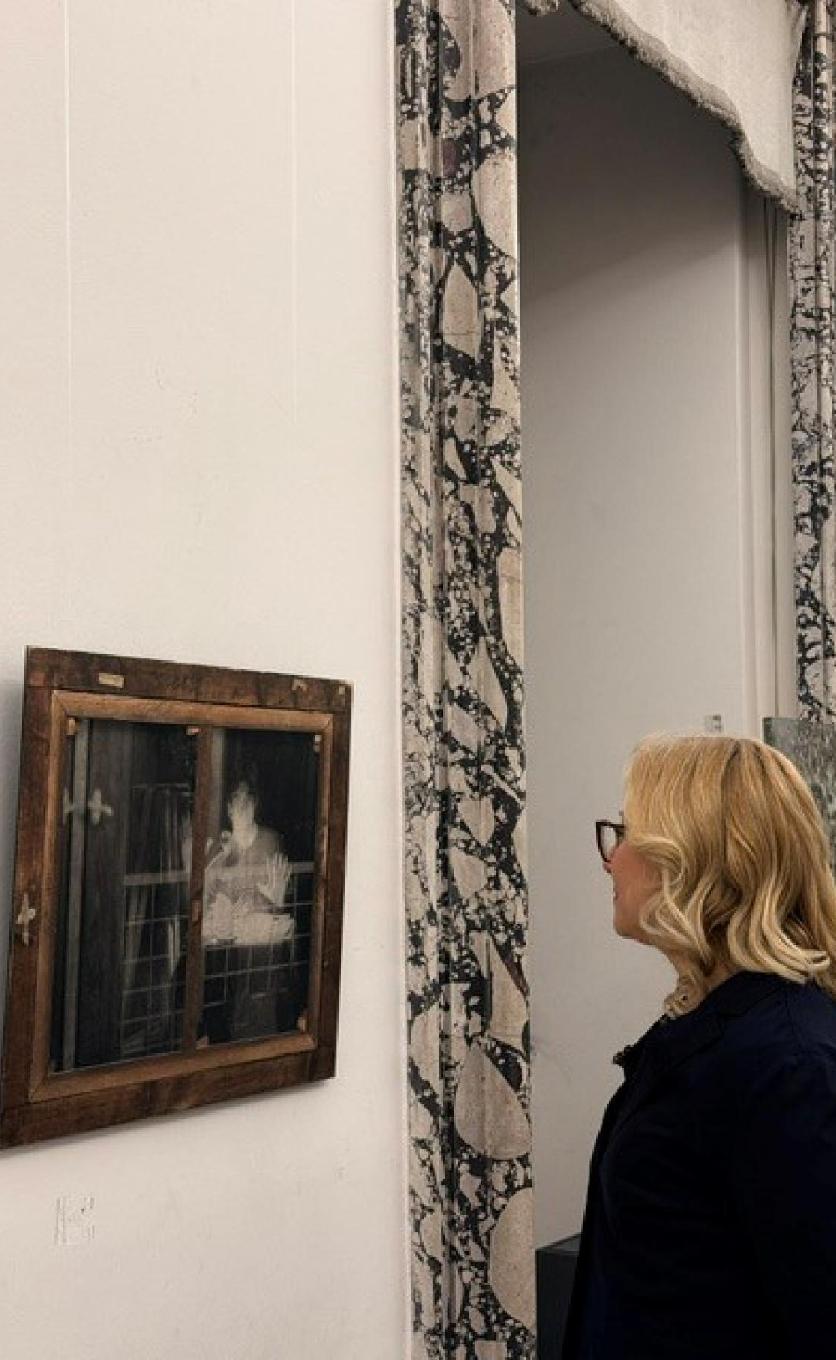
During the spring months, several remarkable exhibitions opened within the walls of the Falconieri Palace. One of the contemporary art exhibitions inaugurated at the end of March was titled In Search of Lost Time. Open to visitors from 26 March to 4 June, the exhibition was organised by the Association of Hungarian Fine and Applied Artists with the support of the Hungarian Academy of Arts and the Ministry of Culture and Innovation. The exhibition explored the complex theme of a shared past — something that cannot be taken away, whether we speak about the cultural heritage of a country, a people or an entire continent. The same applies to individuals: our personal identity is shaped by our memories, while both our individual and collective past continuously influence us. The artworks displayed in the exhibition aimed to make the past visible and to awaken new collective and personal memories in visitors. Among those present at the opening ceremony were Dr Péter Kveck, Ambassador of Hungary to the Holy See; Countess Erika Emma Fodré; curator Pál Németh; Massimiliano Padovan Di Benedetto, founder and director of Roma Art Week; and the renowned art historian and gallery manager Francesca Pietracci.
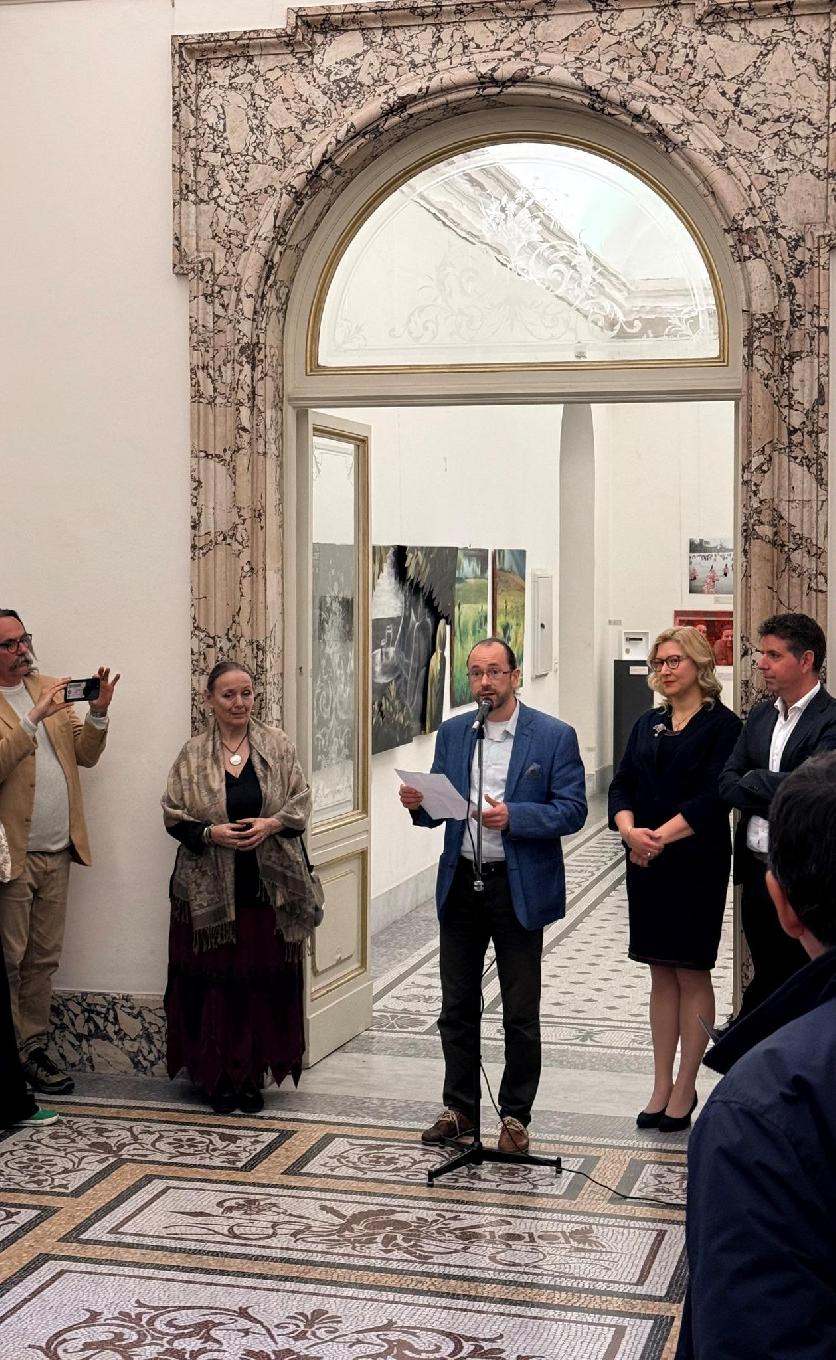
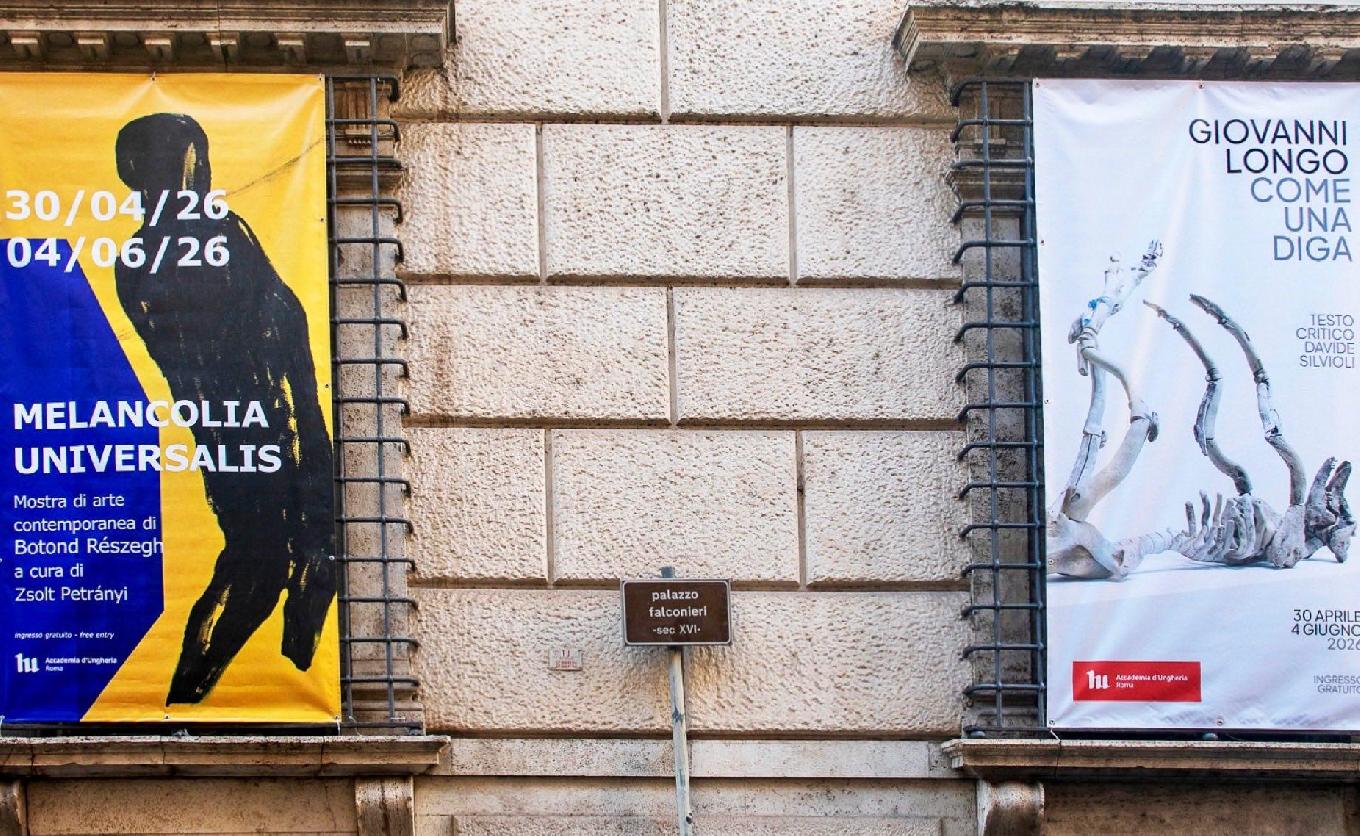
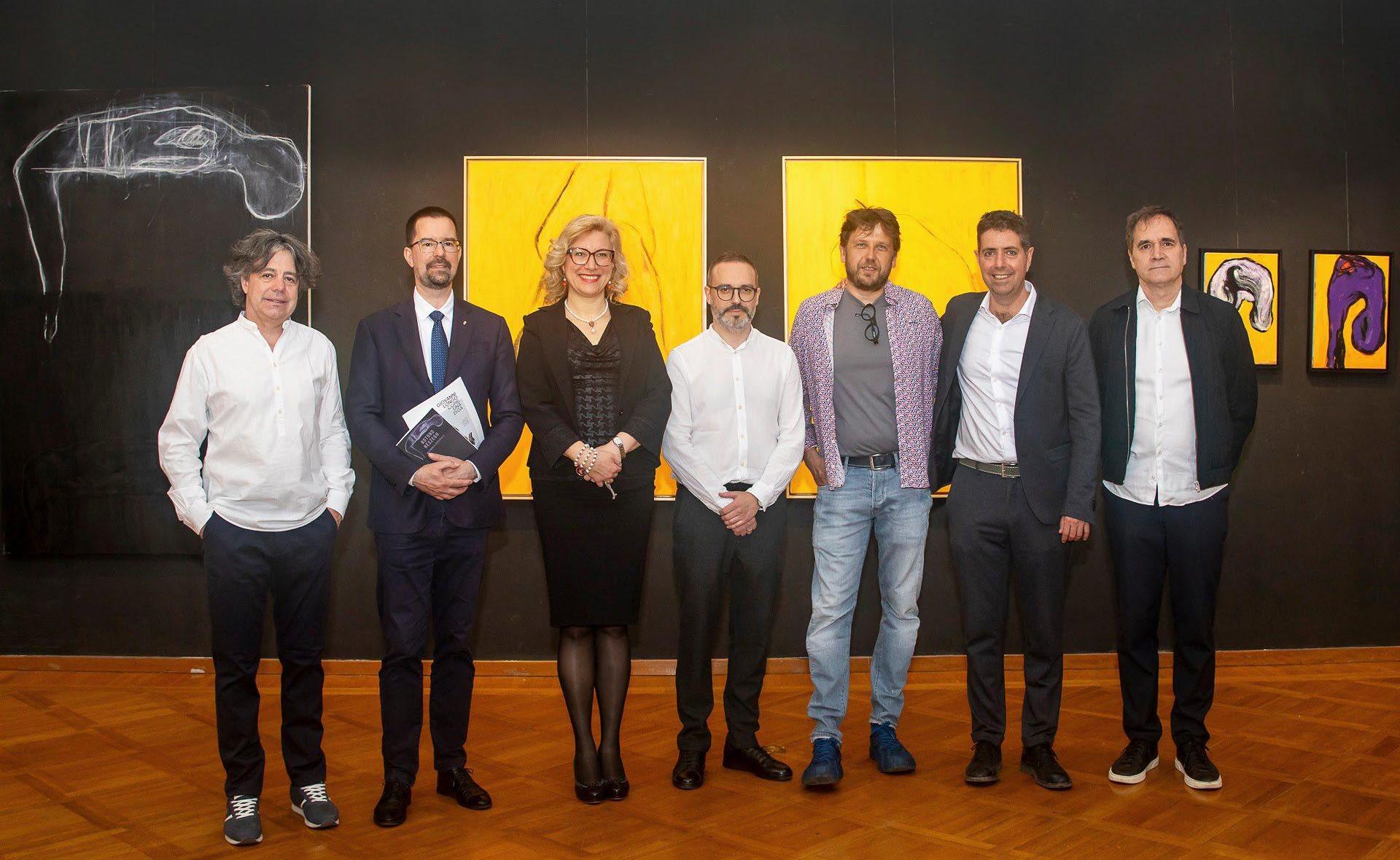
April also continued with contemporary art exhibitions at the Hungarian Academy in Rome, where the works of Botond Részegh and Giovanni Longo were presented in the spirit of contemporary artistic dialogue. At the opening of the exhibition, which was on view from 30 April to 4 June, welcome speeches were delivered by Dr Márk Aurél Érszegi, director of the institute, curator Zsolt Petrányi and curator Davide Silvioli. The works of Botond Részegh (Melancolia Universalis) depict floating, purified figures existing within empty monochrome spaces. His painting does not seek to comfort but rather invites reflection, recognition and change. Giovanni Longo’s (Come una diga) works are composed of wooden elements found in nature, which the artist organises and transforms into new sculptural forms. His creations — often installations — evoke a play between fullness and emptiness, suggested anatomy and preserved memory, as though a dam (hence the title) redirected the course of water into a new path. The unique exhibition was received with great interest by both Hungarian and Italian audiences.
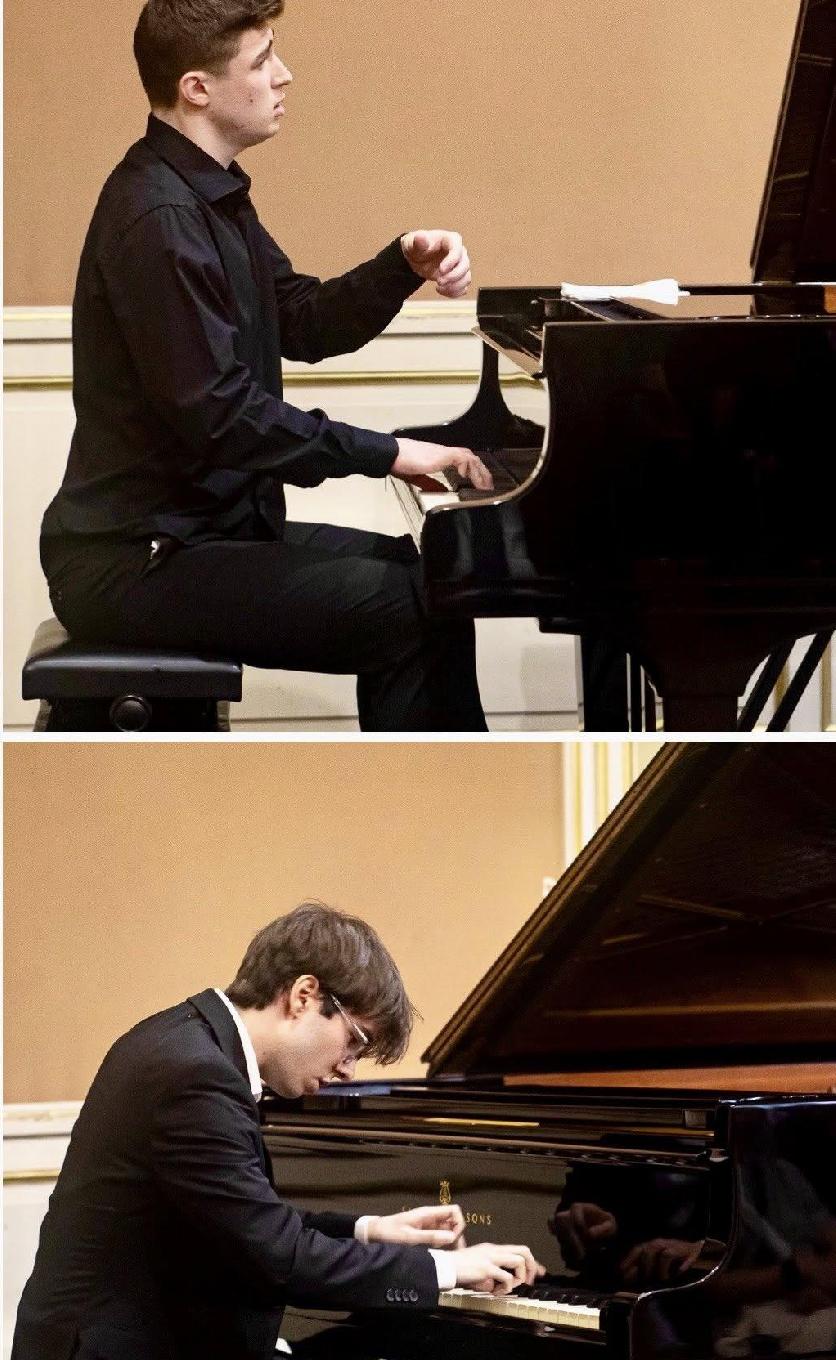
The concert series Thursdays on Via Giulia was connected to the openings of the above-mentioned exhibitions, allowing visitors to enjoy beautiful musical performances in the evenings after the inaugurations, organised jointly by the Santa Cecilia Conservatory and the Liszt Ferenc Academy of Music. Pianist Olivér Pajor performed, among others, Les Barricades Mystérieuses by François Couperin and 8 Valses Poéticos by Enrique Granados, while Luca Segnalini performed Sergei Rachmaninoff’s Variations on a Theme of Corelli (La Folia), Op. 42, as well as Franz Liszt’s Sonnet 104 by Petrarch (I Find No Peace).
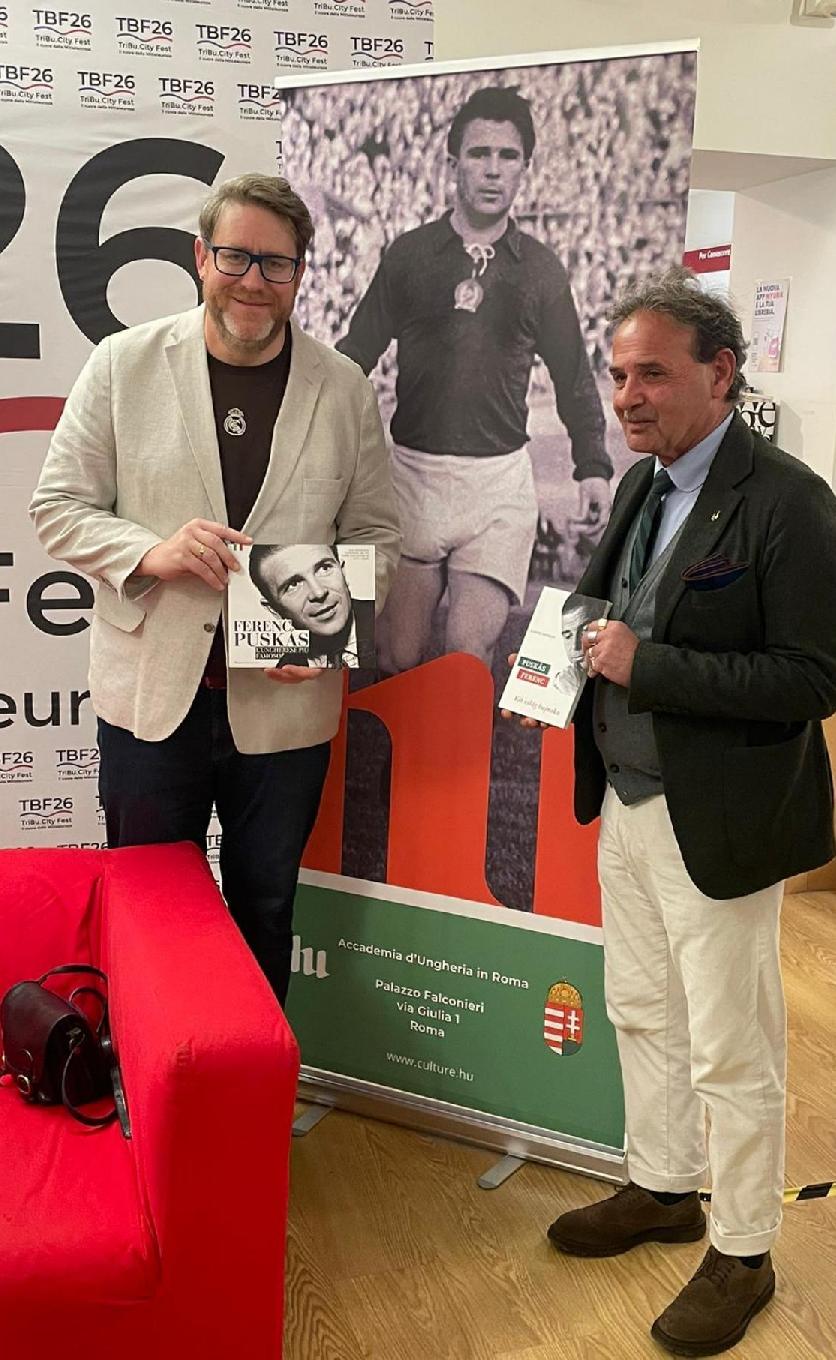
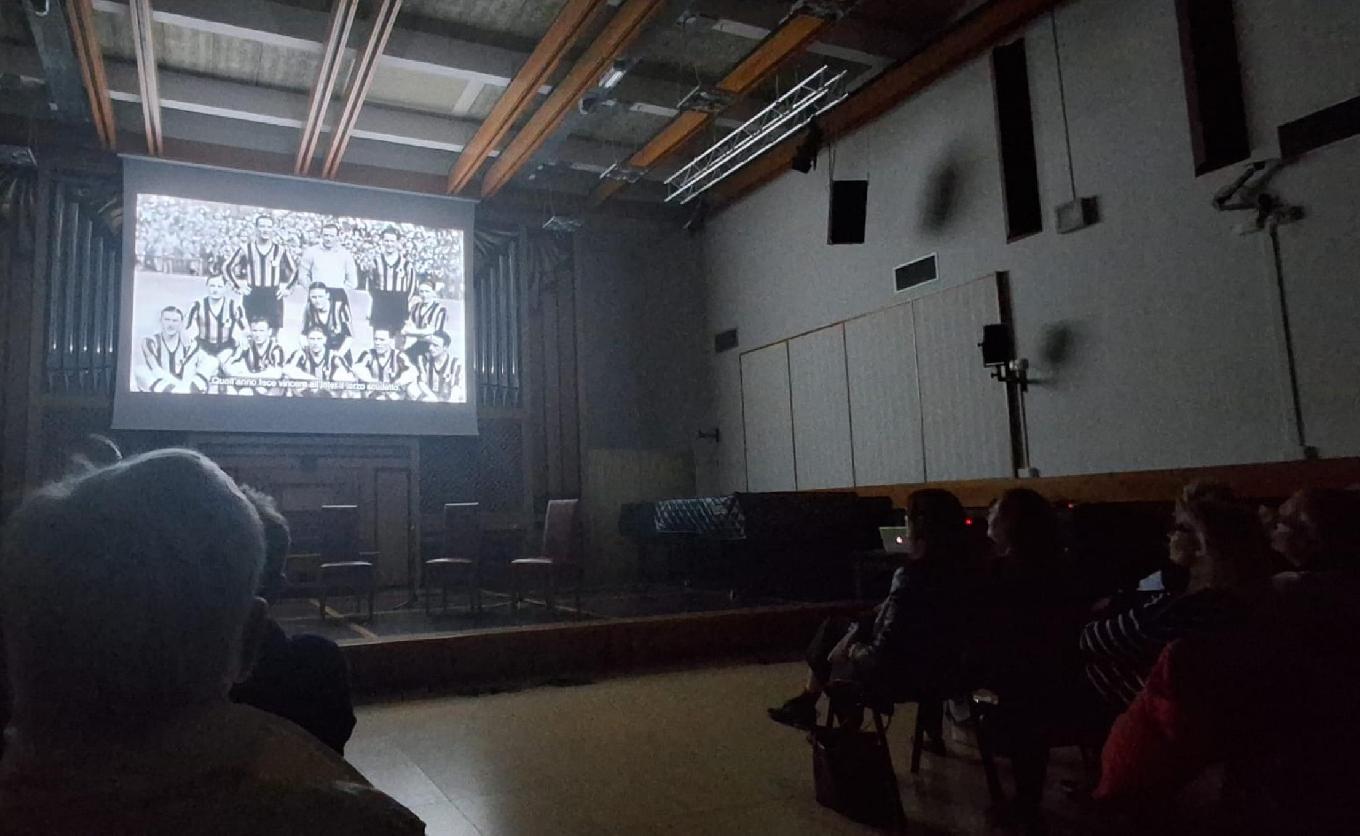
One of the most outstanding multi-day events of the recent period was the first-ever TriBuCity Italian–Hungarian Cultural Festival held in Trieste, organised in the spirit of strengthening cultural and human connections between the two nations. The opening day of the festival, 21 April, marked the anniversary of the birth of the Hungarian-born Italian writer Giorgio Pressburger, who represented a true bridge between cultures and chose Trieste as his home: “A city halfway between Budapest and Rome.” The programme series not only commemorated Pressburger’s exceptional legacy, but throughout the week visitors could also choose from numerous literary, musical, visual arts, theatre and film programmes. The Hungarian Academy in Rome also participated in the festival with several of its own events. A number of book presentations took place, including György Szöllősi’s Puskás and Claudio Minoliti’s Ferenc Puskás. Il campione dei due mondi, followed by a roundtable discussion with the authors. A documentary screening on football was also organised, where audiences could watch The Hungarian Masters of Italian Football, likewise accompanied by a roundtable discussion. In addition to sports-related programmes, the institute organised an exhibition and a concert during the festival. The exhibition, titled Art Deco on the Puszta: The Extraordinary Life of István Sajó, the Hungarian Jewish Architect Who Worked Between New York, Bergen-Belsen and Debrecen, also attracted a large audience. At the Giuseppe Tartini Conservatory of Music, the Dohnányi Quintet performed alongside Prof. Dr Judit Váradi (piano), András Paku (saxophone) and Leonárd Deme (saxophone).