Colorful Winter Cultural Program Series in Prague
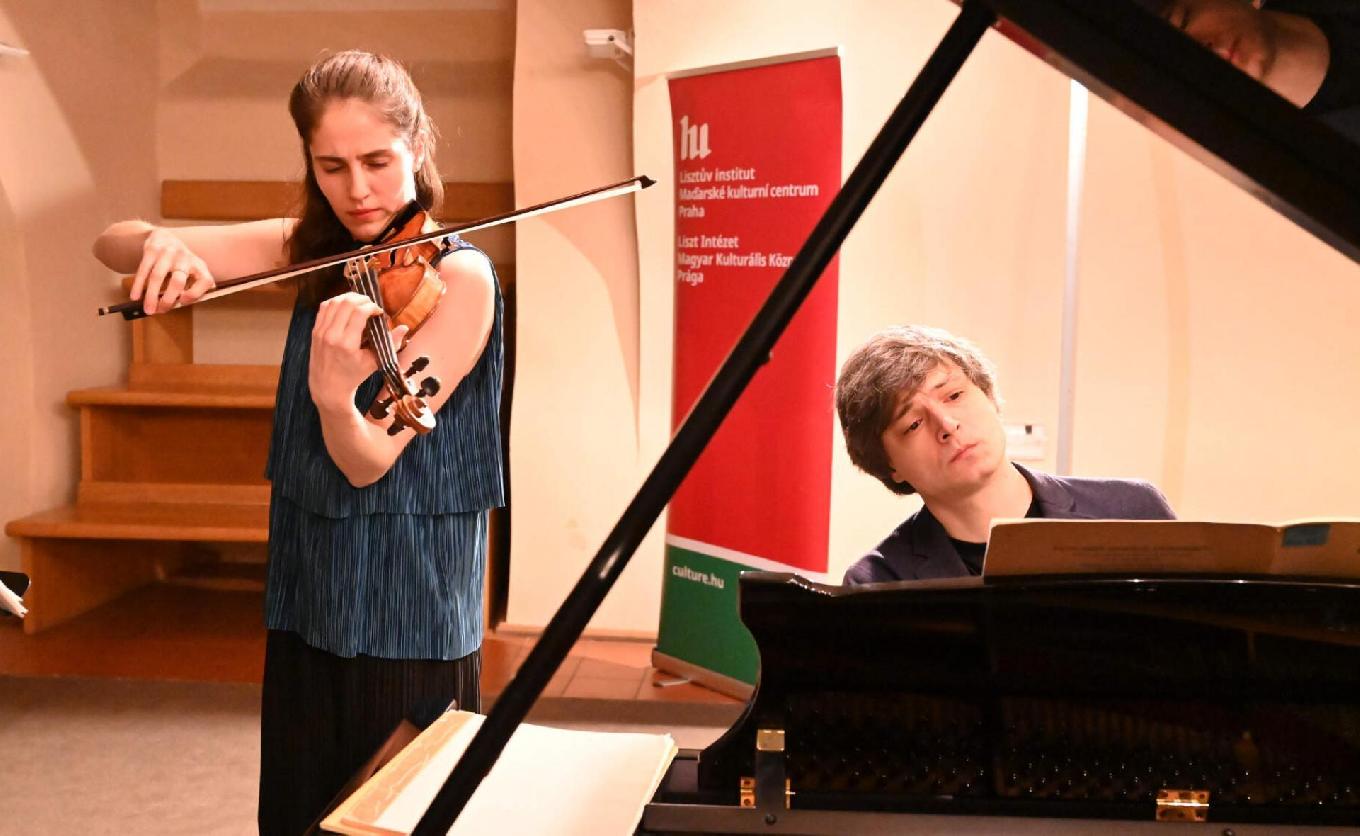
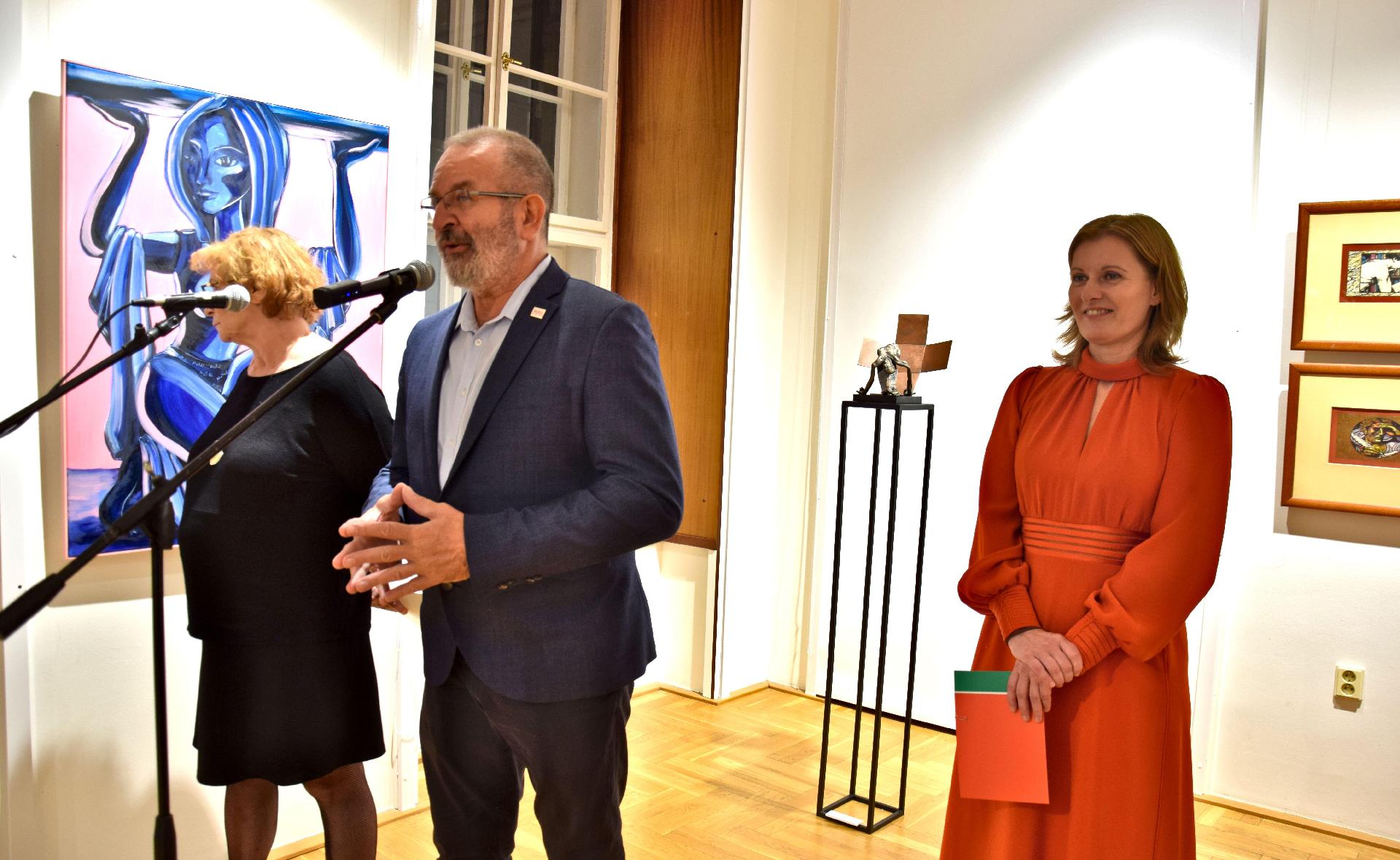
The Liszt Institute Prague welcomed those interested in Hungarian culture with a diverse series of cultural events in the Czech capital. As part of their program showcasing Hungarian artist colonies, this time the Szolnok Artist Colony opened its exhibition at the institute. A worthy continuation of this highly successful event is the newly opened exhibition of Márta Edőcs, which offers insight into the works of the multiple award-winning Hungarian glass and jewelry designer. The institute also guided visitors into the world of literature: as part of the Poetry Day Festival, they organized a Hungarian-Czech poetry evening featuring Hungarian poet Ádám Vajna and Czech poet Petr Ligocký. At the Hungarian Film Showcase, 11 recent Hungarian films were screened in their original audio with Czech subtitles. The popular series also hosted film director Szabolcs Hajdú. At their Advent concert, violinist Júlia Pusker and pianist János Palojtay performed to great acclaim. They also staged the dance monodrama Narcissus, which sparked greater interest than anticipated.
The Continuum VII / From the Center exhibition of the Szolnok Artist Colony was on view at the Liszt Institute Prague until December 8, 2025. The artist colony presented a selection of works by its resident artists to the Czech audience, showcasing not only technical and stylistic diversity but also a wide range of ages among the creators. For example, Magdolna Fazekas, a Munkácsy Prize-winning painter, has been a member of the Szolnok Artist Colony since 1958 and still lives and works there today. The exhibition was opened by Hajnal Kassai, Director of the Liszt Institute Prague, and György Verebes, painter and artistic director of the colony. They emphasized that this exhibition marks an important milestone in the institute’s series dedicated to presenting Hungarian artist colonies in the Czech Republic. After the Szentendre and Gödöllő colonies, Szolnok is the third such exhibitor to appear in the gallery of the Liszt Institute Prague. György Verebes noted that the Szolnok Artist Colony is currently the longest-operating colony in Hungary. Its vibrant cultural life has helped make Szolnok one of the country’s significant artistic centers. The exhibition featured works by Magdolna Fazekas, Georgius Soosur, György Király, Fanni Debreceni, Norbert Révi, Endre Kecső, Xénia Tóth, György Szabó, Gábor Benő Pogány, Fábián Baráth, Máté Posta, and György Verebes. The recently concluded large-scale exhibition is followed by a new show featuring the multi-award-winning Hungarian glass and jewelry designer Márta Edőcs, which opened on December 11. Edőcs designs and creates minimalist glass objects, wall panels, and jewelry in her own studio. Her works are visual imprints of thoughts and memories, often engaging with social themes. Her signature style includes matte surfaces and the interplay of opalescent and transparent sections, which create varying effects depending on the lighting. The technique she developed through experimentation is something she herself has named “CELLelement.” Her jewelry – where glass is often paired with silver – serves as a unique form of wearable communication. In addition to her singular, autonomous artworks, she occasionally designs smaller jewelry collections, not only in the field of glass or jewelry, but also for participants in the women’s fashion industry. During the opening and throughout the exhibition, visitors have the opportunity to purchase her jewelry. The exhibition is open until January 30, 2026.
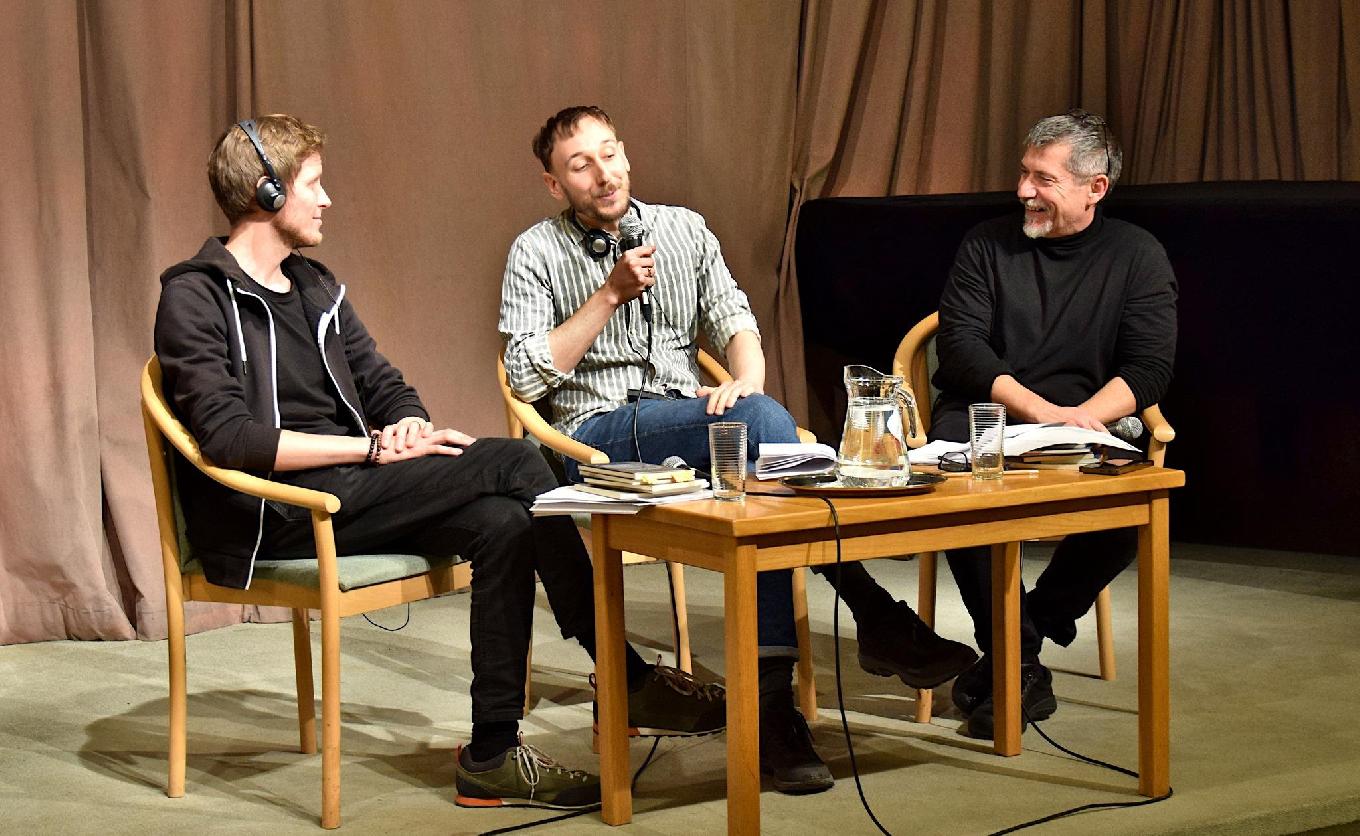
As part of the Poetry Day Festival (Den poezie), the now-traditional Hungarian-Czech poetry evening welcomed Hungarian poet Ádám Vajna and Czech poet Petr Ligocký as this year’s guests. Robert Svoboda translated their poems into Czech, and Tomáš Braun provided musical accompaniment. Ádám Vajna works as a poet, editor, and literary translator. He published his first poetry collection, titled Over There, in 2018, followed by his second, Anyway, What Could the Marquis Have Wanted Here?, in 2022. He received the Makói Medáliák Debut Prize in 2019 and the Mastercard Alkotótárs Fellowship in 2022. As a translator, he focuses on Norwegian, Danish, and English texts. Petr Ligocký is a poet, Polish studies scholar, and editor at the Protimluv publishing house. Journals in Hungary and abroad have published his poems and other writings. He appears in several anthologies, has released numerous poetry collections, and translates contemporary Polish poetry. The organizers provided simultaneous Hungarian-Czech interpretation for the event.
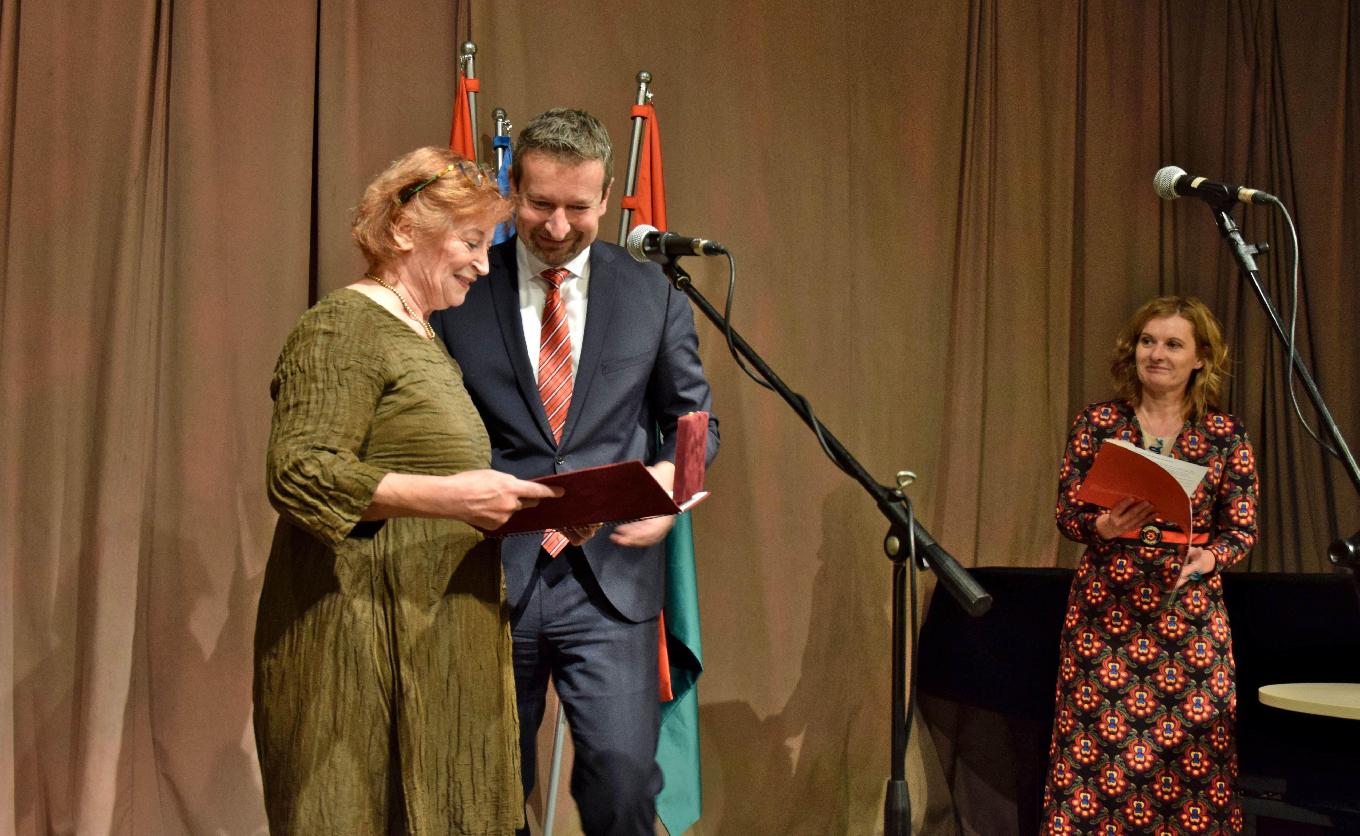
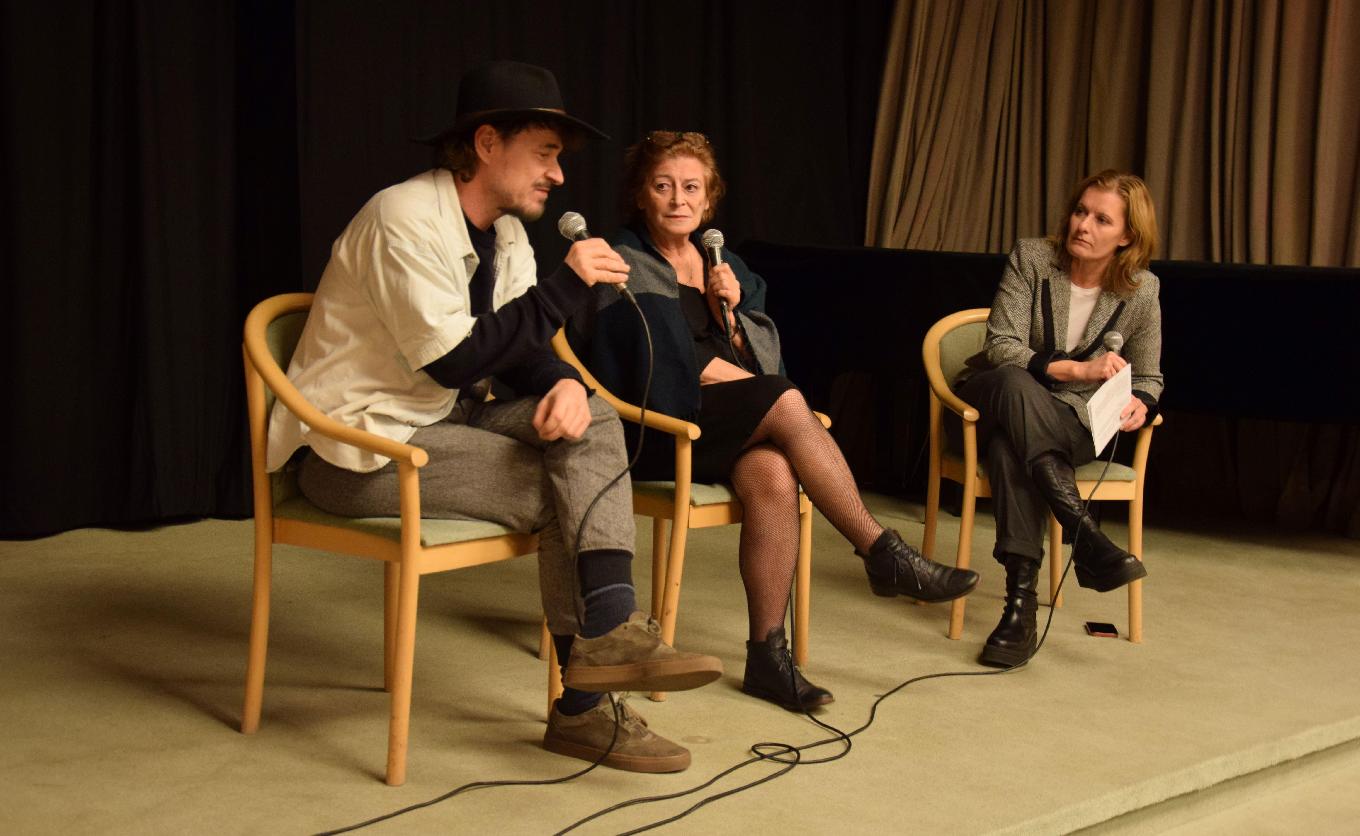
Between November 20 and 23, the Liszt Institute Prague hosted the Hungarian Film Showcase, giving audiences the opportunity to watch the best of recent Hungarian cinema in the original language with Czech subtitles. At the opening, Táňa Notinová, a colleague who has supported the institute and Hungarian culture for 40 years, received the prestigious Pro Cultura Hungarica Award in recognition of her outstanding work promoting Hungarian culture abroad. Ambassador Dr. András Baranyi presented the award and delivered a warm, personal congratulatory speech. The showcase featured The Baron Returns, One Percent Indian, And What About Tomi?, Emma and the Death’s-head Hawkmoth, Lesson Learned, In the Face of Gravity, I Accidentally Wrote a Book, Hedgehog Hunt, and Kálmán’s Day. After Kálmán’s Day, director Szabolcs Hajdú joined the audience for a lively discussion, which drew exceptional interest. Audiences also saw Blue Pelican, Liliomfi, and the first two episodes of the Hunyadi series. Thanks to cooperation with the Moholy-Nagy University of Art and Design (MOME), MOME students presented a fresh diploma film before each screening.
The Liszt Institute Prague and the Czech-Hungarian Chamber of Commerce jointly organized this year’s annual Advent concert in Prague. On this occasion, violinist Júlia Pusker and pianist János Palojtay performed. The audience heard a selection from the duo’s shared repertoire. The program included, among others, Schubert’s Sonata in A major, Dvořák’s Sonatina in G major, and Béla Bartók’s Romanian Folk Dances. The performance was made possible with the support of the National Cultural Fund.
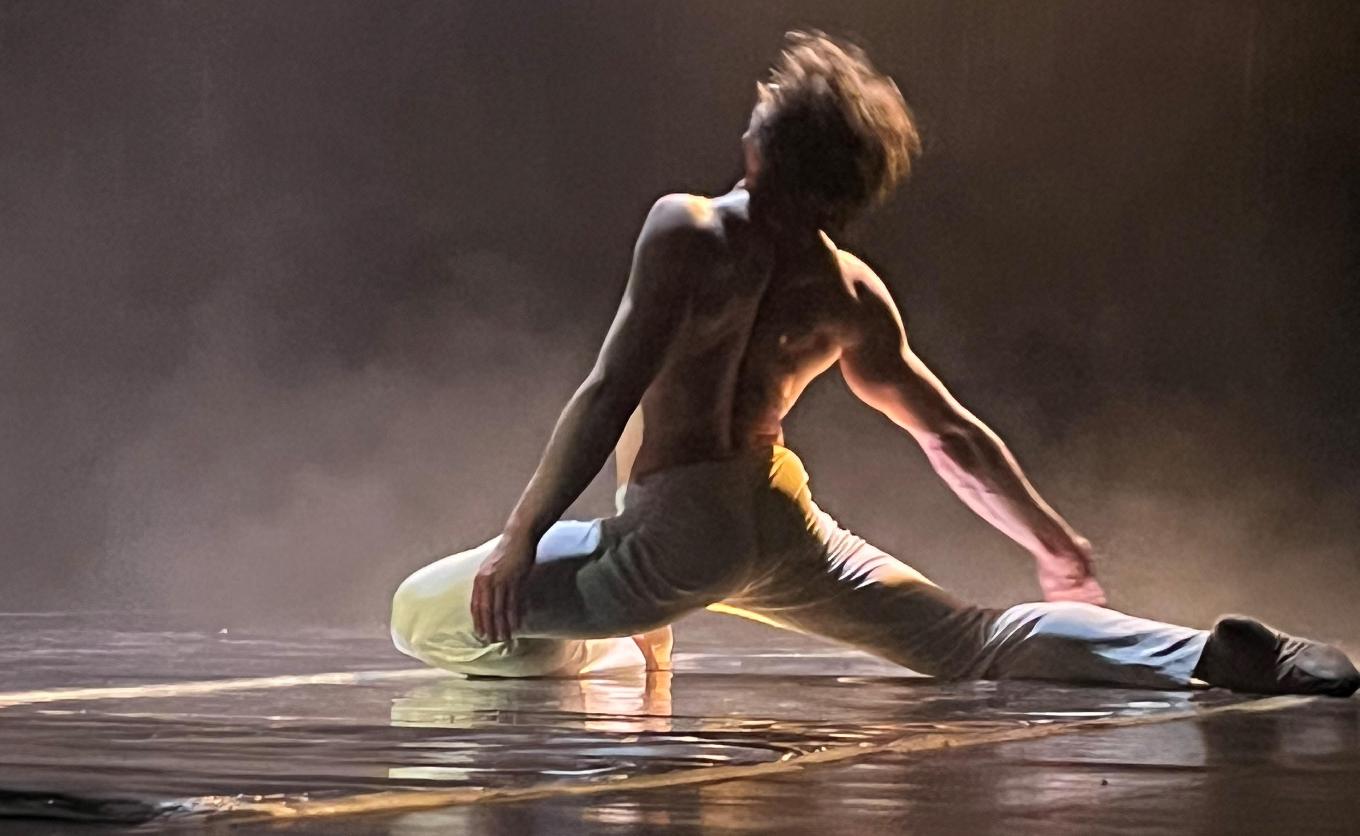
Audiences in Prague also had the chance to see the dance monodrama Narcissus. The timeless myth of Narcissus and Echo inspired the piece, which dives deep into the inner mirror-maze of the human psyche and explores the complex dynamics of narcissism with poetic nuance. Using tarot archetypes as a framework, the choreography highlights the struggle for self-knowledge, transformation, and breaking free from the spell of narcissistic entanglement. Performer István Simon created the work in close collaboration with renowned choreographer and director Yvette Bozsik. During extensive improvisational rehearsals, the two developed a choreography that blends Western European improvisation techniques with Bozsik’s distinctive and powerful language of movement.