Autumn cultural overview from Transylvania
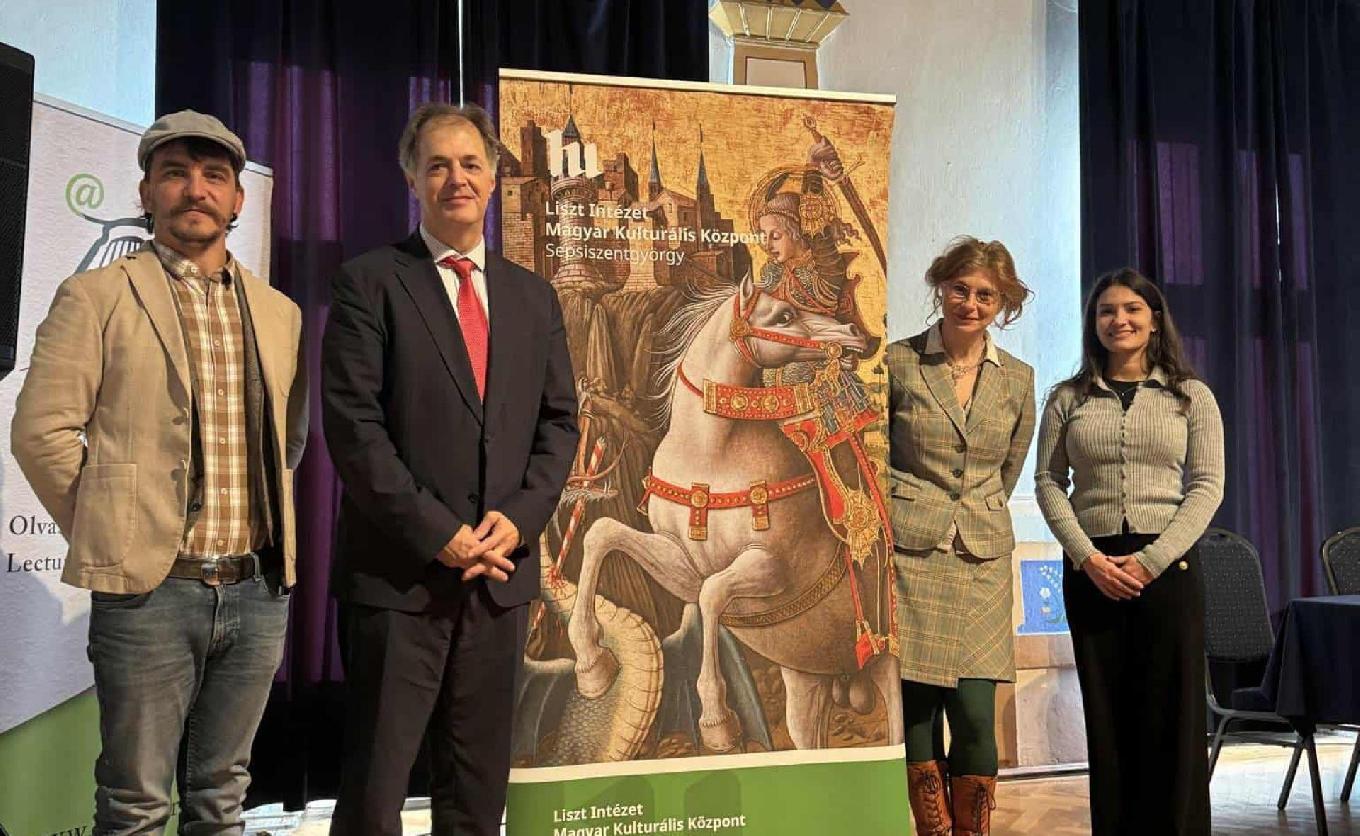
The past period has been particularly rich in cultural terms throughout Transylvania, as the Liszt Institute Sepsiszentgyörgy organized a series of events that drew attention to the importance of Hungarian tradition, culture, and community presence. In October, Gábor Csaba, Deputy State Secretary responsible for cultural diplomacy, opened the exhibition Székelyek. Inherited Traits, and at the end of the month the Bestiarium Hungaricum book launch took place. This was followed in November by the 20th anniversary Ars Hungarica festival, then a presentation by Ildikó Simonovics on the Hungarian Bride exhibition as part of the program entitled The Audience in the Star Role. The series of events draws an intellectual arc that simultaneously strengthens the cohesion of Hungarian communities, highlights our cultural heritage, and gives new dynamics to the cultural life of the region.
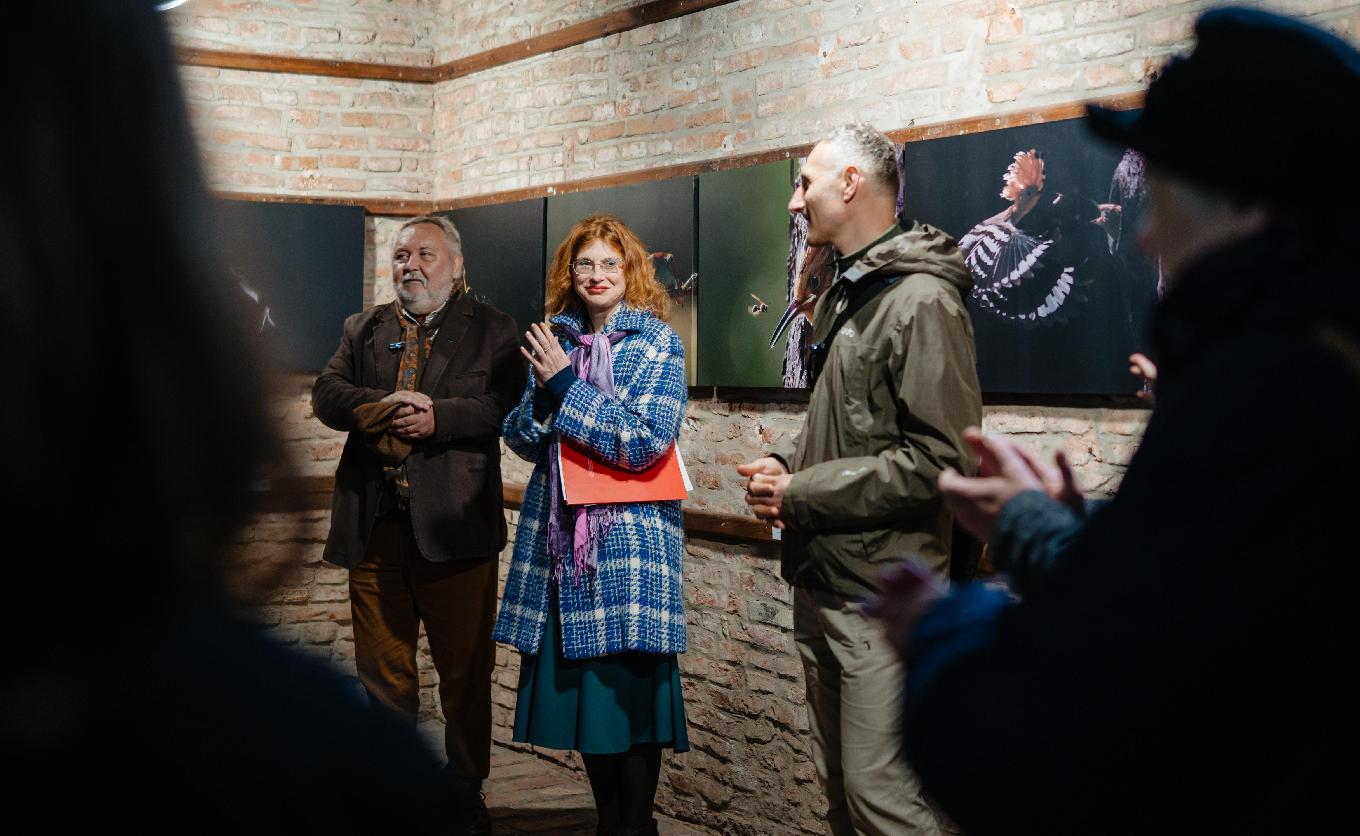
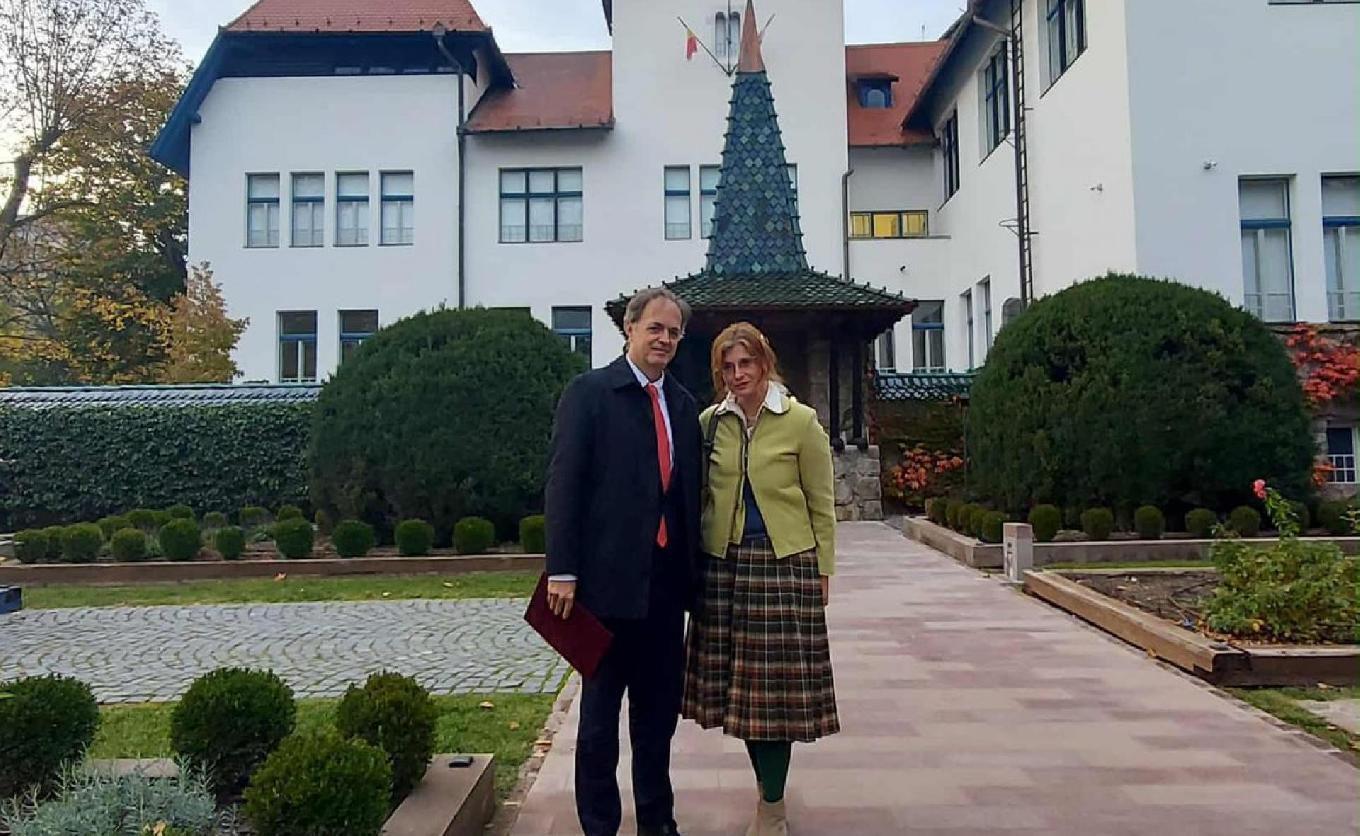
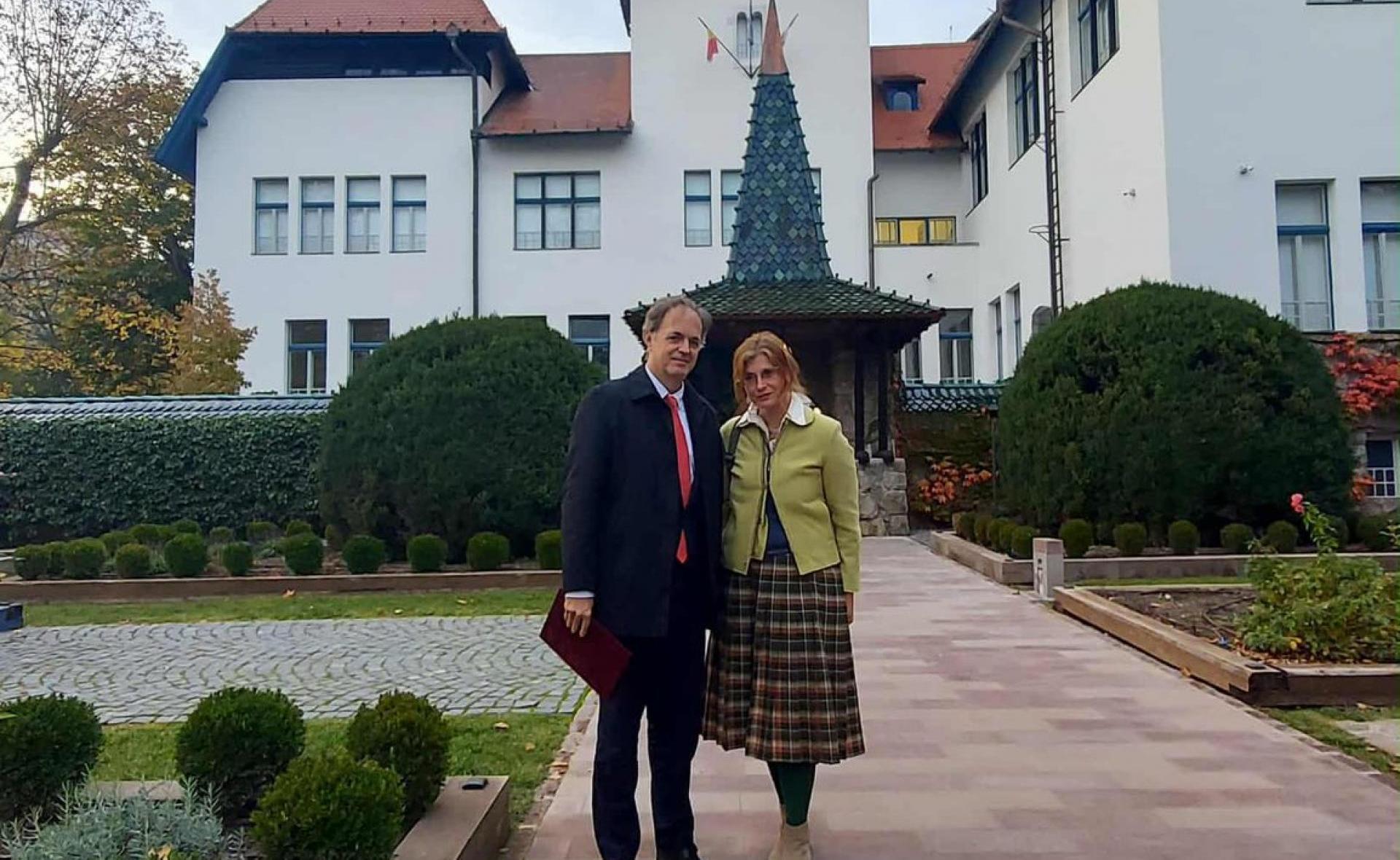
On October 21, Csaba Gábor, Deputy State Secretary for Cultural Diplomacy, opened the important exhibition entitled Székelyek. Inherited Traits at the Székely National Museum. The exhibition is a reimagined version of the exhibition presented at the Museum of Ethnography in Budapest in 2024. The Deputy State Secretary also participated in the presentation of the Orbán Balázs Awards, which were presented by the leaders of Maros, Hargita, and Kovászna counties to outstanding teachers from the three counties. In his speech, he emphasized: "There is no dividing line between Hungarians in the motherland and those beyond the border, but rather living threads that bind us together – this exhibition is one such thread. The objects that have now been brought together are pieces of the same shared history in which we are all involved." In view of the national holiday, he also commemorated the 1956 revolution in Sepsiszentgyörgy and the revolutionary youth of the Székely Mikó College. The ceremonial double event was followed by a dialogue with local political leaders and representatives of the museum sector in Transylvania and Hungary.
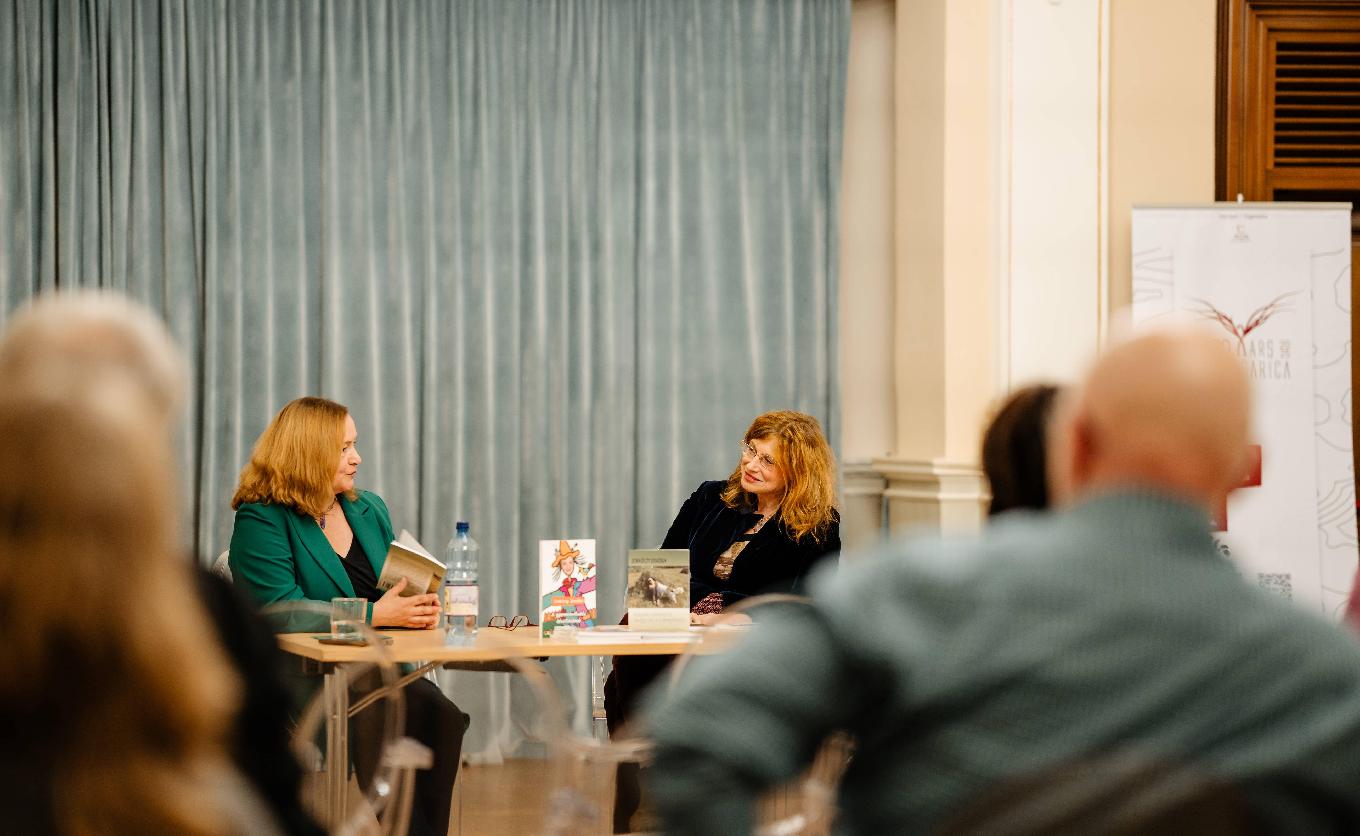
On October 31, the book Bestiarium Hungaricum was presented in the Gábor Áron Hall of the Bod Péter County Library. The event was organized by the Liszt Institute Sepsiszentgyörgy, and the discussion was moderated by Zsolt B. Szabó. The audience had the opportunity to meet two influential creators: publisher András Vörös and illustrator Gyula Németh, who spoke about the connection between Hungarian mythology, medieval bestiaries, and visual heritage. The book provides insight into the deeper layers of folk beliefs and symbolism, while presenting creatures from the distant past and archetypes from the collective imagination in a new artistic form. The program ended with a book signing and informal discussion, marking another valuable event in the cultural series organized by the institute in Sepsiszentgyörgy.
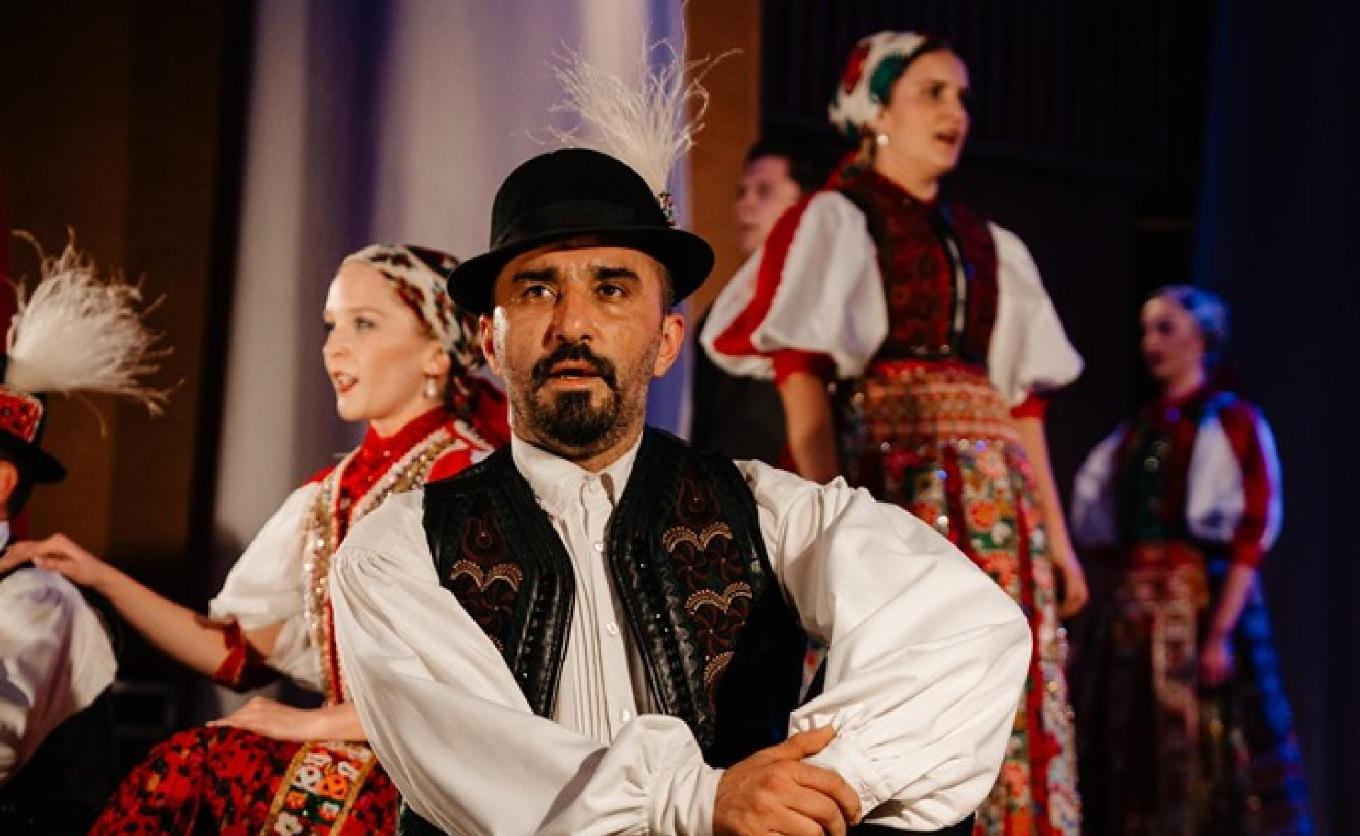
This year marked the 20th anniversary of the Ars Hungarica festival in Sibiu, one of Transylvania's most important Hungarian cultural events, which welcomed more than 3,000 visitors over ten days. The program, worthy of this anniversary year, included exhibition openings, opera and classical music concerts, theater performances, children's programs, book presentations, and community events, enriching the cultural life of the city. The opening ceremony at the Brukenthal Museum featured a contemporary collection of Hungarian graphic artists, while a grand Opera Gala in the Thalia Hall added to the festive atmosphere. The significance of the festival was well demonstrated by the fact that András István Demeter, Minister of Culture of Romania, and Magdolna Závogyán, State Secretary of the Ministry of Culture and Innovation of Hungary, also attended the event. "We are not beyond borders, but boundlessly Hungarian," quoted Magdolna Závogyán from Sándor Kányádi, emphasizing that Ars Hungarica has been providing a home for high-quality, meaningful, and authentic cultural presence for twenty years. The Liszt Institute Sepsiszentgyörgy was once again an official partner of the festival, with the institute's director, Zsuzsanna Szebeni, participating in several programs, including the presentation of Magyar Kultúra Magazin.
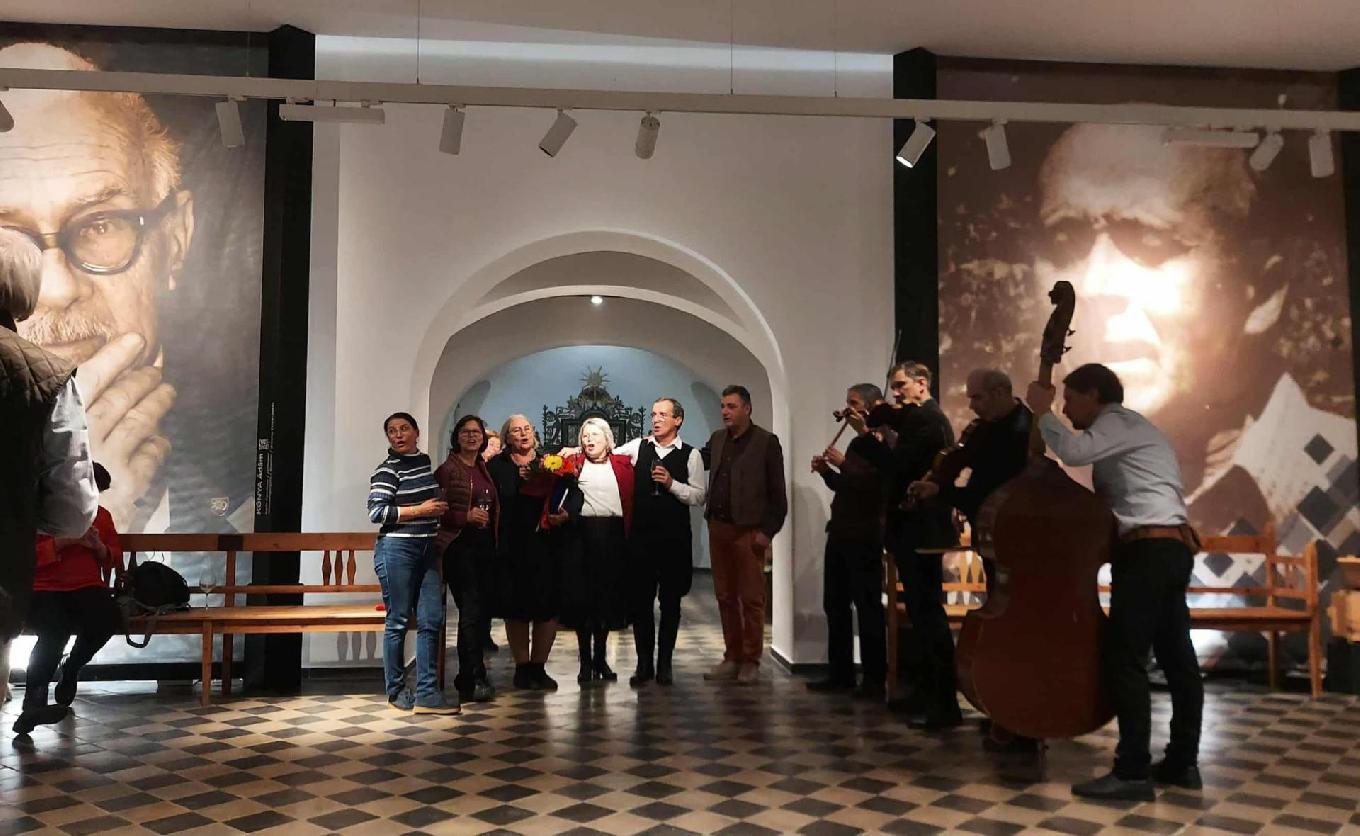
On November 19, at the Árkosi Cultural Center in Sepsiszentgyörgy, Ildikó Simonovics, curator of the Hungarian National Museum, gave a lecture on the highly successful exhibition Hungarian Bride, which looks back on almost half a millennium of changes in the social role of women through the cultural patterns of marriage and bridal attire. The exhibition, which was awarded the Exhibition of the Year prize in 2024, is not only historical documentation, but has become a living cultural imprint through personal stories, family heirlooms, objects donated by the community, clothes, and photos. The presentation highlighted that the traveling version of Hungarian Bride will be presented in three Transylvanian cities in 2026—Sfântu Gheorghe, Miercurea Ciuc, and Odorheiu Secuiesc—enriched with local photos and collected materials. A competition will be launched in which the documents of the three Székely seats will also compete, and the most interesting materials will be included in the exhibition's section entitled "Székely Bride."
These recent events show that Hungarian culture in Transylvania is both rooted in the past and looking toward the future. The programs not only enriched the cultural life of the local community, but also strengthened cooperation, dialogue, and the shared desire to pass on traditions.