A century of music: Kurtág100 program series at Liszt Institutes
In February 2026, the international music world celebrated the 100th birthday of György Kurtág, one of the most influential figures in contemporary music. To mark this extraordinary occasion, Hungarian cultural institutes abroad – from Berlin to Vienna, Moscow to Bucharest, and Helsinki to Stuttgart – paid tribute to the master's life's work with a variety of programs. The Liszt Institute network brought the musical world of the "master of miniatures" closer to foreign audiences with podium discussions, concerts, and a live broadcast of the anniversary concert in Budapest. This coordinated series of events not only highlighted the composer's genius but also showcased the strength of Hungarian cultural diplomacy across major global cultural hubs.
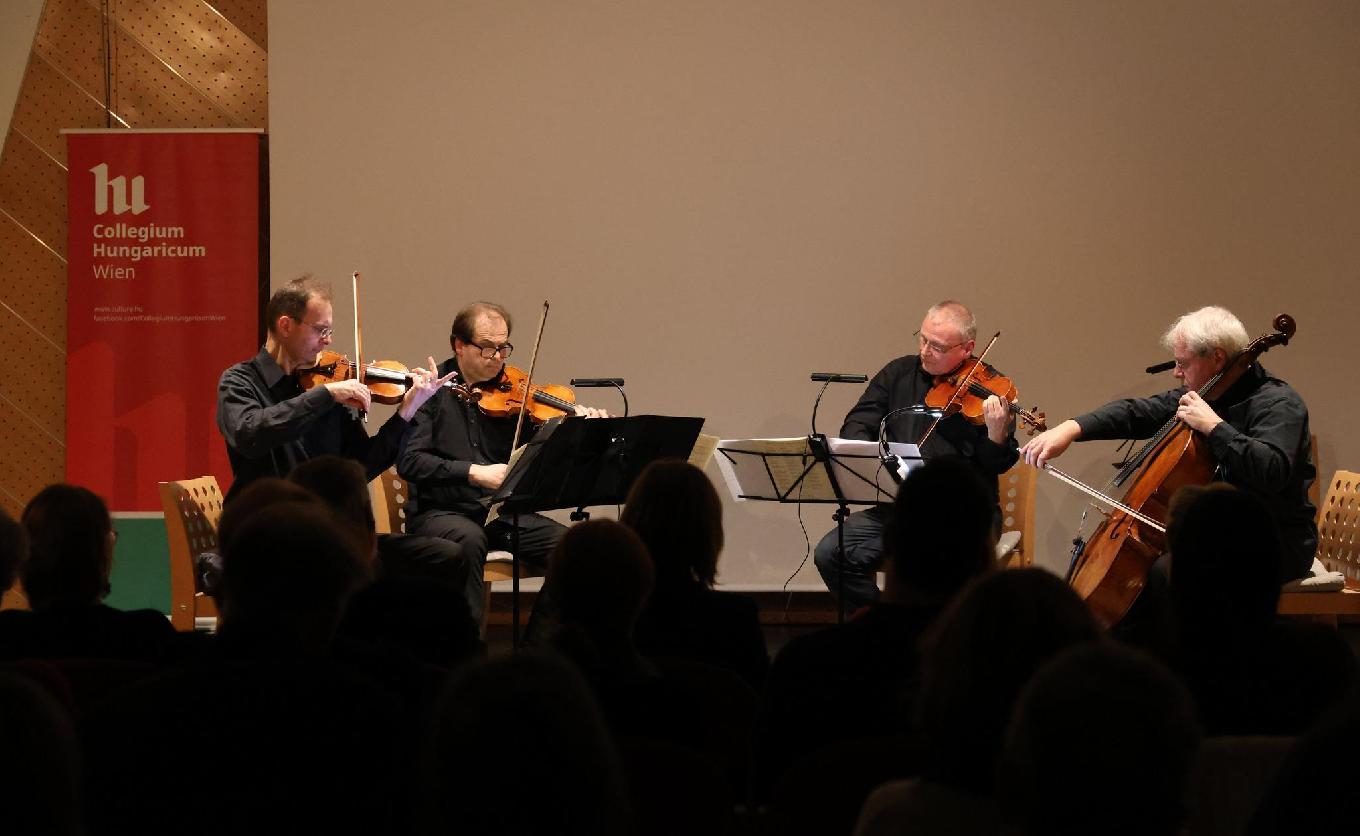
On February 16, the Collegium Hungaricum Wien paid tribute to György Kurtág on the occasion of his 100th birthday as part of the "Music meets Architecture" concert series. The evening focused on the dialogue between two defining figures of Hungarian modernity, composer György Kurtág and architect István Medgyaszay. The concert by the Aron Quartet (Ludwig Müller, Barna Kobori, Georg Hamann, Christophe Pantillon), founded by Viennese musicians in 1998, drew parallels between Kurtág's extremely rich musical world and Medgyaszay's architectural thinking, which combines modernity and tradition. The music was not presented in isolation, but became accessible as part of a broader cultural and historical context. The concert was also held in Budapest a few days after its premiere in Vienna.
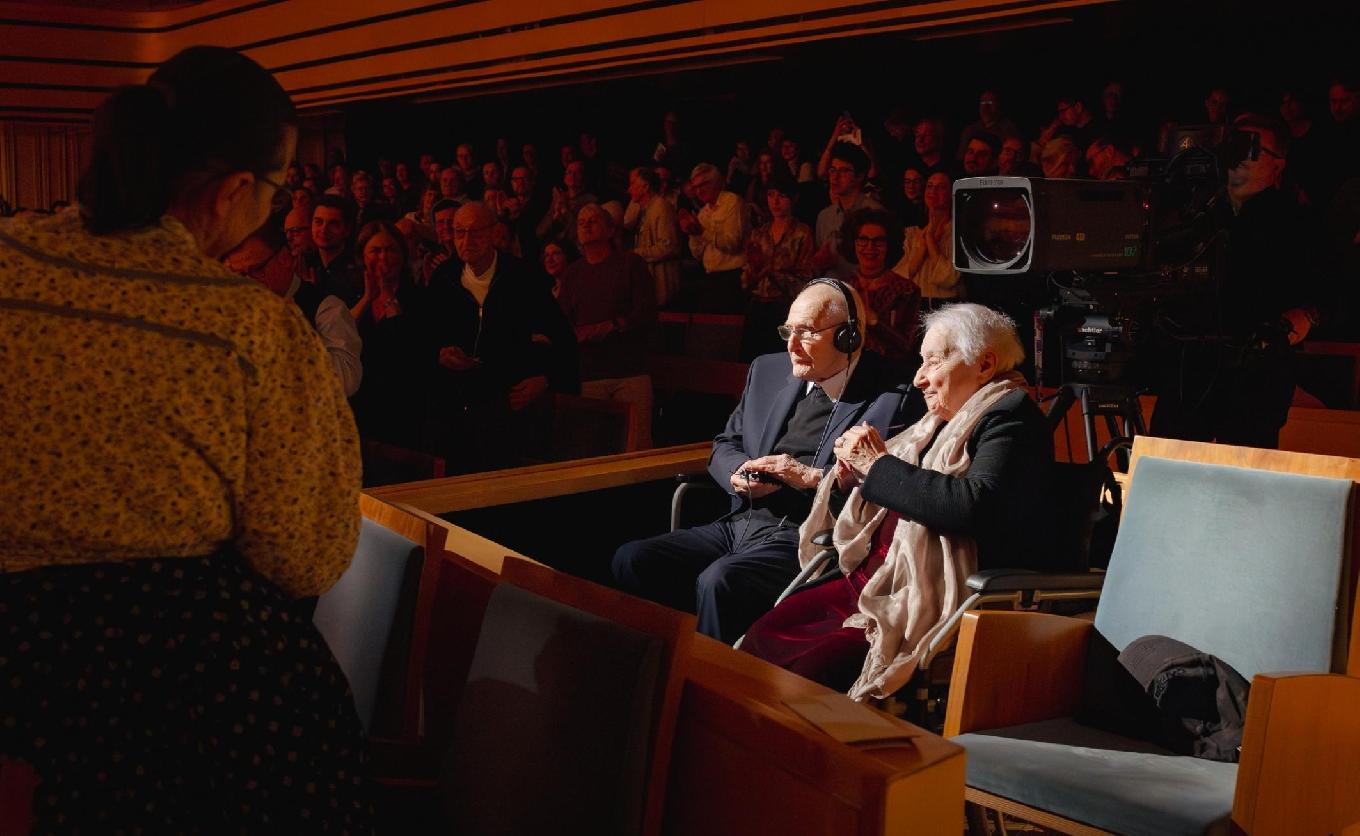
On February 19, György Kurtág, the 100-year-old giant of contemporary music, was honored at a jubilee concert held at the Müpa in Budapest. The composer himself attended the event, where world-renowned pianist Víkingur Ólafsson performed the most important pieces from his oeuvre. Ólafsson's career has been influenced by György Kurtág's compositions from the very beginning. His deep connection to the composer's works and way of thinking is also evident in his own work: his album From Afar features several pieces by Kurtág, some of which were also performed during the evening.
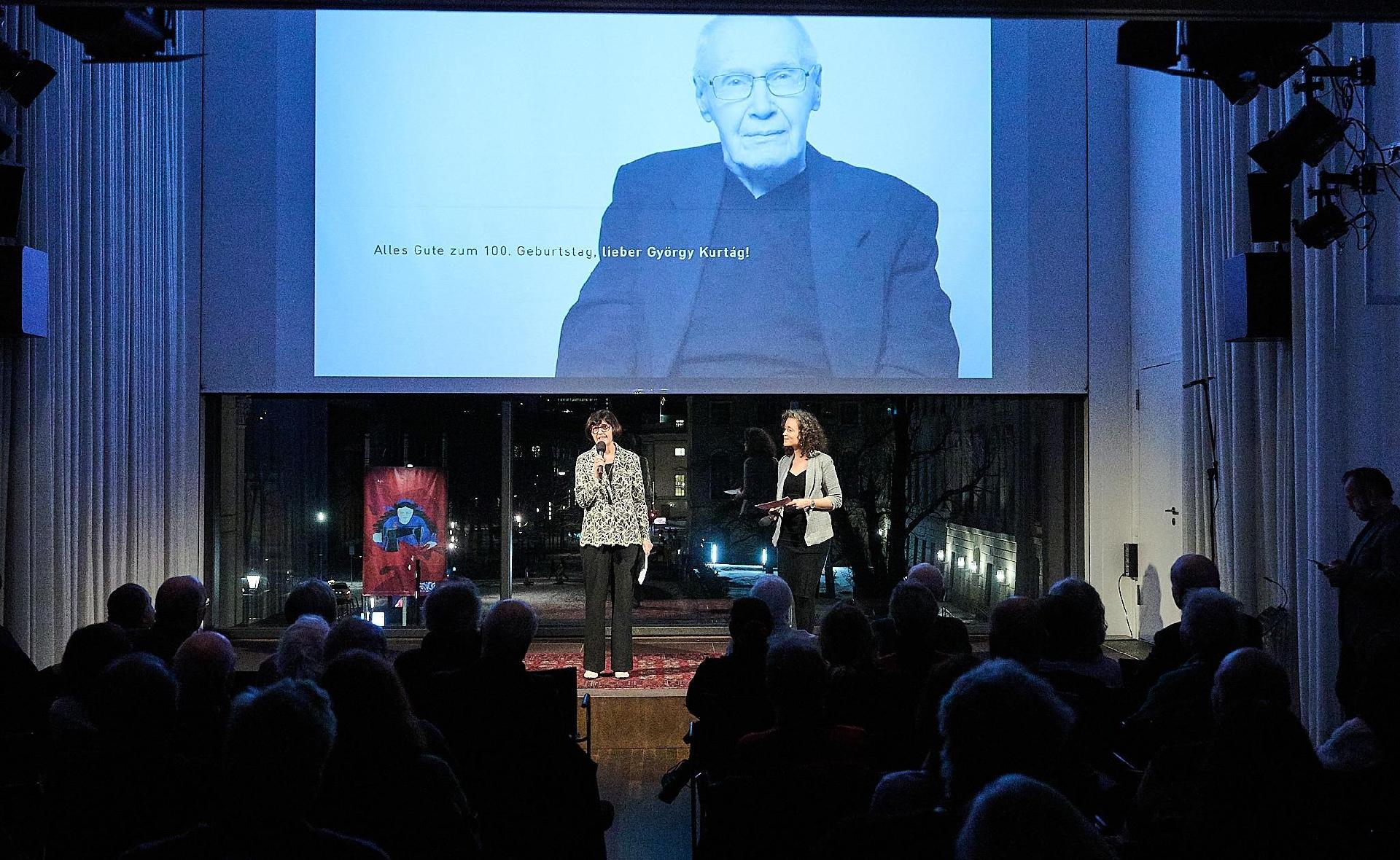
The gala concert was broadcast live by both the Bucharest and Berlin institutes. The Collegium Hungaricum Berlin also paid tribute to the master with personal recollections and a performance by double bassist Benedek Devich, which included two works by Kurtág (In Memory of Sándor Devich and Message consulation á Christian Sutter). György Kurtág has many close ties to the city of Berlin. He spent most of his years abroad here, and the Berlin Symphony Orchestra is the ensemble with which he has undoubtedly the closest creative relationship. The piece Quasi una fantasia, performed at the birthday concert in Budapest, was composed in 1988 on commission from the Berlin Festival Weeks, taking advantage of the special acoustic possibilities of the Berlin Philharmonic's chamber hall.
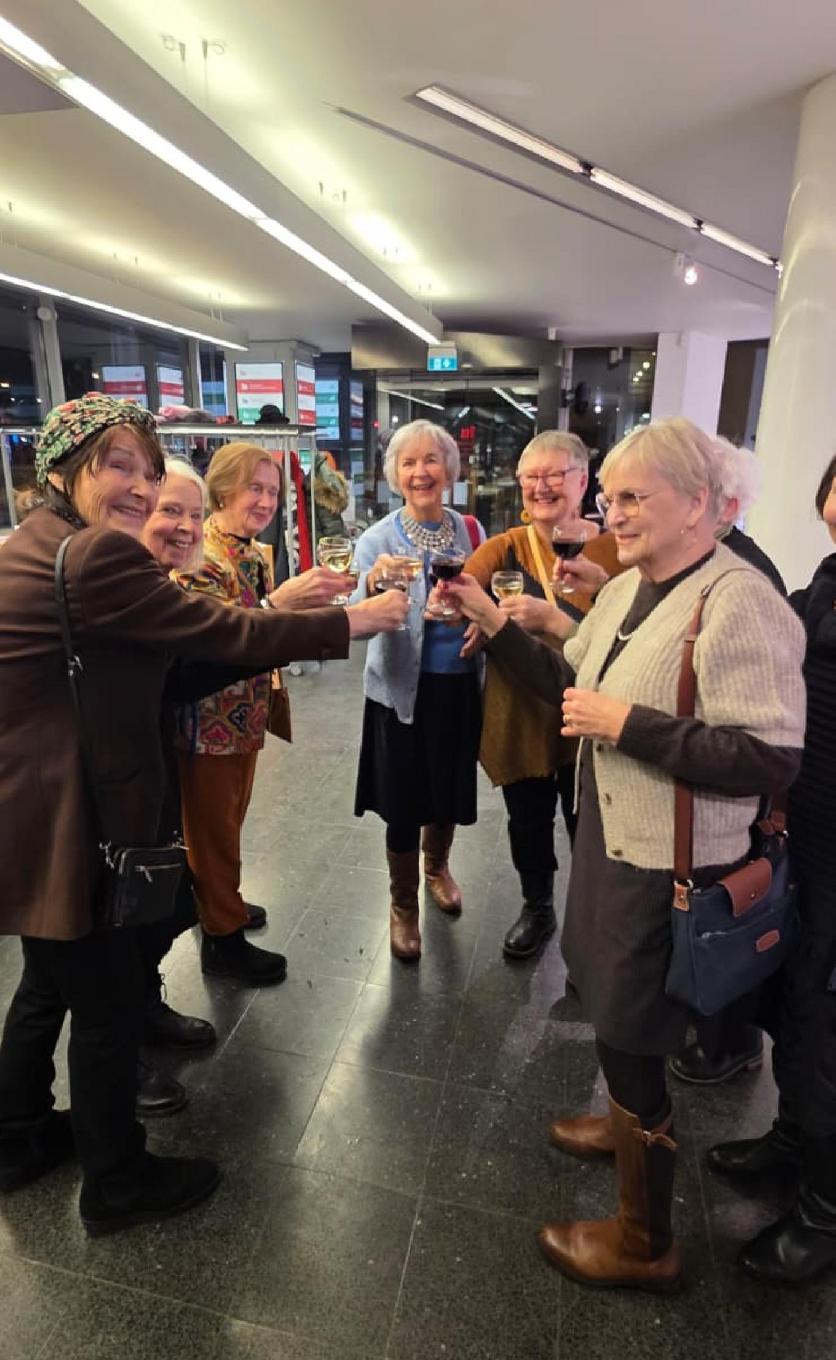
In Helsinki, also on February 19, precisely on the composer's birthday, the Kurtág100 gala concert and reception were held in the Paavo Hall of Musiikkitalo. The evening featured performances by Anu Komsi and Piia Komsi (vocals) and Helga Karen (piano), with the production directed by Anu Komsi and Sakari Oramo (Coloramaestro Oy). The performers have been collaborating with Kurtág for decades and are trusted interpreters of his works worldwide. The program, supported by the Jenny and Antti Wihuri Foundation and the Liszt Institute Helsinki, featured key pieces such as Three Old Inscriptions, excerpts from Games, Requiem, the Péter Bornemisza series, Spring, and Kafka Fragments. The audience of nearly four hundred people enjoyed a fitting celebration.
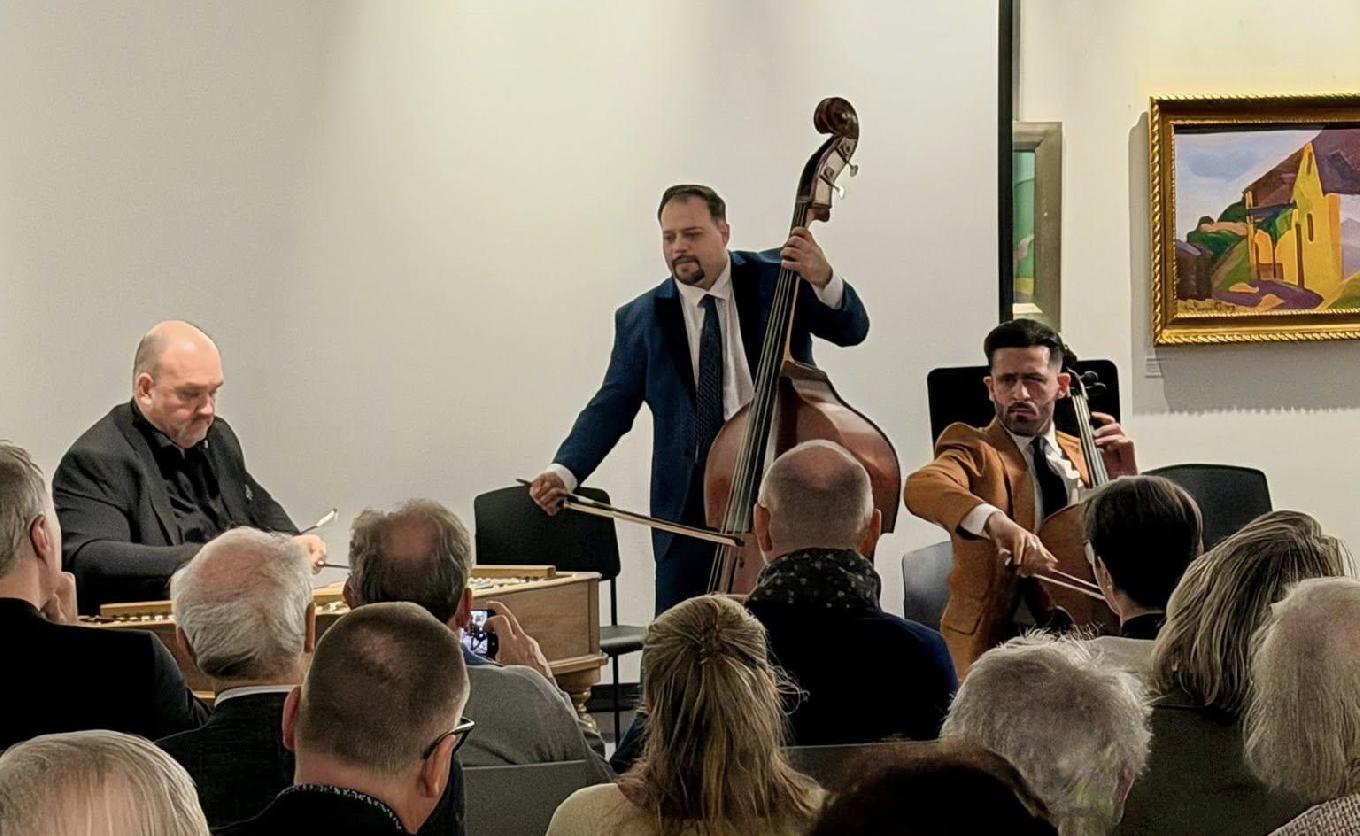
In Stuttgart, the anniversary was also commemorated with a concert at the local Liszt Institute on February 19. As part of their Western European tour, Elemér Duka and the Gipsy Chamber Orchestra began the evening with a short piece by Kurtág, then guided the audience into the world of classical music, Hungarian Roma traditions, and contemporary film music. In addition to the members of the ensemble – Gyula Csík (cimbalom), Vilmos Duka (double bass) and Gyula Bóni (viola) – the packed hall was filled with Hungarian, German, Russian, Ukrainian and French-speaking audiences who shared in the experience.
On February 25, the OpenSoundOrchestra paid tribute to the composer with a gala concert at the Rasszvet Cultural Center in Moscow. The full-length program traced the main stages of György Kurtág's career, beginning with his own works and continuing with those of 20th-century Hungarian composers closely associated with him, including György Ligeti, Béla Bartók and Sándor Veress. The concert offered a rare opportunity for the Moscow audience to hear Kurtág's music in a rich cultural context, as part of the Hungarian musical tradition, highlighting the subtlety of his language and his lasting influence on contemporary music.
This harmonized international effort fittingly illustrates that György Kurtág's art continues to serve as a vibrant, cross-generational bridge between Hungary and the wider world.