A celebration across borders: how the Day of Hungarian Culture was celebrated worldwide
On the occasion of the Day of Hungarian Culture in January 2026, Hungarian cultural institutes abroad celebrated Hungary’s intellectual and artistic heritage with a diverse range of carefully curated, high-quality programs around the world. Concerts, exhibitions, literary evenings, educational initiatives and community events demonstrated that Hungarian culture is a living, contemporary value capable of engaging in international dialogue. The shared message of these events was clear: Hungarian culture builds bridges between artistic genres, generations, nations and languages.
The Day of Hungarian Culture, commemorating the date when Ferenc Kölcsey completed the manuscript of the Hungarian national anthem, is celebrated every year on 22 January. This event of outstanding importance to the Hungarian nation offers an opportunity for the rich and multifaceted heritage of Hungarian culture to be highlighted both at home and abroad. In January 2026, the Liszt Institutes and their partner institutions joined the celebration with a wide array of mutually reinforcing programs spanning Europe, Asia, North America and the Middle East.
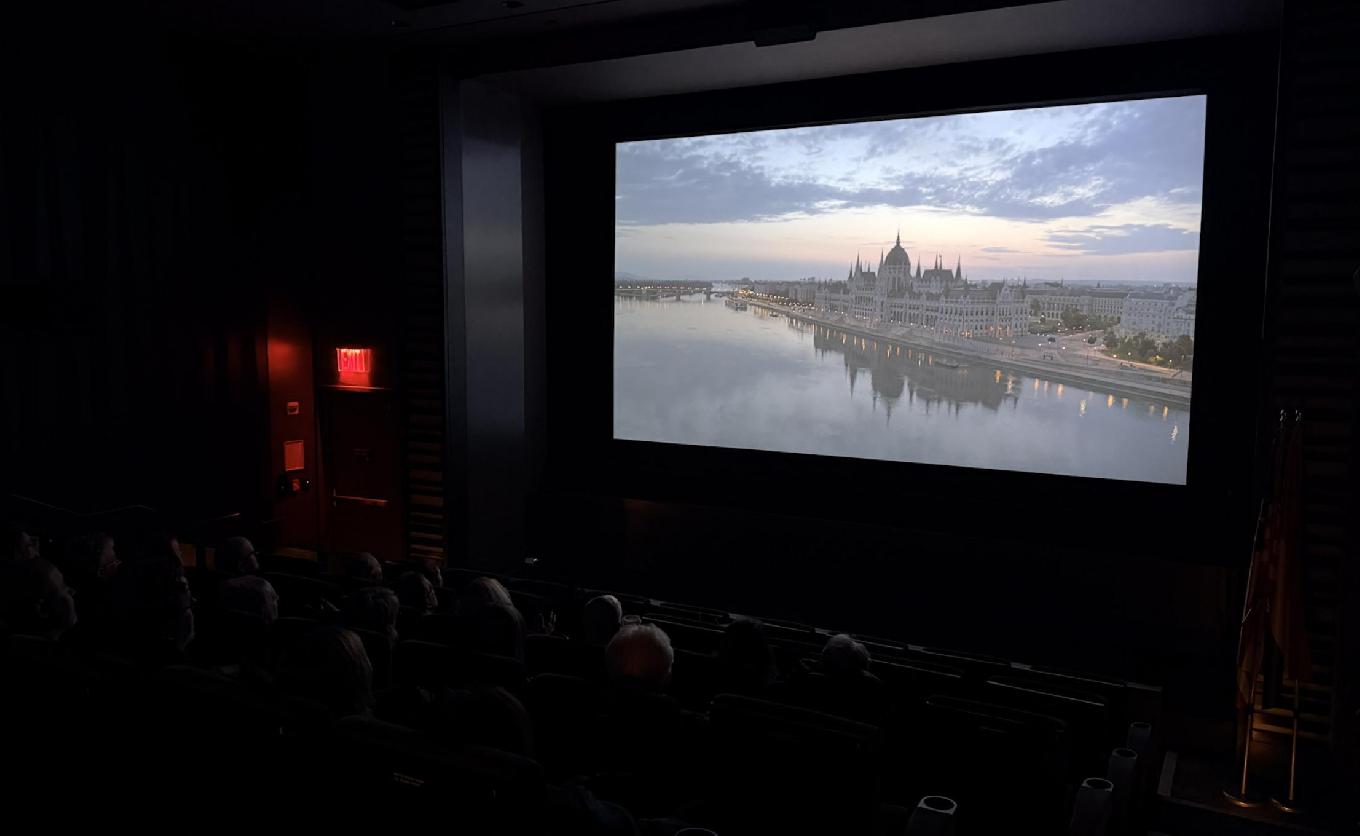
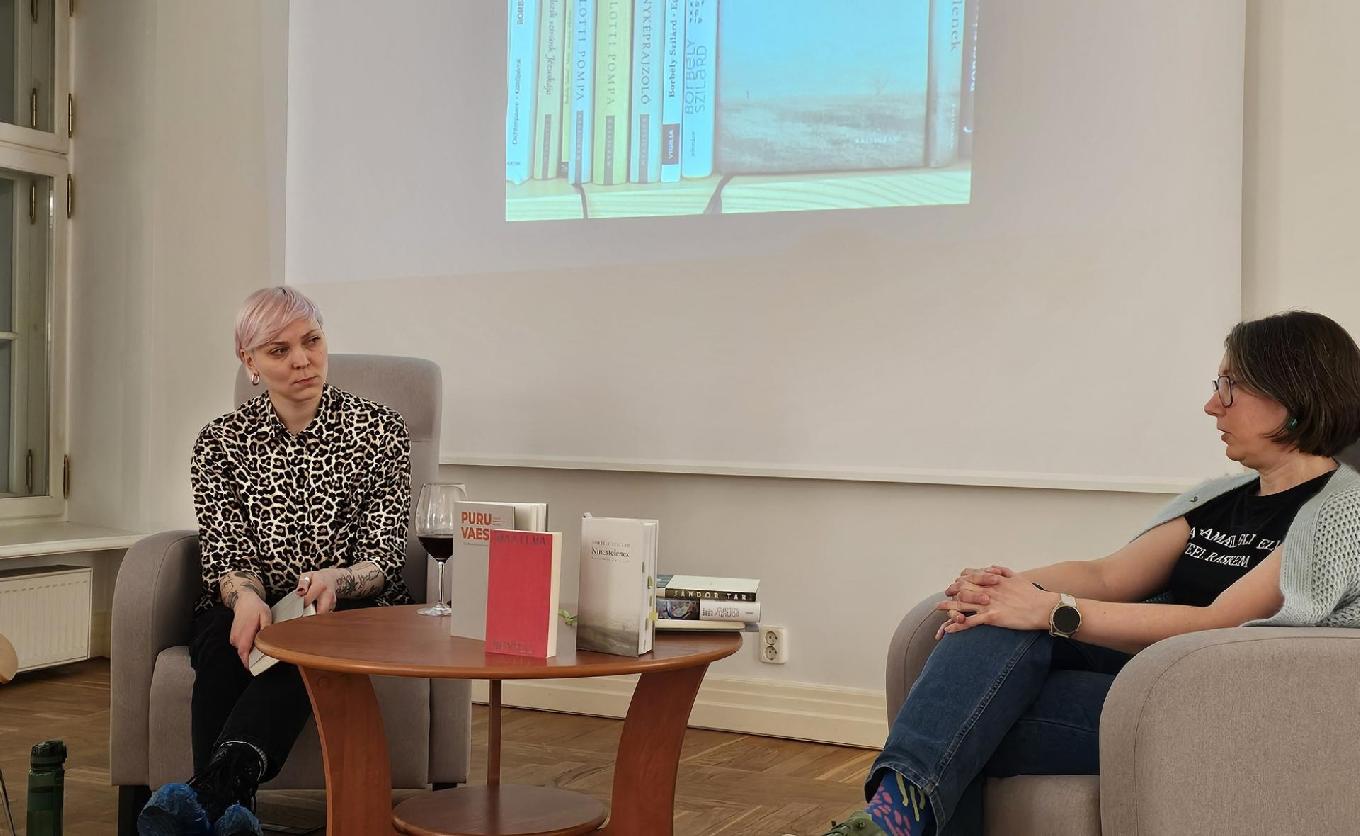
Literature and theatre play a prominent role in presenting Hungarian culture to international audiences. In Warsaw, a poster exhibition entitled “Polish, Hungarian, Onto the Poster!” was held, while the Liszt Institute also screened the Hungarian documentary film 30 Shades of Dance, showcasing the diversity of Hungarian visual culture and dance. In Tallinn, the Estonian edition of Szilárd Borbély’s novel The Dispossessed (Nincstelenek) was presented, while in Bratislava a musical reading and panel exhibition exploring the relationship between Queen Elisabeth (Empress of Austria) and Hungary evoked historical memory. In London, Mária Hedry’s play entitled Shadow Fate (Árnyéksors) brought to the stage the personal and political dramas of 20th-century Hungarian history, while in Paris a literary evening paying tribute to Endre Ady and Béla Bartók, accompanied by children’s activities, strengthened linguistic and cultural ties. In New York, the documentary film The House of the Nation (Az ország háza) had its American premiere at Film at Lincoln Center, presenting the architectural and historical richness of the Hungarian Parliament Building to an international audience and serving as the opening event of a cultural program series marking the 250th anniversary of the independence of the United States.
There was no shortage of cultural programs in Bucharest either. A multi-day, genre-spanning series of events was organized at the institute, including a commemorative concert honoring conductor Lajos Bács, performed by Duo Aetherium. On 21–22 January, the two evenings of Literary Threads, a contemporary literary and translation mini-festival, focused on dialogue between Romanian and Hungarian literature. Book launches, author–translator discussions and professional exchanges highlighted the significance of literary translation as a creative practice.
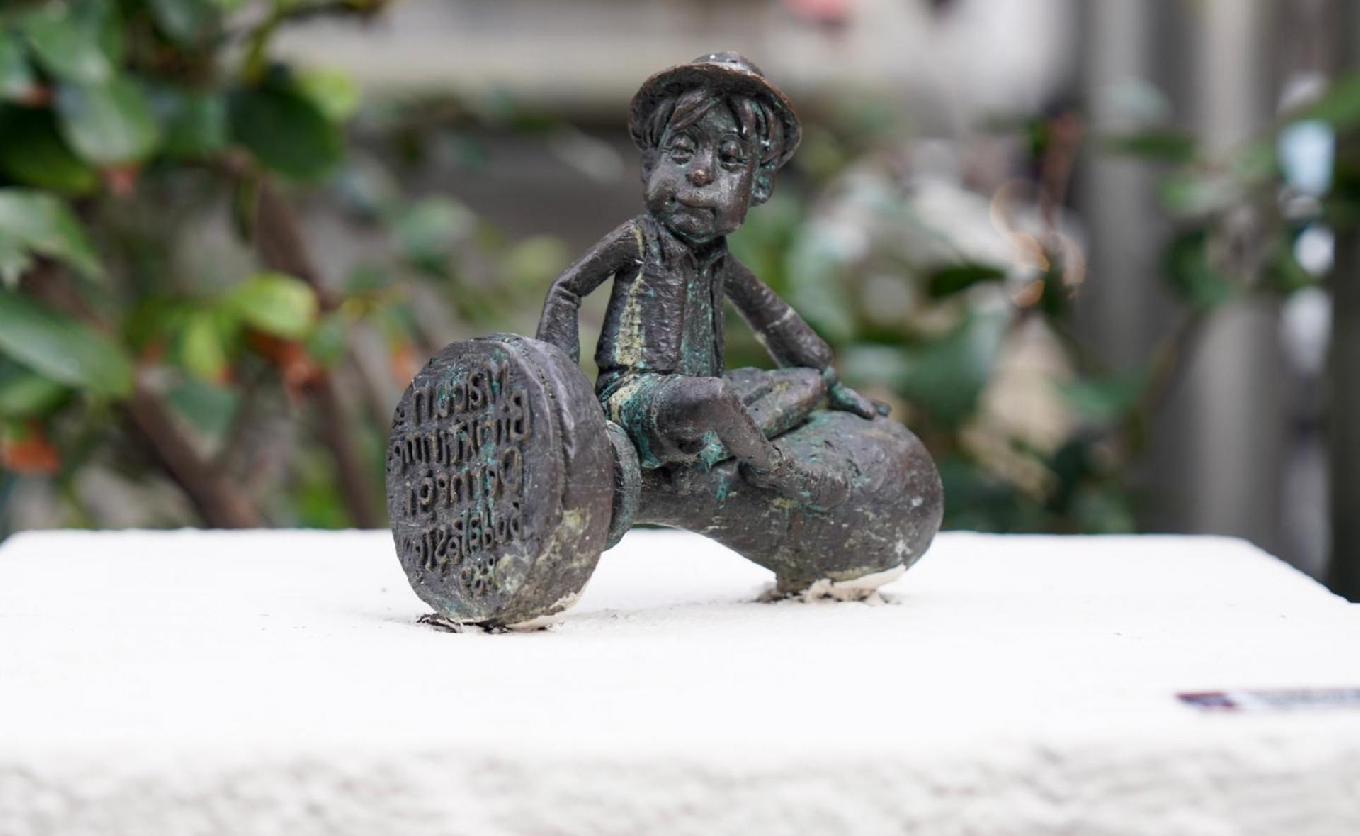
Visual arts were also featured at several locations. In Zagreb, the year opened with Stamp! by Judit Szendrei, an exhibition of collage works constructed from postage stamps that explored questions of memory and identity. In Stuttgart, a major exhibition presented key figures of the Hungarian avant-garde under the title The Eight and the Activists. In Seoul, a joint exhibition by Hungarian and Korean painters strengthened contemporary artistic dialogue. In Istanbul, the unveiling of Mihály Kolodko’s miniature sculpture inspired by the novel The Paul Street Boys brought Hungarian literature into public urban space, while in Berlin the focus turned to book culture through a community book initiative and an exclusive guided tour of the institute.
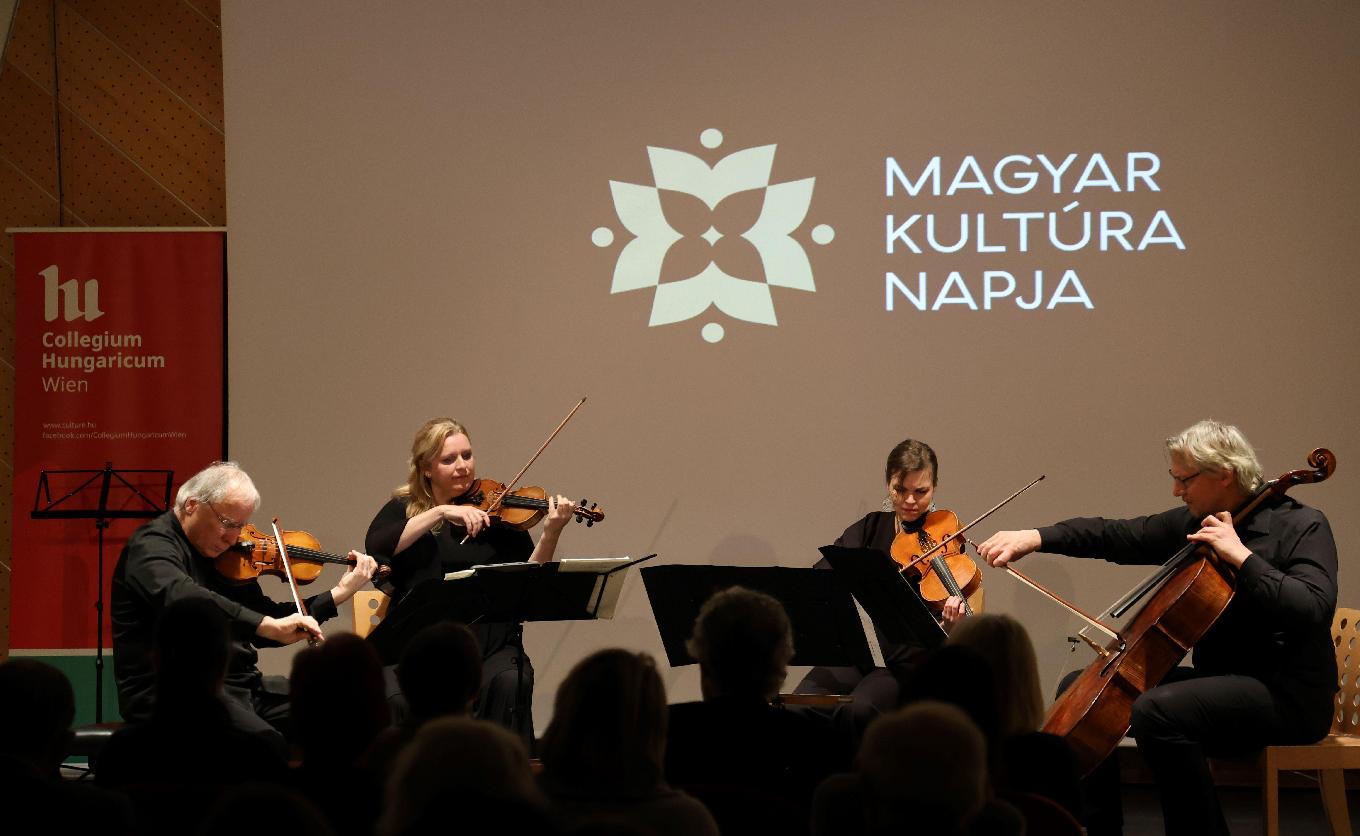
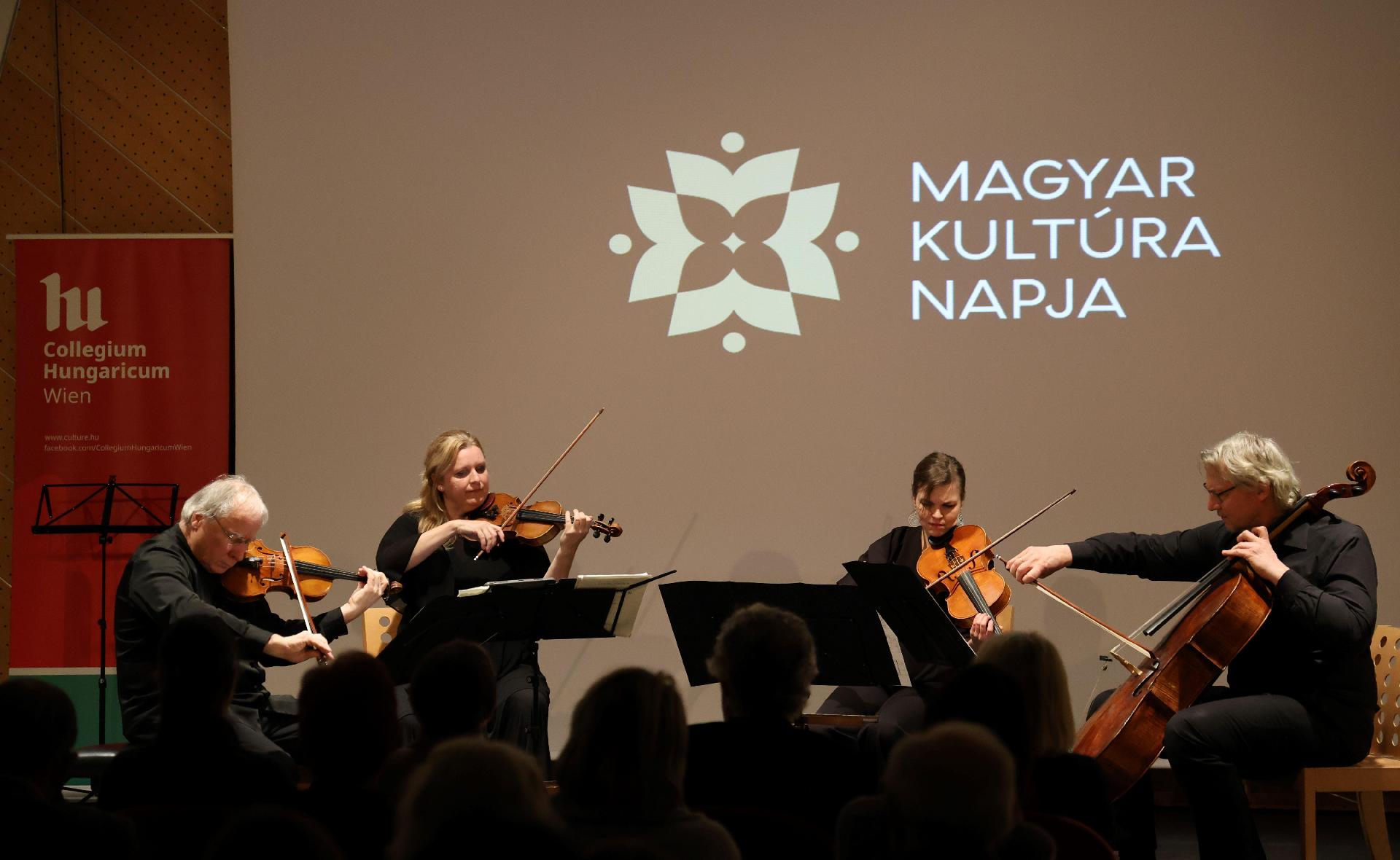
Music played a central role in nearly all events. Piano recitals by Leila Ditta Hargitai in Tokyo, a solo concert by Barbara Tóth in Sofia, a special performance by Katica Illényi and Péter Sárik in Prague, a concert by Elemér Duka and the Gypsy Chamber Orchestra in Rome, a recital by Henrietta Lukács in Moscow and a chamber concert by Concerto Budapest in Vienna all demonstrated that Hungarian music, in both its classical and contemporary forms, continues to attract strong international interest. In Brussels, a full evening program paid tribute to the life and work of György Kurtág on the occasion of his 100th birthday, while in Helsinki the celebration was complemented by a music history lecture and concert.
A highlight of the program-series was the gala concert in Ljubljana celebrating both the 10th anniversary of the Liszt Institute and the 100th birthday of György Kurtág. The event featured a performance by world-renowned pianist Pierre-Laurent Aimard at the Ljubljana Academy of Music, elegantly linking the institutional anniversary with the Day of Hungarian Culture.
In Belgrade, a bilingual cultural pub quiz proved highly successful, while in Brussels participants were invited to take part in an art therapy workshop. In Seoul, Hungarian poems appeared at the city’s busiest metro stations, reaching hundreds of thousands of commuters each day. Meanwhile, the Consulate General of Hungary in Cluj-Napoca organized a panel discussion entitled What Is Hungarian? Culture?
The overall picture of these events clearly demonstrated that the Day of Hungarian Culture is not merely a commemorative occasion, but a vibrant point of encounters. The programs organized by the Liszt Institutes abroad conveyed the message that Hungarian culture both preserves its traditions and speaks in a contemporary, international language. Through music, literature, visual arts and community engagement, 2026 once again proved that Hungarian culture is a border-crossing, unifying force.