A Busy Start to the Year at the Liszt Institute Bucharest
With the arrival of the new year, life at the Liszt Institute Bucharest has not slowed down; on the contrary, the 2026 season has started with an intense cultural program. The exhibition marking the 130th anniversary of the Nagybánya Artists' Colony was opened, the series of chamber concerts by young musical talents continued, a photo exhibition was held to celebrate Romanian Photography Day, and a memorial evening and mini literary festival were organized in memory of Lajos Bács. These events further strengthened Hungarian-Romanian cultural relations, while preserving traditions and initiating new collaborations.
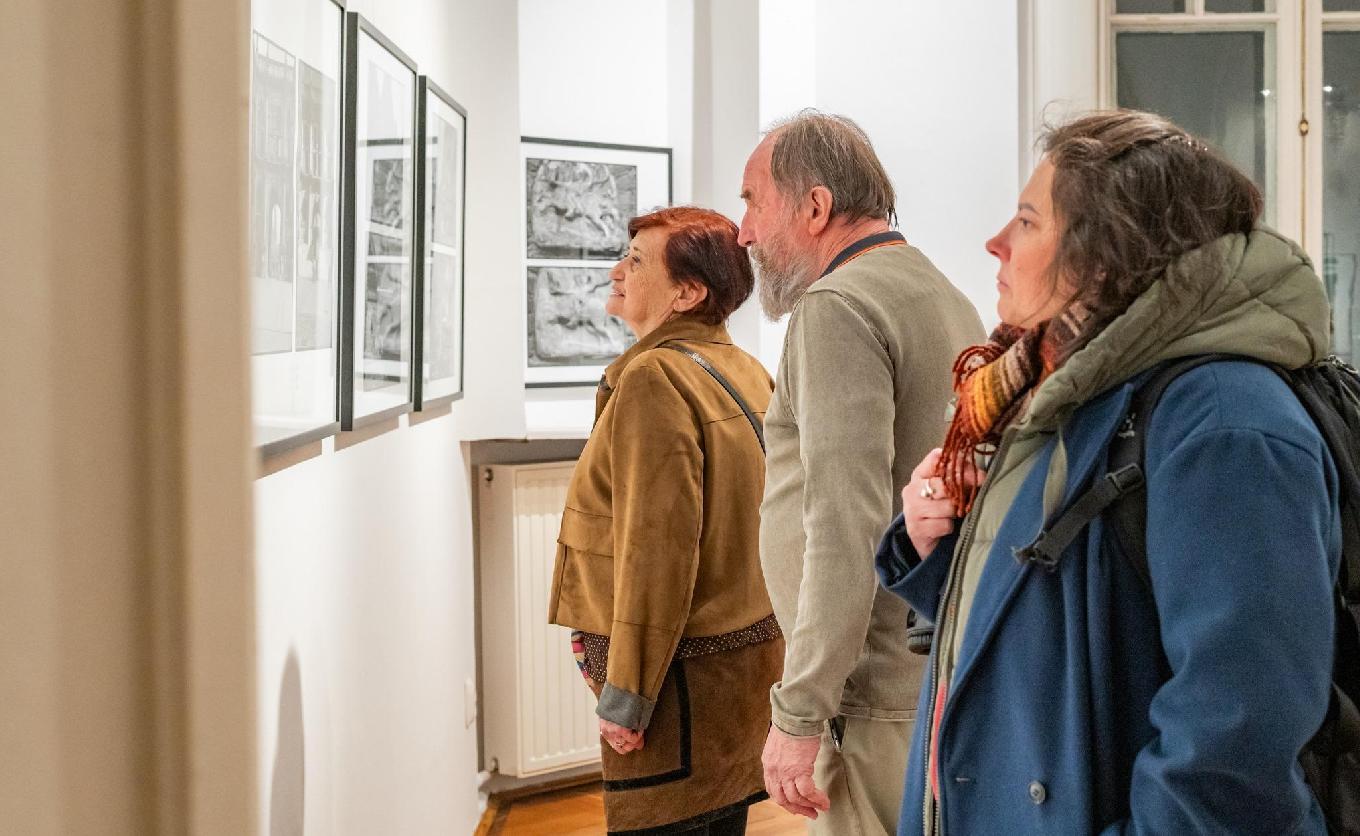
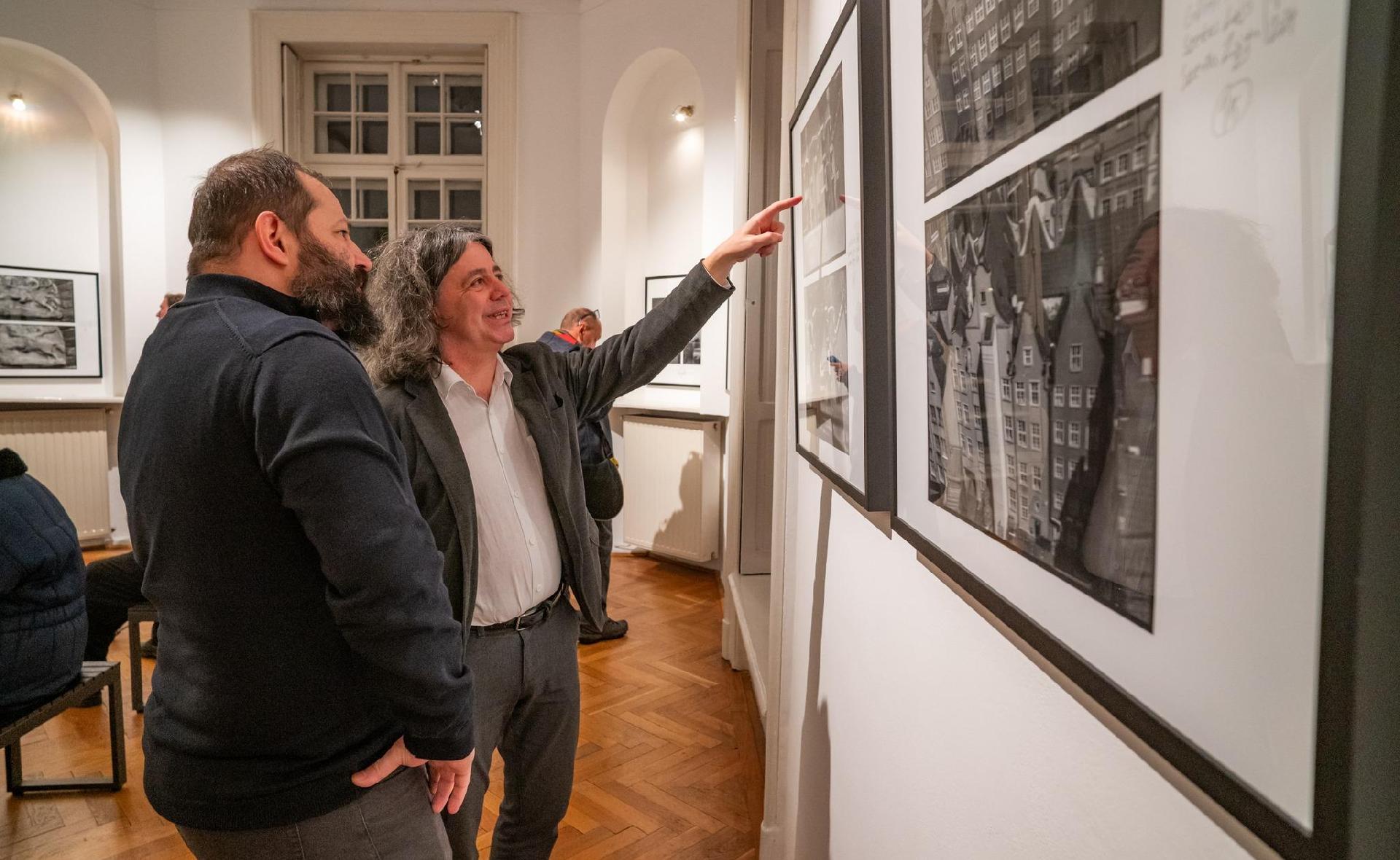
The Liszt Institute traditionally starts the year with a photo exhibition, paying tribute to Romanian Photography Day on 11 January: Károly Szathmáry Pap, the first documentary and war photographer of the Kingdom of Romania, was born on this day in 1812 in Cluj-Napoca. The 2026 season opener was Zágon Szentes's GDAŃSK50 Photo Remake Project: his father, Lajos Szentes, immortalized his 1974 trip to Gdańsk with 23 precise reconstructions of black-and-white Fortepan photos, taken from the same angle 50 years later. At the opening on January 13, institute director András László Kósa gave a speech, as did Eugen Negrea (president of the Romanian Photographers' Association), Natalia Mosor (director of the Polish Institute), and the curator of the exhibition, Dóra Mărcuțiu-Rácz, who read the first excerpt from the "travel diary" written in connection with the discovery and re-photographing of the 1974 photos. The exhibition, which runs until February 1, has attracted media attention, with interviews conducted by M5 and Erdély TV. The images from the exhibition have been published in a book, supplemented by Dóra Mărcuțiu-Rácz's travel diary, by Exit Publishing, allowing those who missed the exhibition to experience the time travel spanning 50 years.
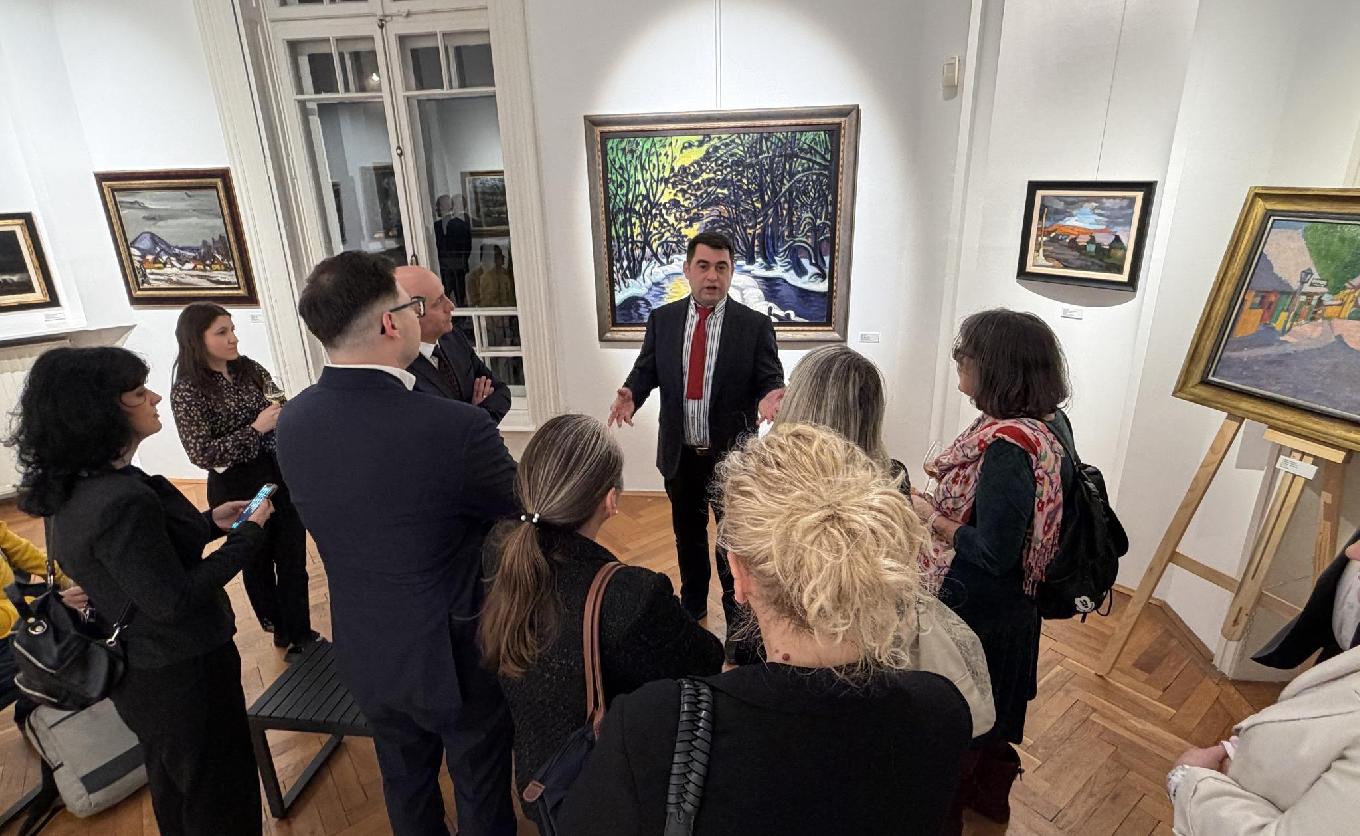
One of the most significant events of the beginning of the year, if not the most significant, is the exhibition entitled Nagybánya Art 130 (1896–2026), which celebrates the 130th anniversary of the founding of the legendary Nagybánya artists' colony and can be considered the first major event in a series of related international programs. The anniversary exhibition opened on 5 February and can be visited in the institute's galleries until 15 March. Representative works selected from the rich collection of the Baia Mare County Museum of Fine Arts - paintings, graphics, and sculptures-showcase the impressive arc of the legendary painting school's first hundred years, from plein air to Impressionism, Post-Impressionism, Expressionism, and the avant-garde. This large-scale exhibition of modern Hungarian painting focuses on the founders and defining masters: Simon Hollósy, Károly Ferenczy, Béla Iványi-Grünwald, János Thorma, István Réti, as well as outstanding artists of later generations, such as Jenő Maticska, Noémi and Béni Ferenczy, Tibor Boromisza, Oszkár Nagy, Géza Kádár, Eugen Pascu, Hugo Mund, and András Mikola. At the opening, Réka Brendus, Head of Department at the State Secretariat for National Policy of the Prime Minister's Office, curator Róbert Strébeli, director of the Baia Mare County Museum of Fine Arts, and András László Kósa, director of the Liszt Institute Bucharest all praised the series of events, which is closely linked to the parallel exhibition entitled József Klein and the Baia Mare Artists' Colony. These two exhibitions together showcase 130 works from Baia Mare, which is unique in the 130-year history of the artists' colony and has attracted considerable professional and media attention in both Romania and Hungary. Interested viewers can watch a presentation of this prestigious event in the 7 February 2026 episode of the Agenda program on Médiaklikk (available online), where the segment starts at 5:55 in the video. The series of programs will continue in September with an exhibition of contemporary artists from Nagybánya, further cultivating this shared European heritage.
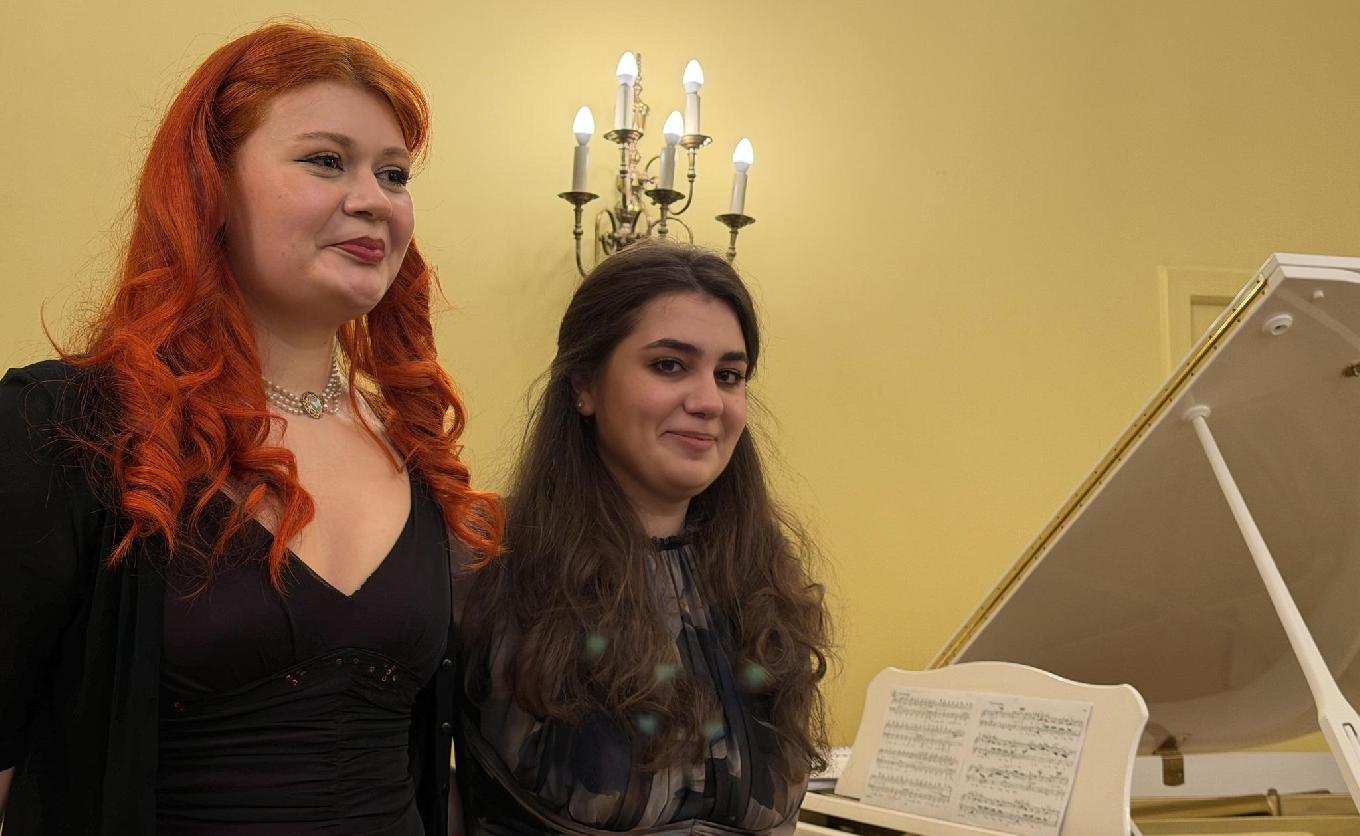
Hungarian Culture Day was celebrated in Bucharest with a three-day series of events, including a memorial evening dedicated to Lajos Bács: Duo Aetherium. The event, named after the Romanian-Hungarian composer, conductor, and teacher who was also a mentor at the Hungarian Music Festival, took place on 20 January in memory of his birthday. The Hungarian personality from Bucharest, who was the conductor of the Romanian Radio Company for half a century and contributed to the presentation of numerous Hungarian musical works in Romania with his work, was honored by the Aetherium four-hands piano duo. The winners of last year's Hungarian Music Festival, Ștefania Fieraru and Diana Negreanu, who were awarded the Lajos Bács Memorial Prize, once again won the audience's approval with their professional skills, mature performance and harmonious collaboration. Their concert was a fitting tribute to conductor Lajos Bács.
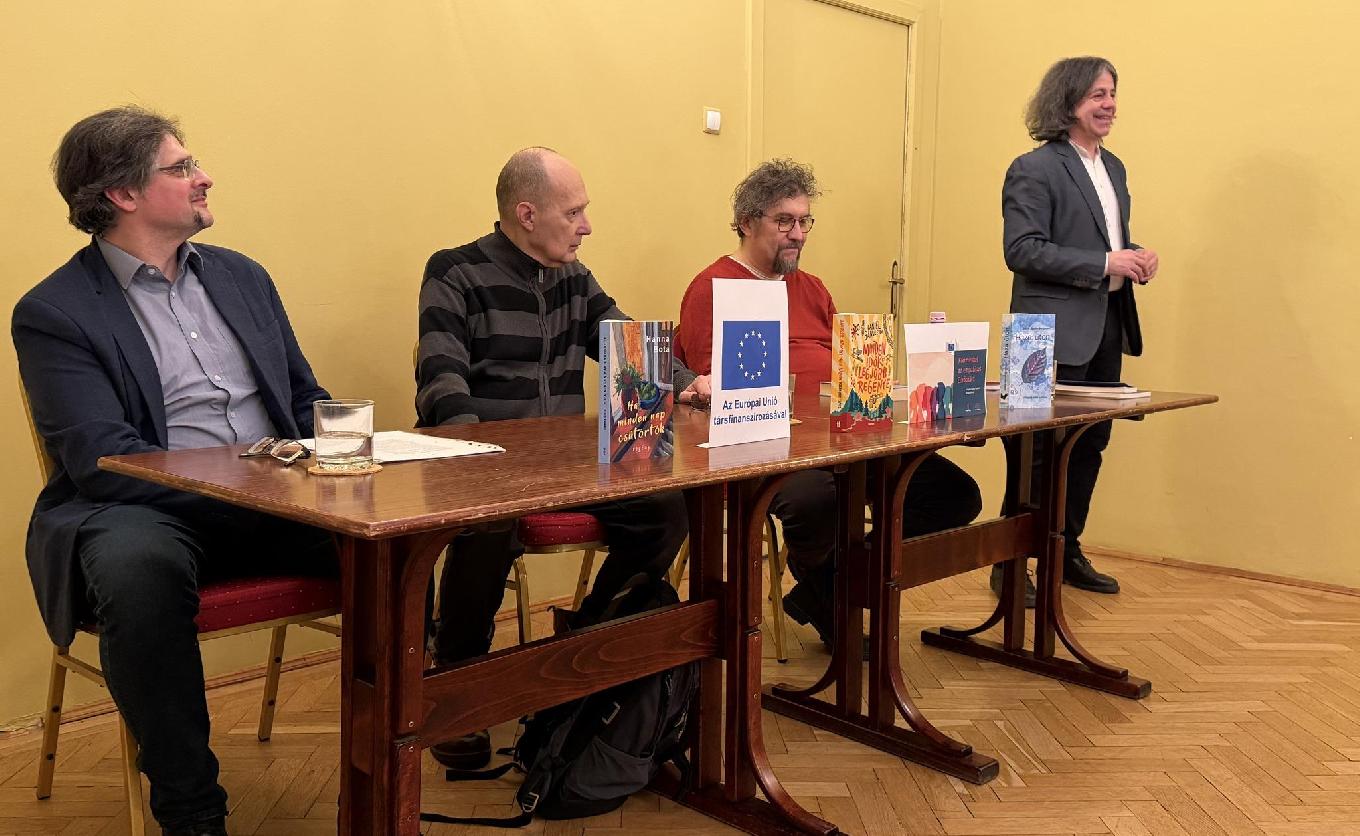
The Liszt Institute in Bucharest celebrated Hungarian Culture Day by organizing a mini-festival entitled Literary Threads 4, featuring four contemporary writers and literary translators, at which Romanian and Hungarian authors present works translated into each other's languages to the public every year. A summary article published on the Bucharest Radio website describes how, on the first day of the program, January 21, three Romanian-language volumes were presented in Hungarian translation at the Liszt Institute. Daniel Bănulescu's book, The Best Novel of All Time, was presented by Szabolcs Szonda, Doina Gecse Borgovan's autobiographically inspired volume, Home: On the Road, was presented by Júlia Vallasek, and Hanna Bota's documentary-style work, If Every Day Were Thursday, was presented in a translation by Eszter Forró. On 22 January, the second day of the mini-festival was held at the Romanian National Literary Museum, where they presented the Romanian anthology Concert de gală, translated by Andrei Dósa, containing the poems of thirty Hungarian poets from Transylvania, the Romanian edition of Vilmos Kondor's novel Budapest Noir (translated by Hajnal Bara), and Andrei Dósa's book, A Lot of Strength and a Pinch of Tenderness, translated into Hungarian by Benji Horváth. Literary Threads 4 further strengthened the Romanian-Hungarian literary dialogue, deepening mutual understanding between the two cultures through the translation of contemporary works.
The Liszt Institute's traditional series of chamber concerts entitled Musical Talents at the Liszt Institute, held on 11 February, marked another important chapter in a cultural diplomacy initiative that has been running for over a decade and a half, encouraging young Romanian talents to learn Hungarian musical works on a monthly basis. Students from the George Enescu Secondary School of Music in Bucharest, prepared by teacher Gizella Tulván, performed works from Bach to Frigyes Hidas, with a highlight being the Romanian premiere of György Orbán's album Aulos II, which, like Bartók and Bach's children's albums, is an important educational milestone in the presentation of polyphonic techniques. This series is closely linked to the 21-year-old Hungarian Music Festival, whose winners, such as Ana Silvestru and Cătălin Răducanu, have since become world-famous, and now their students are also applying. Through the festival, numerous Hungarian composers and contemporary works have entered the repertoire of Romanian musicians, and even pieces written specifically for the competition have survived. As part of the collaboration, the winners perform at Hungarian institutes abroad in reward concerts, so this event also strengthens young Romanian musicians' connection to Hungarian musical heritage, while promoting the institute's most important music festival.