

Kleine Zavel 5
Every year, the Polyphonic Performance Spaces research festival brings the best of artistic research to Koninklijk Conservatorium Brussel. This edition explores The Sound of Brussels: the city’s exceptionally rich sonic heritage, -past, present, and future.
This year’s programme pays tribute to the cultural and educational legacy of KCB, showcasing rare treasures from its library, highlighting connections with renowned instrument makers, and offering a future perspective on its evolving role in the musical landscape. Another hidden gem, the Coudenberg Palace, will be brought back to life through a series of lectures that illuminate the musical and historical context of the period 1500–1800. The journey continues into the interwar years, when Brussels emerged as a vibrant stage for international modernism. Composers such as Béla Bartók, Igor Stravinsky, and Darius Milhaud found eager audiences for their work within the city, while Brussels also became a thriving hub for the international jazz scene, a legacy that continues to resonate powerfully to this day.
The Sound of Brussels invites exploration, there is so much to discover. Take your sense of adventure and join us for a series of lectures and workshops by internationally renowned performers and scholars!
Our institute joins the project by supporting the presence at the festival of Zsombor Németh, Junior Research Fellow at Budapest Bartók Archives, Institute of Musicology of the Hungarian Academy of Sciences. Mr Németh will present his lecture Six Keys to the Life and Works of Béla Bartók: the String Quartets on 25 November from 2 PM at the KCB.
Zsombor Németh was born in 1990 in Pécs. Between 2008 and 2013 he completed his bachelor and master studies in musicology at the Ferenc Liszt Academy of Music in Budapest. In 2014, he completed the 120-credit MA in Teacher Education. Since 2015, he has been working on his PHD thesis at the Doctoral School of Musicology of the Ferenc Liszt Academy of Music, his topic is "The "kuruc" works of Ferenc Farkas" (supervisor: Tibor Tallián). In addition to Béla Bartók's oeuvre, his other research interests include the musical life of Hungary in the 20th century, Western European music of the 17th and 18th centuries and its reception in the 19th and 20th centuries, and musical notation.
In parallel with his studies in musicology, he obtained a diploma as a violin teacher in 2014 (class of Mária Zs. Szabó). Since 2015 he has been studying at the Department of Early Music of the Private University of Music and Art of the City of Vienna (class of Ulli Engel) where in 2019 he obtained a master's degree in performing arts.
He was a scholarship student at the Early Music Days in Sopron (2010, 2011), the Internationale Sommerakademie at the Düsseldorf-Benrath Castle (2011-2013) and the BW Ensemble-Akademie in Freiburg (2010). In the 2012/2013 academic year he was awarded the Scholarship of the Republic of Hungary. In 2011 he was a prize-winner of the Fidelio.hu Critics' Competition and in 2015 of the 4th La Stravaganza Baroque Music Contest in Cluj-Napoca.
Since 2012 he has been working under contract at the Institute of Musicology of the Hungarian Academy of Sciences (20th-21st Century Hungarian Music Archive and Research Group, Bartók Archive), since September 2017 he has been a researcher at the Bartók Archive (from 2017 to 2021 as a young researcher). He publishes papers and regularly gives lectures at conferences on musicological subjects. His educational writings appear in the publications of MüPa (Pakace of Arts, Budapest) and the Concert Centre of the Ferenc Liszt Academy. Between 2016 and 2018, he was a lecturer at the György Kroó School of Music and Fine Arts. He is also active as an instrumental performer on period instruments and has been the artistic director of Simplicissimus Ensemble since its foundation in 2012.
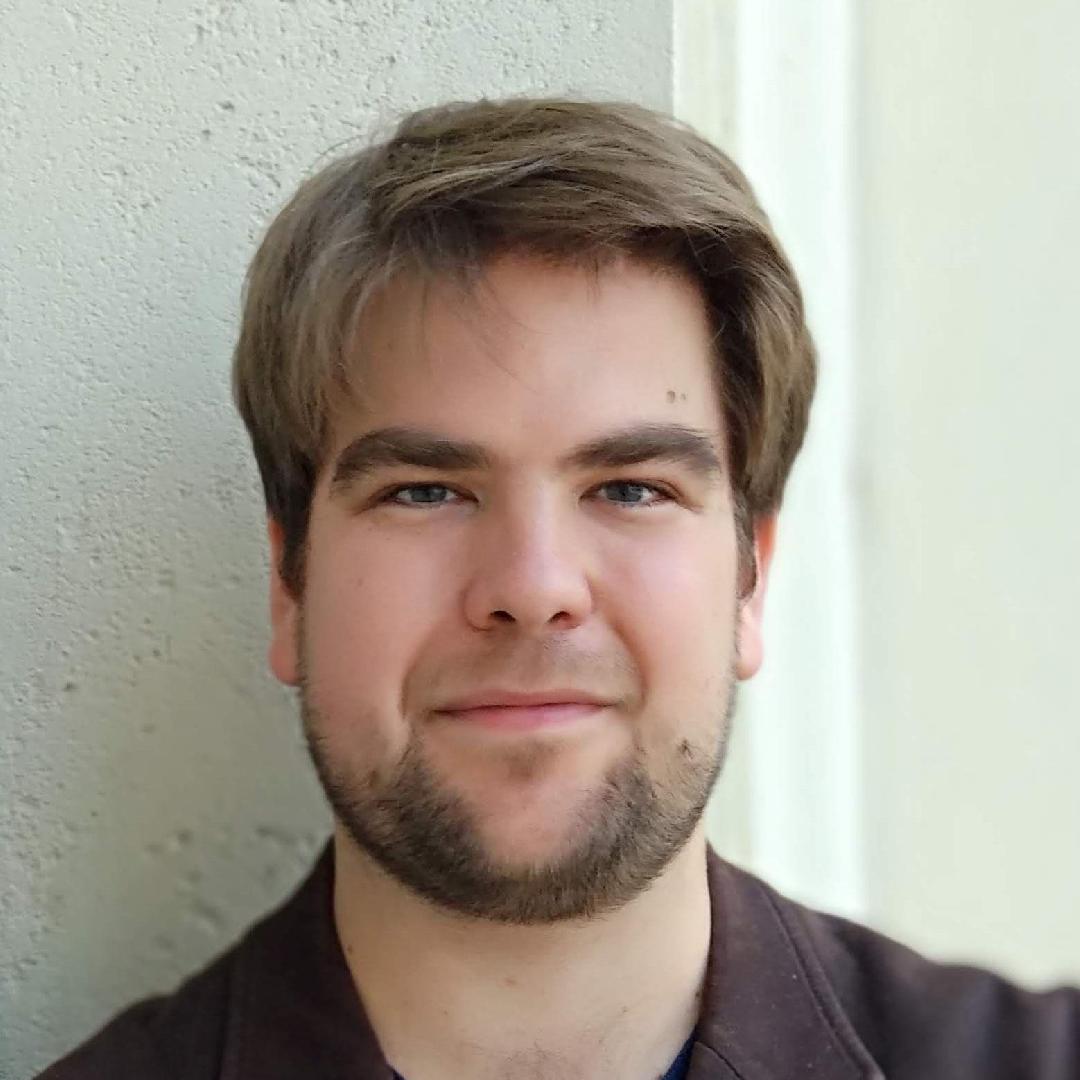
Zsombor Németh