

Rue Picard 11, 1000 Brussels
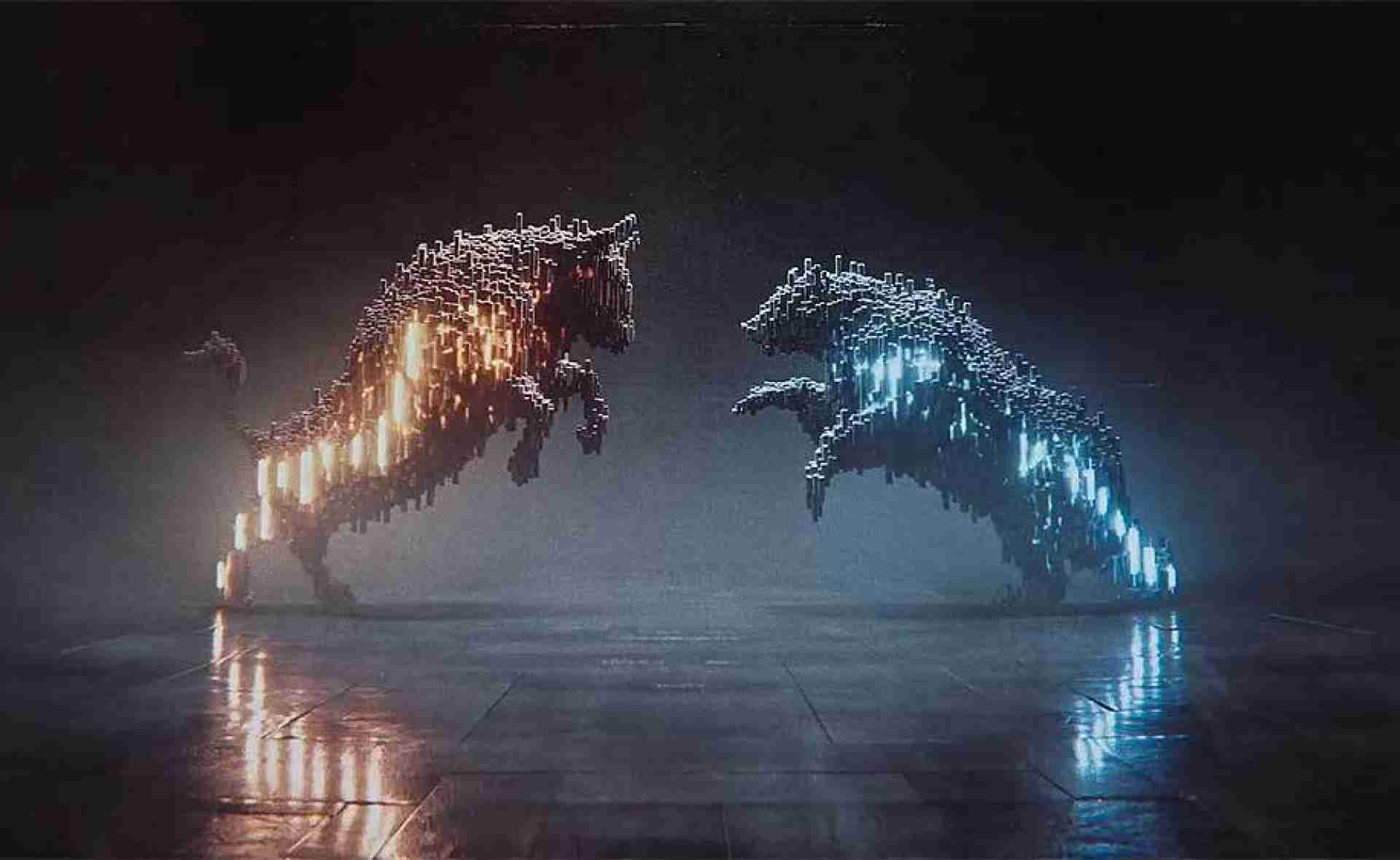
The Finissage of the Brussels Sculpture Festival will take place on March 11, 2023, 4PM at Gare Maritime.
From 2023, VZW Brussels Sculpture Festival will organize, in collaboration with Tour & Taxis, "Sculptura #1", the Brussels Sculpture Festival. Sculptura will be the largest temporary indoor exhibition of contemporary sculptures and statues in Belgium. From 10 February 2023 to 12 March 2023, the Gare Maritime will be the setting for this exhibition.
The exhibition brings together Brussels, Belgian & International top of monumental sculptural and installation art and artists under the roof of the Gare Maritime on the grounds of Tour & Taxis.
Gábor Miklós Szőke
Gábor Miklós Szőke was born in 1984 in Budapest. He studied sculpture at the Hungarian University of Fine Arts and as a scholarship student in Milan, at the Accademia di Belle Arti di Brera, which also had a great influence on him.
In his works he often harks back to classical sculptural aesthetics, which he breaks down and reinterprets in his own formal language. His monumental works transcend the boundaries of architecture and sculpture in terms of scale, design, manufacturing process and use of materials.
In his art he often deals with the social and cultural relationship between humans and animals and interprets the essence of his sculptures as totems of modern times. His wild animals are often on the move or in suspense, often reclaiming their human-dominated territory. They convey desires, superhuman abilities and instincts, formulating the search for a point of reference for modern man. The design process is born as a prehistoric cave drawing, it outlines the desired creature, giving birth to the belief in it to bring it to life. The ritual begins with the transformation of the material.
His early works are the result of experiments with plank pallets used in construction, initially driving the artist to conquer space as quickly as possible. Later, interaction with the built environment and people became interesting. He believes that making monumental sculptures takes up a lot of space and time, so he tries to view those works from thousands of miles away, back thousands of years, so that he can reconnect with the world around him afterwards. It is about passing on culture, meeting generations and building on each other. Ironically, his desire for wild animals began with an encounter with a domesticated animal, an uncontrollable black dog he got as a teenager, in which he believed to discover the ancient Anubis and later the lord of various fictional times. From this was born the Dante Empire, which took shape in the closed street of an old factory district, where the artist's base is located, where Dante's spirit is released. Several of his works are related to Dante, unlike his public sculptures these are often destructions, self-reflections and experiments rather than construction. In addition to sculptures, you will also find furniture and paintings. unlike his public sculptures, these are often destructions, self-reflections and experiments rather than construction. In addition to sculptures, you will also find furniture and paintings. unlike his public sculptures, these are often destructions, self-reflections and experiments rather than construction. In addition to sculptures, you will also find furniture and paintings.
Pál Horváth
Szombathely, Hungary, 1936
Draftsman, painter, graphic artist and sculptor. Studied at the Ecole Polytechnique Superieure in Veszprem and at the School of Decorative Arts (Hungary). Emigrated to Brussels in 1957. Studied there at the Academy in Brussels (publicity 1957-1958 and the ENSAAV in Ter Kameren (graphics). His work is often constructivist and integrated in architecture. Member of The international Center for Studies in Constructive Art.