Melodic Spring in Belgrade
The Liszt Institute in Belgrade welcomed its audience with a rich musical program offering during the first half of spring. The band Cimbaliband performed their production titled “March 15, 1848: A Festive Concert with the Melodies of Freedom.” Opera lovers were treated to a Gala Concert at the Kolarac Concert Hall, while jazz enthusiasts were not left without entertainment either — for them, the good vibes were guaranteed by János Egri Jr. and his band, Trio Johnology.
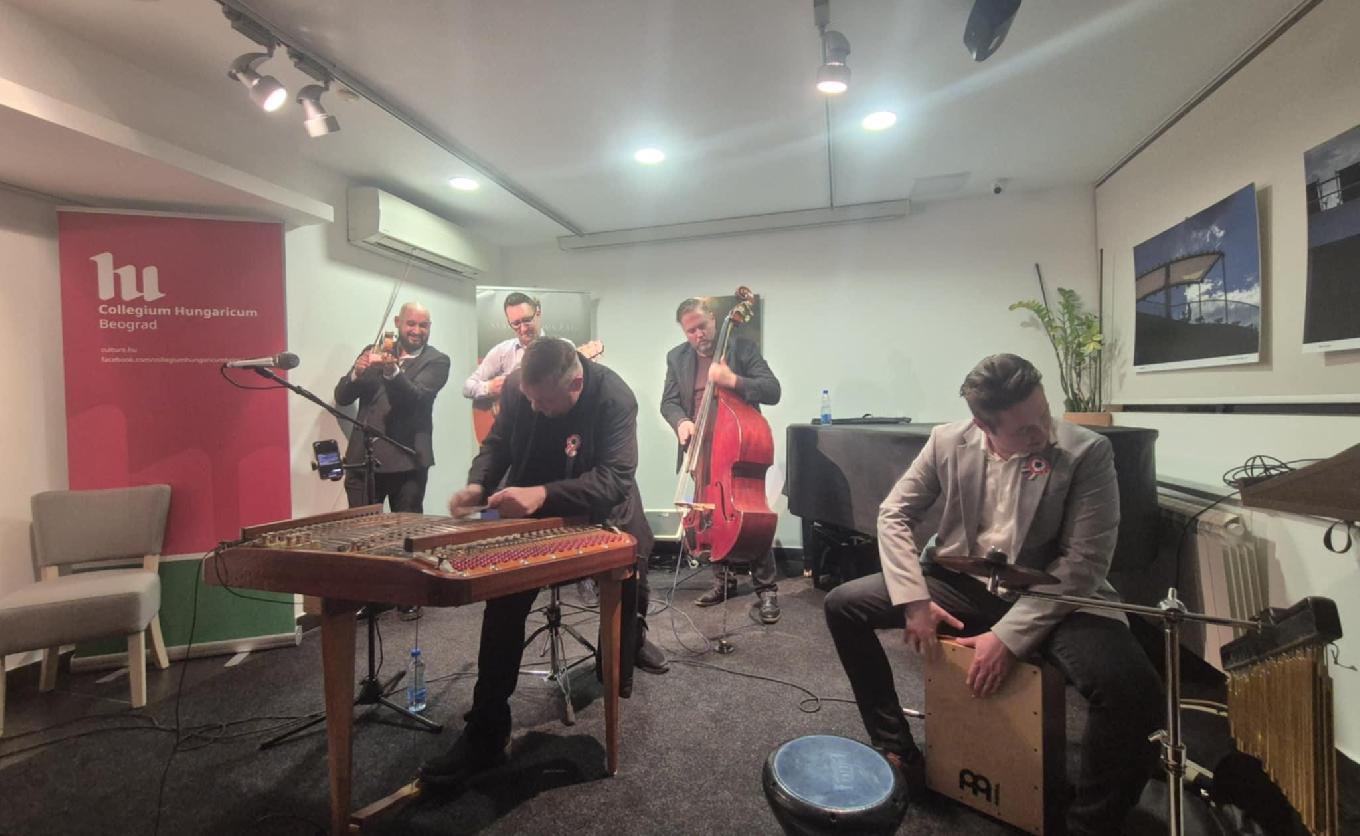
On March 11, 2025, Cimbaliband took the stage at the Collegium Hungaricum in Belgrade to commemorate the March 15 revolution. Their performance, “March 15, 1848: A Festive Concert with the Melodies of Freedom,” brought to life the musical world of one of the most defining periods in Hungarian history. The program featured hussar songs and laments, sometimes in unique arrangements. At the heart of the concert was one of Hungary’s cultural treasures: the cimbalom. The Fonogram Award-winning and Pest County Culture Award-winning band showcased their talent to a full house in Belgrade.
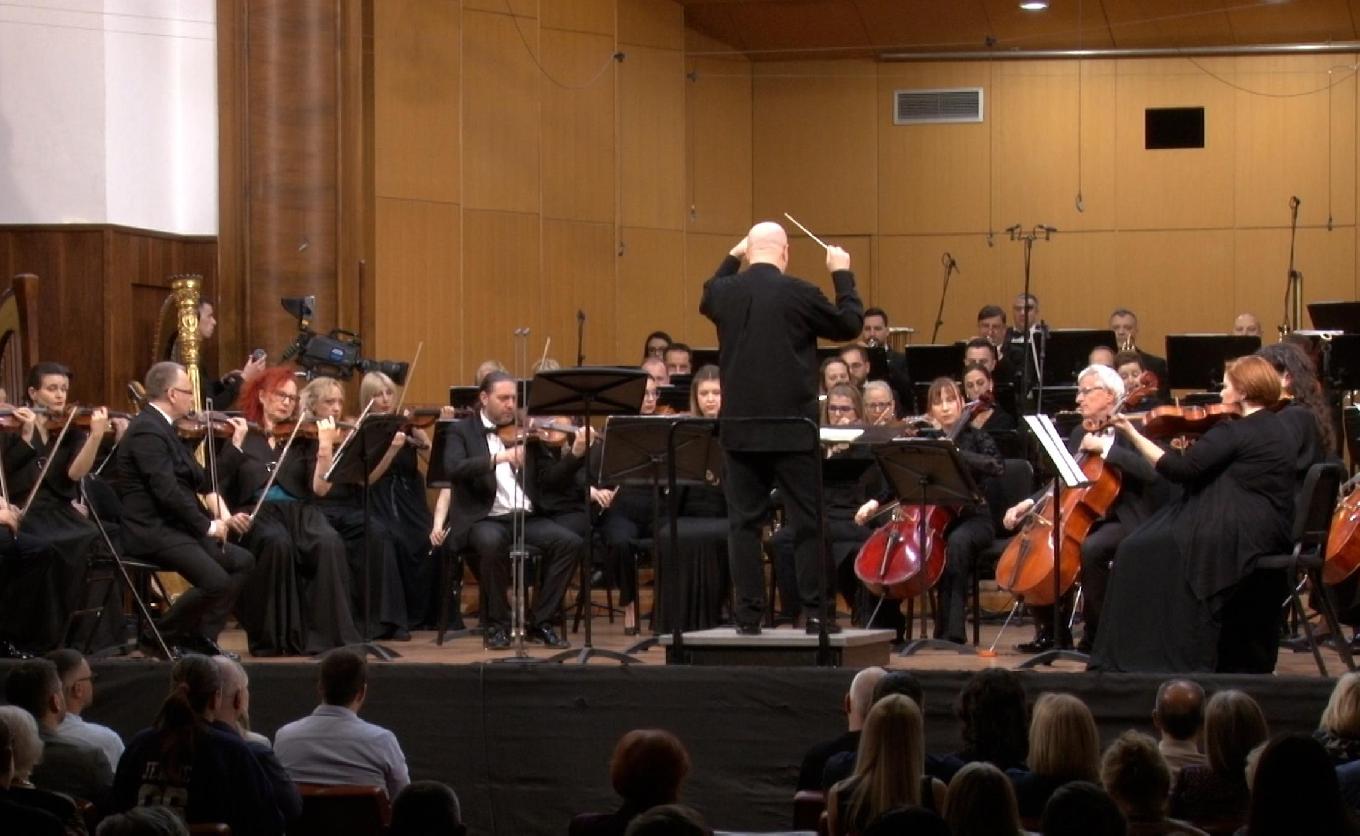
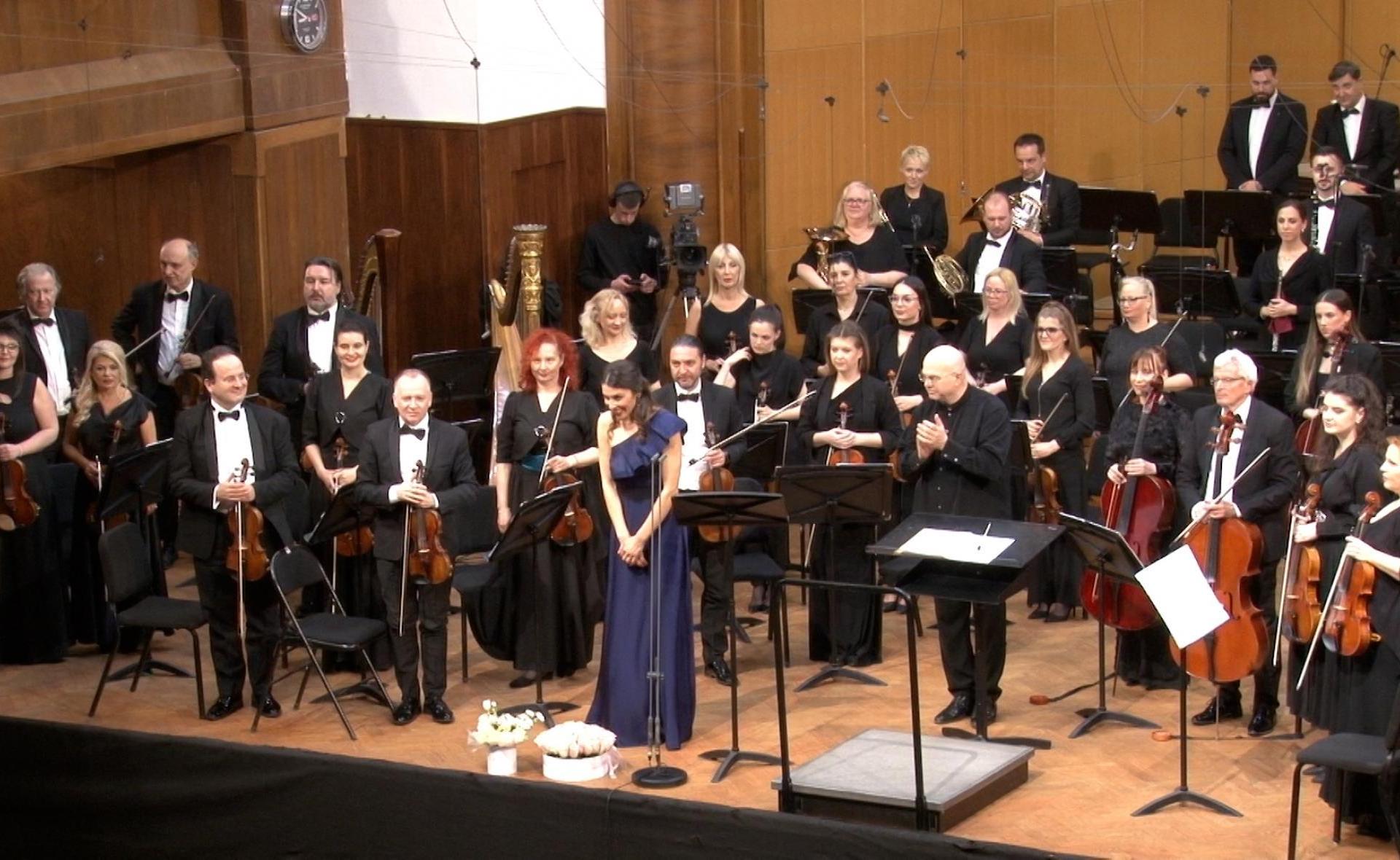
As part of the Collegium Hungaricum’s classical music program, the Opera Gala Concert was held on March 22. The venue, provided by the Kolarac Foundation, was almost completely filled with an eager audience. Conductor Balázs Kocsár, awarded both the Ferenc Liszt Prize and the Artist of Excellence of Hungary, honored the Belgrade audience for the second time. He was joined on stage by the Serbian RTV Symphony Orchestra and world-renowned opera singer of Serbian origin, Katarina Bradić. The concert featured works by English composer Edward Elgar and Hungarian composer Béla Bartók. After the performance, the artists received two curtain calls and concluded the evening with an encore: Hungarian Dances by Johannes Brahms.
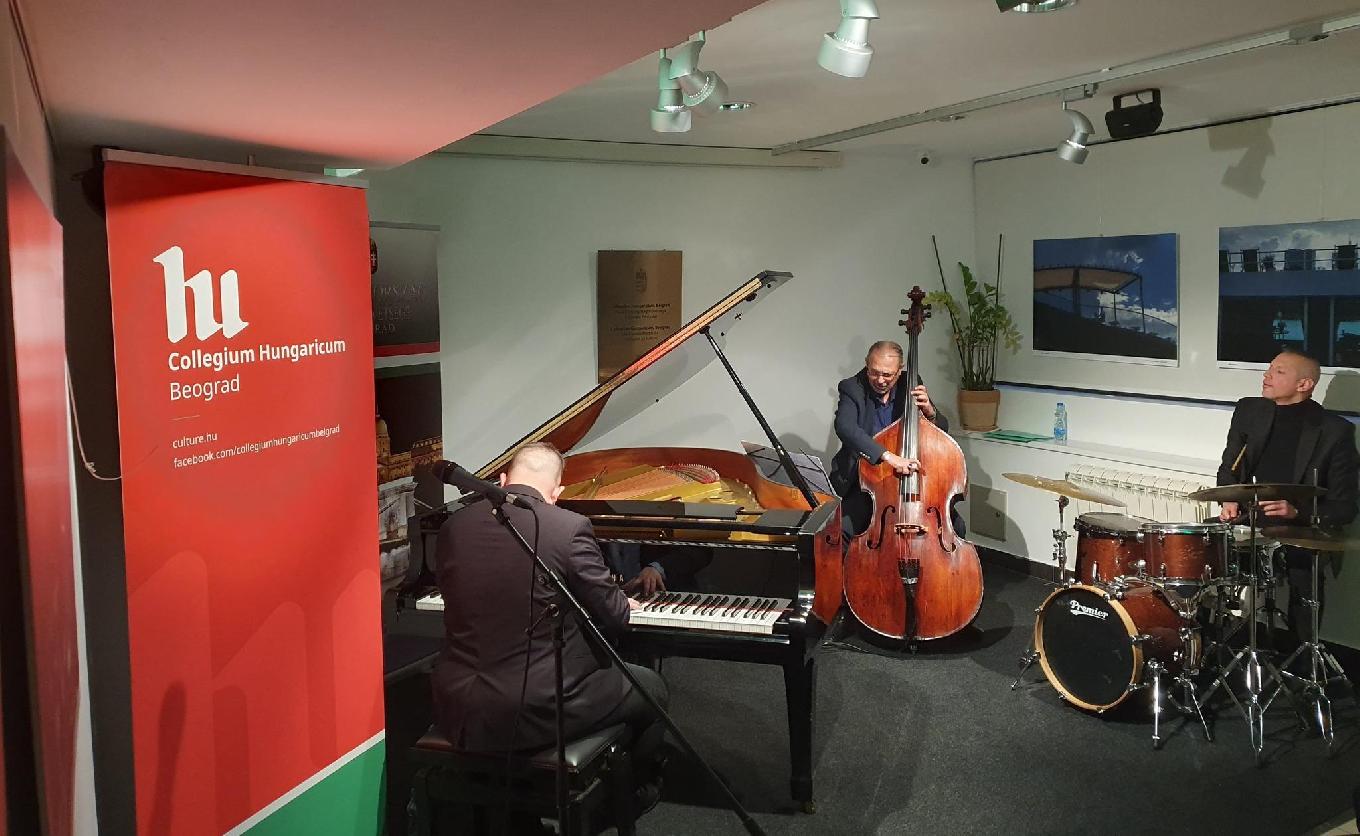
On April 11, Junior Prima Award winner János Egri Jr. and his trio, Trio Johnology, performed at the Collegium Hungaricum. The band arrived in Belgrade as the final stop of a regional tour to enchant the audience with their talent during the institute’s first-ever jazz concert. Their repertoire consisted of American jazz standards, classical pieces, film hits, world-famous songs in unique arrangements, and original compositions by the bandleader. The concert was further elevated by the inclusion of a Hungarian and a Balkan folk song arrangement. Every seat in the hall was filled, as an enthusiastic audience gave a warm and worthy reception to the outstanding performance.